

Vintage Wooden Wall Shelf
A vintage wooden wall shelf brings practical display space and architectural character to a room, ranging from simple pine plate racks to elaborate carved brackets.
Vintage Wooden Wall Shelf
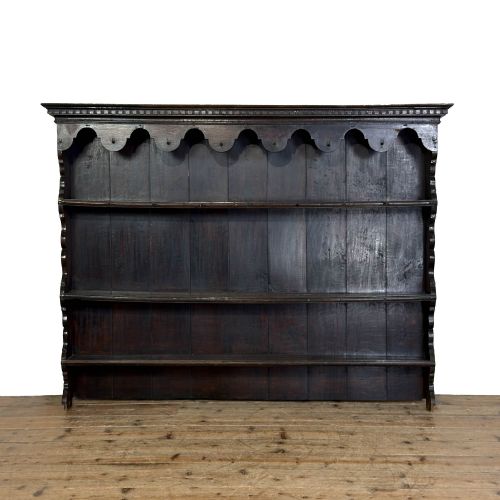
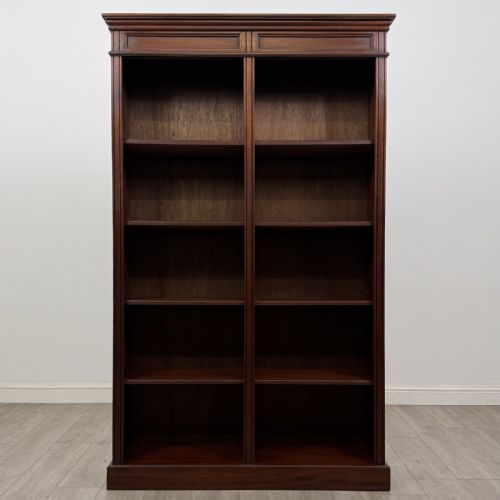
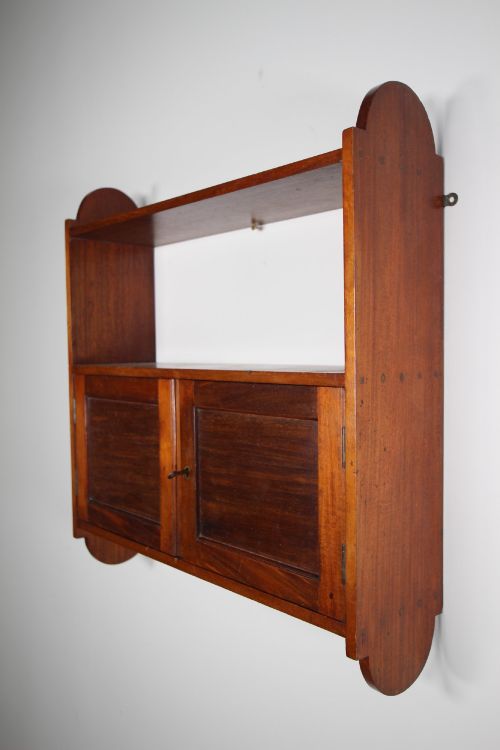
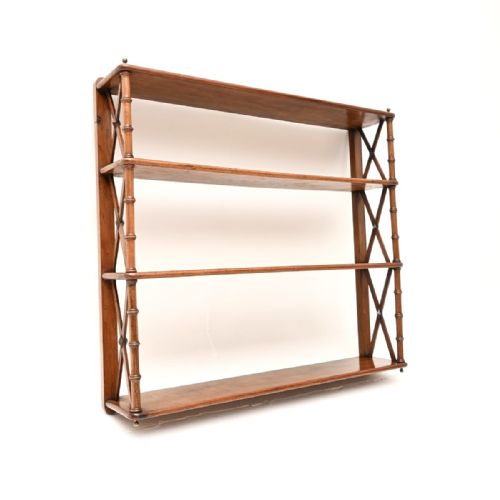
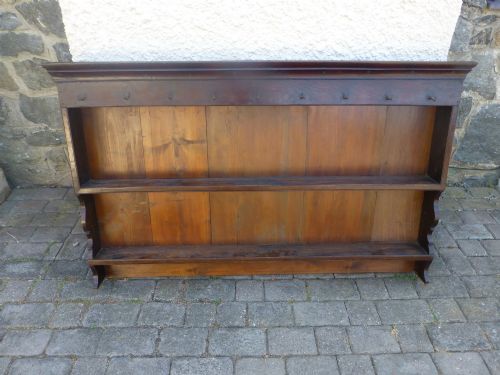
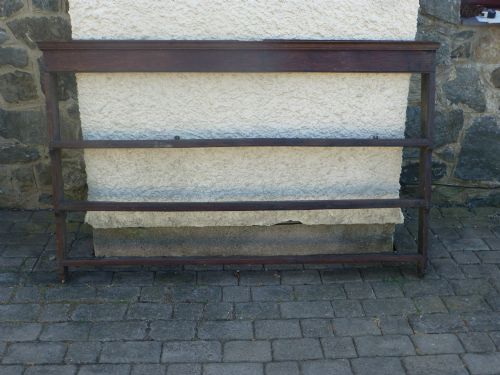
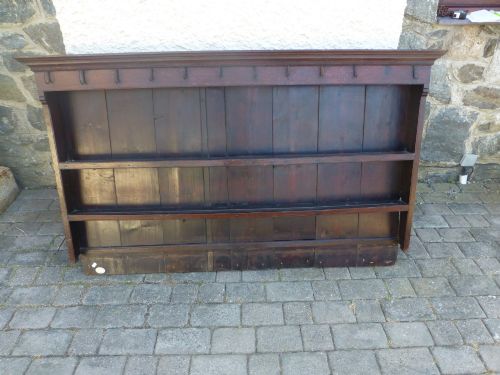
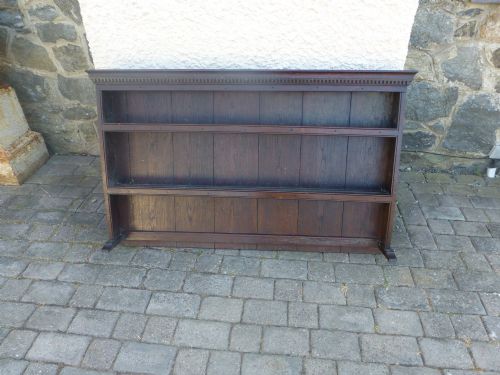
When searching for a vintage wooden wall shelf, buyers encounter a diverse selection of wall-mounted storage forms spanning multiple centuries and regional workshops. The most frequent variants on this page include sturdy oak delft racks, mahogany hanging bookshelves, and rustic pine wall units designed for practical daily use.
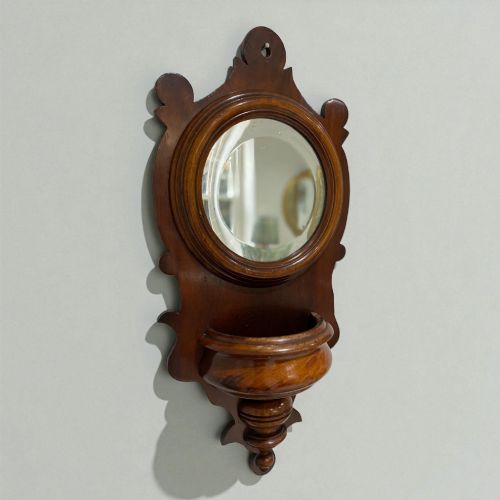
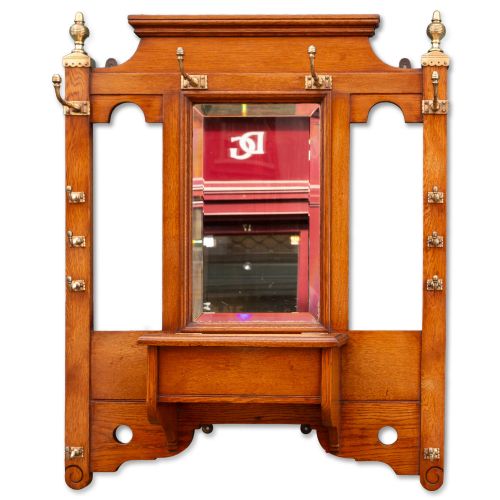
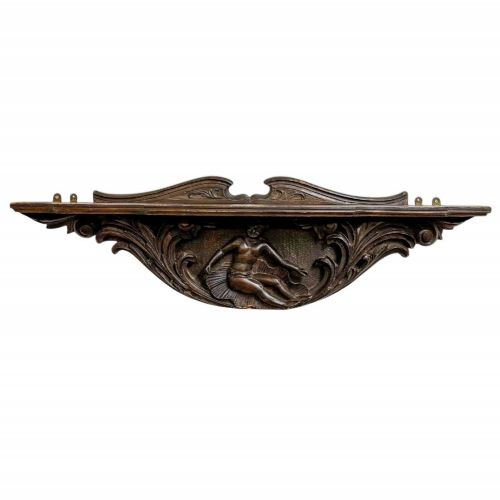
Beyond standard book and plate storage, listings feature specialised forms such as carved wooden wall brackets, mirrored hall shelves, and combination coat racks fitted with small display ledges. These pieces originate from periods as varied as the eighteenth century, the Victorian era, and the Arts and Crafts movement, utilising traditional timbers like walnut, satin birch, and limewood.
Assessing quality in vintage shelving
Quality in a vintage wooden wall shelf often rests in the integrity of the timber selection and the precision of the joinery rather than mere decorative elaboration. Dense, well-figured walnut, figured mahogany, and heavy quarter-sawn oak distinguish superior examples from simpler utilitarian pieces.
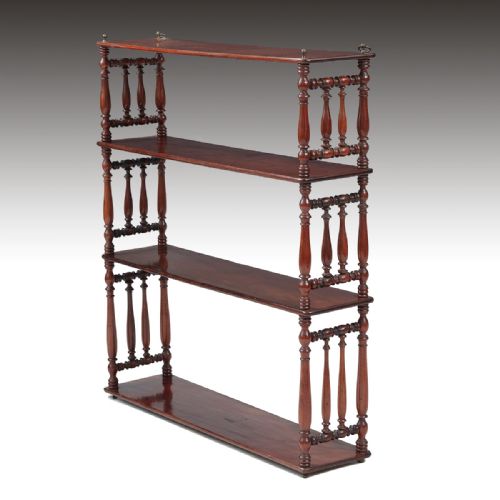
The refinement of hand-carved details, the crispness of turned components like bobbin mouldings, and the preservation of original surfaces separate standard items from finer workshop productions. Structural proportion and the thoughtful integration of functional elements, such as integrated plate grooves or dovetailed compartments, further define the upper tier of the range.
Vintage Wooden Wall Shelf Retail Price Guide 2026
Typical asking prices for vintage wooden wall shelf among the pieces listed under this phrase on Sellingantiques today, from the lower quarter to the upper quarter. They describe what is for sale here now, not the wider market.
Listings feature structural timbers including oak, walnut, mahogany, and pine, alongside decorative elements in brass, glass, and gesso.
Heals·Arthur Simpson
The Vintage Wooden Wall Shelf Glossary
- Delft rack
- A wall-mounted wooden rack specifically designed with plate grooves and retaining rails to display ceramic plates and platters. These are commonly found in eighteenth-century oak formats.
- Waterfall bookshelves
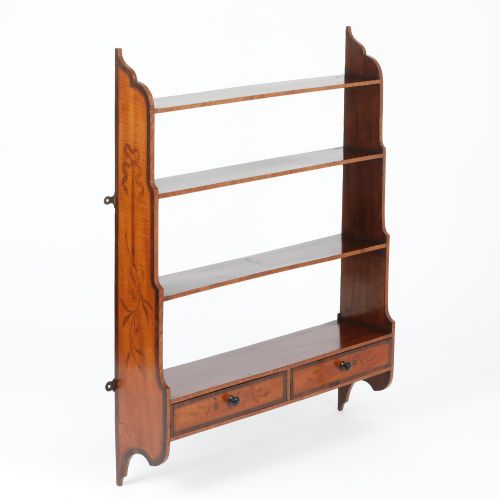
- Hanging or wall-mounted shelves featuring stepped tiers where each shelf is shallower than the one below it. This design creates a cascading profile popular in earlier periods.
- Gesso
- A plaster-like material applied to wooden surfaces to create a smooth base for gilding or painting. It allows intricate decorative motifs to be moulded onto wall brackets and mirrors.
- Bobbin moulding
- A series of turned wooden spheres or discs resembling bobbins applied as decorative trim. This tactile detail frequently appears on nineteenth-century furniture frames.
- Pediment
- The architectural crowning feature above a doorway, shelf, or cabinet. In wall furniture, it adds formal presence and draws the eye upward.
Vintage Wooden Wall Shelf: Frequently Asked Questions
How do I hang a heavy wooden wall shelf safely?
Heavier timber shelves require secure fixing directly into wall studs or the use of appropriate wall anchors rated for the weight of the wood and its intended load.
Ensuring the mounting brackets or internal screw holes align with structural supports prevents the piece from pulling away from the wall under strain.
How should I clean antique oak and mahogany shelves?
Dust timber surfaces regularly with a soft, dry cloth to prevent particulate buildup from dulling the original polish or wax finish.
Avoid using modern silicone sprays or harsh chemical cleaners, as these can penetrate the wood grain and damage aged finishes permanently.
Can these shelves support heavy books?
Many solid oak and mahogany pieces from earlier periods were built robustly enough to hold heavy volumes, provided the timber thickness and depth are adequate.
Checking the rigidity of the uprights and the attachment of the shelf boards will indicate whether a particular unit is suitable for a substantial book collection.