



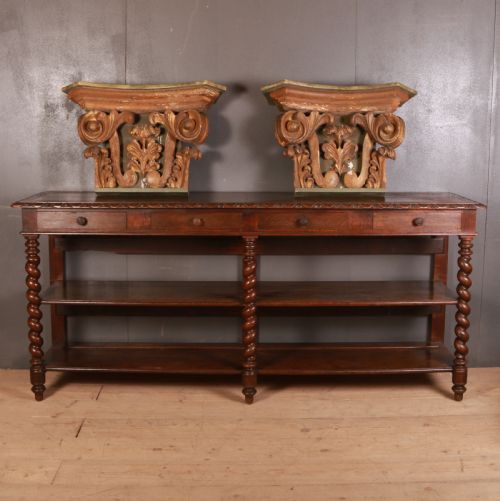


Decorative Carved Corbel
A decorative carved corbel brings immediate architectural depth and historical character to a room.
Decorative Carved Corbel
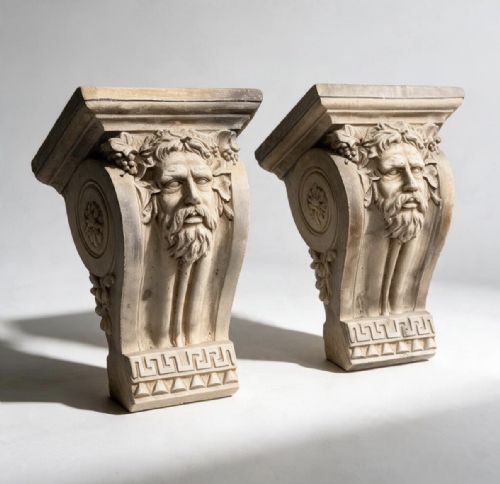
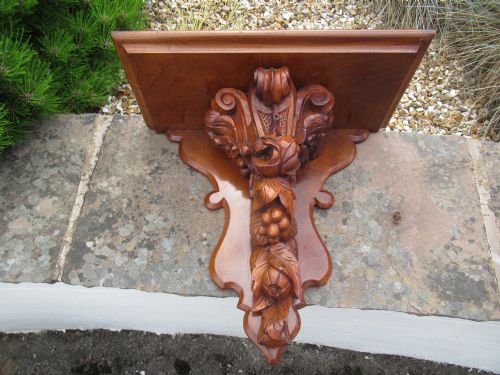
A decorative carved corbel functions as a structural support or an ornamental wall bracket, emerging from vertical surfaces to hold shelves, busts, or figures. These pieces arrive in various forms including wall brackets, architectural salvage, and ceiling bosses.
The selections span several distinct historical eras, ranging from the eighteenth century through the nineteenth century up to nineteen thirty. Buyers encounter diverse origins and influences, such as French chateau, Victorian Gothic, Baroque revival, and Georgian styles.
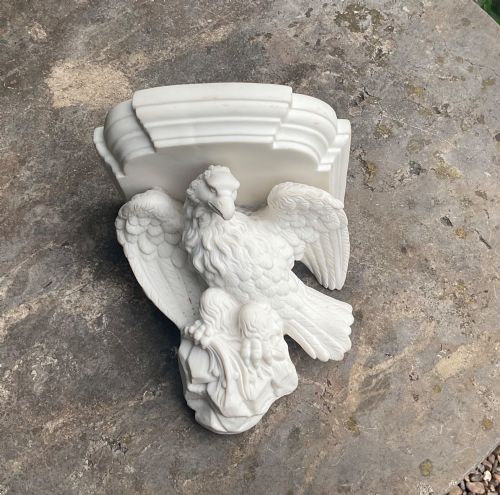
Wooden and gilded iterations dominate the available items, alongside plaster and parian porcelain examples. Forms frequently appear as pairs, particularly cherub and putto wall brackets, Italian capitals, and carved pine or walnut brackets.
How they were made
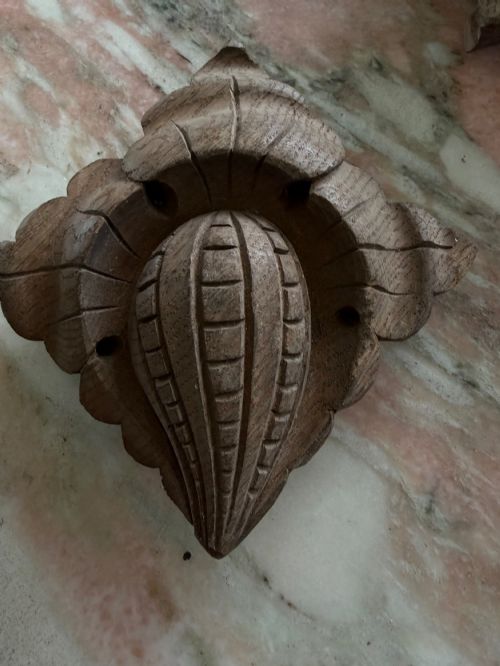
Craftsmen carved these pieces from solid timbers such as oak, walnut, pine, and red walnut, shaping robust architectural elements by hand. Other examples utilise plaster and parian porcelain to achieve intricate sculptural detail.
Surfaces frequently receive applied ornamentation, including gold leaf and giltwood finishes, gesso priming, and painted layers. These traditional treatments enhance the carved depth of cherubs, acanthus leaves, and classical motifs.
Decorative Carved Corbel Retail Price Guide 2026
Typical asking prices for decorative carved corbel among the pieces listed under this phrase on Sellingantiques today, from the lower quarter to the upper quarter. They describe what is for sale here now, not the wider market.
Watch for watchful wooden putti and cherubs lingering on nineteenth century brackets, ready to hold up your shelf.
What varies in quality
Depth and crispness of the hand carving separate standard items from superior examples. The vitality of figurative elements, such as cherubs, putti, and eagles, dictates the visual success of the piece.
The integrity of original surface finishes, whether genuine giltwood, gold leaf, or historic paint, significantly influences the character of the bracket. Uniformity in matched pairs remains a primary consideration for collectors.
The Decorative Carved Corbel Glossary
- Corbel
- A structural member projecting from a wall to support a weight inside. They often transition from purely functional supports into purely decorative architectural brackets.
- Putto
- A figure of a small infant, frequently winged, depicted in classical and Renaissance art. These appear often on carved wooden and plaster wall brackets.
- Giltwood
- Wood that has been covered with a thin layer of gold leaf or gold paint. This finish appears frequently on nineteenth-century decorative brackets.
- Gesso
- A plaster-like mixture used as a base for paint or gilding on wood. It allows craftsmen to crisp up fine details before applying gold leaf.
- Capital
- The uppermost member of a column or pilaster, often carved with foliage or scrolls. Italian examples frequently serve as wall brackets.
Decorative Carved Corbel: Frequently Asked Questions
What is a decorative carved corbel?
A decorative carved corbel is a projecting architectural bracket designed to support a shelf, bust, or weight while adding ornamentation to a wall.
These pieces range from simple wooden supports to elaborate gilded cherubs and classical capitals.
How were corbels used historically?
Historically, corbels functioned beneath beams, cornices, and balconies to bear structural loads in buildings.
Over time, smaller versions evolved into decorative wall brackets and display shelves within domestic interiors.
Can these brackets hold heavy weights?
Load capacity depends entirely on the material, the method of wall fixing, and the original purpose of the specific piece.
Solid wood examples fastened securely to masonry offer greater support than plaster or decorative display brackets.
How do I date an antique corbel?
Dating relies on examining the timber species, tool marks, wear patterns, and the prevailing decorative style of the period.
Baroque revival, Victorian Gothic, and Georgian aesthetics each display distinct carving techniques and surface preparations.
How should I clean gilded wood?
Gilded wood requires gentle dusting with a soft, dry brush to avoid damaging the delicate gold leaf or gesso layers.
Moisture and chemical cleaners must be avoided entirely to preserve the historic surface finish.