


Antique Wood Clock
An antique wood clock brings warmth and mechanical precision to a room through traditional craftsmanship.
Antique Wood Clock
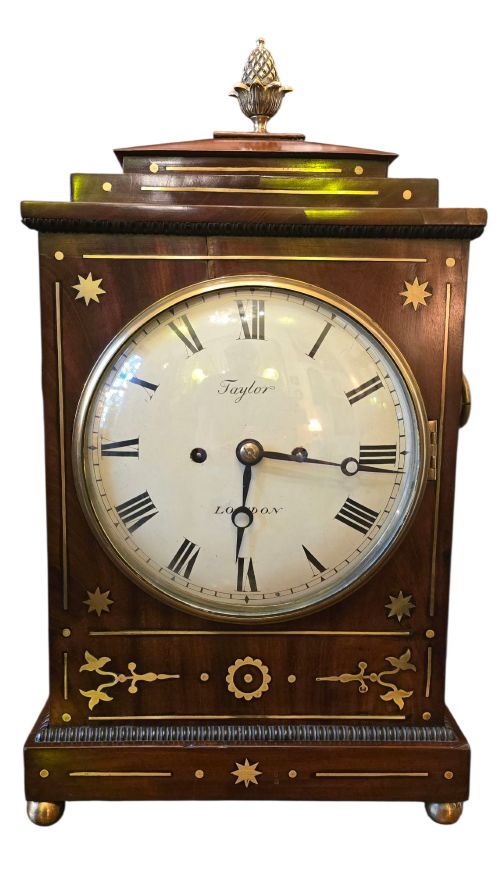
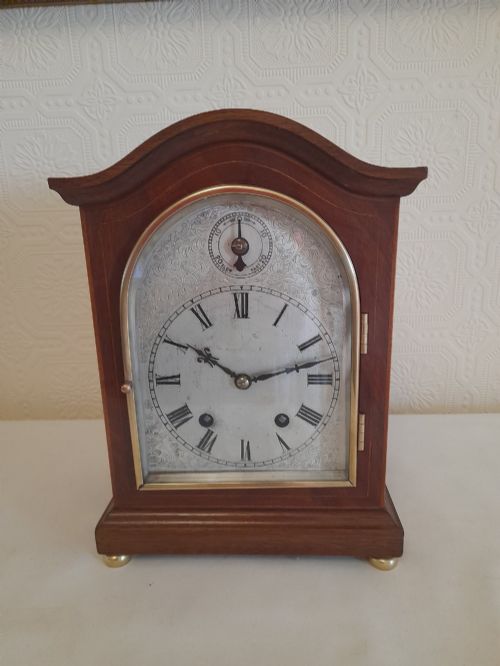
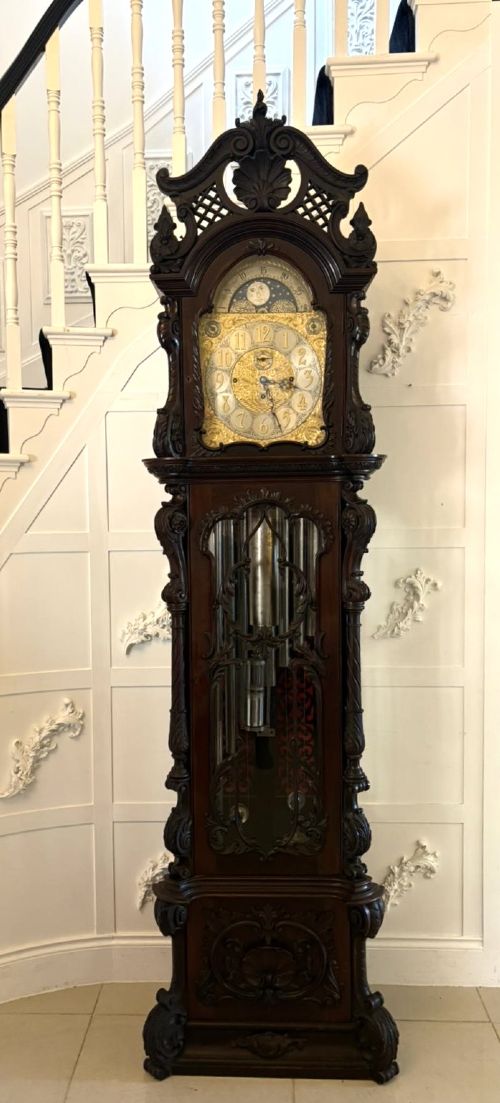
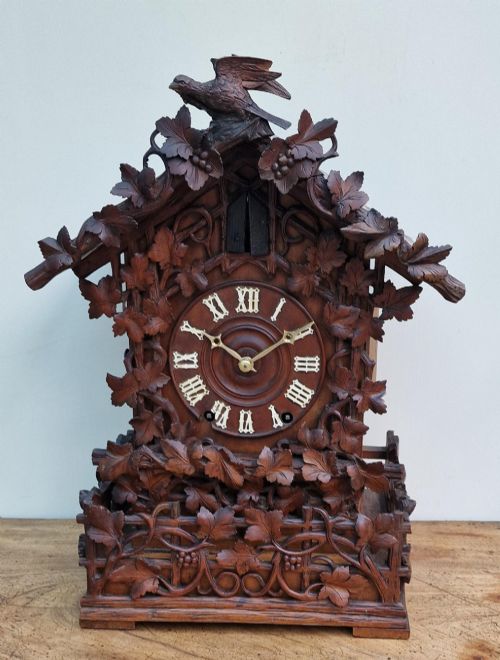
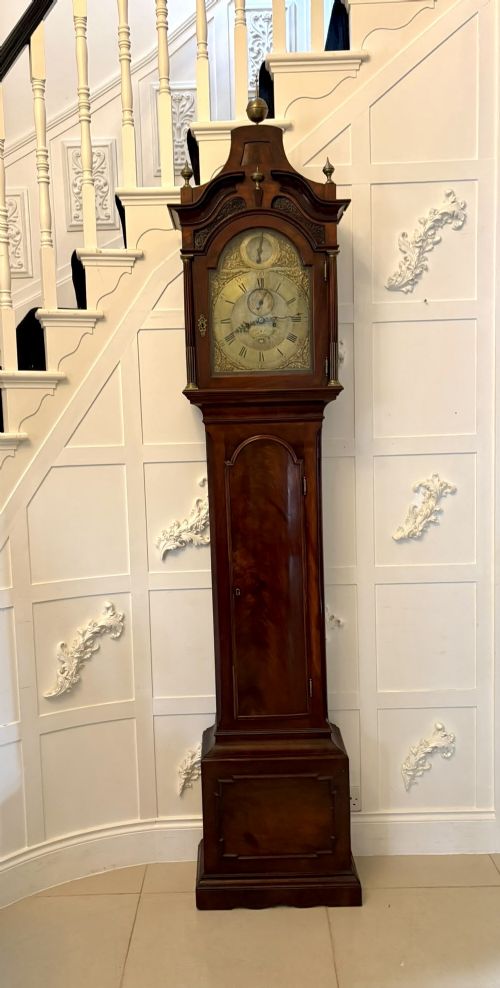
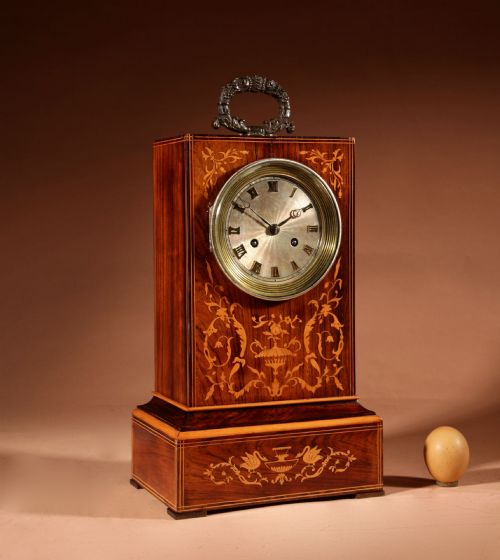
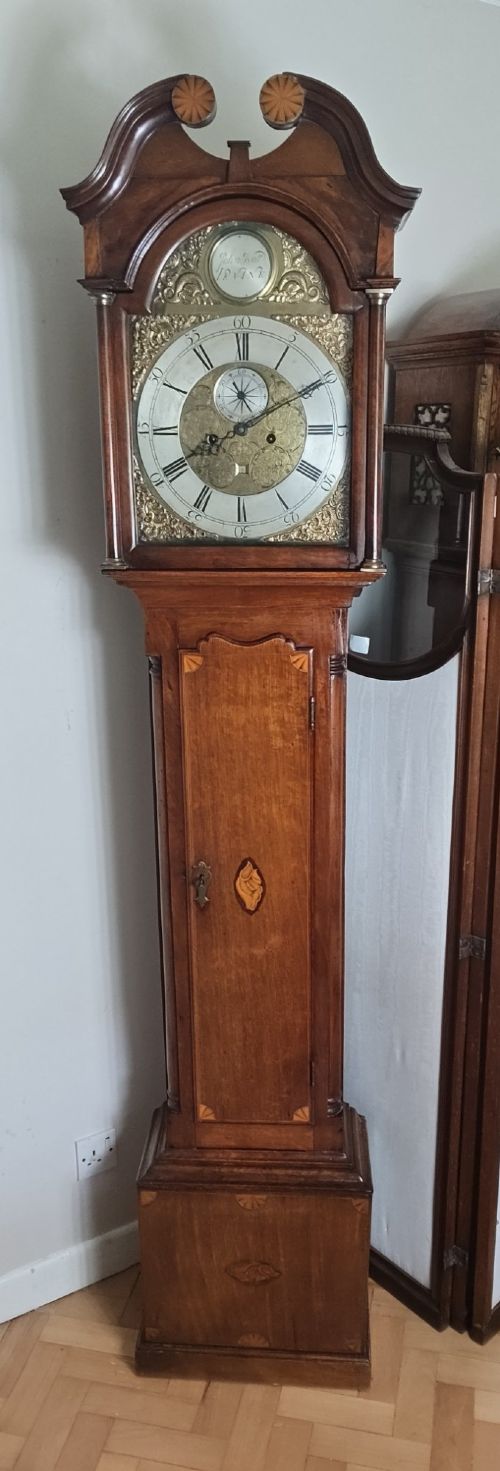
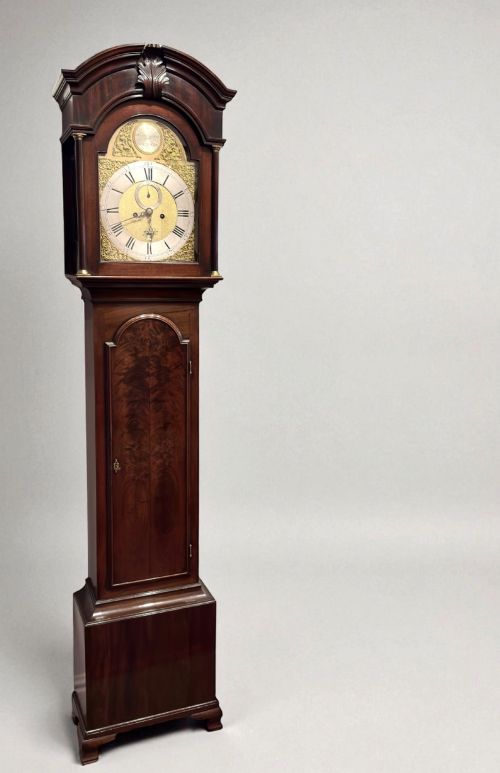
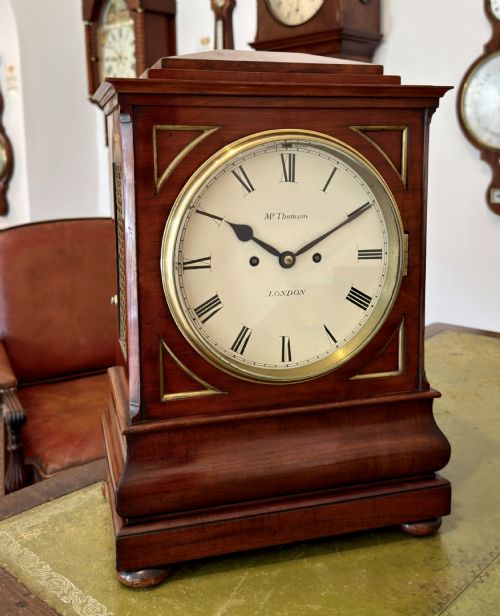
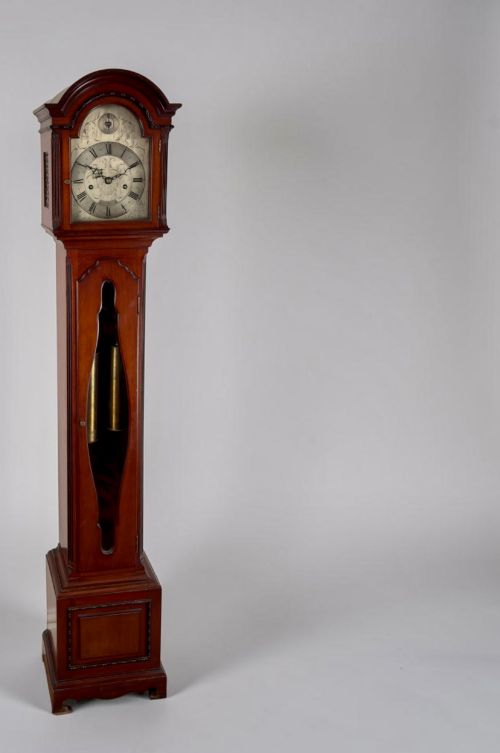
The term antique wood clock covers a wide array of domestic timepieces, ranging from towering floor-standing longcase examples to compact mantel designs intended for domestic interiors. Floor-standing variants often feature classic timber cases housing intricate weight-driven movements, while smaller versions sit comfortably on shelves or desks.
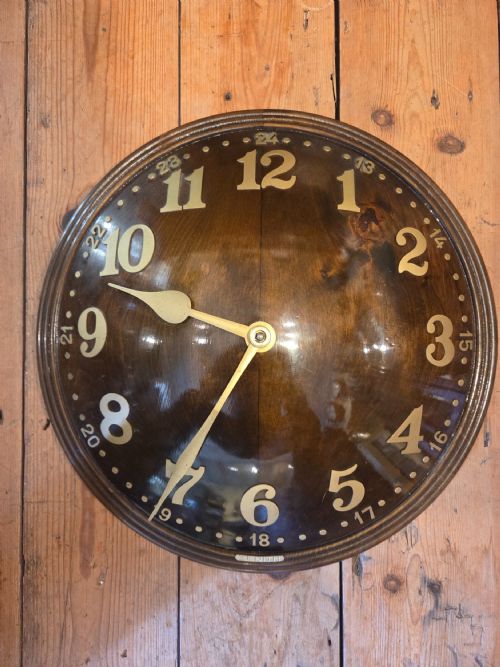
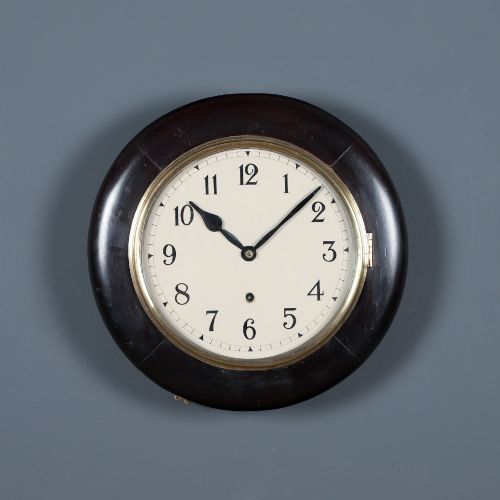
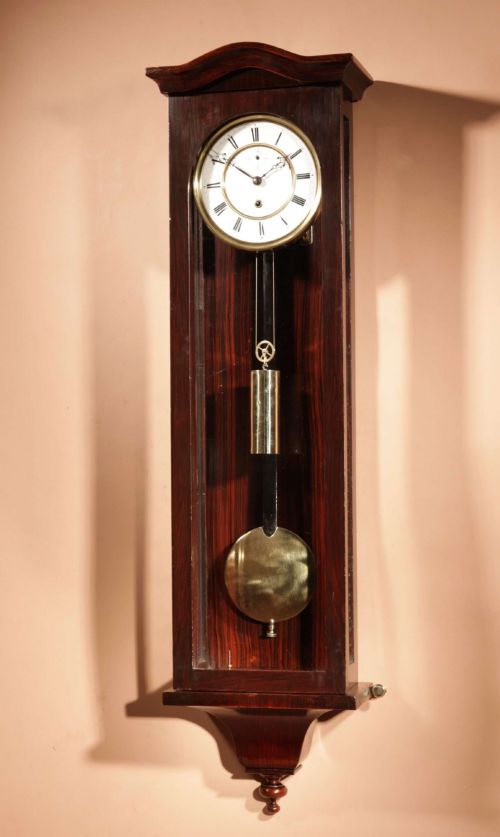
Wall-mounted options, including dial clocks and Vienna regulators, provide alternative ways to integrate historical timekeeping into domestic spaces. These pieces appear across multiple eras, spanning Georgian proportions up to the cleaner lines of the Art Deco period.
Materials and construction
Cabinetmakers utilised dense hardwoods such as mahogany, oak, walnut and rosewood to construct robust outer cases capable of housing complex metal movements. Marquetry inlay, brass detailing and glass panels frequently accented these timber surfaces, adding decorative contrast to the natural grain.
Mechanical components relied on brass gears, iron plates and steel springs or weights, often driven by fusee chains or pendulum regulations. Dials combined enamelled metal, painted surfaces and brass chapter rings to display the hours clearly.
Assessing craftsmanship
Superior examples distinguish themselves through the precision of the internal movement and the fidelity of the cabinetwork. High-grade pieces feature finely cut gear teeth, clean brass work and well-balanced mechanisms that maintain accurate time over extended periods.
The quality of the wooden case reflects the skill of the original maker, demonstrated by tight joinery, balanced timber selection and crisp inlay work. Original components and signed dials further separate standard production items from workshop masterpieces.
Gordon of Aberdeen·Thomson of London·Gillett and Johnston·James Field·Brockbanks and Atkins·Samuel Kellett·Thomas Reynolds·James Condliff
The Antique Wood Clock Glossary
- Fusee
- A conical pulley used in mechanical clocks to maintain even force on the gear train as the mainspring unwinds. This mechanism ensures consistent timekeeping.
- Verge escapement
- An early type of escapement mechanism that controls the release of power in a clock movement, identifiable by its crown wheel.
- Longcase clock
- A tall floor-standing timepiece enclosed in a wooden case, commonly referred to as a grandfather clock. These usually house eight-day movements.
- Bracket clock
- A portable table or shelf clock historically designed to sit upon a decorative bracket. Many feature striking trains and carrying handles.
- Dial clock
- A wall-mounted timepiece featuring a prominent circular face framed by a wooden surround. Railway stations and schools frequently utilised these legible designs.
Antique Wood Clock: Frequently Asked Questions
How do I wind an antique clock?
Winding requires inserting the appropriate key into the dial winding holes and turning gently until resistance indicates the spring is fully tensioned or the weights reach their upper limit.
Care must be taken not to overwind the mechanism, as this can damage the internal springs or striking trains.
Where should I place a longcase clock?
Floor-standing pieces require a stable, level surface against a solid wall to ensure the pendulum swings evenly without catching on the case interior.
Placing the timber case away from direct heat sources and dramatic temperature shifts prevents wood warping and protects the mechanical components.
How do I identify the period of a wooden case?
Cabinet styles offer the clearest indication of age, with Georgian pieces showing restrained classical proportions, Victorian designs often displaying heavier carved details, and later Edwardian or Art Deco examples adopting lighter inlays or geometric silhouettes.
Examining the construction methods inside the case and the style of the clock face confirms the manufacturing era.
Why does my clock stop running?
stoppages frequently occur because the case has shifted slightly on an uneven floor, which alters the beat of the pendulum and halts the movement.
Gentle adjustments to the case feet or pendulum crutch usually restore the regular ticking sound without requiring professional intervention.