
Antique Wood Casket
An antique wood casket is a solid repository for keepsakes, bringing domestic history and craftsmanship into any room.
Antique Wood Casket
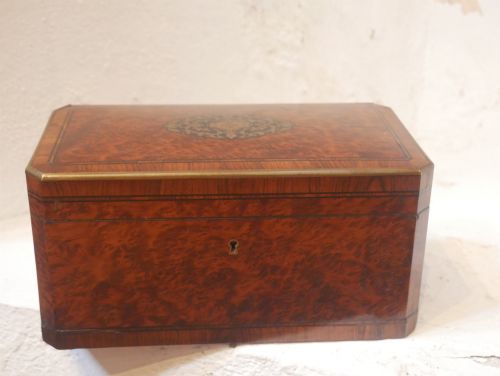
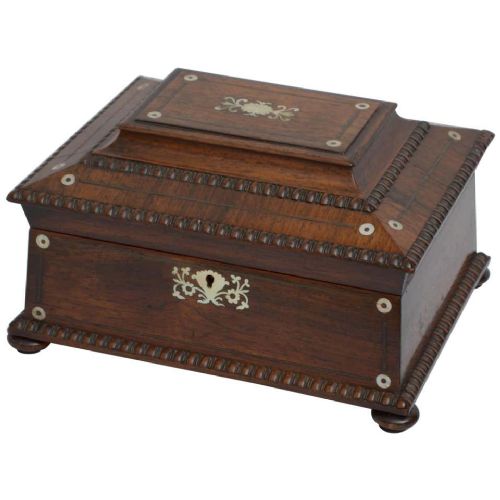
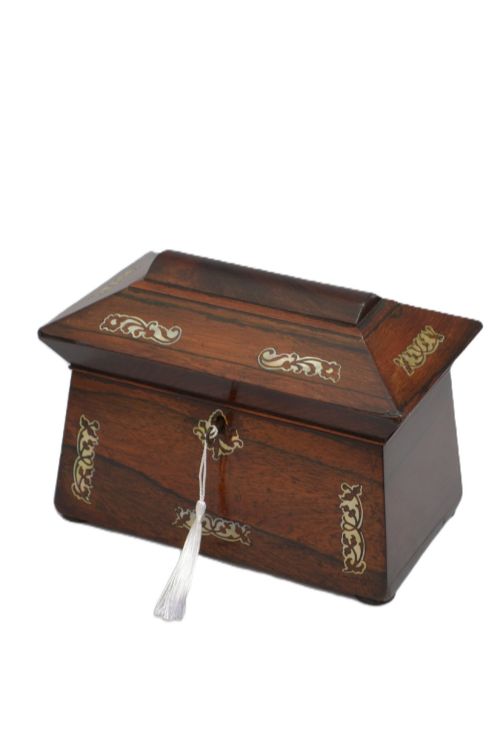
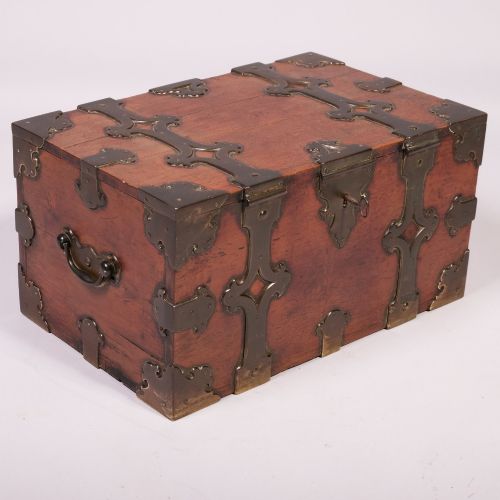
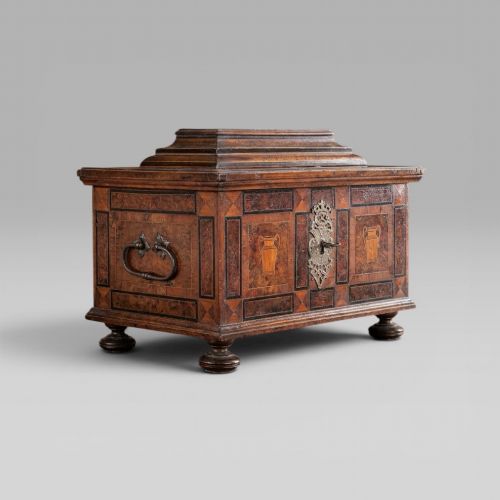
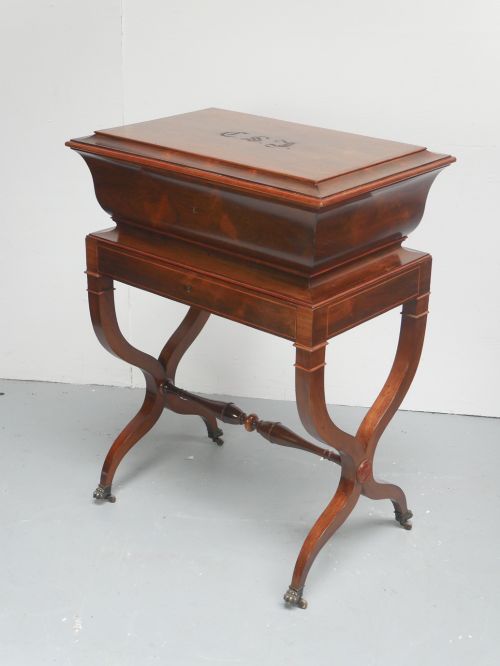
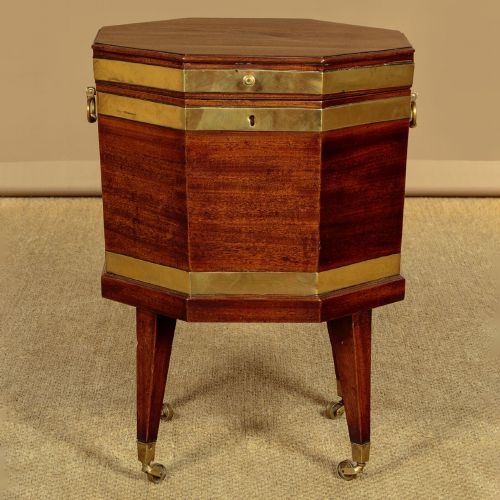
The forms range from compact tabletop trinket boxes to sarcophagus-shaped jewellery caskets and campaign boxes. Pieces span multiple eras, including Georgian, Regency, and 17th Century continental work.
These items served functional roles in homes and offices, acting as portable safes, stationery storage, and designated containers for precious items.
How They Were Made
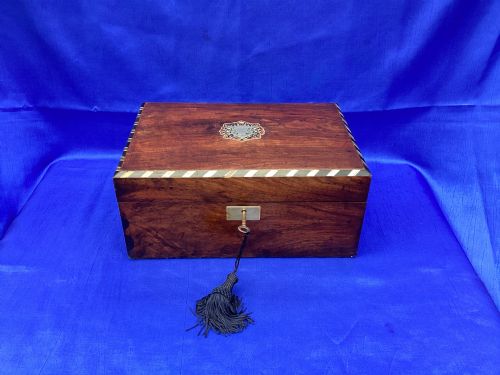
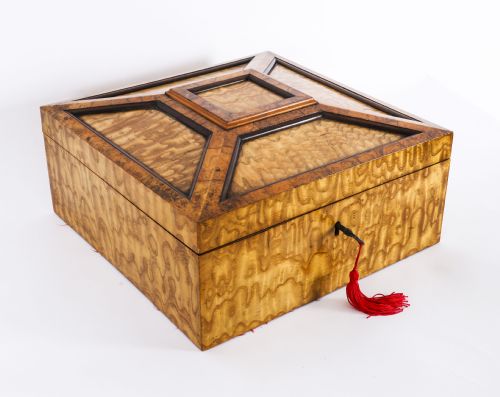
Cabinet makers utilised dense hardwoods such as mahogany, rosewood, coromandel, and walnut, often applying burr veneers for striking grain patterns. Frames frequently incorporated brass mountings, lockplates, and handles for durability and security.
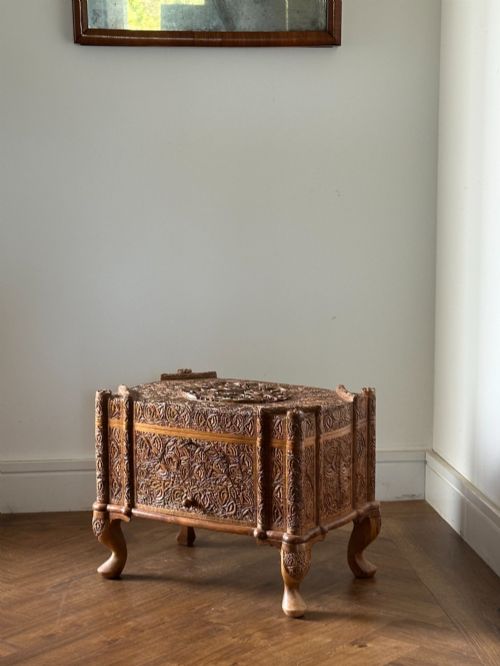
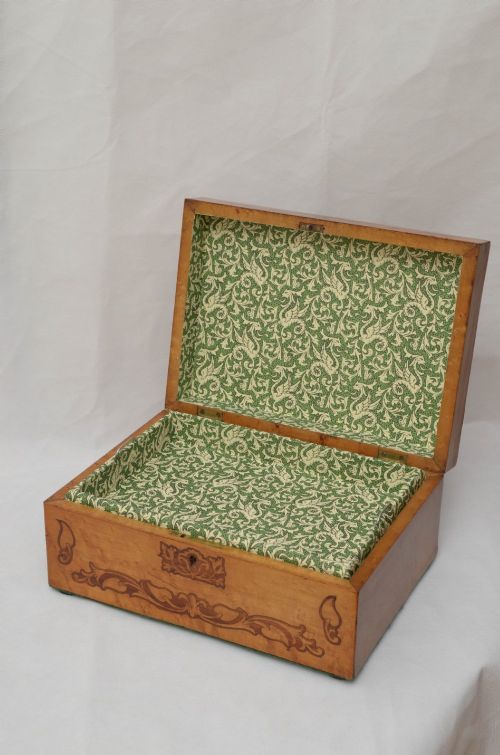
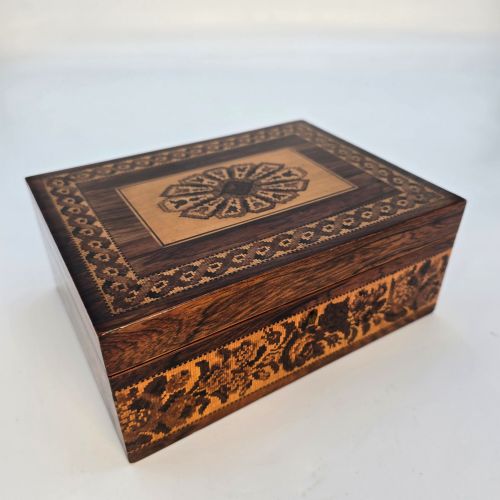
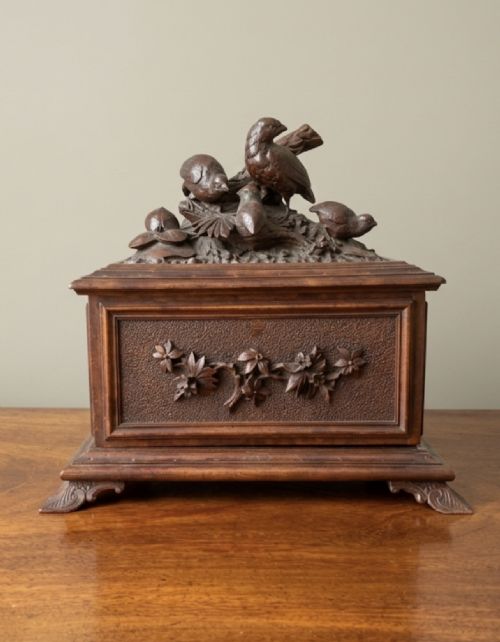
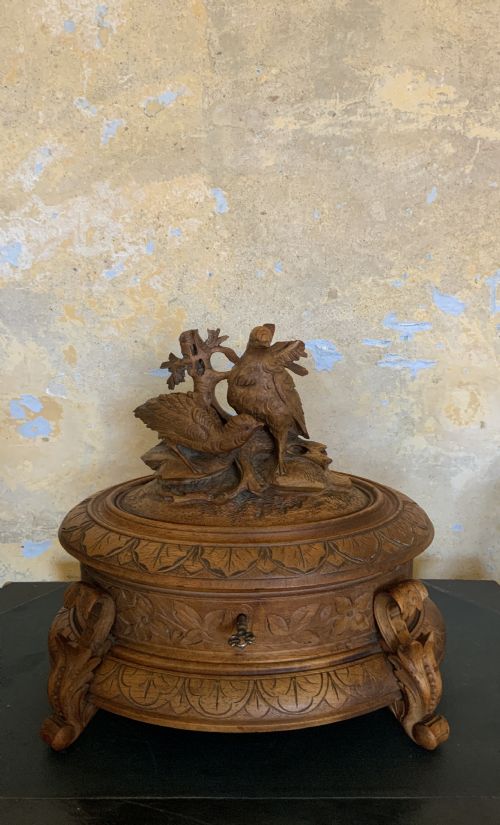
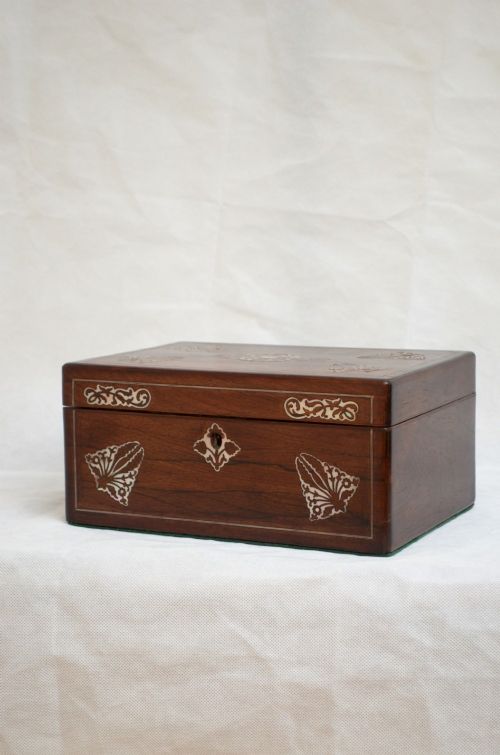
Surface decoration relied on marquetry, parquetry, Tunbridge ware inlay, bone, and intricate hand-carving as seen in Black Forest and Anglo-Indian pieces. Interiors typically featured fitted trays, silk or velvet linings, and compartmentalised layouts.
The listings feature materials including brass, rosewood, walnut, mother-of-pearl, hardwood, boxwood, wrought iron, and coromandel wood.
What Varies in Quality
The standard of an antique wood casket rests on the selection of timber veneers and the precision of the joinery and inlays. Finely executed marquetry, tight parquetry, and intact original brass hardware distinguish superior examples from simpler utilitarian boxes.
Internal complexity also dictates the grade of the piece, with multi-tiered fitted trays, secret drawers, and undamaged original linings elevating the standard. The depth of hand-carving in Black Forest or Anglo-Indian models shows the artisan's skill.
Tahan Paris·Edmund Nye·Lesage
The Antique Wood Casket Glossary
- Burr wood
- Timber taken from tree growths that produce complex, swirling grain patterns. Highly prized for decorative veneer work on luxury boxes.
- Marquetry
- The art of creating decorative pictures or patterns on wooden surfaces using thin slices of various veneers. Frequently utilised in geometric and floral tableaus.
- Tunbridge ware
- A specific type of woodwork featuring intricate mosaic patterns made from tiny wood blocks of various natural colours. Developed in Kent during the 19th Century.
- Campaign box
- Portable furniture and storage designed for military officers on active service. Fitted with brass corners and recessed carrying handles.
- Parquetry
- A geometric mosaic of wood pieces used for decorative floors and box lids. It creates a repeating pattern across the surface.
Antique Wood Casket: Frequently Asked Questions
What were antique wood caskets used for?
These pieces served as secure containers for personal jewellery, letters, coins, and important documents. Many included internal compartments, velvet linings, and locks to protect valuables at home or during travel.
Larger variants functioned as tea caddies, stationery boxes, or campaign chests for officers. Their sturdy construction made them practical everyday items for storing prized possessions.
How do I identify the period of a wooden casket?
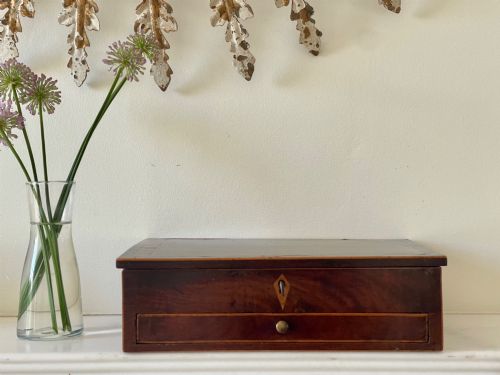
Dating relies on timber choices, construction techniques, and decorative styles. Georgian and Regency pieces often feature mahogany or yew with clean, classical lines, while Victorian examples frequently utilise rosewood, coromandel, and elaborate marquetry.
Examining internal hinges, locks, and secondary woods helps confirm the era. Construction methods shifted over the centuries from hand-dovetailed solid boards to veneered frames.
How should I care for an antique wood casket?
Keep wooden boxes away from direct sunlight and sources of heat to prevent the timber and veneers from drying and cracking. Maintain a stable room temperature and humidity level.
Apply a microcrystalline wax periodically to nourish the wood surface and protect the finish. Avoid using liquid polishes or harsh chemical cleaners that can damage delicate inlays.
Can I use an antique casket for daily storage?
These boxes accommodate modern items such as modern jewellery, watches, and small keepsakes safely. Fitted interiors and velvet trays protect delicate objects from scratching.
Ensure that hinges and locking mechanisms operate smoothly before storing heavy items. Careful daily use preserves both the structural integrity and the historic finish.