
Antique Wood Box
An antique wood box brings utility and history together, offering storage shaped by centuries of craftsmanship.
Antique Wood Box
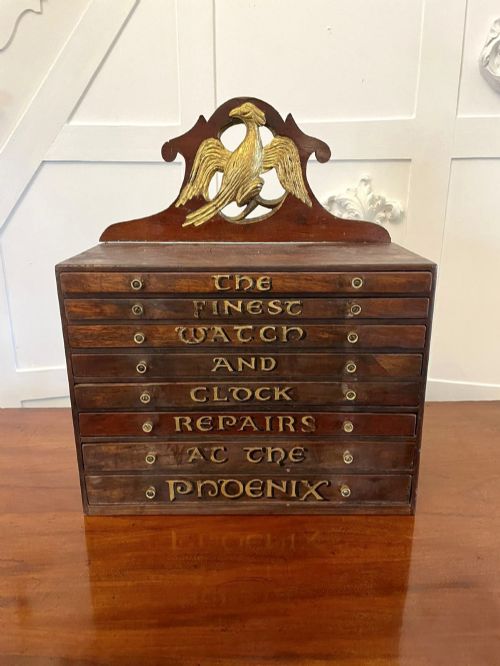
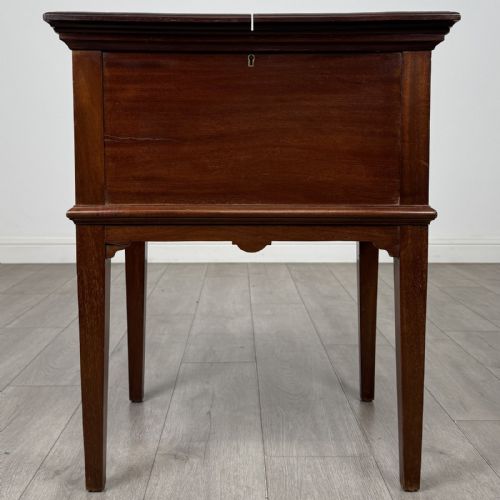
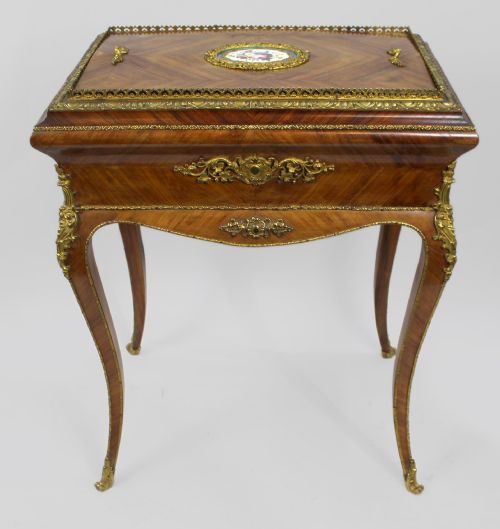
The selections span distinct periods including the Georgian era, the Victorian decades, and the Edwardian years. Oak, mahogany, camphor wood, and walnut feature prominently across these functional containers.
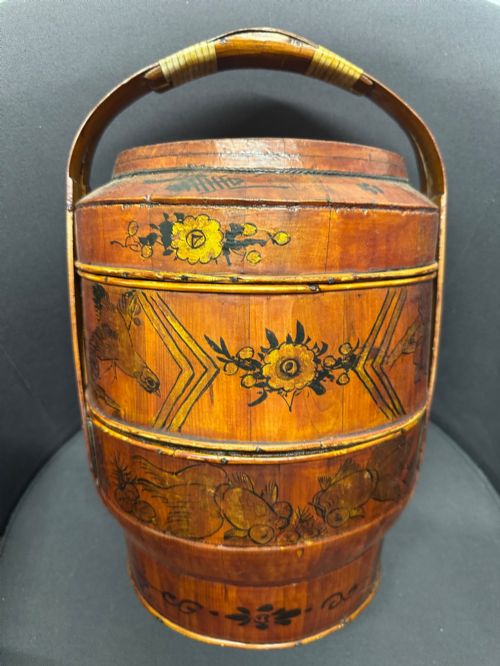
Buyers encounter diverse regional forms such as English blanket chests, Chinese wedding boxes, and French travelling cases. Each item reflects the storage needs of its original period and place of origin.
Materials and construction methods
Cabinetmakers utilised durable hardwoods like oak, mahogany, and walnut, frequently selecting camphor wood for travelling pieces due to its insect-repellent qualities. Secondary woods support internal compartments while primary faces display rich grain patterns and polished surfaces.
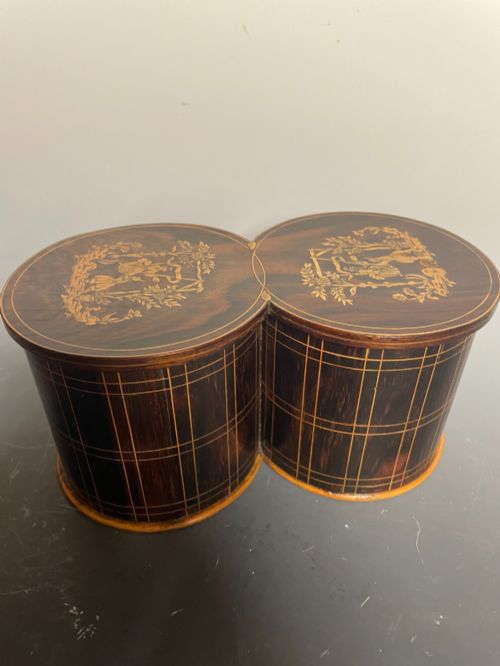
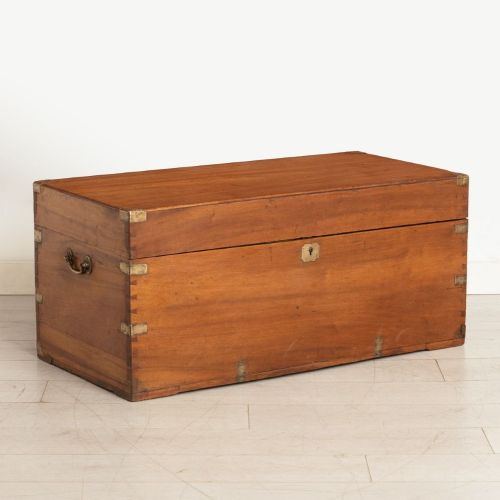
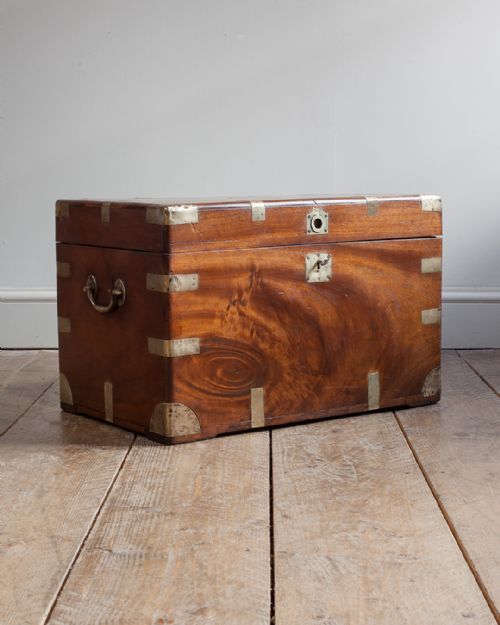
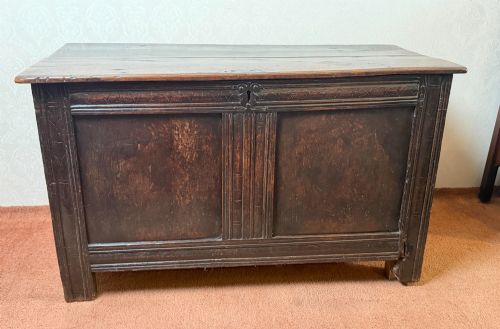
Construction techniques include dovetail joints for stability, pegged mortise and tenon framing on heavy coffers, and delicate inlays of boxwood or ebony. Metal fittings such as brass handles, strapwork, and locks provide both structural reinforcement and visual contrast.
Listings include oak, mahogany, camphor wood, and walnut across Georgian, Victorian, and Edwardian periods.
Distinctions in craftsmanship and preservation
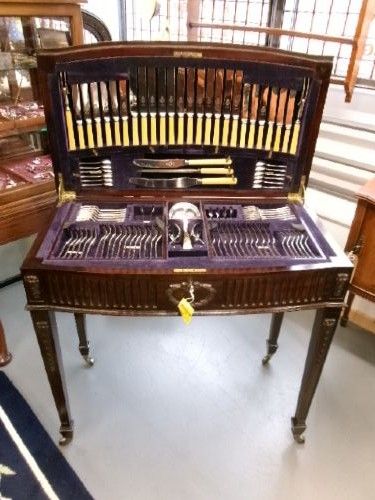
Quality rests upon the integrity of the timber selection and the precision of the joinery, where tight dovetails and flush lids indicate superior workshop standards. Finer examples retain original hardware, functioning locks, and intact internal trays or dividers rather than later replacements.
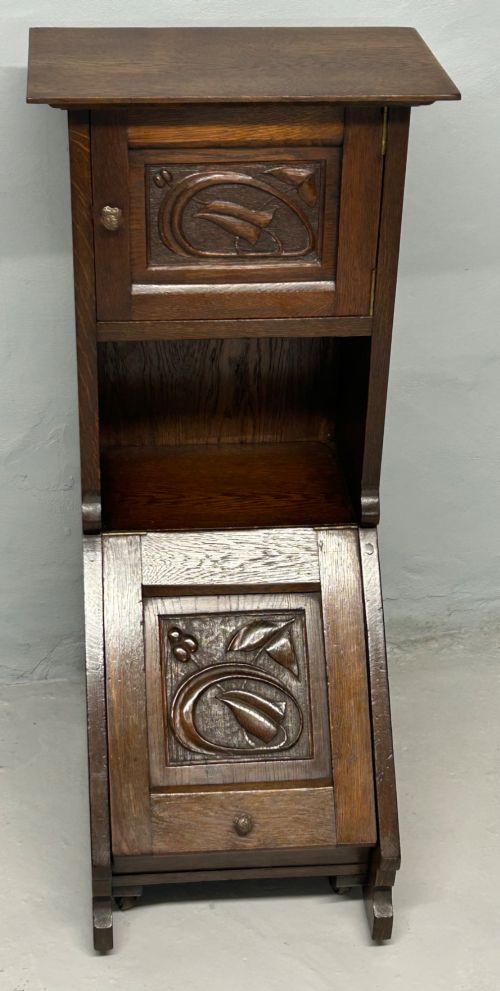
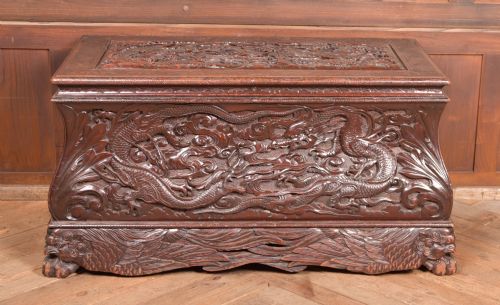
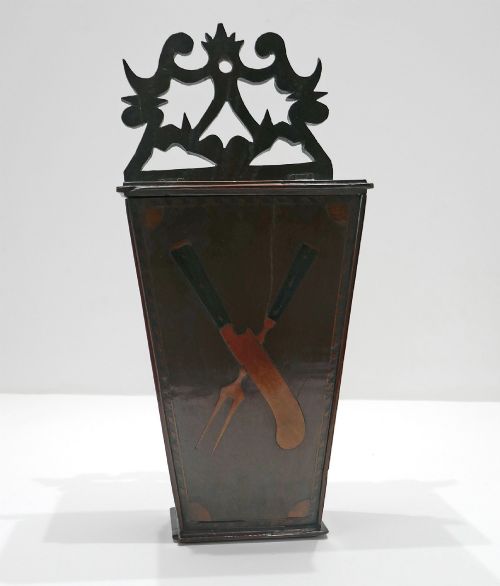
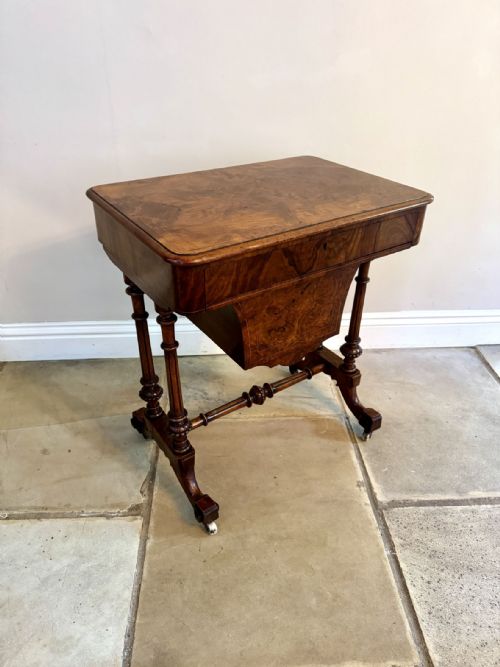
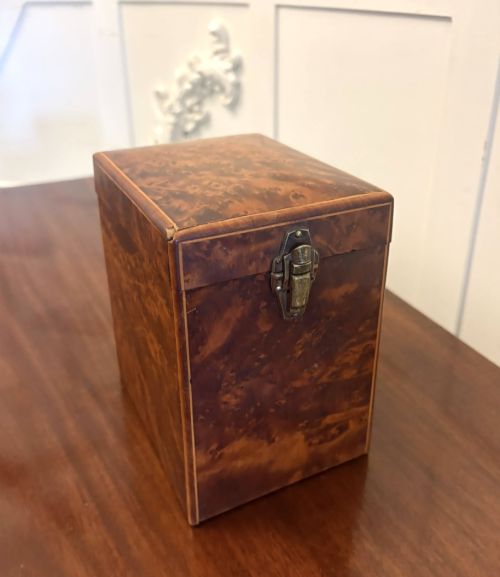
Surface finish and decorative detail separate standard containers from exceptional ones, particularly where hand-carved motifs, precise stringing, or specialised veneers like burr walnut remain well-preserved over generations.
Tahan
The Antique Wood Box Glossary
- Tea caddy
- A small lidded container designed specifically to store dry tea leaves securely. These boxes often feature internal compartments and lockable lids to protect expensive imported tea.
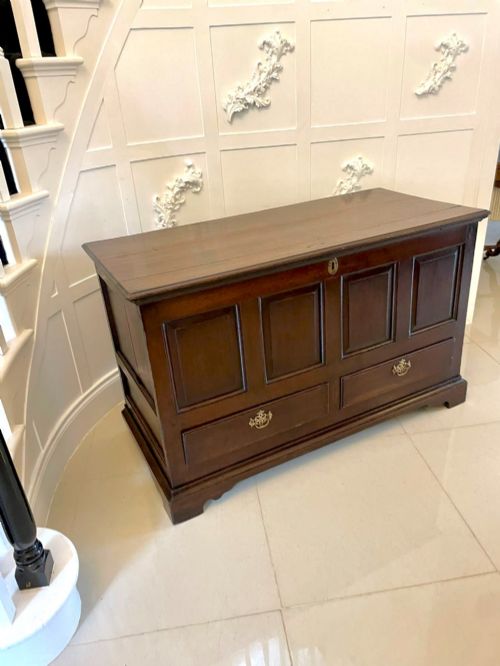
- Mule chest
- A storage chest featuring one or more drawers beneath the main lifting compartment. This form bridges the evolution between traditional blanket coffers and modern drawer chests.
- Coffer
- A heavy, robust wooden chest traditionally used for storing valuables, documents, or textiles. They typically feature sturdy plank construction and iron or brass hinges.
- Campaign trunk
- A portable storage chest built for military officers or travellers on the move. These pieces incorporate recessed brass handles, reinforced corners, and robust locking mechanisms.
- Cellarette
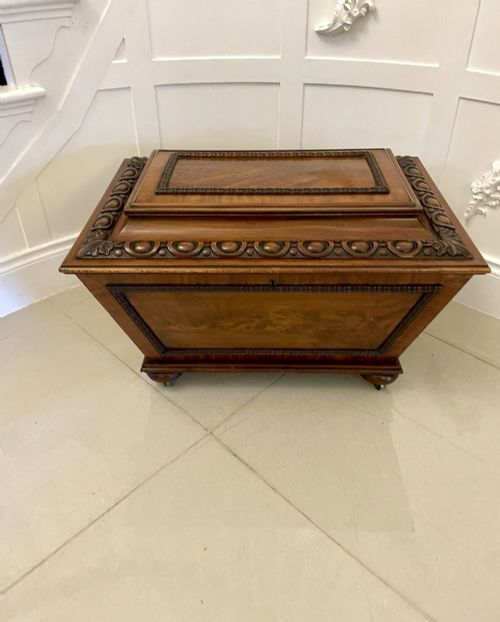
- A specialised cabinet or box designed to hold bottles of wine or spirits safely. Many examples include fitted internal partitions lined for temperature control or protection during transit.
Antique Wood Box: Frequently Asked Questions
How were tea caddies used?
Tea caddies held precious tea leaves under lock and key in formal reception rooms. Servants managed the supply while the host portioned the leaves.
Internal compartments separated different varieties of tea within a single container.
What is a mule chest?
A mule chest combines a top-opening blanket box with one or more lower drawers. This design improved access to stored linens without disturbing items piled on top.
Cabinetmakers developed this hybrid form during the seventeenth and eighteenth centuries.
Where were camphor wood chests made?
Camphor wood chests were produced in Asian trading ports and coastal regions for international export. Sailors and merchants valued the aromatic wood for protecting garments from moths.
Many examples travelled along maritime trade routes to European homes.
How do I care for antique wood?
Keep wooden boxes away from direct sunlight and sudden temperature shifts to prevent splitting. Maintaining stable indoor humidity preserves the original finish and structural joints.
Apply traditional wax sparingly to nourish the timber surface without building up residue.