


Antique Winter Scene
An antique winter scene brings frozen canals, snow-laden woodlands and quiet villages into a room through the brush of past centuries.
Antique Winter Scene
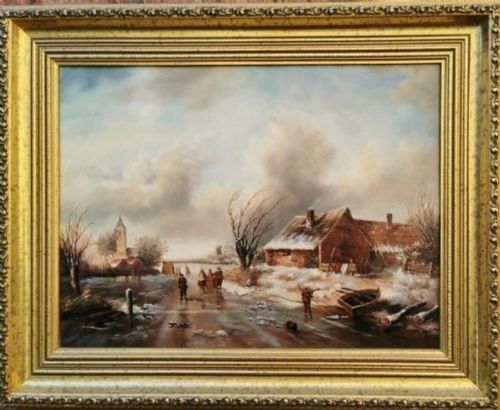
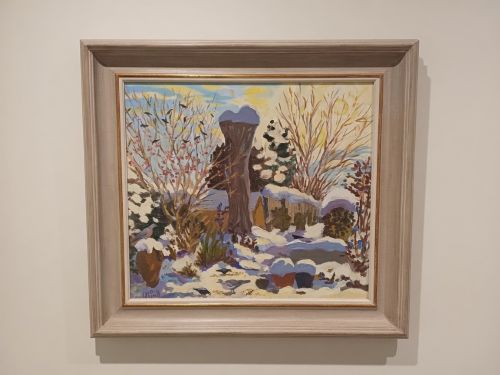
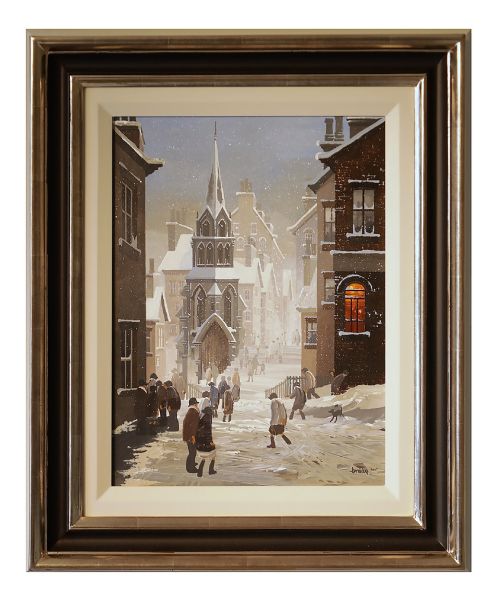
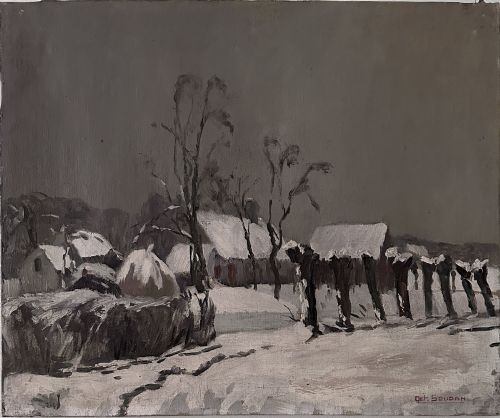
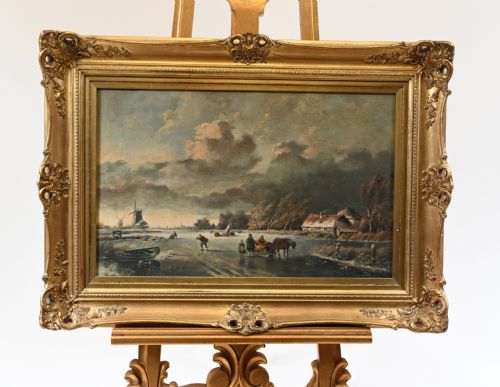
An antique winter scene primarily takes the form of oil paintings on canvas or board, alongside watercolours, gouaches, and pastels capturing snowy landscapes and frosty townscapes.
The selections span from the nineteenth century through the mid-twentieth century, with British Impressionist, Victorian, and Dutch School influences appearing frequently across the inventory.
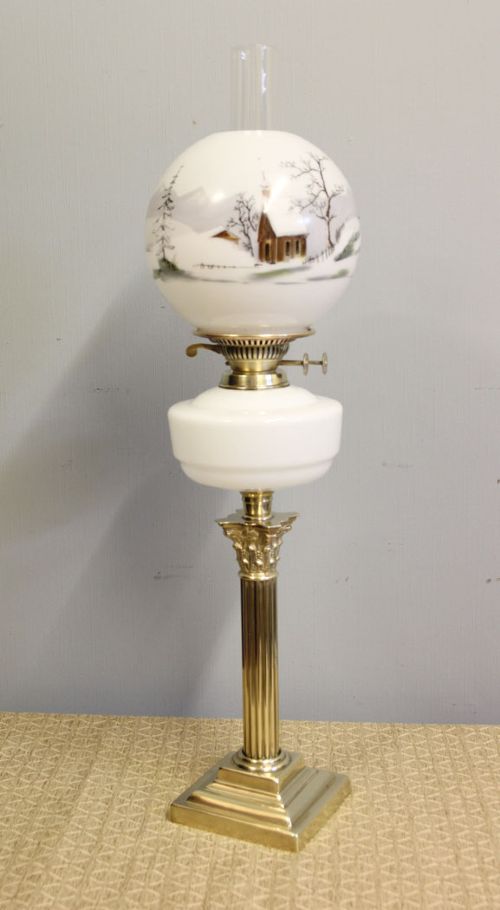
Alongside standard framed pictures, collectors encounter specialised items featuring these cold-weather motifs, including hand-painted glass windows, ceramic vases, oil lamps with decorated shades, and taxidermy displays.
Materials and Technique
Artists relied upon oil paint applied to canvas or wood panels to build up heavy textures of snow and ice, often using thick impasto to suggest drifts and frozen surfaces.
Watercolour and gouache on paper offer a lighter touch, capturing the pale light and atmospheric haze of short winter days through washes and fine detailing.
Decorative pieces utilise specialised techniques such as enamelling on glass or leaded construction to preserve cold-weather landscapes across functional objects.
Listings feature works executed in oil paint, watercolour, pastel, and leaded glass across the nineteenth and twentieth centuries.
Judging Quality
Quality rests upon the artist's ability to handle the difficult palette of snow, where light reflecting off ice requires subtle shifts in tone rather than plain white paint.
Composition and atmosphere separate standard decorative pieces from accomplished works, as stronger paintings convey the specific chill, damp air, and fading daylight of a winter afternoon.
The condition of the medium, whether the preservation of an oil painting's canvas and impasto or the crispness of a watercolour on paper, determines the longevity and integrity of the piece.
John Charles Maggs·Herbert Royle·William Tatton Winter·Anthonij Anton Mauve·Ernest Uden
The Antique Winter Scene Glossary
- Impasto
- Paint applied thickly to a canvas, standing out from the surface to create a tactile sense of texture such as deep snow drifts.
- Gouache
- An opaque water-based paint that provides solid, matte areas of colour in works on paper.
- Dutch School
- A tradition of painting focused on landscapes, genre scenes, and frozen waterways that heavily influenced later winter depictions.
- Taxidermy display
- Preserved animal specimens mounted within a constructed setting, occasionally depicting winter habitats with snow effects.
- Oviform
- Egg-shaped, a descriptive term often applied to ceramic vases and glass vessels.
Antique Winter Scene: Frequently Asked Questions
How do I date a winter landscape painting?
Dating relies upon stylistic clues within the brushwork, the clothing of any figures depicted, and the framing materials used by the maker.
Written signatures, labels on the reverse, and exhibition stamps often provide definitive markers to narrow down the decade of creation.
Are watercolours more fragile than oil paintings?
Works on paper require careful protection from direct sunlight and moisture to prevent fading and paper degradation over time.
Oil paintings on canvas or wood prove more resilient in varied environments, though both benefit from stable indoor humidity.
What subjects appear in these winter scenes?
Common subjects include frozen Dutch lakes with figures skating, rural cottages nestled among snow-covered fields, and bustling city streets on cold days.
Artists also frequently recorded stagecoaches struggling through snowstorms and shepherds moving livestock across winter pastures.
How should I display a glass winter scene piece?
Glass windows and vases decorated with snowy landscapes need placement away from heavy foot traffic and accidental impacts.
Positioning them to catch natural daylight highlights the painted enamel details and the translucency of the material.