



Vintage Nocturnal Art
Vintage nocturnal art captures the quiet gravity of the night, offering moody landscapes and moonlit scenes that transform any room.
Vintage Nocturnal Art
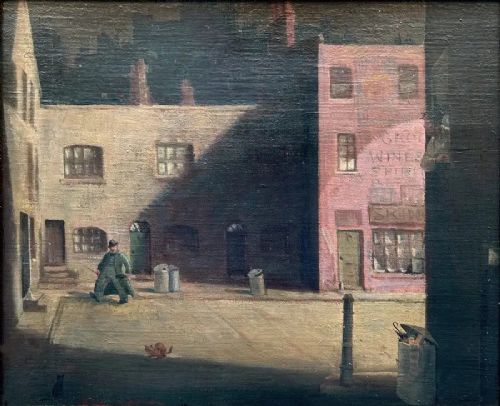
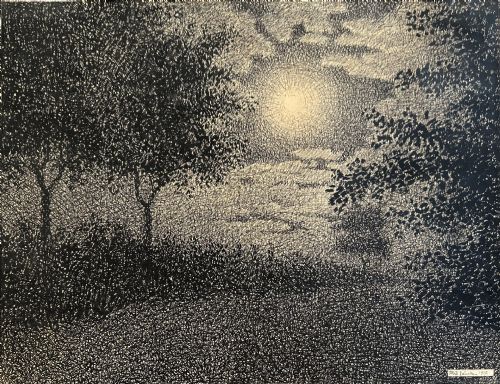
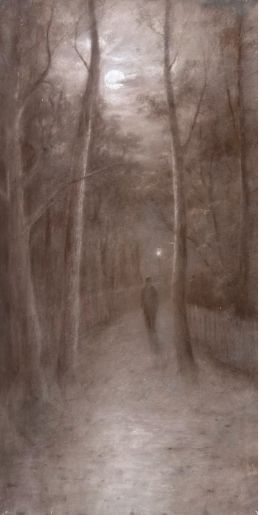
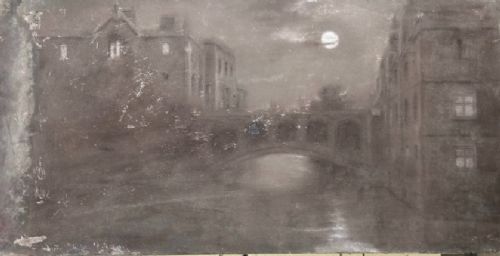
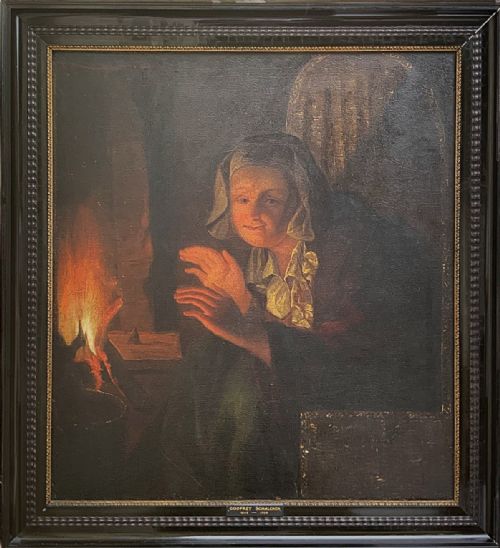
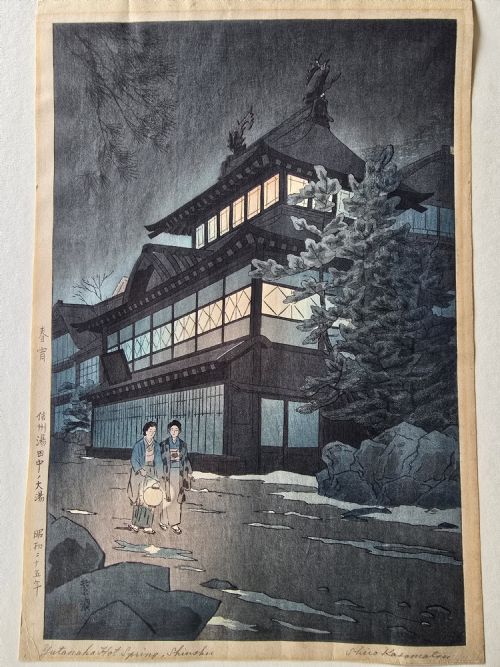
Vintage nocturnal art encompasses works produced across various decades, featuring moonlit scenes, nighttime streetscapes, and dark seascapes. Pieces span from Edwardian tonalism to mid-century modern interpretations, capturing the quiet of after-hours settings. Buyers frequently encounter oil paintings, charcoal drawings, and woodblock prints depicting the dark hours.
The selection ranges from early twentieth-century British landscapes to Japanese coloured woodblock prints and Dutch golden age inspired portraits. Media varies from ink and pastel to oil paint on canvas and paper. These works draw heavily on tonalism and impressionism to render the subtle light of the moon and streetlamps.
Assessing Quality and Execution
Superior works demonstrate a sophisticated handling of limited palettes, where deep blues, greys, and blacks convey atmospheric depth without losing detail in shadow. Weaker pieces rely on flat, uniform darkness that obscures form rather than defining it through subtle moonlight. The strength of the composition rests entirely on the artist's command of tone.
Material preservation heavily influences the standing of a piece, with stable paint layers and well-preserved paper surface finishes marking superior condition. Works showing careful draughtsmanship and confident brushwork in the depiction of night skies command greater artistic interest than hurried decorative productions.
Even ghosts appreciate a well-lit bridge of sighs, provided the charcoal stays firmly behind the glass.
Francisco Sancha·Shiro Katamatsu·William Manners·James Bell Anderson·William Samuel Horton·Owen Bowen·Hubert Thornley·Henri Joseph Harpignies
The Vintage Nocturnal Art Glossary
- Tonalism
- An artistic style that prioritises atmospheric mood and shadow, often using dark, muted palettes to depict landscapes at twilight or night. This approach shapes many works found in this category.
- Impressionism
- A style of painting that focuses on the visual impression of the moment, particularly the shifting effects of light and colour. It heavily influences the brushwork seen in these night scenes.
- Shin-Hanga
- A twentieth-century Japanese printmaking movement that revitalised traditional ukiyo-e techniques with western influences. Works in this tradition often depict nocturnal scenes with rich, layered pigments.
- Gouache
- An opaque water-based paint that dries to a matte finish, allowing artists to lay down solid areas of light against dark backgrounds. It frequently appears alongside pastel and ink in mixed media works.
- Impasto
- The process of laying paint thickly on a canvas so that it stands out from the surface. In nocturnal art, this technique helps build texture in moonlit clouds and glittering water.
Vintage Nocturnal Art: Frequently Asked Questions
What subjects appear in vintage nocturnal art?
These works typically show moonlit landscapes, quiet street scenes, and dark seascapes under the cover of night. Artists capture harbours, bridges, and castles shadowed by moonlight.
Subjects range from British country lanes and Venetian canals to Japanese prints and Dutch-inspired portraits. Each piece focuses on how darkness alters familiar daytime views.
How do I care for works on paper?
Works on paper, including charcoal drawings and woodblock prints, require protection from direct sunlight to prevent fading. Framing behind UV-resistant glass preserves the delicate pigments and paper integrity.
Keep these pieces in stable indoor environments away from excessive moisture and heat. Proper framing ensures the charcoal or ink media remains undisturbed.
How do I date these night scenes?
Dating relies on stylistic clues, artist signatures, and the materials used in the support and framing. Edwardian and early twentieth-century pieces often display distinct tonalist qualities and muted palettes.
Mid-century works shift towards bolder impressionist marks or precise printmaking techniques. Comparing the handwriting of signatures or inscriptions helps narrow down the production decade.
Where should I hang these dark pieces?
Dark paintings and prints excel in rooms with controlled accent lighting that highlights the subtle tonal shifts in the night sky. Placing them against neutral walls allows the deep blues and blacks to anchor the space.
They create an intimate atmosphere in studies, bedrooms, or dimly lit sitting rooms. Proper illumination brings out the hidden details in the shadows.