
Antique Wingback Reading Chair
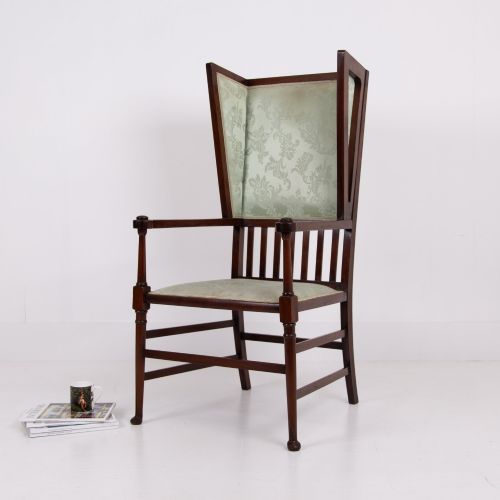
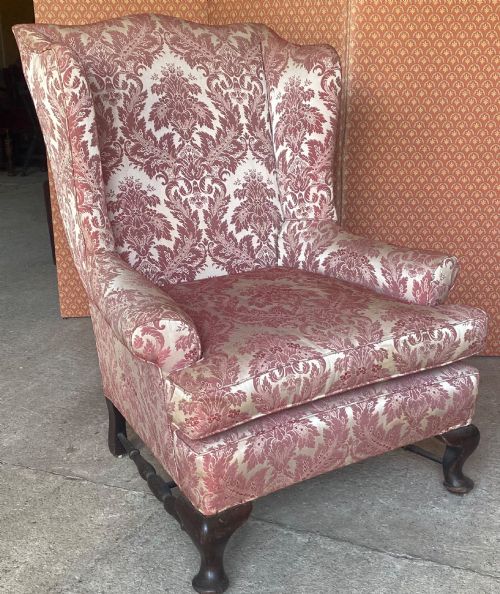
An antique wingback reading chair offers deep seating and side wings designed to block drafts, combining traditional comfort with period craft.
Antique Wingback Reading Chair
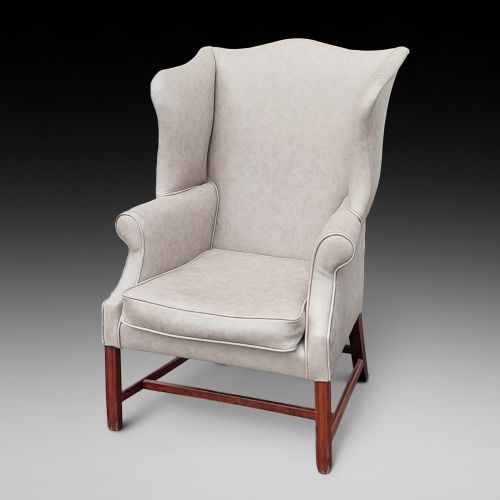
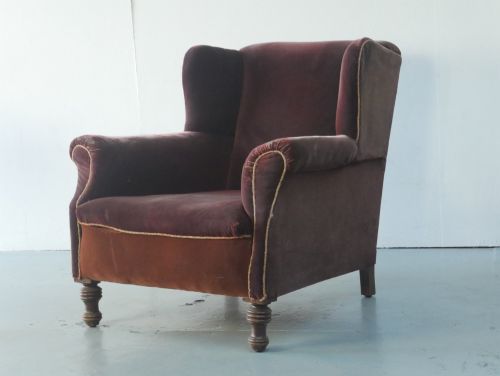
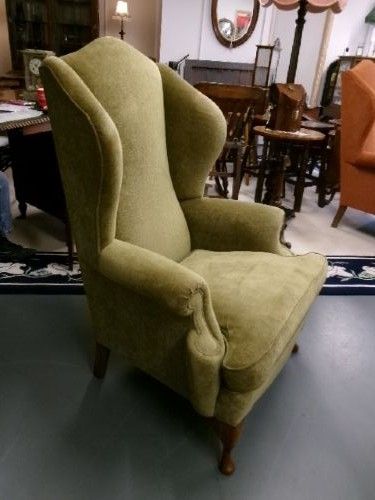
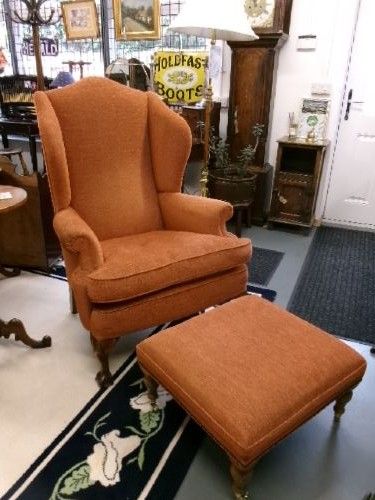
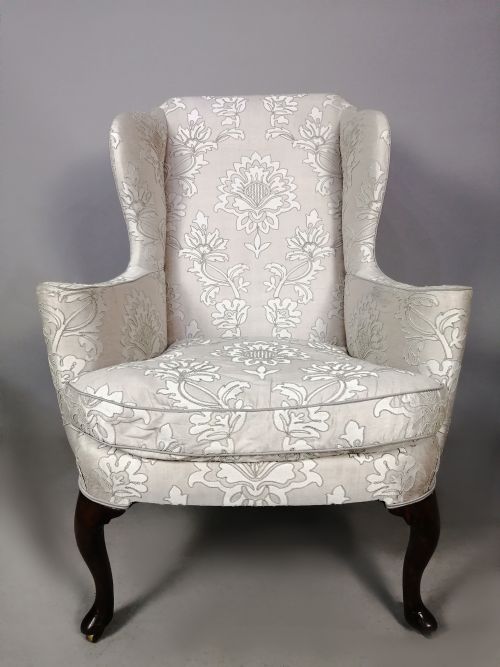
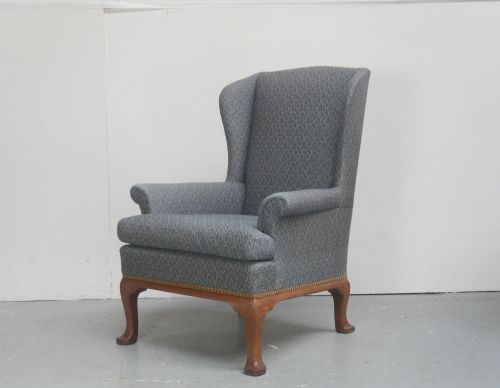
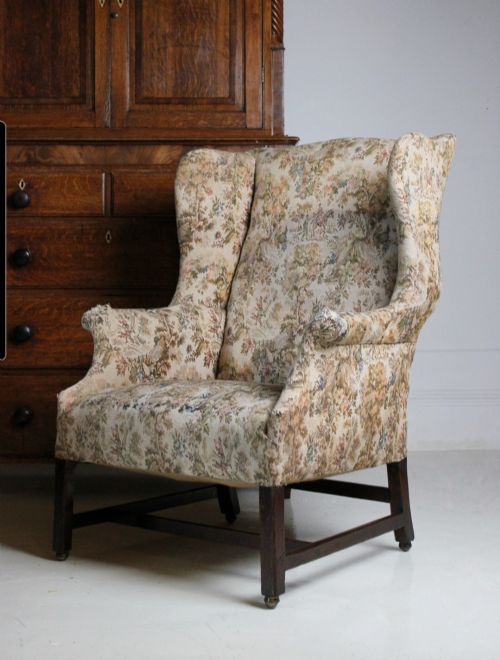
The antique wingback reading chair is an armchair featuring protective side panels designed originally to shield the sitter from drafts near open fires. Pieces carrying this description span from the 18th century through the Georgian, Victorian, and Edwardian eras, incorporating later revivals such as Queen Anne style.
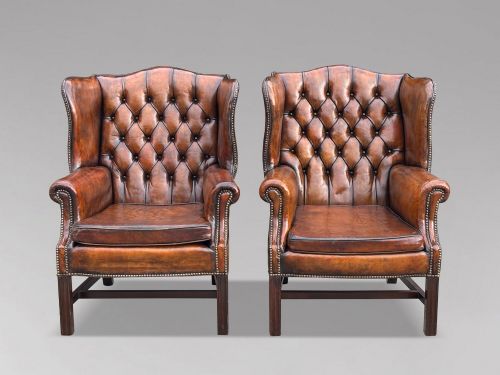
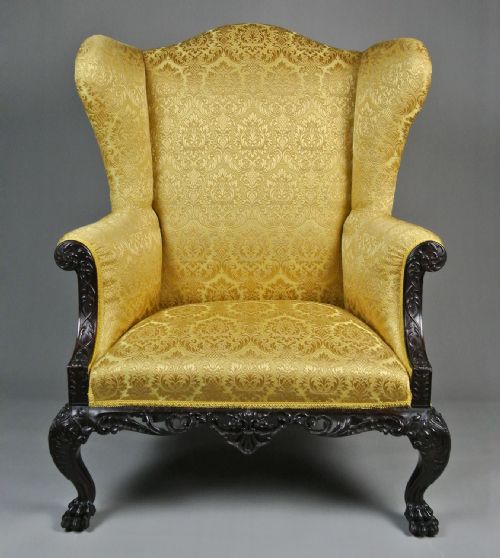
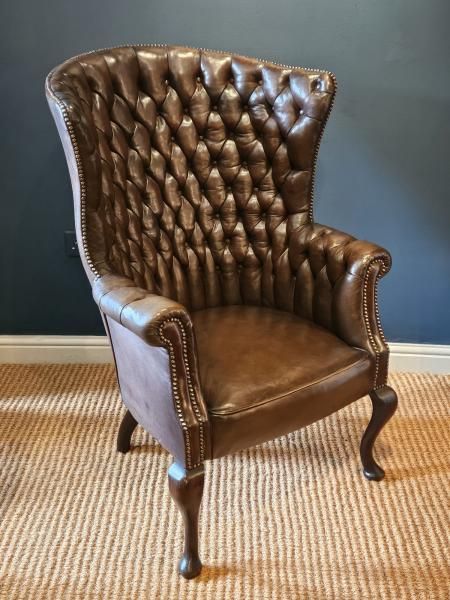
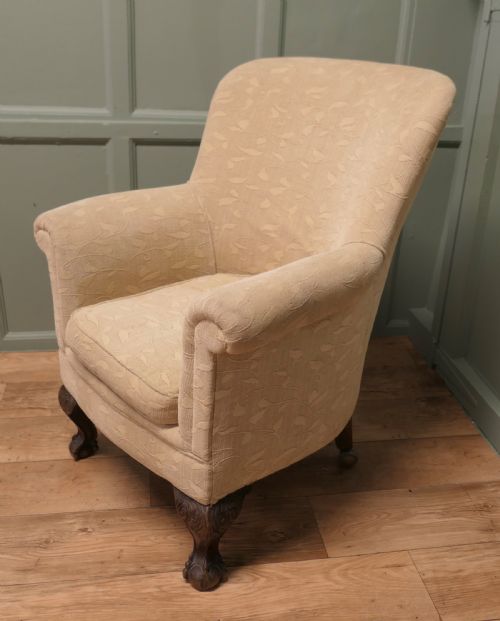
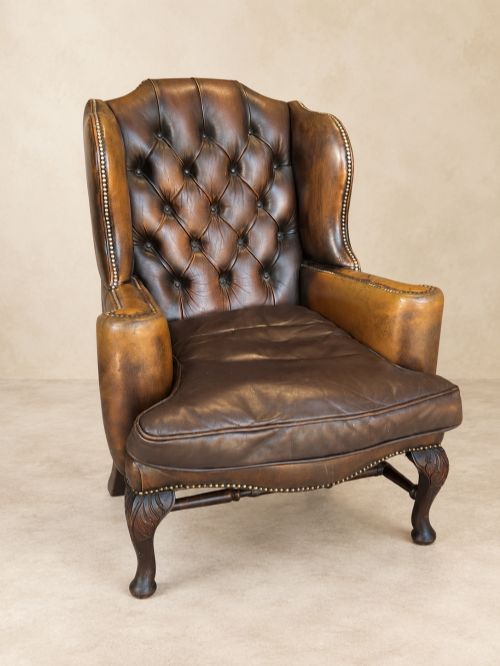
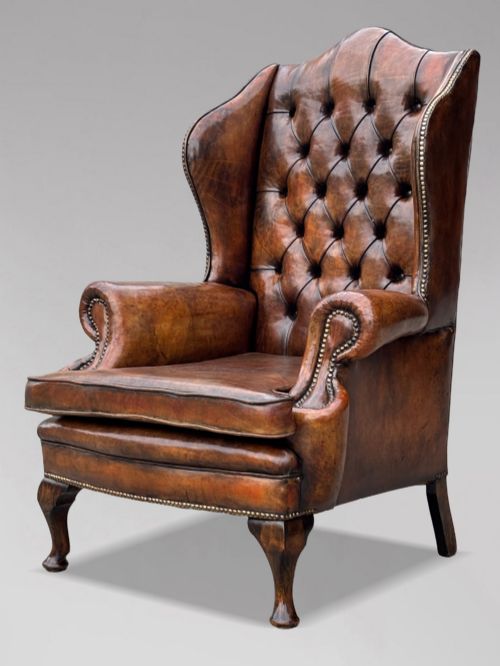
Buyers will encounter various structural forms on this page, including heavy mahogany frames, walnut cabriole leg variants, and button-backed leather seating. The proportions range from large scale English examples to occasional tub and library chairs built for domestic studies.
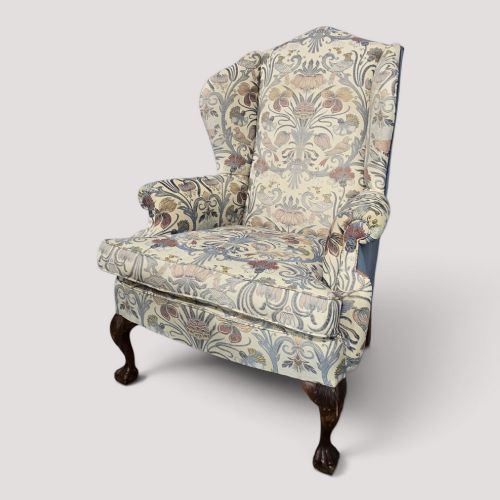
Origin details in the inventory point towards English and French workshops, utilising traditional timber frames upholstered in leather, velvet, floral fabric, and modern calico covers. Certain items display specific regional influences, such as the Irish manner or French Louis XV style.
Assessing build quality and execution
Quality variation rests in the precision of the timber frame carving, the integrity of the joinery, and the authenticity of the materials. Pieces featuring finely carved cabriole legs or original structural timber demonstrate superior cabinetmaking skill compared to later utility builds.
The execution of the upholstery and the choice of covering material further distinguish the range. Hand-finished leather buttoning and period-appropriate textiles reflect a higher standard of craftsmanship than generic replacement coverings.
One historic armchair even arrives with documented provenance straight from a French chateau.
Howard And Sons
The Antique Wingback Reading Chair Glossary
- Cabriole leg
- A furniture leg that bends outward in a convex curve and tapers inward to a foot, typical of Georgian and Queen Anne designs. This shape mimics animal limbs and provides sturdy support without heavy stretchers.
- Wingback
- An armchair style featuring high sides and projecting panels attached to the arms to trap heat and block room drafts. The wings evolved to protect the sitter's head and face from fireplace sparks or cold air currents.
- Button back
- An upholstery technique where deep buttons are pulled tightly through the padding and secured to create a diamond pattern. This method keeps the internal filling evenly distributed while adding firm support.
- Mahogany
- A durable tropical hardwood used extensively in 18th-century and 19th-century furniture framing. Its deep reddish-brown colour and fine grain make it ideal for intricate carving.
Antique Wingback Reading Chair: Frequently Asked Questions
How do I identify a Georgian wing chair?
Georgian examples typically display sturdy mahogany or walnut frames, often featuring characteristic cabriole legs and traditional leather or heavy fabric upholstery. Examining the joinery and timber grain helps confirm the period.
Makers of this era prioritized functional proportions and classic silhouettes, keeping ornamentation restrained compared to later Victorian interpretations.
What materials are used for upholstery?
Listings show a primary reliance on brown and tan leather, alongside velvet, floral fabric, and chenille twill. Interior padding frequently incorporates feathers for support.
Original coverings are valued by collectors, though many period frames arrive newly upholstered in supportive textiles like calico.
Where were these armchairs placed originally?
These seats were positioned close to fireplaces in libraries, studies, and drawing rooms. The side wings trapped hearth heat while blocking cold room draughts from reaching the sitter's upper body.
Their substantial scale made them primary pieces for reading rooms and formal domestic spaces.
Are Victorian models different from 18th-century versions?
Victorian iterations frequently introduce button-backed leather and heavier proportions, reflecting the interior design tastes of the 19th century. They build upon earlier Georgian and Queen Anne structural foundations.
Earlier 18th-century pieces tend to feature cleaner lines and specific regional accents, such as carving executed in the Irish manner.