


Antique Wine Server
An antique wine server brings the ceremony of the bottle to the table, offering a vessel or stand designed to hold and pour wine with grace.
Antique Wine Server
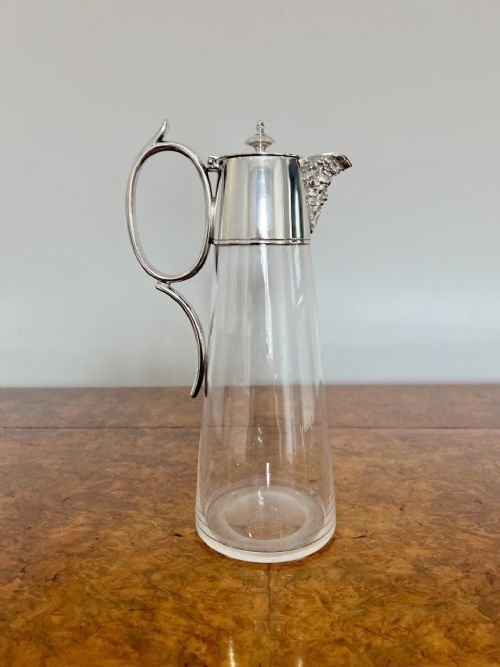
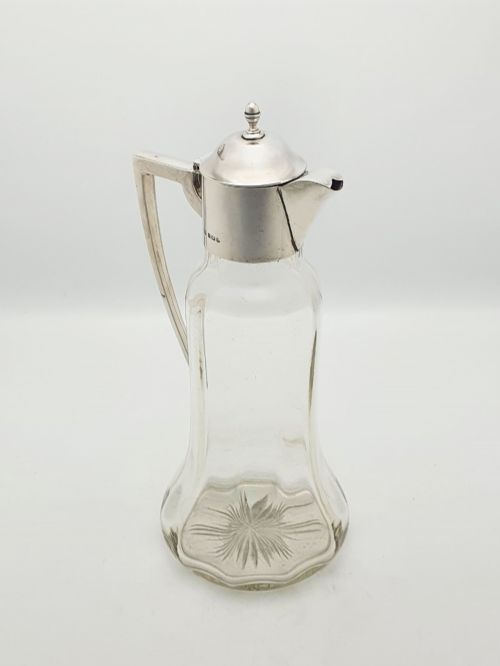
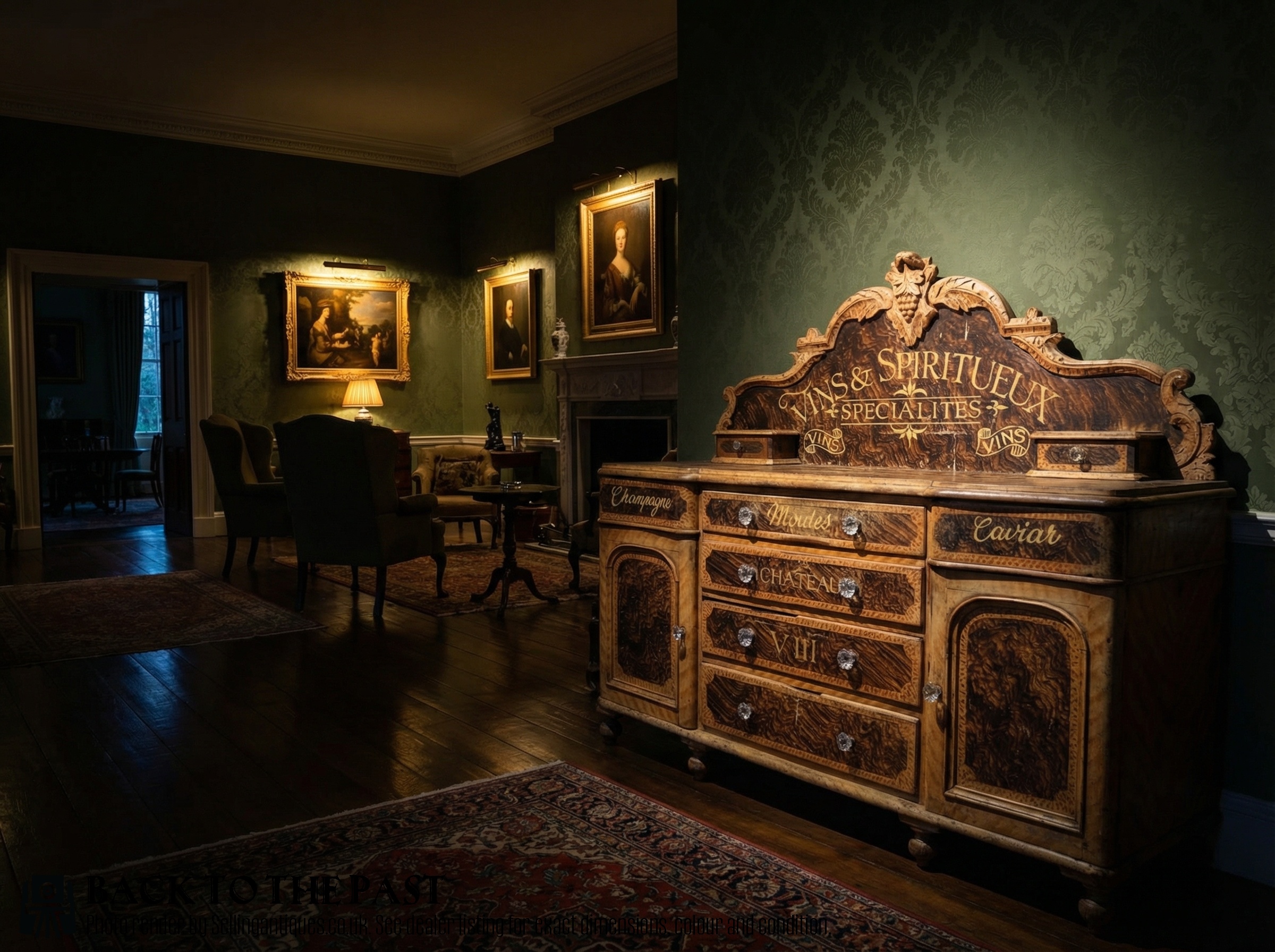
When you search for an antique wine server, you encounter a varied group of serving pieces rather than a single uniform form. The listings divide primarily between glass vessels mounted in silver or silver plate and substantial wooden furniture designed to house bottles.
The most common form on this page is the claret jug, typically combining a cut glass or crystal body with a silver-plated or sterling silver mount and handle. Alongside these pourers, the selection includes wine bottle caddies, cellarette tables, sideboards, and drinks tables from the Georgian, Victorian, and Edwardian eras.
The materials and styles span several centuries, reflecting changing tastes in hospitality from George III mahogany down to Art Deco silver plate. Whether you need a table for chilling bottles or a jug for the dining table, these pieces serve the same social ritual.
How they were made
Makers shaped these items using glass, precious metals, and dense hardwoods. Glass bodies were often heavy-cut or engraved with botanical motifs, whilst mounts utilised cast and chased sterling silver or silver plate.
Wooden items rely on traditional cabinet-making methods, employing figured mahogany, oak, and walnut with brass hardware. Inlaid details and metamorphic mechanisms add complexity to tables and cellarettes.
Materials span cut glass, crystal, sterling silver, silver plate, brass, mahogany, oak, and walnut across multiple eras.
What varies in quality
The distinction between ordinary and superior pieces rests on the weight of the metal and the clarity of the glass. Heavy crystal bodies with deep hand-cut facets indicate better work than light, thin-pressed glass.
In silver-plated items, the thickness of the plating and the crispness of the mount's cast decoration define the standard. Wooden servers achieve distinction through fine timber selection, restrained inlay, and the smooth operation of drawers or drop-in cooling liners.
The Antique Wine Server Glossary
- Claret jug
- A pouring vessel specifically for red wine, usually featuring a glass body with a metal handle, collar, and hinged lid. They range from simple Victorian glass to ornate Edwardian silver mounts.
- Cellarette
- A lockable container or small piece of furniture designed to hold wine bottles near the dining table. Georgian examples often sat on the floor beneath a sideboard.
- Latticinio
- A glass-making technique involving opaque white or coloured glass threads twisted within a clear glass matrix. It appears in mid-nineteenth-century champagne jugs.
- Rafraichissoir
- A French wine or champagne table equipped with metal liners or ice buckets inset into the top. These allowed bottles to chill right beside the dining company.
- Wine bottle caddy
- A metal frame or basket designed to hold and transport a wine bottle from the sideboard to the table. Silver-plated caddies were popular in the late nineteenth century.
Antique Wine Server: Frequently Asked Questions
What is a claret jug?
A claret jug is a pouring vessel designed specifically for serving red wine at the table. It typically consists of a glass or crystal body fitted with a metal handle, collar, and hinged lid.
These jugs became particularly popular during the Victorian and Edwardian periods for formal dining. They allow wine to breathe while providing an ornate centrepiece for the table.
How do I use a wine server?
Wine servers such as claret jugs and decanters are used to pour wine smoothly during meals. Wooden servers and caddies organise and transport bottles from storage to the dining area.
Many period pieces remain fully functional for modern dining and entertaining. Hand washing is generally required to preserve fragile glass and antique silver plate.
What materials are used?
These pieces primarily combine glass or crystal with silver plate and sterling silver mounts. Wooden servers utilise hardwoods such as mahogany, oak, and walnut.
Brass fittings, lead crystal, and engraved glass details frequently appear across the selection. The combination of glass and metal defines most of the pouring vessels.
How do I date a wine server?
Dating relies on stylistic clues, hallmarks on metal mounts, and manufacturing techniques. Victorian and Edwardian pieces often display registration marks or specific maker stamps on the silver.
Cabinet furniture is dated by timber choice, construction methods, and decorative styles like Art Nouveau or Louis XVI. Comparing the cut of the glass also helps determine the period.