
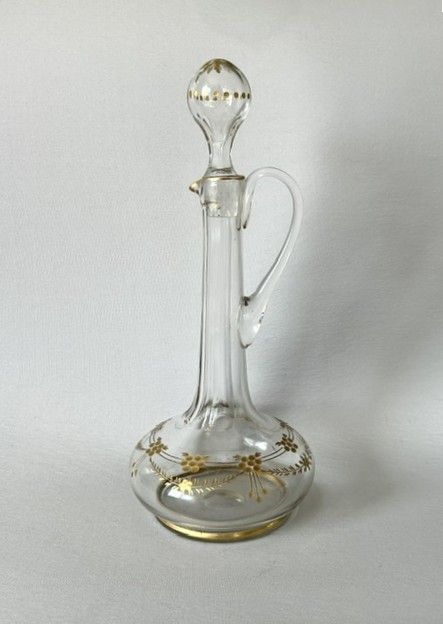


Antique Wine Pitcher Stopper
An antique wine pitcher stopper is a functional closure for serving vessels, representing the craftsmanship of glassmakers and silversmiths across the Victorian, Edwardian, and Art Deco periods.
Antique Wine Pitcher Stopper
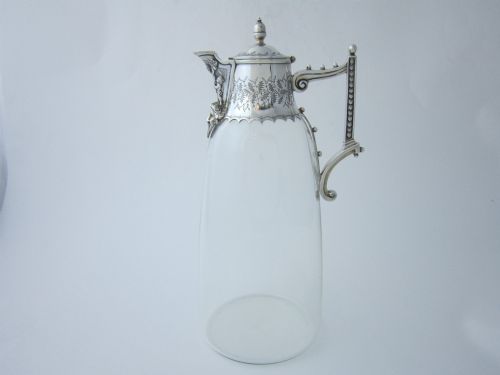
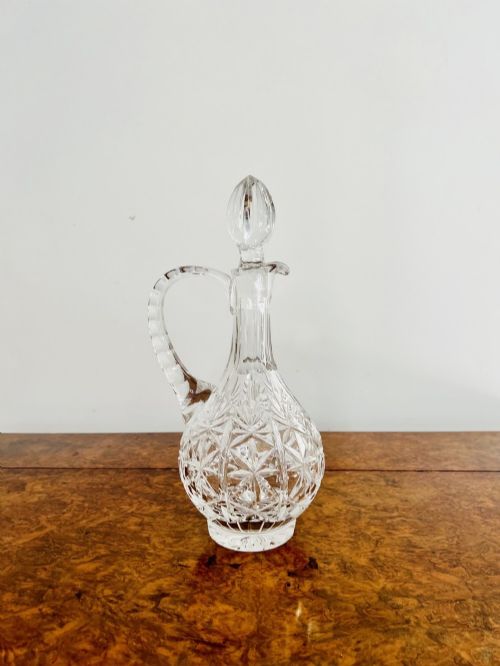
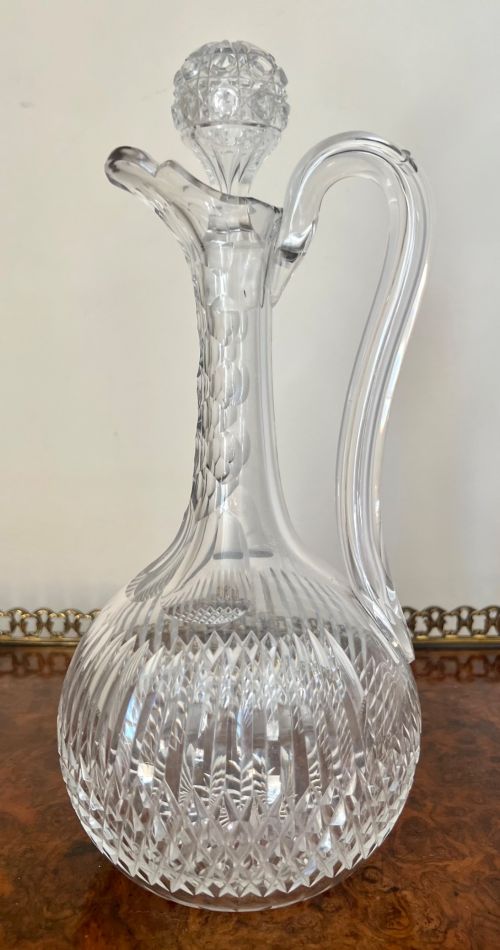
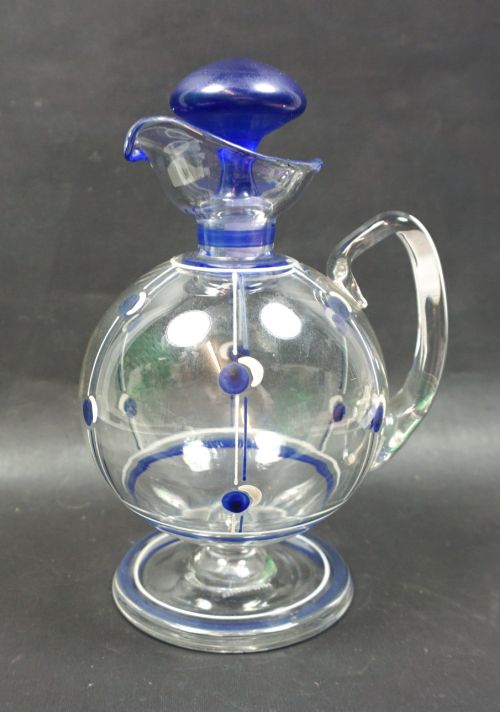
When you search for an antique wine pitcher stopper, you are looking at components belonging to serving vessels such as claret jugs, ewers, and decanters. The pieces listed on this page span the nineteenth century, the Edwardian era, and the nineteen-thirties, taking forms that served dining tables across Britain and Europe.
You are most likely to meet cut glass and crystal jugs alongside cranberry glass and enamelled vessels. These items encompass Victorian, Edwardian, Art Deco, and Bohemian styles, representing a wide span of domestic serving history.
Materials and construction
Glassmaking techniques define these pieces, utilising clear glass, lead crystal, and coloured glass such as cranberry and amber varieties. Artisans employed cutting methods to create faceted surfaces that catch the light during service.
Mounts and embellishments incorporate sterling silver, silverplate, enamel decoration, and gilding. These metals and pigments provide contrasting details against the transparent or coloured glass bodies.
The listings on this site feature glass, cut glass, crystal, enamel, and sterling silver materials spanning the Victorian and Edwardian periods.
Distinctions in craftsmanship
The precision of the glass cutting and the clarity of the crystal set the standard for finer examples. Hand-painted enamel work and careful gilding also indicate higher levels of artisan effort.
The integration of sterling silver mounts and the weight of the lead crystal contribute to the substance and balance of the vessel. Heavier materials and refined decorative motifs separate standard production items from superior pieces.
The Antique Wine Pitcher Stopper Glossary
- Claret jug
- A vessel specifically designed for serving red wine at the table. These often feature silver mounts and handle assemblies.
- Ewer
- A large jug with a wide spout, historically used for water or wine. Many Victorian and Edwardian examples utilise cut glass bodies.
- Cranberry glass
- A rich red glass produced by adding gold chloride to the molten batch. It appears frequently in nineteenth-century decanters and jugs.
- Lead crystal
- Glass containing lead oxide, which increases brilliance and weight. This material allows for deep, sharp decorative cutting.
- Silverplate
- A base metal coated with a thin layer of silver. It provides the appearance of solid silver on many nineteenth-century jugs.
Antique Wine Pitcher Stopper: Frequently Asked Questions
How do I date a glass decanter?
Dating relies on stylistic markers, glass coloration, and any associated metalwork or hallmarks.
Victorian and Edwardian pieces exhibit distinct cutting patterns and mounting techniques compared to later Art Deco designs.
What is cranberry glass?
Cranberry glass is a pinkish-red decorative glassware created through the addition of gold during melting.
It became popular during the Victorian period for decanters, ewers, and tableware.
Are these jugs suitable for daily use?
These vessels were originally made for serving wine at formal dining tables.
Living with them involves careful hand washing to preserve the historical glass and metal components.