


Antique Wine Bottle Ticket
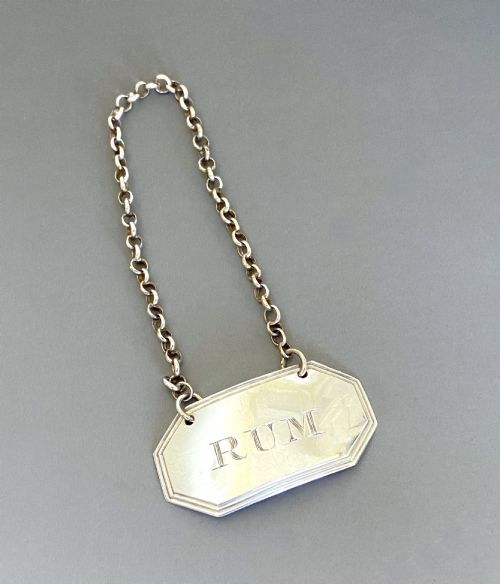
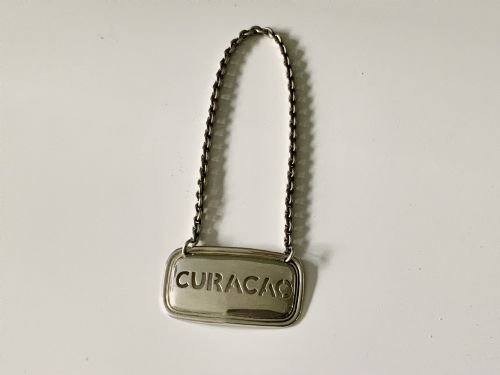
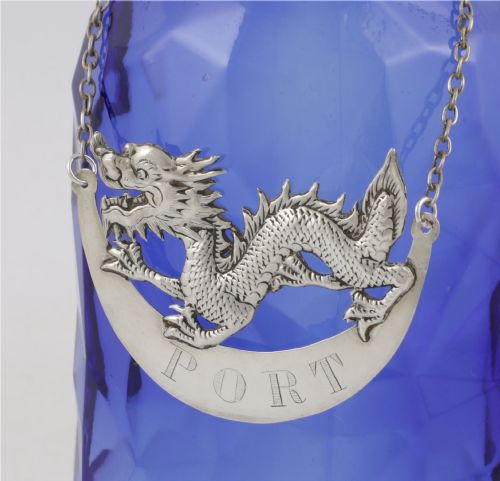
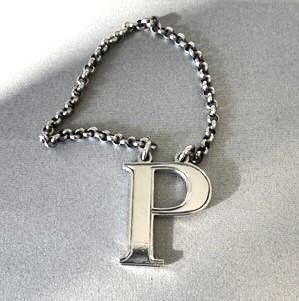
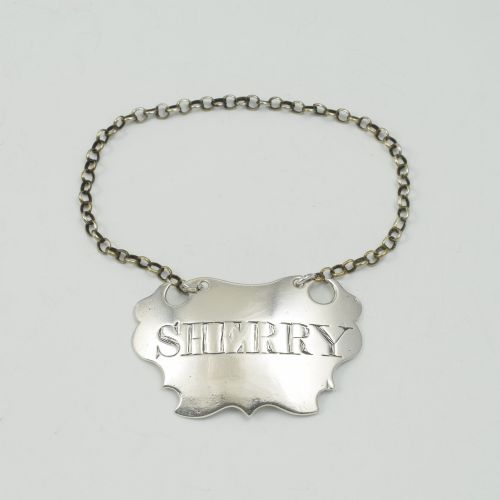
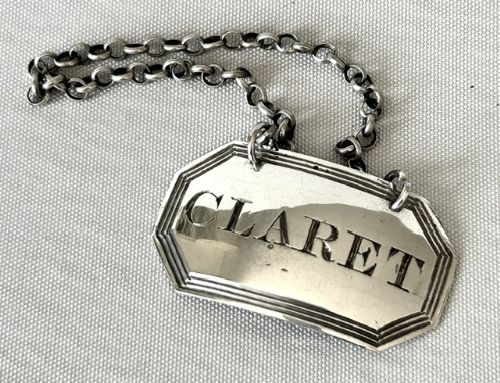
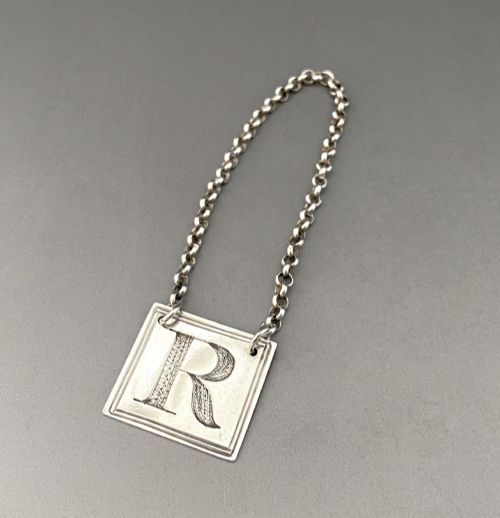
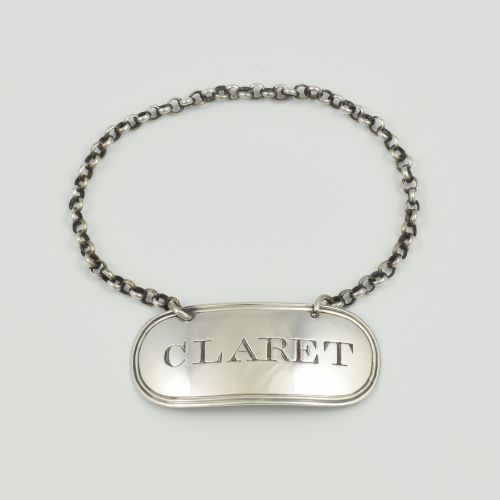
An antique wine bottle ticket is a small piece of silver that sits upon a decanter neck to name the contents.
Antique Wine Bottle Ticket
An antique wine bottle ticket, also known as a decanter label, hangs from a fine chain around the neck of a glass vessel to identify the drink within. These small silver tags date across the Georgian, Regency, and Victorian periods, reflecting the shifting tastes of British dining rooms and cellars. The forms vary from escutcheons and vine leaves to simple rectangular shields bearing titles such as Port, Sherry, Claret, and Madeira.
The versions most commonly met on this page originate from the Georgian and Victorian eras, rendered in sterling silver or solid silver. Makers shaped them with pierced borders, chased fruit motifs, or plain surfaces intended for personal monograms. Alongside standard British hallmarked pieces, collectors encounter regional Scottish examples, Chinese export silver, and occasional enamel or silver gilt variations.
How they were made
Silversmiths utilised sterling silver and solid silver sheets, cutting the desired outline with shears before applying piercing, stamping, or hand-chasing techniques. The decorative borders often feature cast vine leaves, grapes, or neoclassical swags soldered directly to the main plate. Titles were engraved by hand or stamped using steel punches, leaving crisp sunken letters that could be darkened for legibility.
Finer examples incorporated silver gilt to provide a contrasting golden finish against the polished silver, while others paired metal tags with teal glass bottles. Chains were linked by hand to secure the label around the decanter neck without scratching the crystal. Maker marks, lion passant hallmarks, and date letters were stamped on the reverse to record the silversmith and the year of assay.
A miniature silver rum label inscribed with the defiant title 'One Go'.
What varies in quality
The distinction between ordinary and superior pieces rests upon the crispness of the chasing and the prominence of the maker. Master silversmiths produced thicker silver plates with deeply defined vine leaves and sharply pierced lettering rather than thin, pressed metal. The presence of clear, matching hallmarks for London, Edinburgh, or provincial towns adds considerable weight to a piece.
Unusual titles and specialised spirits, such as Hock or Moselle, elevate the interest above common designations like Sherry or Port. Complete sets bearing matching maker marks and original silver chains demonstrate greater integrity than mismatched groupings assembled later. The quality of the engraving on the name panel dictates whether the script remains sharp or shows the softening of excessive polish over centuries.
Elizabeth Morley·Tiffany·Digby Scott Benjamin Smith·Thomas Wallis II·Peter Anne Bateman·Mappin And Webb
The Antique Wine Bottle Ticket Glossary
- Escutcheon
- A shield-shaped decanter label often used during the Georgian period for naming wine.
- Silver Gilt
- Sterling silver that has been coated with a thin layer of gold, creating a two-tone finish.
- Hallmark
- A series of official marks stamped into silver to indicate the maker, standard of purity, and assay office.
- Decanter Label
- An alternative term for a wine bottle ticket, hung by a chain to identify the contents.
- Chasing
- A metalworking technique where details are hammered into the front surface of the silver to create raised patterns.
Antique Wine Bottle Ticket: Frequently Asked Questions
How were wine tickets used?
They hung around the necks of glass decanters by fine silver chains to distinguish between red and white wines at the dinner table. This prevented confusion when bottles lacked paper labels or when decanted liquor looked identical in candlelight.
Hosts used them to guide guests through a succession of ports, sherries, and Madeiras served during formal Georgian and Victorian meals. The chain allowed the tag to dangle freely without slipping off as wine was poured.
How do I date a silver label?
Dating relies on the assay office hallmarks stamped into the reverse of the silver, which include date letters and maker marks. London and Edinburgh halls recorded specific ciphers for each year, alongside the lion passant indicating sterling standard.
Stylistic clues also help narrow the period, as Georgian pieces favour neoclassical shields while Victorian versions lean towards heavy vine leaf motifs and naturalistic flora.
Are these pieces made of solid silver?
The majority of listings on this page consist of sterling silver or solid silver, marked to meet British hallmarking standards. Makers occasionally used silver gilt to add a rich golden contrast to the engraved title panel.
While most are entirely silver, some Victorian entries pair the silver neck mounts with teal glass bottles or enamel detailing. Plated base metals are absent from these traditional British pieces.
How should I clean antique silver?
Gentle maintenance preserves the patina and engraved lettering accumulated over centuries of use. Avoid harsh abrasive dips that strip away the dark highlights within stamped maker marks and titles.
A soft cloth and mild silver cleaner applied sparingly will remove excessive tarnish without damaging the original chasing or the delicate suspension chains.