

Antique Window Seat Bench
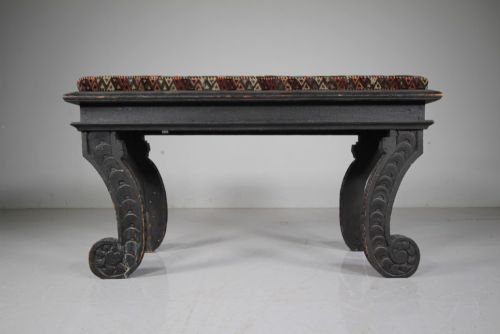
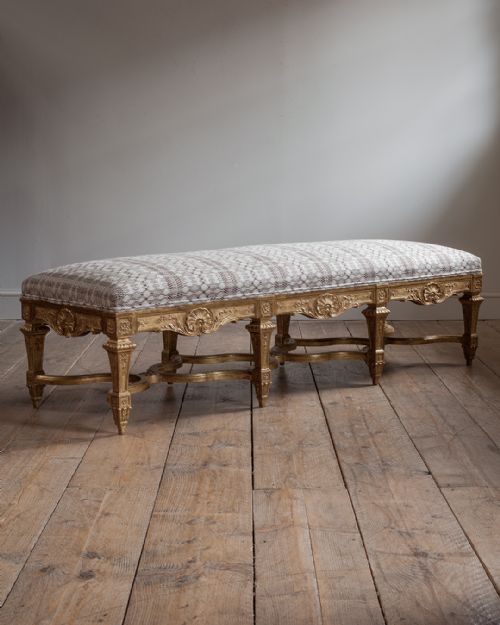
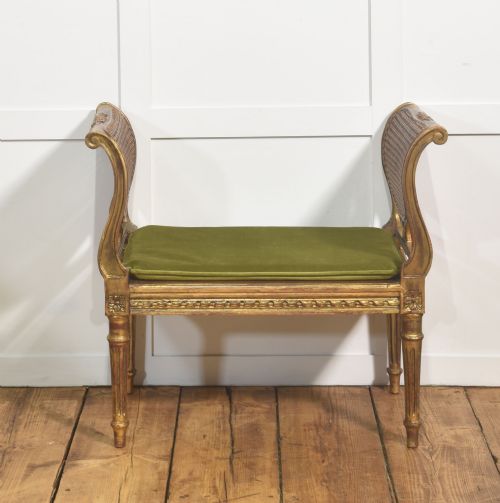
When you search for an antique window seat bench, you find long stools, low settees, and padded benches designed to sit beneath sills.

Antique Window Seat Bench
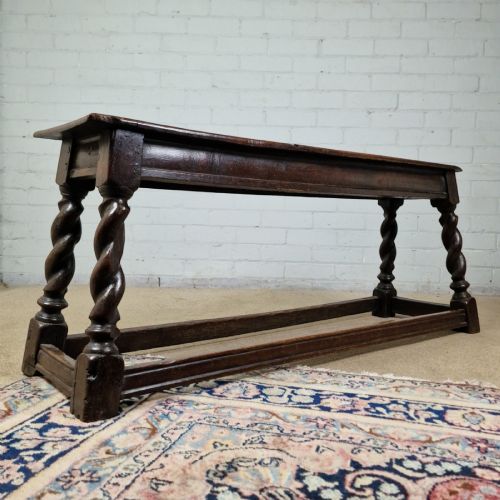
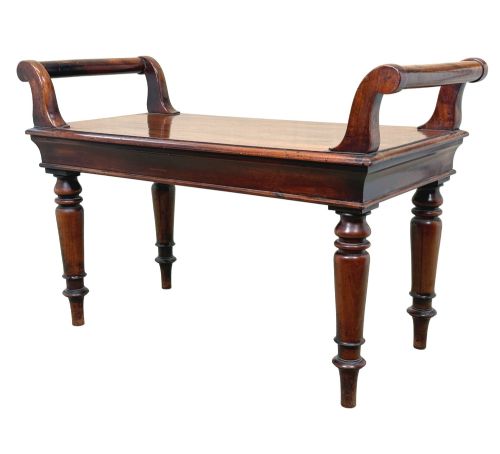
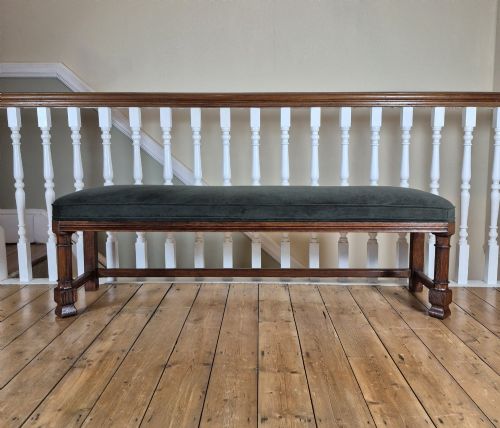
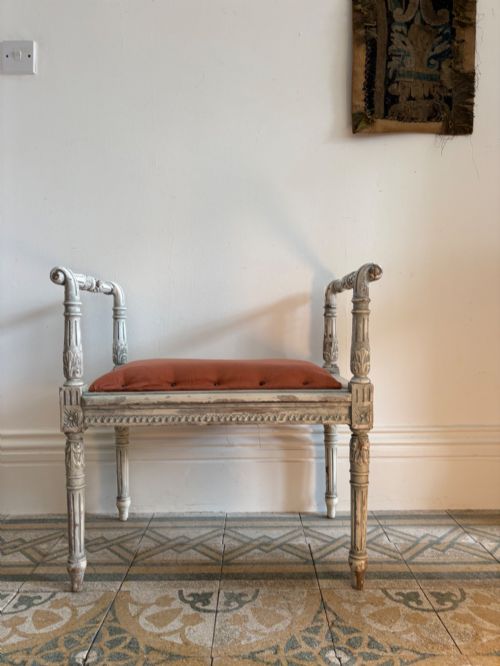
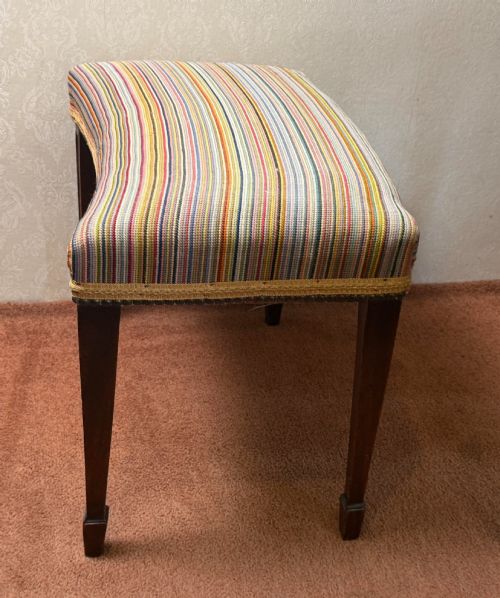
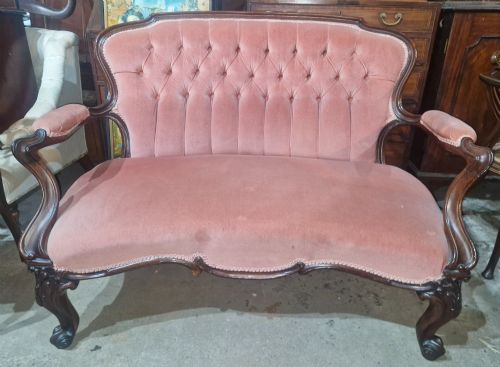
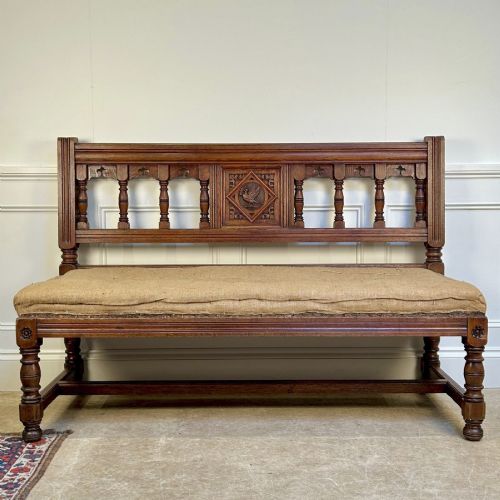
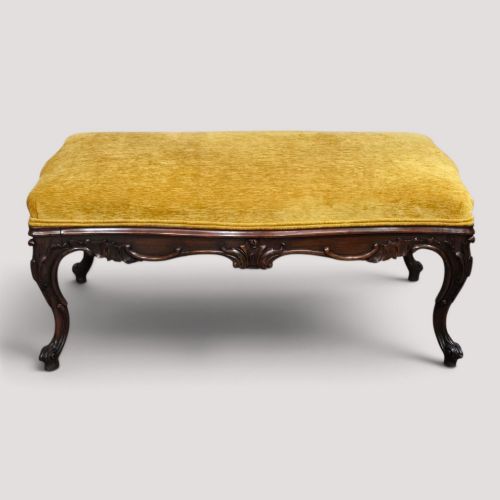
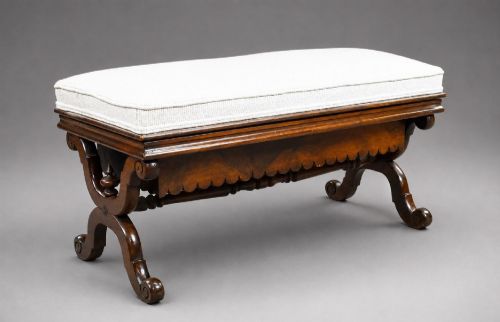
An antique window seat bench serves as low-profile seating built to fit beneath low sills without blocking light, appearing frequently in 19th-century and Edwardian forms. These pieces bridge the gap between a standard chair and a long stool, often taking the shape of an open frame with upholstered tops.
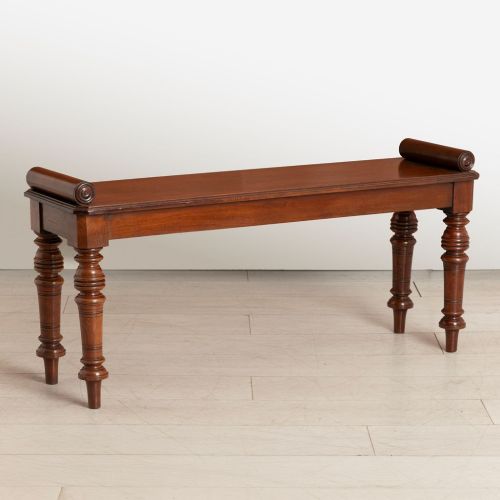
The versions most common on this page span the Victorian and Regency periods, utilising mahogany, oak, and walnut frames. Many examples double as hall benches or duet music stools, carrying elongated proportions suited to narrow spaces.
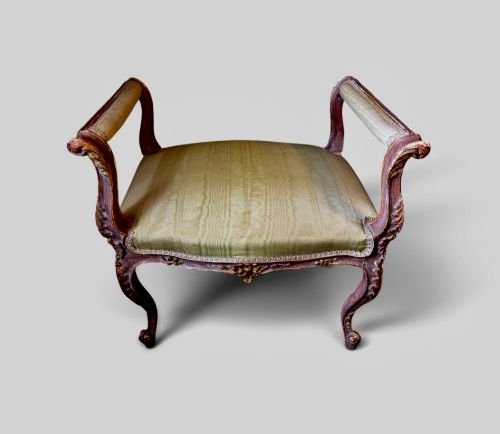
Makers produced these seats in styles ranging from Gothic Revival and Rococo Revival to clean-lined Edwardian designs. Buyers encounter everything from simple painted pine frames to elaborate giltwood and cane constructions.
How they were made
Cabinetmakers constructed these frames using dense timbers like mahogany, oak, and walnut, frequently employing hand-carved details and turned legs. Joinery relied on traditional mortise and tenon methods to support weight across extended spans without sagging.
Upholstery techniques involved webbing and horsehair stuffing beneath textile layers, linen, or silk. Finer pieces incorporated cane work panels or buttoned padding secured with brass tacks.
Antique Window Seat Bench Retail Price Guide 2026
Typical asking prices for window seat bench among the pieces listed under this phrase on Sellingantiques today, from the lower quarter to the upper quarter. They describe what is for sale here now, not the wider market.
Current listings feature pieces spanning the 18th century through the Edwardian era, constructed from oak, mahogany, walnut, and painted wood.
What varies in quality
The distinction between ordinary and exceptional pieces rests in the sharpness of the timber carving and the integrity of the frame construction. Superior examples display crisp joinery and choice timbers such as burr maple or figured rosewood rather than plain secondary woods.
Upholstery execution and the retention of original surfaces dictate the desirability of a piece. Hand-carved flourishes executed with depth and precision separate workshop output from mass-produced late variants.
GIllows·James Shoolbred & Co.·Charles Nosotti
The Antique Window Seat Bench Glossary
- Giltwood
- Wood coated with a thin layer of gold leaf or gilt paint. This finish appears frequently on decorative Regency and revival frames.
- Cane
- Woven rattan material used to form breathable seat inserts or back panels. It adds lightweight texture to wooden frames.
- Duet stool
- An elongated seat designed for two people playing a piano together. These often feature hinged seats revealing internal storage compartments.
- X-frame
- A structural base formed by intersecting diagonal legs resembling the letter X. This form provides lateral stability on long window seats.
- Ottoman box seat
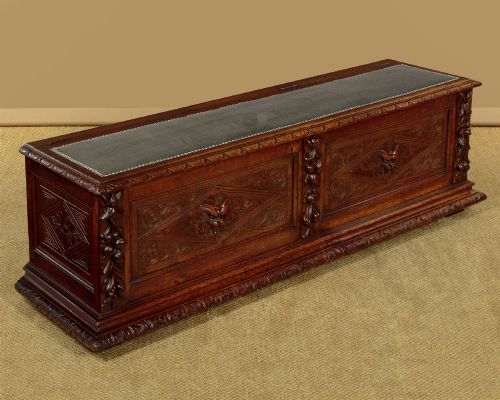
- A bench fitted with a hinged lid providing internal storage beneath the cushion. These combine seating utility with hidden storage capacity.
Antique Window Seat Bench: Frequently Asked Questions
Where should I place a window seat bench?
These benches fit naturally beneath low living room windows, along wide hallways, or at the foot of a bedroom bed. Their shallow depth allows them to occupy narrow circulation spaces without blocking passage.
Positioning one near a light source makes the most of the low profile, keeping sills unobstructed while offering a comfortable perch for reading.
Did these seats always include storage?
Not all window seats include storage, as many were built as open frames with fixed upholstered tops or cane panels. Hinged lids appear primarily on pieces designated as duet music stools or box benches.
When storage is present, the internal compartment typically houses sheet music, linens, or small household items beneath the seat pad.
How do I care for antique upholstery?
Maintenance depends on the fabric used, ranging from delicate silk and linen to heavier wools and contemporary replacements like Robert Kime textiles. Regular gentle vacuuming with a soft brush attachment prevents dust accumulation.
Avoid placing antique textiles in direct sunlight to prevent fading, and consult a specialist restorer if the underlying webbing or stuffing requires reinforcement.