
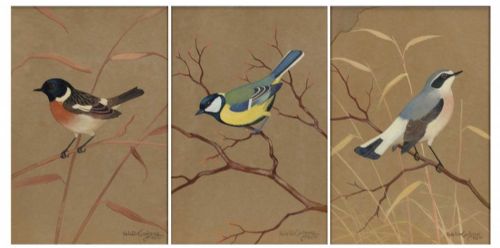


Antique Wildlife Wall Art
Antique wildlife wall art brings the natural world indoors through centuries of paint, paper, and carved wood.
Antique Wildlife Wall Art
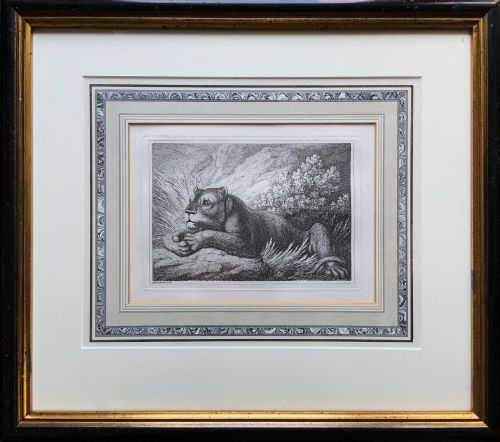
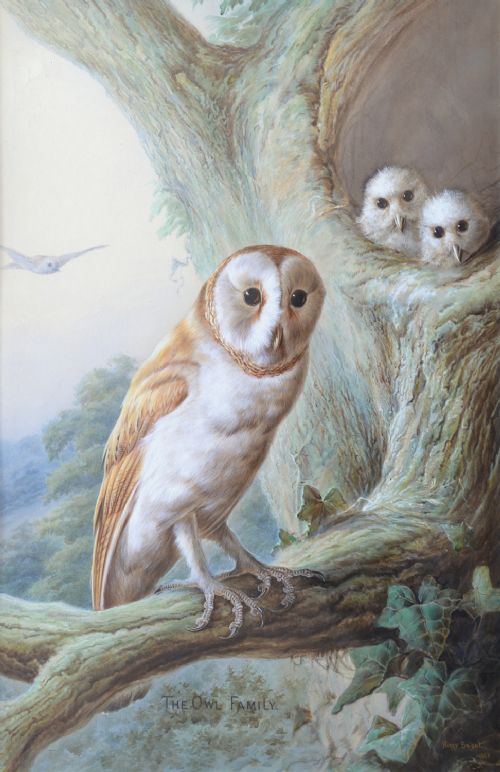
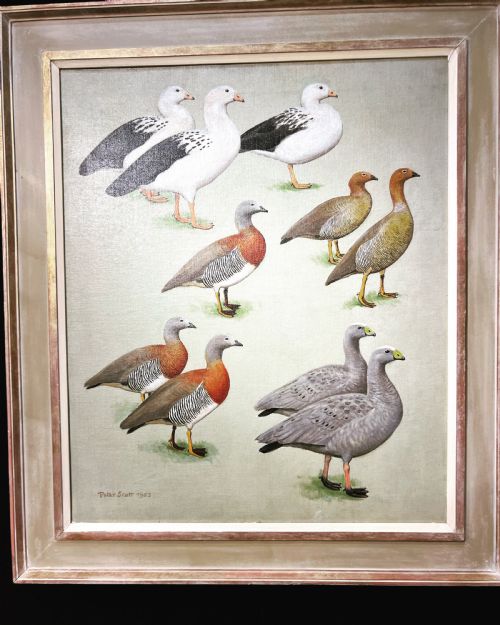
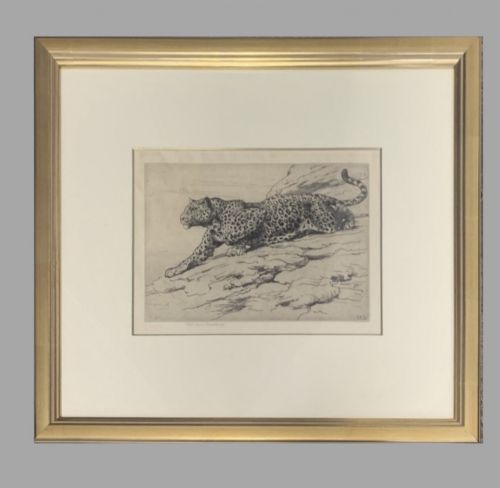
Antique wildlife wall art captures animals, birds, and natural landscapes across varied media ranging from the eighteenth century to the mid-twentieth century. Pieces on this page span oil paintings, watercolours, etchings, framed prints, pastels, gouache, and carved wood wall mirrors.
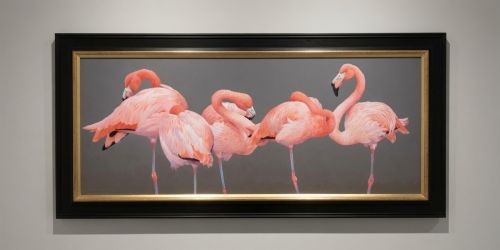
The selection includes detailed studies of birds, big cats, and deer rendered in British Naturalism, Victorian, Edwardian, Folk Art, Traditional Chinese, and Black Forest styles. Subjects vary from domestic garden birds and river ducks to exotic leopards and Highland game.
Buyers encounter both signed artist proofs and naive works, representing shifts in artistic recording of the natural world across the nineteenth and twentieth centuries.
How these pieces were made
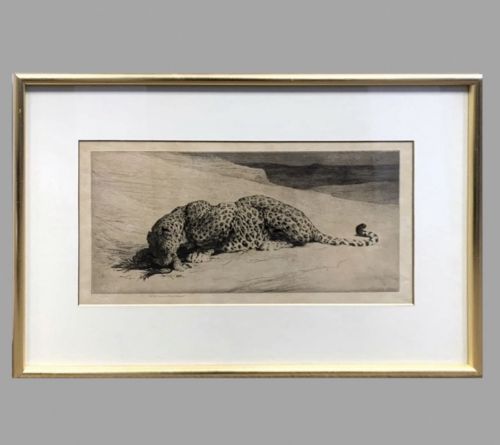
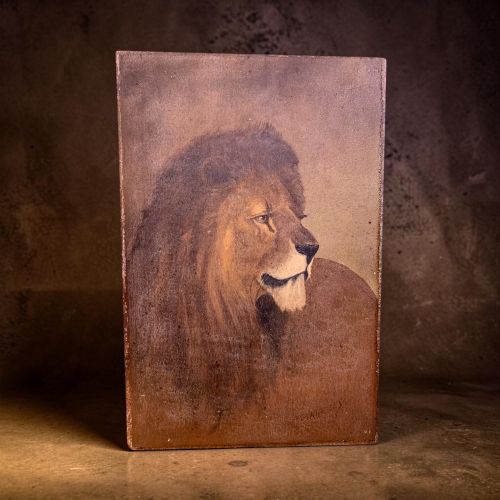
Makers utilised oil paint on canvas, watercolour and gouache on paper, and pastel to record birds and animals with varying degrees of precision. Etchings on paper provide signed limited editions, while carved gilt wood and standard wood form the frames and the Black Forest wall mirrors.
Supports range from standard canvas and artist paper to traditional Chinese scrolls and heavy wooden mirror mounts. Gold leaf appears on frames, accentuating the carved details of bird of prey mirrors and painted subjects.
Listings feature oil paintings, watercolours, etchings, and carved wood mirrors spanning the eighteenth, nineteenth, and twentieth centuries.
What varies in quality
Quality rests in the handling of anatomical detail and natural movement, separating observational works from generic decorative pieces. The precision of brushwork in feathers and fur distinguishes accomplished hands like Herbert Dicksee or Archibald Thorburn from naive folk art interpretations.
The integrity of the medium, whether oil paint, watercolour, or carved wood, and the preservation of the original paper or canvas determine the enduring character of each piece.
Sir Peter Markham Scott·Herbert Dicksee·Joseph Knight·Philipp Ferdinand de Hamilton·Thomas Blinks·Arthur Wardle·Constant Ludovic Artz·Geza Vastagh·Cuthbert Edmund Swan·Godfrey Douglas Giles·William Crampton·Stephen Elmer·Archibald Thorburn
The Antique Wildlife Wall Art Glossary
- Etchings
- Printmaking technique where lines are incised into a metal plate with acid before being printed onto paper. Herbert Dicksee utilised this method for detailed animal studies.
- Gouache
- Opaque watercolour paint mixed with a binding agent, producing flat, vibrant areas of colour. Artists combined gouache with pastel for landscape and wildlife scenes.
- Black Forest wood carved
- Carved wooden decorative items, often featuring animals and birds of prey. This style produced sculptural wall mirrors from the nineteenth century.
- Naive folk art
- Art produced by self-taught makers focusing on direct expression rather than academic rules. These works often display charmingly simplified animal forms.
Antique Wildlife Wall Art: Frequently Asked Questions
What is antique wildlife wall art?
Antique wildlife wall art encompasses paintings, prints, etchings, and carved mirrors depicting animals and birds created before the mid-twentieth century.
These pieces reflect changing artistic approaches to nature, from scientific observation to romantic landscape integration.
How do I identify the period?
Periods are identified through materials, framing styles, and signatures recorded by artists active in specific centuries.
Eighteenth-century works often show classical oil techniques, while Victorian and Edwardian pieces reflect naturalistic developments.
How were these artworks framed?
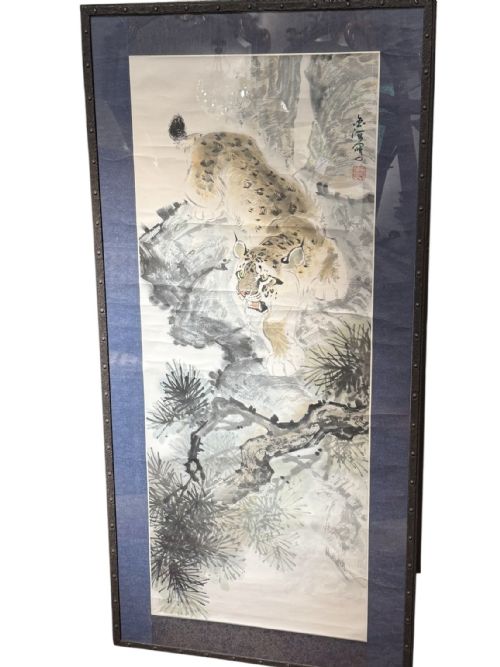
Artworks appear in period frames, including gilt wood, carved wood, and traditional scroll mountings.
Carved wooden frames often incorporate natural motifs that match the wildlife subject matter.
How should I display them?
Display pieces away from direct sunlight to protect watercolours, pastels, and paper etchings from fading.
Ensure oil paintings and carved wood mirrors hang on secure fixings suited to their weight.