

Antique White Gold Jewellery
Antique white gold jewellery brings together crisp precious metals and brilliant diamonds, creating enduring pieces from the Edwardian and Art Deco eras.
Antique White Gold Jewellery
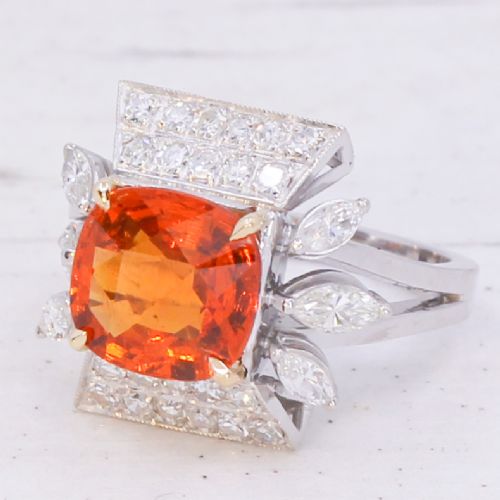
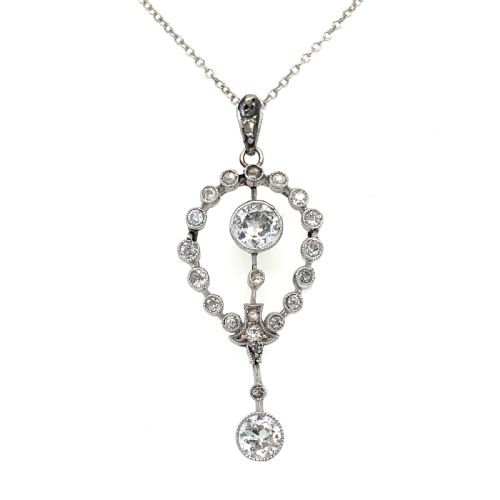
When you search for antique white gold jewellery, you encounter rings, pendants, necklaces, brooches, and earrings spanning the early twentieth century through the mid-century period. These ornaments reflect the major stylistic shifts of their time, moving from delicate Edwardian filigree to the geometric precision of Art Deco design.
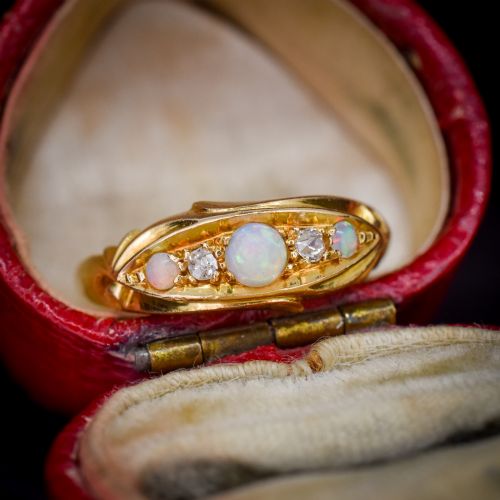
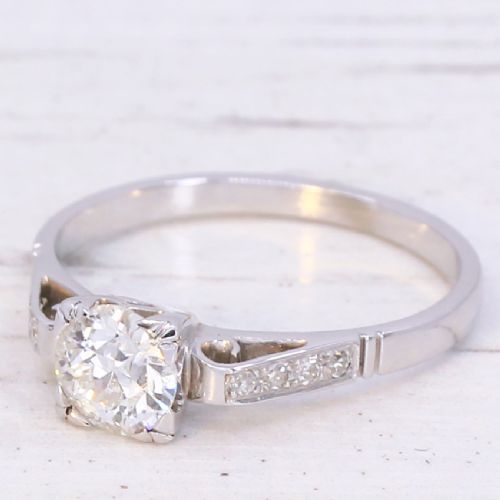
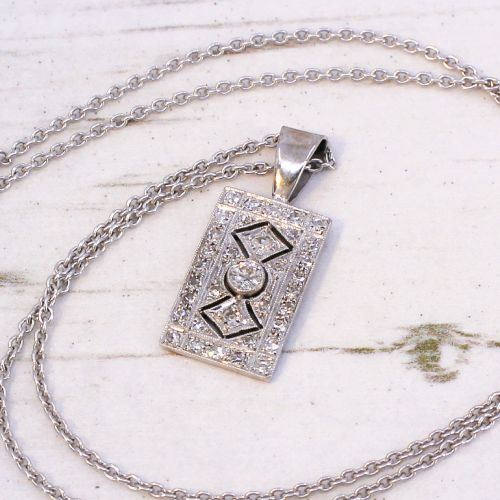
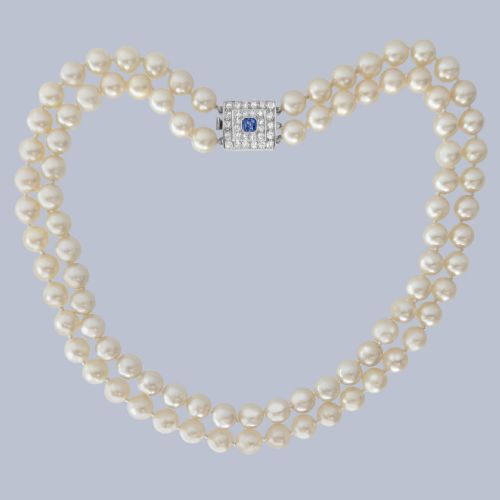
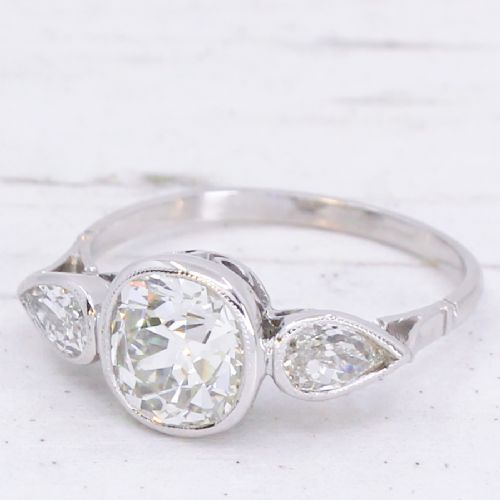
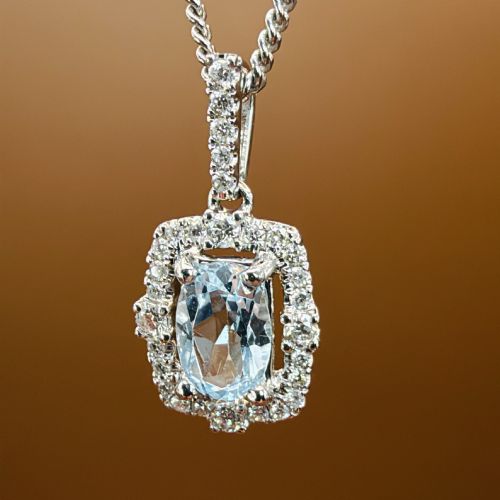
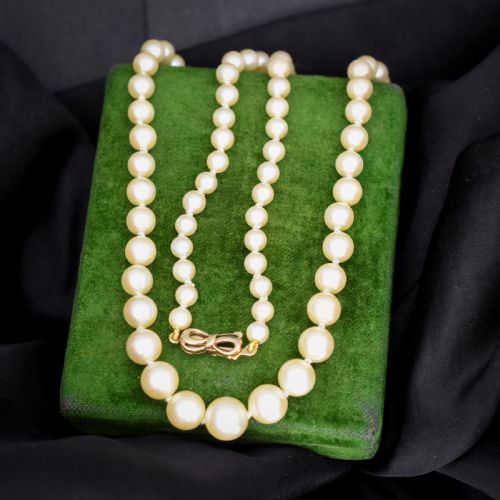
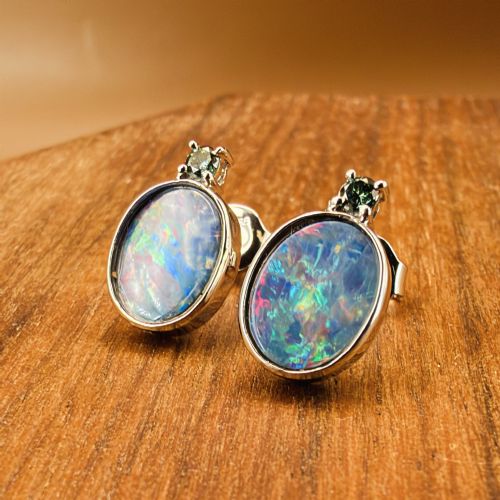
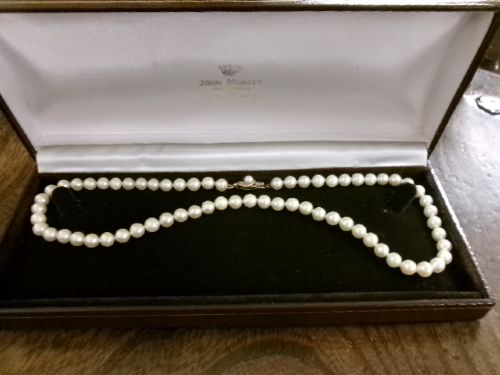
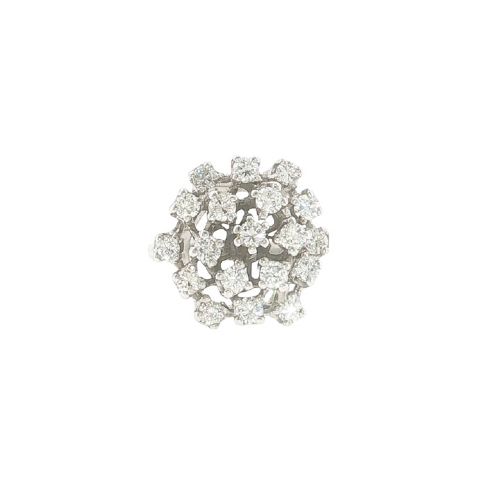
The pieces most frequently met on this page date from the 1920s and 1930s, heavily weighted toward engagement rings, cluster rings, and diamond pendants set in eighteen-carat white gold or platinum. Alongside diamonds, these items often incorporate sapphires, rubies, pearls, and opals.
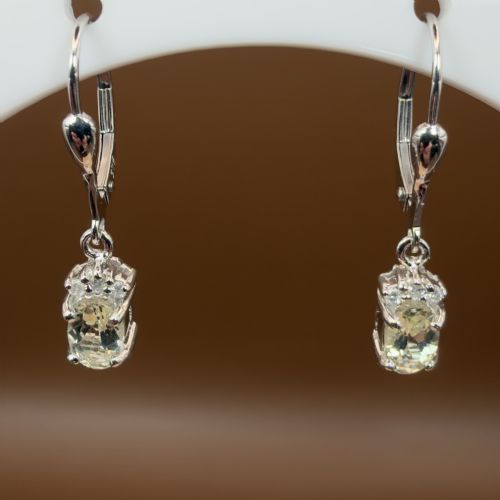
Earrings and bar brooches also appear, showing the characteristic fine metalwork and calibrated gemstones of the interwar years. Every surviving piece offers a tangible link to the craftsmanship of the early nineteen hundreds.
How they were made
Craftsmen of the early twentieth century fashioned these items using eighteen-carat white gold and platinum, frequently combining them with yellow gold or silver settings. Gemstones such as old-cut diamonds, sapphires, and rubies were hand-set into intricate geometric or floral arrangements.
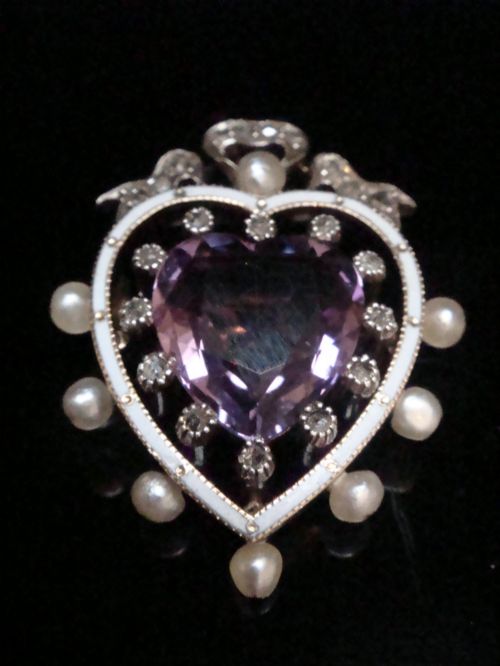
Techniques like calibre-cutting placed small stones precisely flush against one another to form continuous lines of colour. Enamelling, including guilloché patterns, added surface detail to pendants and brooches while pearls were strung and secured with bespoke clasps.
The selection includes items spanning from 1900 to the 1960s, with a strong concentration of Art Deco and Edwardian designs.
What varies in quality
The standard of antique white gold jewellery depends upon the precision of the stone setting and the integrity of the original metalwork. Pieces that retain crisp geometric lines and tightly secured old-cut diamonds represent the upper tier of period production.
Artisanal skill shows in the uniformity of matched gemstones and the delicacy of openwork frames. Items showing heavy alterations or replaced stones sit lower down the scale than those preserving their initial factory configuration.
The Antique White Gold Jewellery Glossary
- Old Cut Diamond
- A diamond cut by hand during the eighteenth or nineteenth century, featuring a smaller table and larger culet than modern brilliant cuts. These stones display a distinctive soft, candlelit sparkle.
- Art Deco
- A design style dominant in the 1920s and 1930s characterised by symmetry, geometric motifs, and clean lines. It marked a sharp departure from the flowing curves of the preceding Edwardian period.
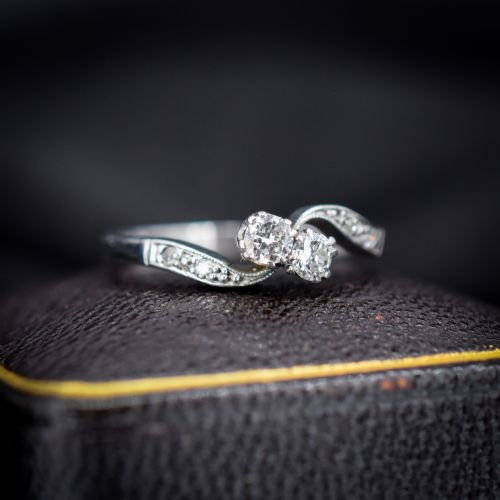
- Toi Et Moi
- A ring style featuring two distinct gemstones side by side, symbolising two souls meeting. This French phrase translates to you and me.
- Calibre-Cut
- Gemstones specifically cut and shaped to fit tightly into a designated channel or pattern without visible metal separating them. This technique requires exceptional lapidary skill.
- Guilloché
- A decorative technique where a precise, intricate pattern is mechanically engraved into a metal surface beneath translucent enamel. It provides texture and depth to pendants and compacts.
Antique White Gold Jewellery: Frequently Asked Questions
How do I care for antique white gold?
Clean your jewellery gently using warm water, mild soap, and a soft brush to remove everyday dust. Avoid harsh chemical dips, ultrasonic cleaners, and abrasive cloths that can damage delicate old-cut settings and softer gems like pearls or opals.
Store each piece individually in a lined box to prevent scratching between items. Regular checks by a professional jeweller will ensure claws and bezels remain secure around the stones.
Can I wear an antique ring daily?
Most antique rings tolerate everyday wear provided they receive proper care and routine inspections. Platinum and eighteen-carat white gold offer good durability for daily use.
However, delicate Edwardian filigree, soft opals, and strung pearls require extra caution. Removing rings during manual tasks or heavy physical activity prevents unnecessary strain on vintage settings.
What is the difference between Edwardian and Art Deco styles?
Edwardian jewellery relies on platinum and yellow gold to create lace-like, floral motifs. These pieces often feature millegrain edges and light, airy designs inspired by eighteenth-century aesthetics.
Art Deco jewellery embraces bold geometry, high contrast, and symmetrical patterns. This later style incorporates calibre-cut sapphires and rubies alongside sharp lines that reflect modern industrial progress.
Are old cut diamonds different from modern stones?
Old cut diamonds differ significantly from modern brilliant cuts because artisans shaped them entirely by hand. This historical cutting method yields fewer facets and a broader, warmer fire rather than sharp white brilliance.
Each stone possesses unique proportions tailored to maximise its original rough crystal shape. This individuality remains a key feature sought by collectors of vintage and antique rings.