
Antique White Glass Light
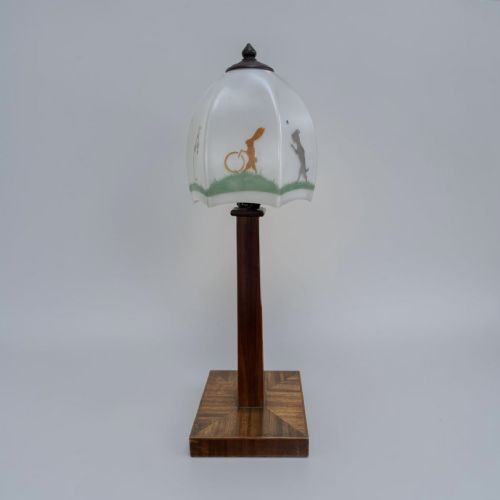
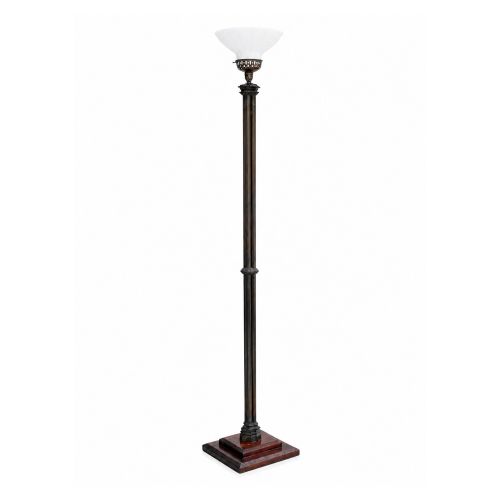
An antique white glass light brings a soft, diffused glow to a room through opaline, moonstone, or painted milk glass shades.
Antique White Glass Light
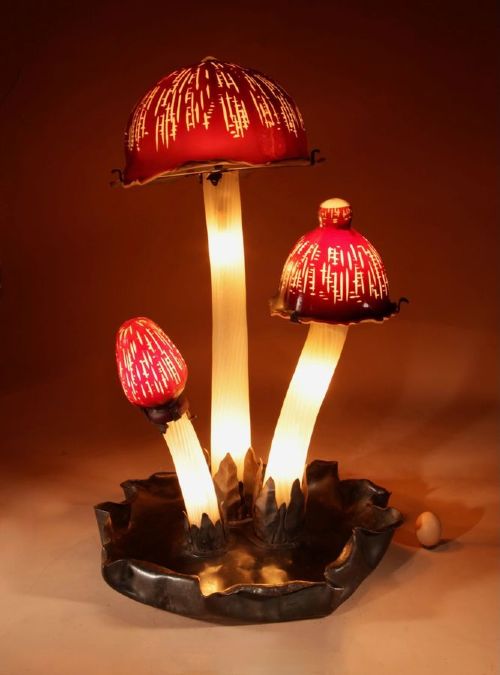
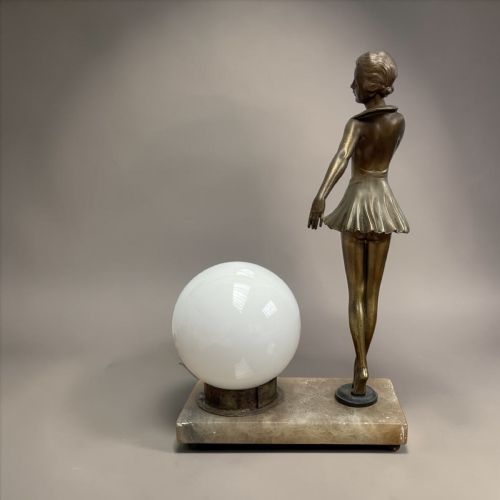
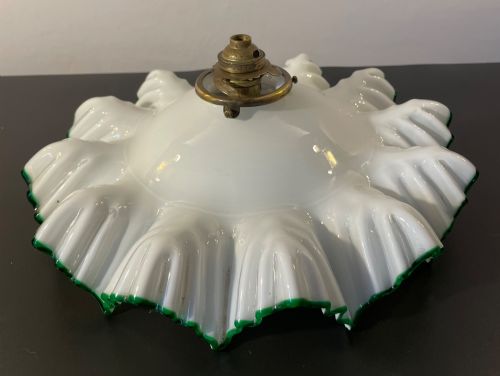
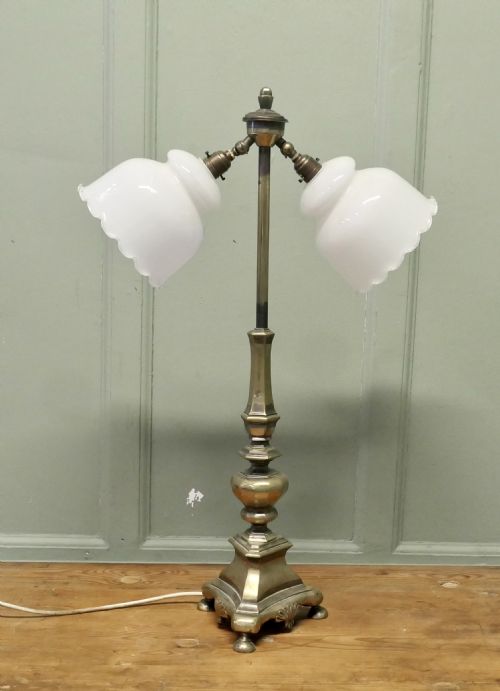
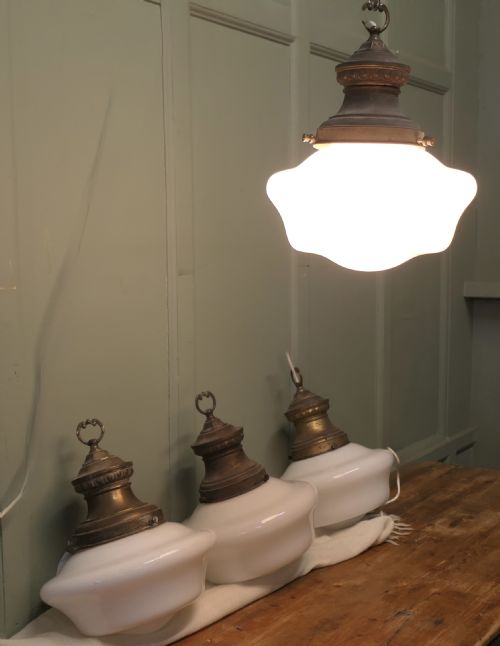
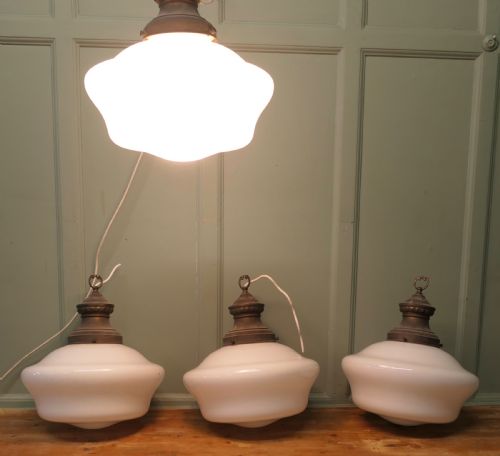
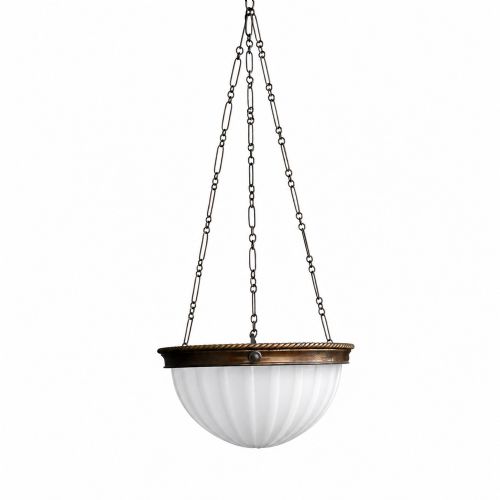
When searching for an antique white glass light, collectors encounter a diverse range of forms spanning the Victorian era through the Art Deco period. These pieces encompass functional household items designed to illuminate Victorian parlours, Edwardian hallways, and early twentieth-century workspaces.
Origins stretch across English, French, and German workshops, utilising decorative vocabularies that shift from Gothic Revival and Neo-Classical severity to the clean geometric lines of Art Deco.
Materials and construction
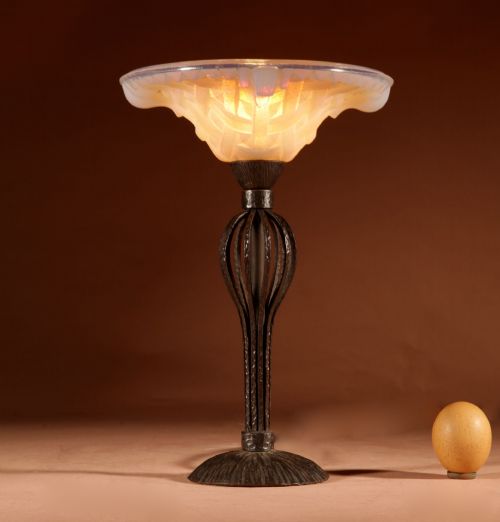
The manufacture of these luminaires relies on the combination of blown or moulded white glass with durable mounting metals such as brass, chrome, and cast iron. Opaline and moonstone glass achieve their characteristic milky opacity through the addition of bone ash or oxide minerals during the molten glassblowing process.
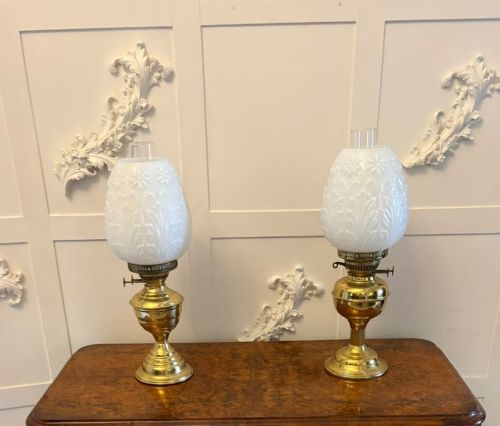
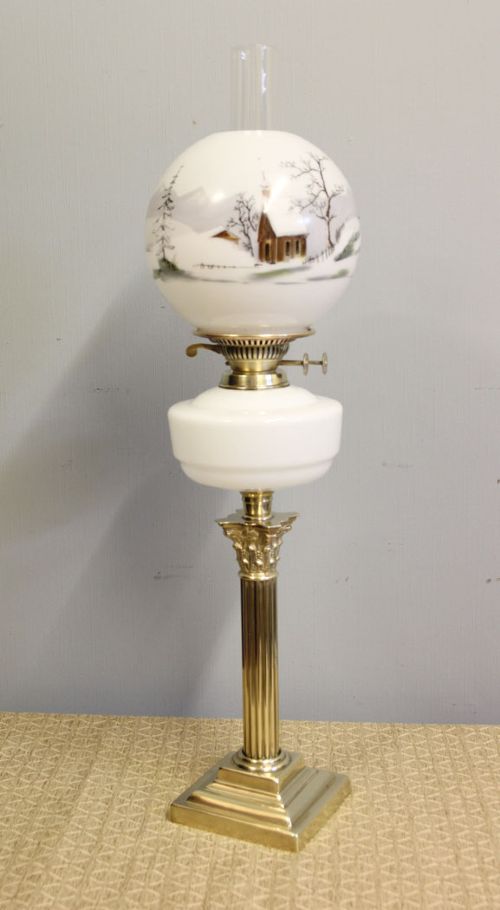
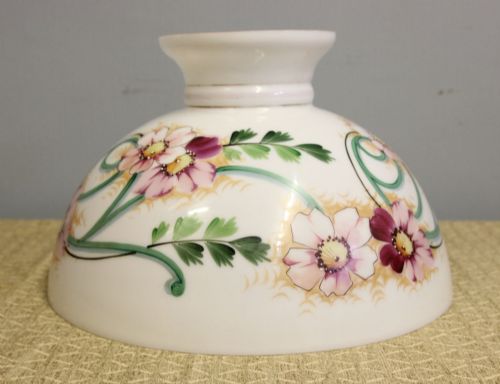
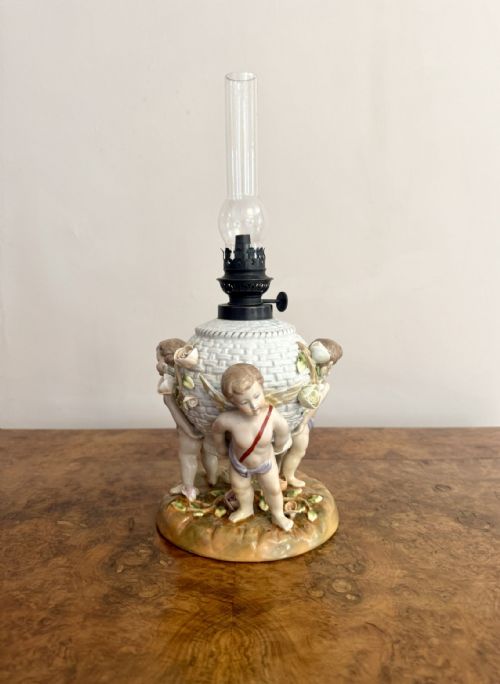
Metal components provide structural support through cast brass oil fonts, weighted black glass bases, and forged wrought iron armatures. Hand-painted enamel details and gilt highlights frequently embellish both the porcelain figural elements and the smooth surfaces of the glass shades.
Surviving specimens include a porcelain Spitz dog lamp and an owl oil lamp peering through the Victorian evening.
Assessing craftsmanship and condition
Distinctions in quality rest upon the weight and purity of the glass, the crispness of metal casting, and the refinement of hand-applied painted decoration. Superior pieces display substantial wall thickness in the opaline shades, avoiding thin or streaky diffusion, alongside finely chased brass columns and heavy weighted bases.
Artisanal execution in figural porcelain elements and hand-painted motifs separates standard commercial production from exceptional studio output. Original matching components, such as period burners paired with correct shades, elevate the integrity of the lighting fixture.
Karl Ens·Anton Buschelberger·Sitzendorf
The Antique White Glass Light Glossary
- Opaline glass
- A type of semi-translucent white glass that diffuses light evenly without glare. It gained immense popularity during the nineteenth century for oil lamps and gas lighting shades.
- Moonstone glass
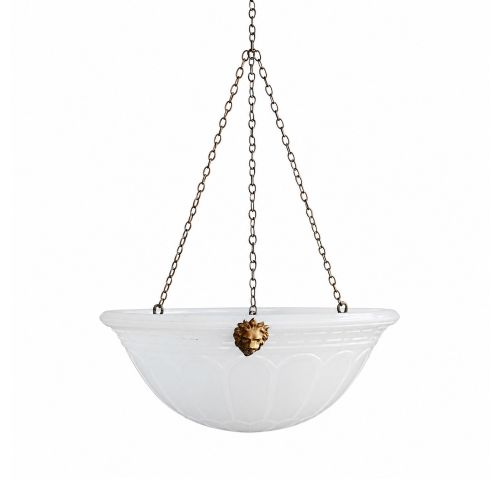
- A translucent white glass variety with a cloudy, ethereal depth resembling the gemstone. It is frequently encountered on large early twentieth-century pendant lights.
- Mantle lustre
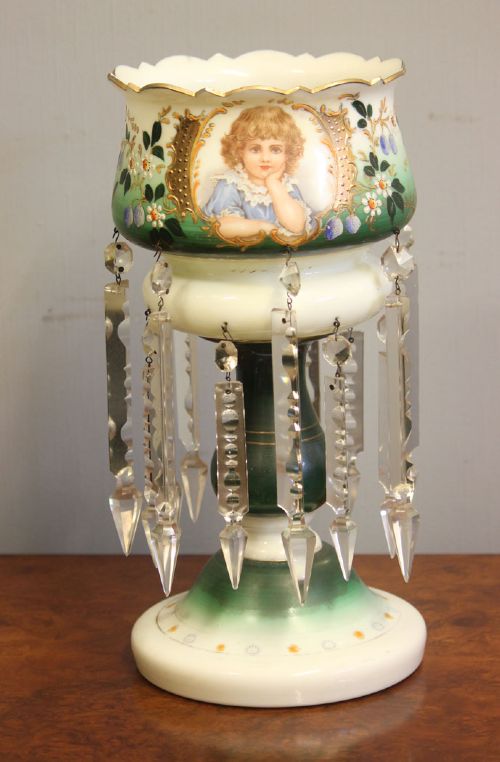
- A decorative Victorian glass ornament featuring hanging crystal prisms surrounding a central column. They were traditionally displayed on mantelpieces beside clocks.
- Plafonnier
- A ceiling-mounted bowl light fixture designed to sit flush or close to the ceiling surface. These shades diffuse illumination downward into the living space.
- Oil lamp
- A lighting device utilising a wick and oil reservoir beneath a glass shade. Many surviving examples have been safely converted for modern electrical use.
Antique White Glass Light: Frequently Asked Questions
Are these lights wired for modern electricity?
Many surviving pieces originate from the oil or gas era and have undergone professional electrical conversion for contemporary use. Buyers should inspect the internal wiring details.
Rewiring older fixtures ensures compliance with current safety standards while preserving original brass and ceramic components.
How do I clean antique opaline glass?
Gentle cleaning with warm soapy water and a soft cloth removes dust and film without damaging delicate enamel or gilt painted decorations. Harsh chemical abrasives should be avoided entirely.
Metal mounts require specific polishing agents chosen carefully to prevent contact with adjacent glass surfaces.
What is the difference between opaline and moonstone glass?
Opaline glass presents a solid, milky-white appearance designed to soften and diffuse bright illumination evenly across a room. This material was a staple of Victorian and Edwardian lighting production.
Moonstone glass exhibits a softer, more mottled translucency with an atmospheric depth reminiscent of clouds. It appears frequently on industrial and pharmacy pendant lights from the early twentieth century.
Can I replace a missing shade on an oil lamp?
Finding a precise period replacement requires matching the fitter size - the exact diameter of the glass base where it inserts into the metal burner gallery. Standard measurements simplify this search.
Height and stylistic period also dictate visual harmony between the replacement shade and the antique brass or ceramic base.