








Antique Wheat Sheaf Chairs
Antique wheat sheaf chairs are graceful timber seats defined by carved splats, offering timeless elegance to a traditional dining room.
Antique Wheat Sheaf Chairs
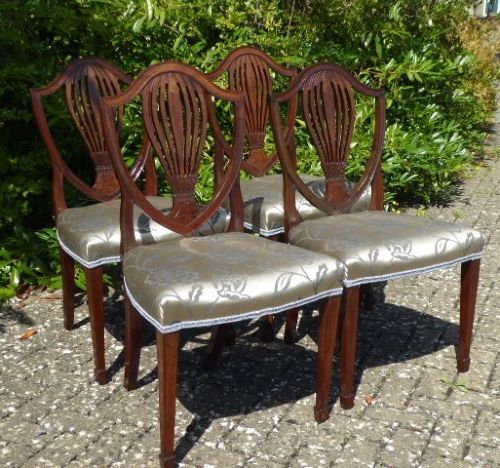
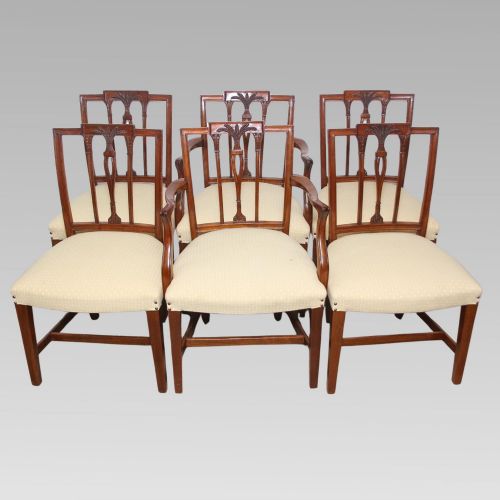
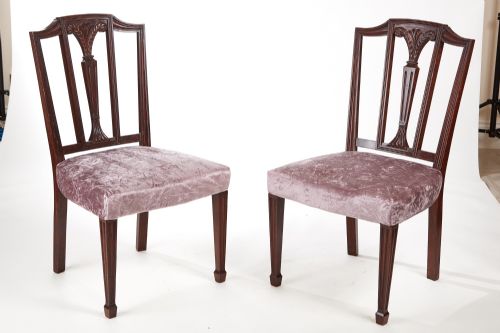
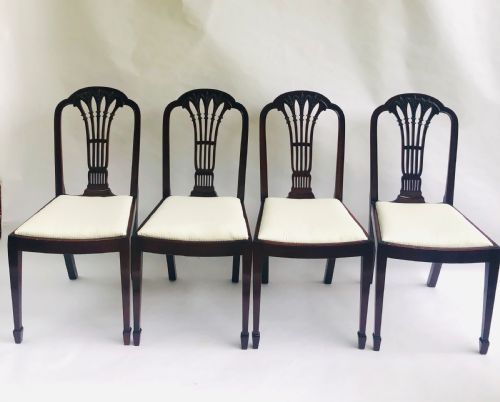
Antique wheat sheaf chairs are timber seats defined by carved central splats that resemble bound sheaves of corn, appearing frequently in sets spanning from the eighteenth century to the Edwardian period.
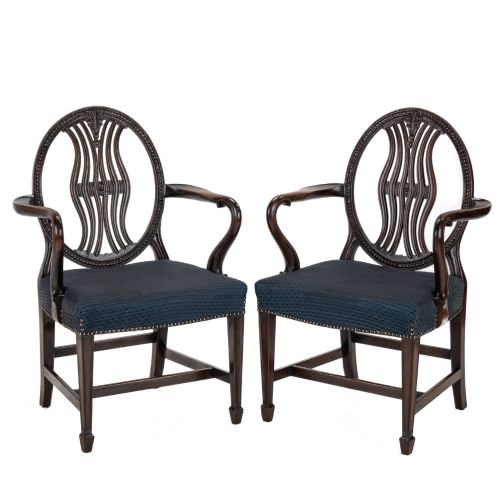
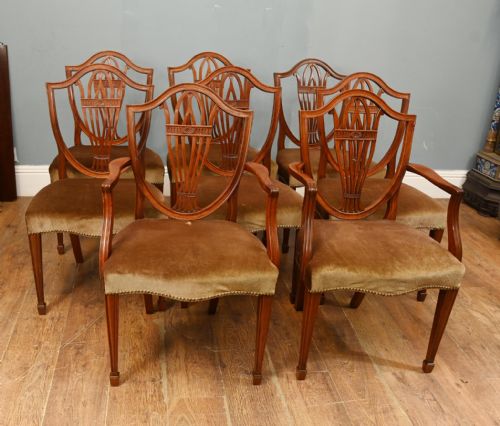
The buyer searching for antique wheat sheaf chairs encounters dining chairs, carvers, and armchairs primarily fashioned from mahogany.
Many examples draw on George III and Hepplewhite designs, alongside revival pieces produced around nineteen hundred.
Materials and construction
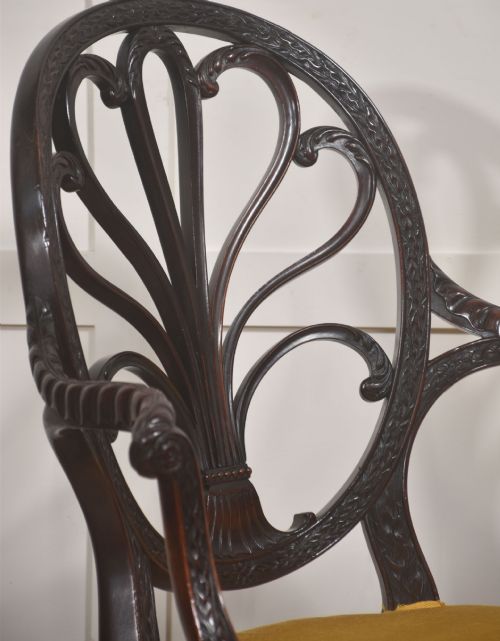
Carpenters built these chairs predominantly using solid mahogany, shaping shield-shaped backs and carving the intricate wheat motif into the central splat by hand.
Seats were upholstered over frames using materials such as fabric, velvet, leather, and metal tacks to secure the padding.
Antique Wheat Sheaf Chairs Retail Price Guide 2026
Typical asking prices for wheat sheaf chairs among the pieces listed under this phrase on Sellingantiques today, from the lower quarter to the upper quarter. They describe what is for sale here now, not the wider market.
Listings feature mahogany frames paired with upholstery fabrics, velvet, leather, and brass tacks across periods ranging from the eighteenth century to the Edwardian era.
Assessing quality in wheat sheaf chairs
The crispness of the carved wheat detail and the selection of figured mahogany separate superior examples from simpler iterations.
The integrity of larger sets and the presence of matching carvers alongside side chairs dictate the standing of the group.
The Antique Wheat Sheaf Chairs Glossary
- Shield back
- A chair back shaped like a heraldic shield, which provides the frame for the carved wheat sheaf motif. This form gained popularity during the Georgian period.
- Carver
- An armchair designed to sit at the head of a dining table, often paired with matching side chairs. These pieces incorporate armrests integrated into the upper frame.
- Hepplewhite style
- A neoclassical furniture design characterised by light proportions, tapered legs, and shield-shaped chair backs. Thomas Hepplewhite popularized these graceful outlines in the eighteenth century.
- Splat
- The vertical wooden strip down the centre of a chair back. In these pieces, the splat takes the carved form of wheat ears bound together.
- Slipper chair
- A low-seated chair without arms, historically used in dressing rooms. Examples occasionally appear within larger dining chair suites.
Antique Wheat Sheaf Chairs: Frequently Asked Questions
How do I care for mahogany dining chairs?
Dust timber frames regularly with a soft cloth and feed the wood occasionally with appropriate wax to maintain the finish.
Protect upholstered pads from direct sunlight to preserve fabrics such as velvet and leather over years of daily use.
Can I mix these chairs with a modern table?
These mahogany seats pair effectively with plain timber tables, providing a striking contrast between period carving and contemporary clean lines.
Ensure the table height allows adequate clearance for the arms of any carver chairs included in the set.
How do I distinguish eighteenth-century chairs from revival pieces?
Eighteenth-century originals display hand-cut joinery methods and timber patination developed over long periods of domestic use.
Revival versions from the Edwardian era often utilise machine-assisted detailing while retaining the classic shield back proportions.
What is the difference between a carver and a side chair?
Carvers feature supportive armrests at the sides, making them suitable for the heads of dining tables.
Side chairs lack arms to allow multiple seats to tuck neatly alongside one another.