


George III Style Dining Chairs
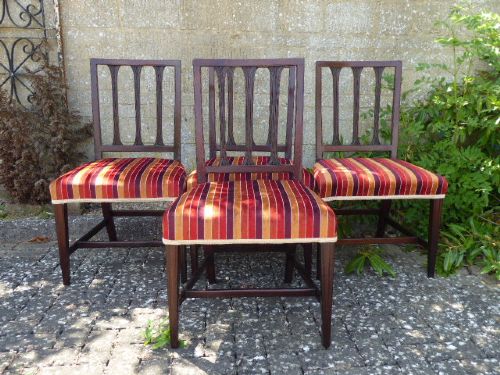
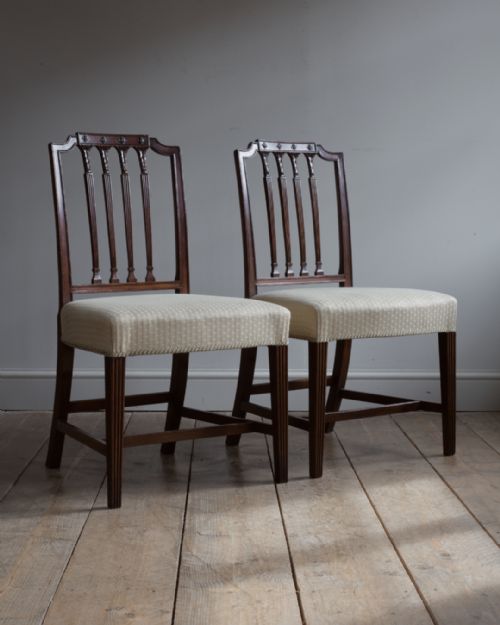
George iii style dining chairs bring eighteenth-century proportion and mahogany timber to the modern table, offering robust seating designed for formal dining.
George III Style Dining Chairs
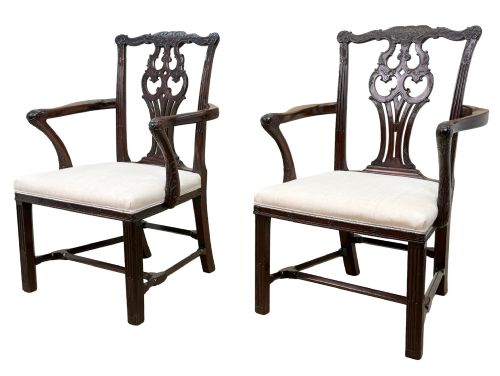
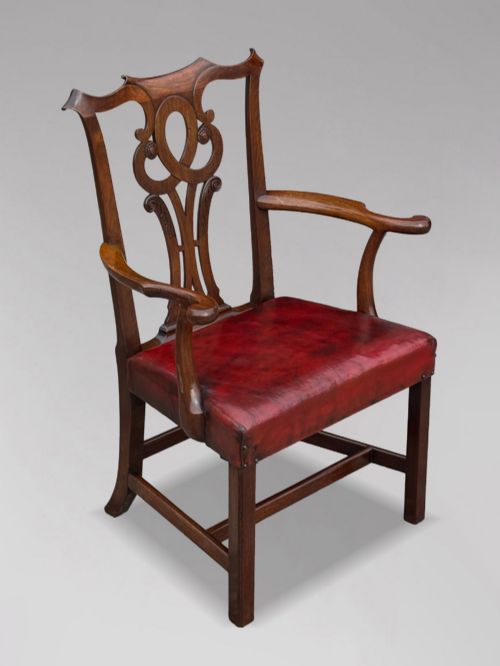
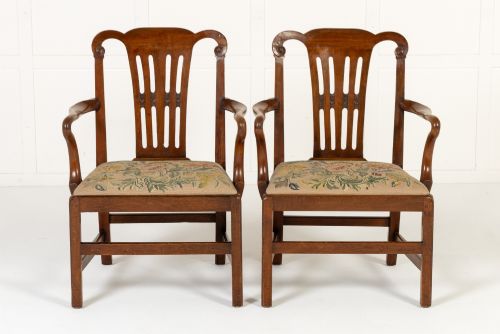
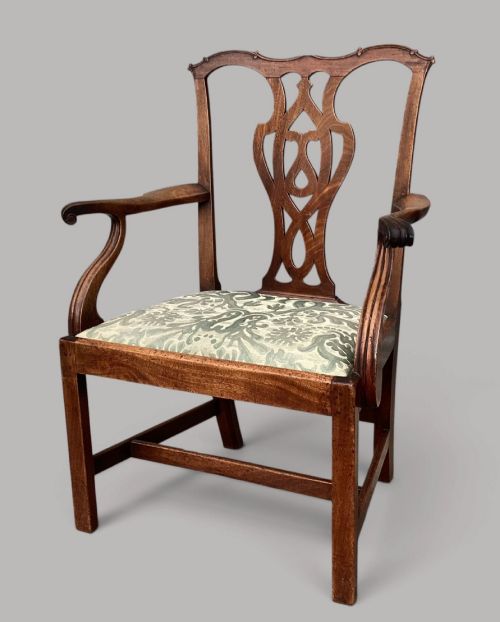
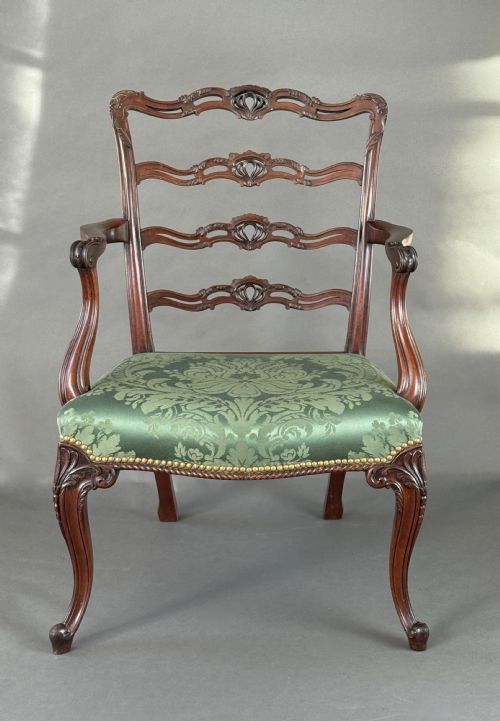
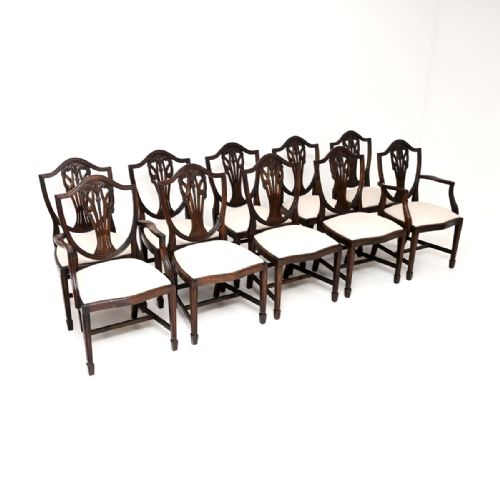
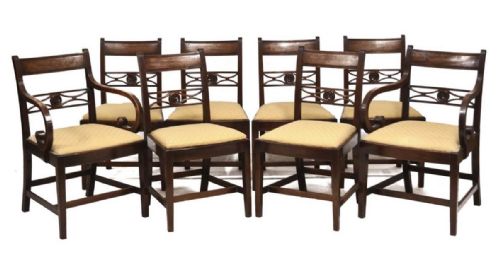
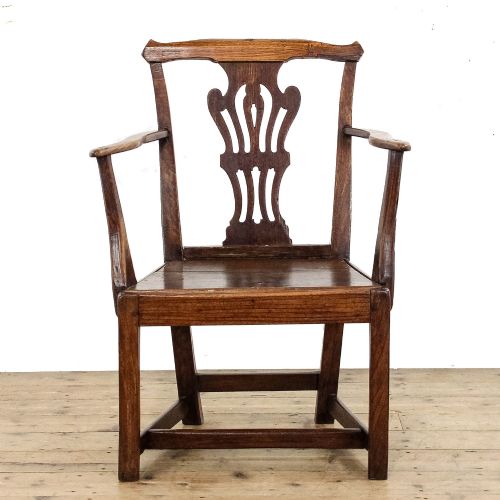
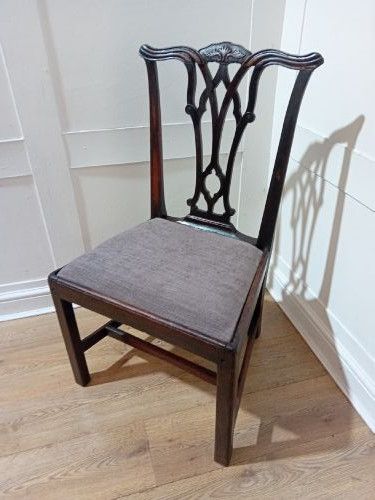
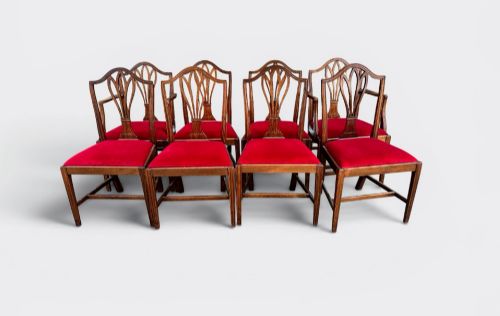
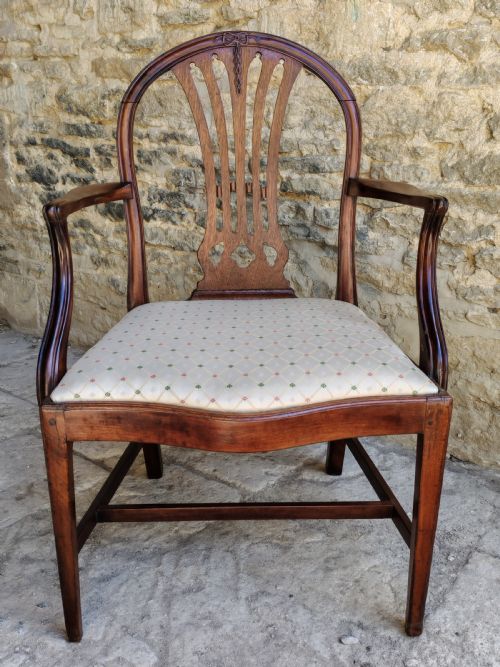
George iii style dining chairs encompass both authentic eighteenth-century seat furniture and later revival pieces produced through the nineteenth and twentieth centuries. These pieces appear as sets of singles, carver chairs, and armchairs in styles drawing on Hepplewhite, Sheraton, and Chippendale designs. A buyer finds both original Georgian workshop pieces and later interpretations dating from the Edwardian era up to the nineteen-thirties.
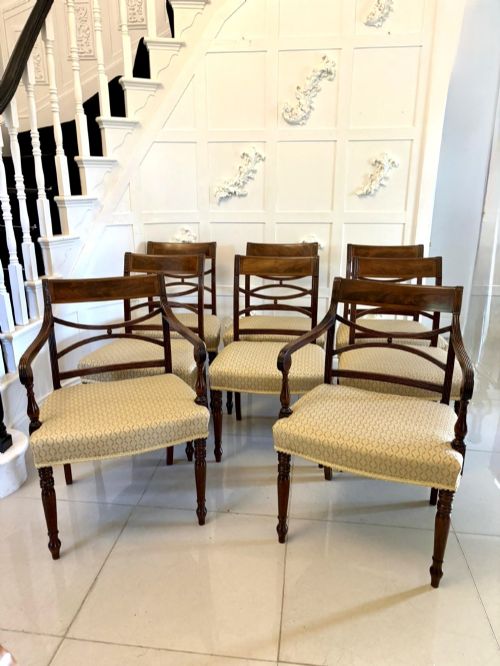
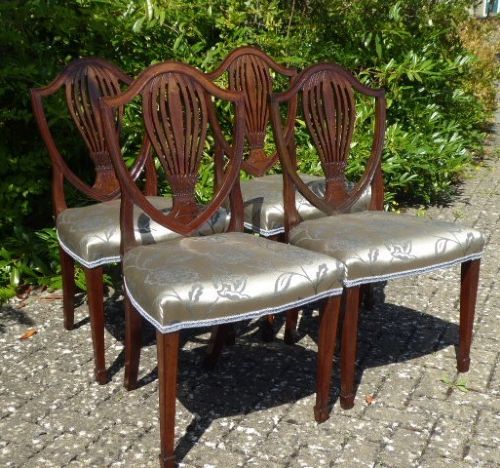
The most common forms on this page include mahogany side chairs and larger matched sets intended for dining tables. These range from plain town forms to elaborate shield back and carved splat designs incorporating fabric, leather, or horsehair upholstery. Construction materials span primary hardwoods supplemented by occasional oak and walnut examples.
Materials and Technique
Makers constructed these chairs primarily in solid mahogany, utilising its dense grain to achieve slender carved splats and stable frame joints. Cabinetmakers shaped structural elements using traditional mortise and tenon joinery alongside hand-carving for details such as claw and ball feet or fluted stiles. Inlaid variations display contrasting wood veneers set directly into the mahogany ground.
Upholstered versions rely on drop-in seats or webbed frames covered in textiles including velvet, tapestry, and horsehair fabric. Brass tacks frequently secure the perimeter of the seat covers to the wooden rails.
George III Style Dining Chairs Retail Price Guide 2026
Typical asking prices for george iii style dining chairs among the pieces listed under this phrase on Sellingantiques today, from the lower quarter to the upper quarter. They describe what is for sale here now, not the wider market.
The inventory spans authentic eighteenth-century workshop output alongside revival pieces from the Victorian and Edwardian eras.
Standards of Execution
Quality rests upon the crispness of the hand-carving and the thickness of the mahogany timber selected for the stiles and crest rails. Superior examples maintain structural integrity through precise joinery rather than relying on modern metal fasteners to hold load-bearing joints.
The degree of uniformity across an entire set dictates its standing, since larger sets assembled from mismatched components command less regard than those created as a single suite from the workshop. The depth of patination on the wood surfaces further separates workshop output that has retained its original finish from pieces stripped or heavily restored.
Howard & Co, London·Gillows of Lancaster·H. Samuel, London
The George III Style Dining Chairs Glossary
- Carver chair
- An armchair designed with open arms to sit at the head of a dining table. These match the smaller side chairs in a set.
- Shield back
- A chair back shaped like a heraldic shield, popularised by designer George Hepplewhite during the late eighteenth century. The central splat often takes a pierced urn or feather motif.
- Splati
- The vertical wooden slat positioned in the middle of a chair back connecting the crest rail to the seat. Carved splats define the stylistic lineage of Georgian seating.
- Stile
- The upright vertical side post of a chair back that provides the primary structural support from the rear legs up to the top rail.
- Drop-in seat
- A removable wooden frame upholstered separately and dropped into the seat recess of the chair frame. This construction method allows for straightforward reupholstery.
George III Style Dining Chairs: Frequently Asked Questions
How do I identify an original eighteenth-century chair?
Original pieces display period joinery techniques such as hand-cut tenons, timber shrinkage consistent with age, and surfaces bearing dry patination. One looks at the underside of the seat frame for tool marks and signs of structural wear.
Later revival pieces often employ machine-cut elements and standardised dimensions that differ from eighteenth-century workshop tolerances.
What is the difference between side chairs and carvers?
Side chairs are narrower seats built without arms, designed to line the sides of a dining table in multiple quantities. Carver chairs feature armrests and were traditionally reserved for the head and foot of the table.
Sets frequently combine a majority of side chairs with a pair of armchairs sharing identical back designs.
Can I mix different sets of dining chairs?
Mixing chairs requires careful attention to seat height, wood tone, and proportion so the pieces sit harmoniously around a single table. Sets listed together on this page remain matched to preserve visual balance in a dining room.
Buyers often select larger sets specifically to ensure uniformity across all seating positions during formal meals.
How should I care for antique mahogany frames?
Mahogany requires stable room humidity and protection from direct sunlight to prevent the timber from drying out or splitting. Gentle dusting with a dry cloth preserves the historic wax finish without stripping the surface.
Harsh chemical polishes should be avoided entirely to maintain the natural patination built up over centuries.