
Antique Weight Clock
An antique weight clock brings mechanical timekeeping into a room through the steady pull of heavy brass or iron suspended on cords or chains.
Antique Weight Clock
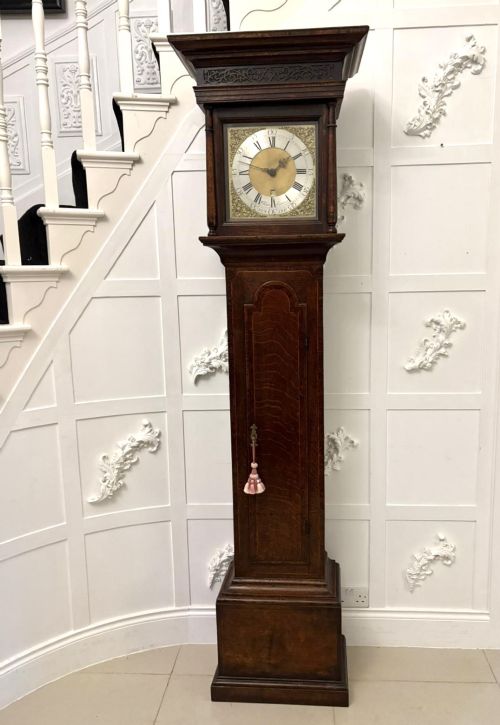
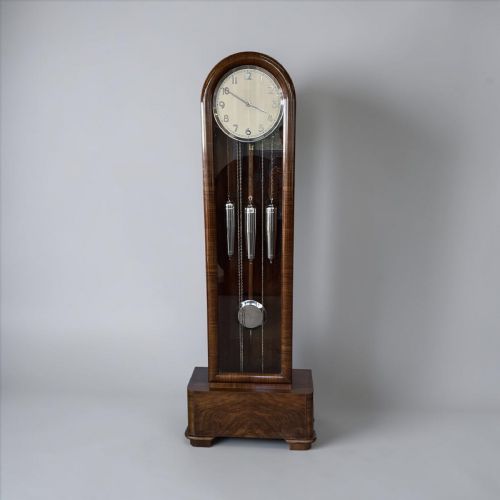
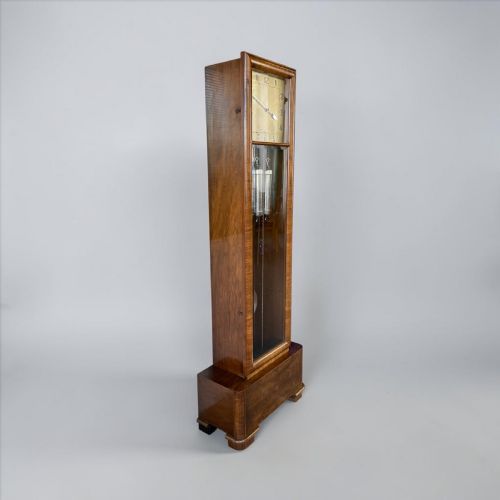
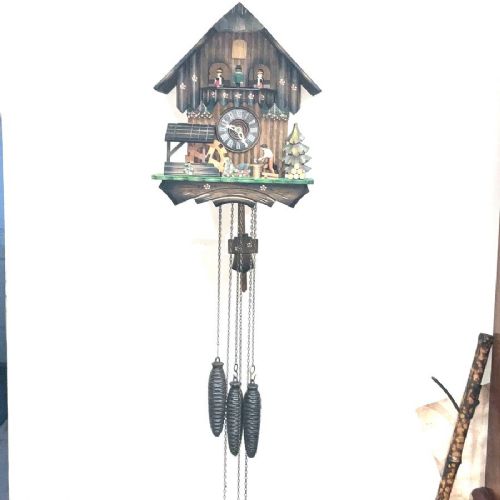
When searching for an antique weight clock, buyers encounter tall floor-standing timepieces alongside wall-hung regulators and lantern clocks driven by gravity rather than springs. These timepieces originate from periods spanning the seventeenth century through the Edwardian era and the art deco years, taking the form of longcases, grandfathers, grandmothers, and Vienna wall styles.
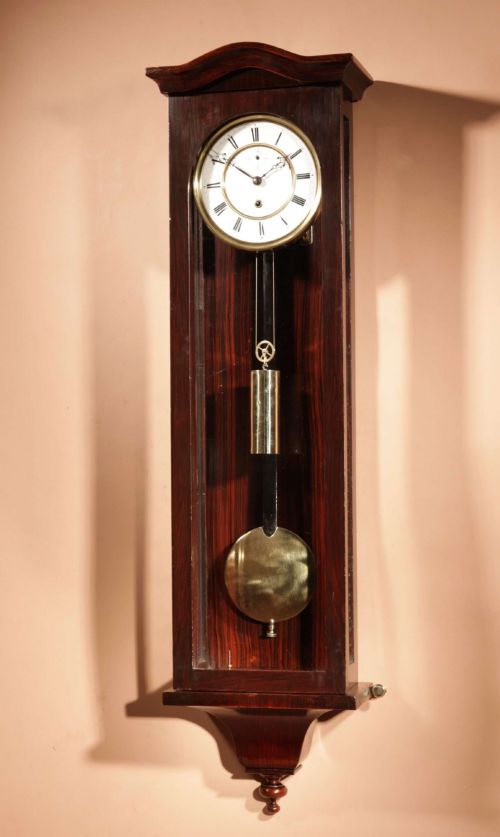
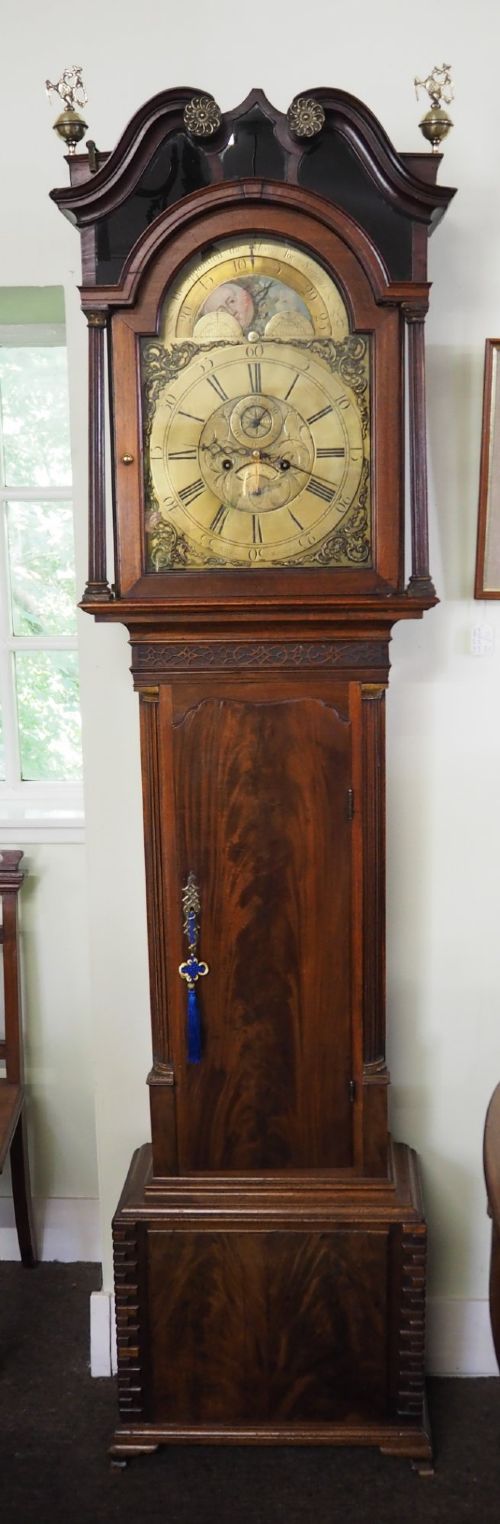
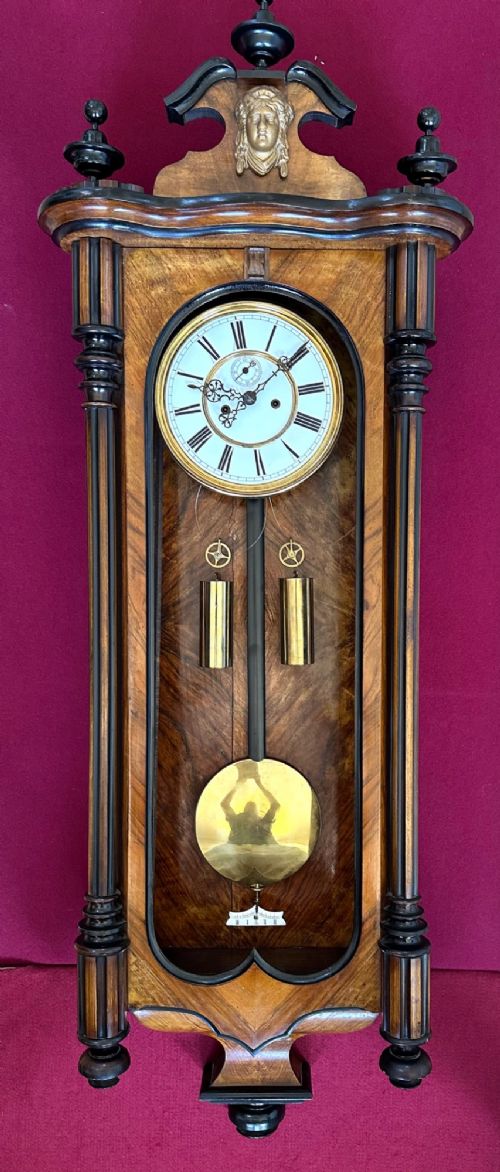
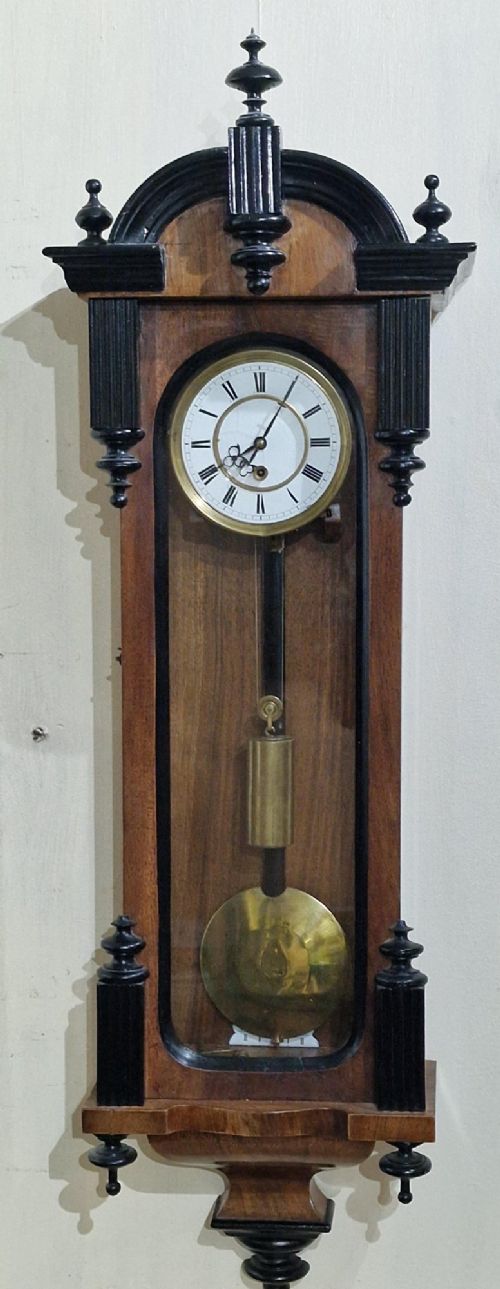
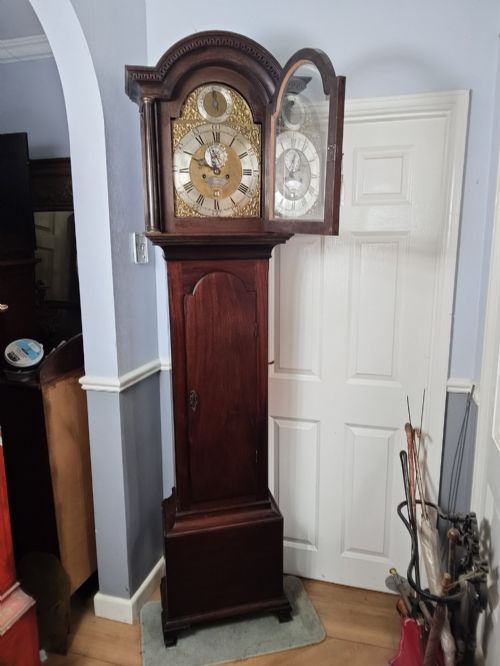
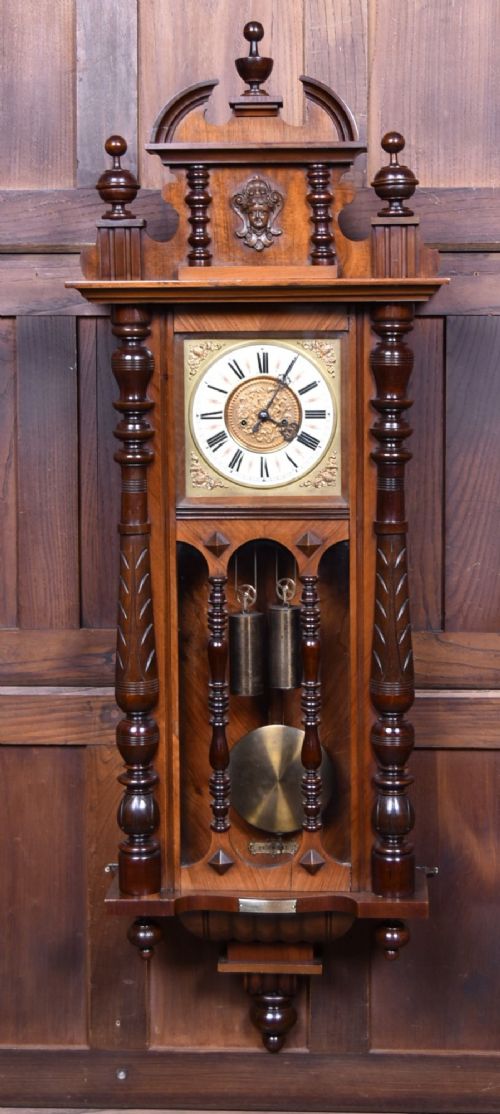
The most common examples on this page are Victorian walnut Vienna regulators and eighteenth-century oak or mahogany longcase clocks. Wall-hung weight-driven regulators appear frequently in ebonised and figured walnut cases, often featuring double brass weights that drop behind glass doors.
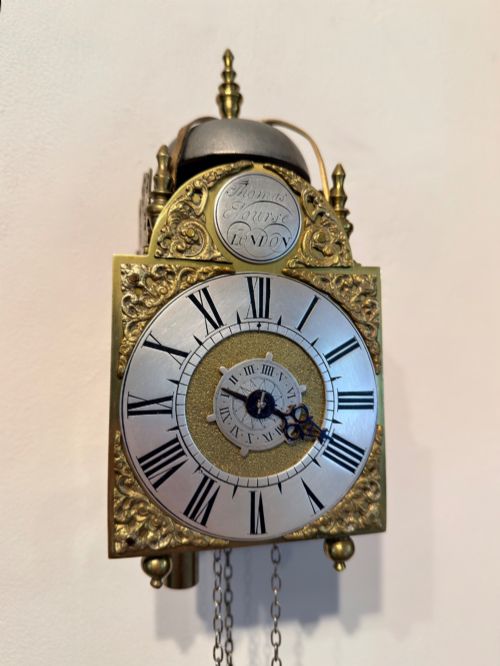
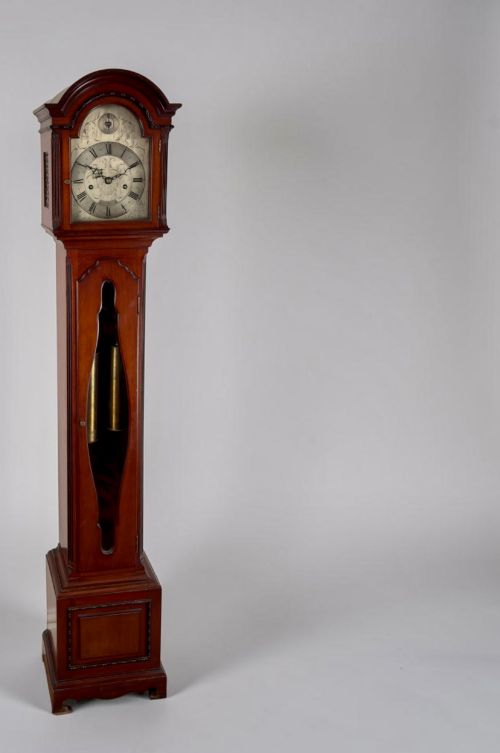
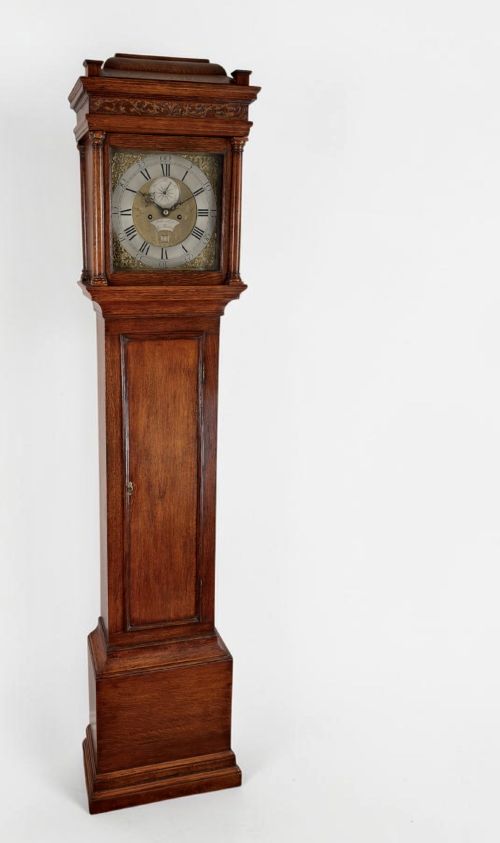
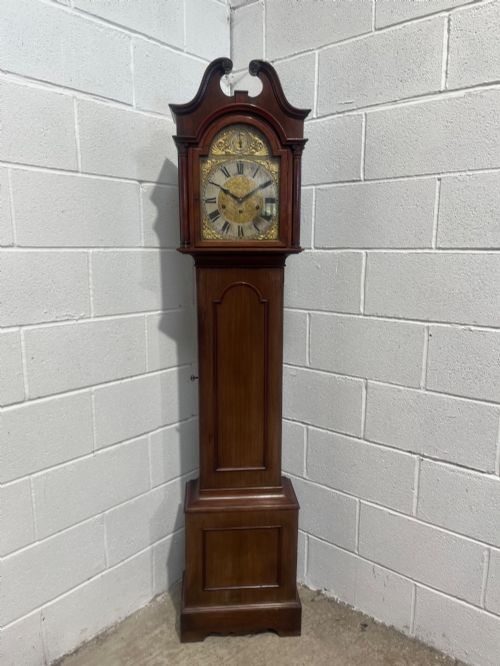
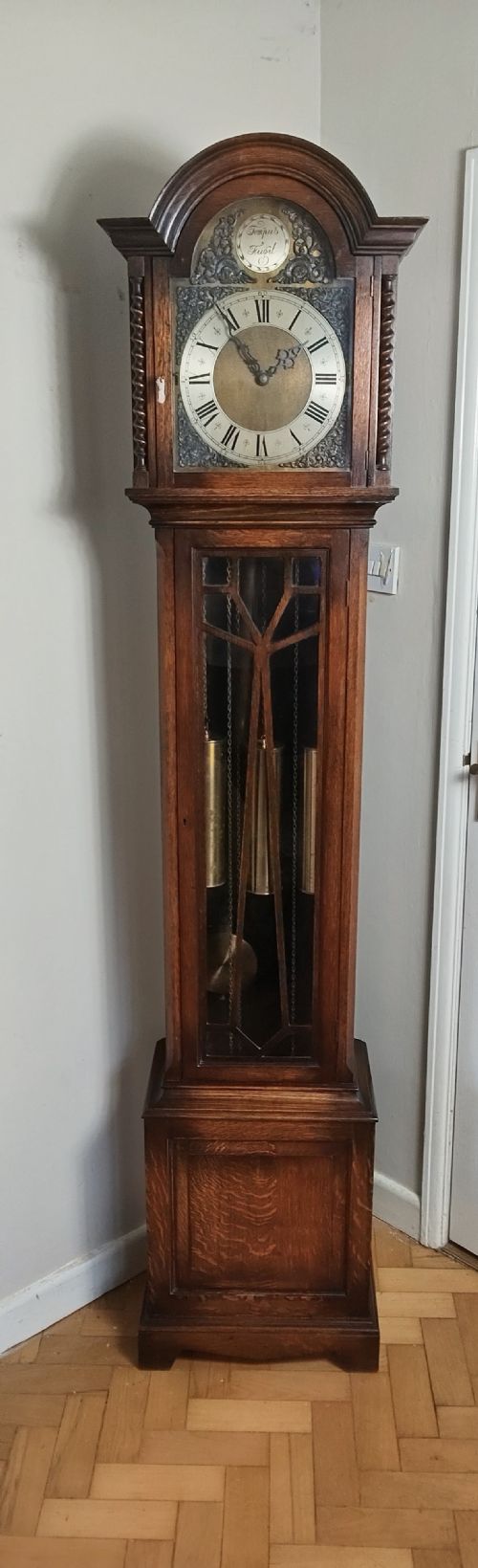
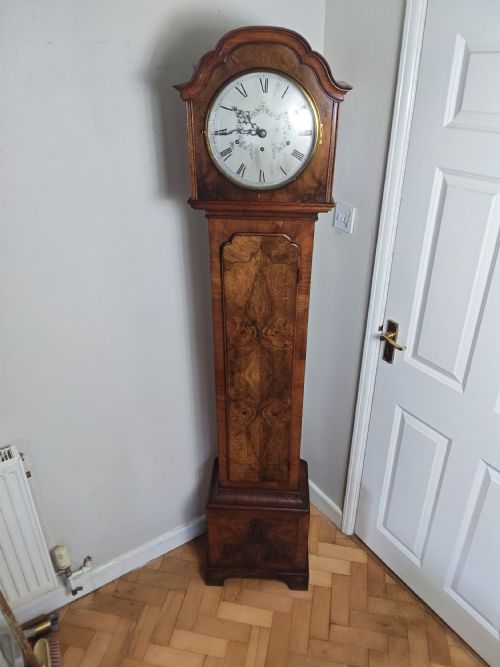
Floor-standing versions range from slim Edwardian mahogany cases to robust Georgian oak longcases housing brass dials. Smaller variants include brass lantern clocks designed for wall brackets and miniature hook and spike iterations.
How they were made
Cabinetmakers constructed the wooden housings using native and imported timber such as oak, mahogany, walnut, and rosewood, frequently incorporating burr veneers, carving, and inlay. Dial faces combined engraved brass, painted enamel, and steel hands protected behind glazed doors.
The internal movements relied on brass gears, steel pinions, and verge or anchor escapements, powered by suspended brass or iron weights. Craftsmen housed these mechanical gear trains inside tall wooden trunks or glazed wall cases designed to maintain a plumb vertical drop for the weights.
The listings span the 17th century to the 1930s, uniting oak, mahogany, walnut, brass, and enamel.
What varies in quality
Quality rests upon the crispness of the case carving, the depth of figuring in the walnut or mahogany veneers, and the precision of the brass movement construction. Superior examples display refined dial engraving, balanced proportions, and high-grade musical or striking gear trains executed by skilled makers.
Lesser specimens exhibit plain secondary timbers, coarser dial painting, and heavy-handed later restorations to the wooden cases. The architectural harmony of the hood, trunk, and base dictates the standing of floor-held longcase clocks.
Gillett and Johnston·Lee of Great Marlow·John Spershott·Windmills and Bennet·Samuel Tinham·Peter Closon·John Waller·William Barrow
The Antique Weight Clock Glossary
- Regulator
- A precision timekeeper designed for high accuracy, often featuring a fine Vienna style case and a visible pendulum. These clocks were utilised as reference standards for setting other timepieces.
- Longcase clock
- A tall floor-standing timepiece housed in a wooden trunk with a weighted movement and pendulum inside, frequently termed a grandfather clock. The case protects the descending weights and long pendulum from air currents.
- Lantern clock
- An early brass chamber clock designed to hang on a wall bracket or sit on a table, driven by cords and weights. They represent some of the earliest domestic mechanical clocks produced in England.
- Verge escapement
- An early clock escapement mechanism featuring a crown wheel and a vertical rod with pallets that controls the release of power. It creates the characteristic quick tick heard in seventeenth-century pieces.
- Grandmother clock
- A smaller, more slender version of the longcase clock produced during the Edwardian and later periods. They occupy less floor space while retaining weight-driven or spring-driven striking movements.
Antique Weight Clock: Frequently Asked Questions
How do weight-driven clocks work?
Weight-driven clocks utilise gravity to power their gear trains by suspending heavy metal cylinders from cords or chains wound around drums. As the weights slowly descend over hours or days, they turn the gears that drive the hands and the striking mechanism.
To reset the time, the weights must be periodically pulled back to the top of the case using a winding key or a pull cord. This continuous downward pull provides a more even force than metal mainsprings, contributing to superior timekeeping accuracy.
What is the difference between a grandfather and a grandmother clock?
Grandfather clocks are tall floor-standing longcase timepieces measuring upwards of six feet, built to accommodate long pendulums and heavy weights. Grandmother clocks are smaller, more compact variants produced mainly in the twentieth century to fit lower ceilings and tighter spaces.
Despite the reduction in scale, grandmother clocks still employ weight-driven or spring-driven movements and traditional dial faces. Their slender proportions make them suitable for modern hallways and smaller rooms.
Where should I place a longcase clock?
Longcase clocks require a stable, dry interior wall away from direct sunlight, central heating vents, and heavy foot traffic that could cause floor vibrations. Because the pendulum and hanging weights depend on a true vertical drop, the case must stand firmly against the wall and be leveled properly.
Placing the clock in a hallway or a principal room allows the striking bells or gongs to resonate clearly through the space. Securing tall floor-standing cases to the wall using discreet brackets prevents accidental tipping.
How do I identify a Vienna regulator?
Vienna regulators are wall-hung clocks featuring elongated glass-fronted walnut or ebonised cases designed to showcase the swinging pendulum and descending weights. Originating in Austria during the nineteenth century, they focus heavily on precision timekeeping and architectural symmetry.
These pieces typically display white enamel dials with Roman numerals, delicate steel hands, and distinctive architectural pediments on the top of the case. Double weight versions feature two brass cylinders suspended side by side to power separate time and strike trains.