




Antique Wax Intaglios
These antique wax intaglios, carved in stone and glass for seals and fobs, offer miniature classical portraits and armorial crests to hold in the hand.
Antique Wax Intaglios
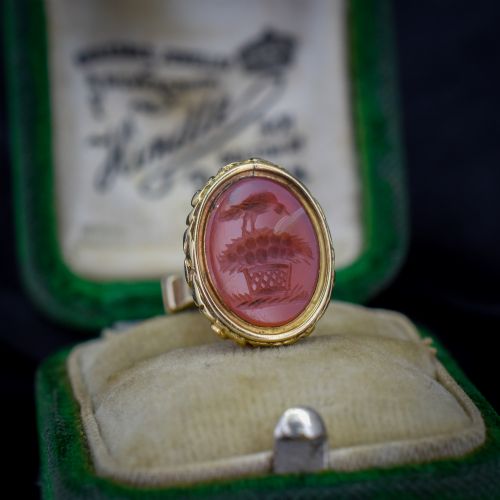
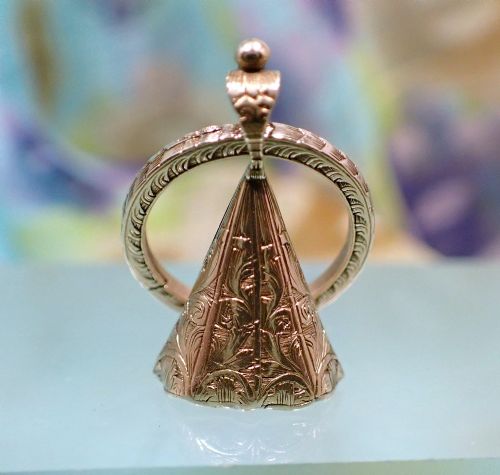
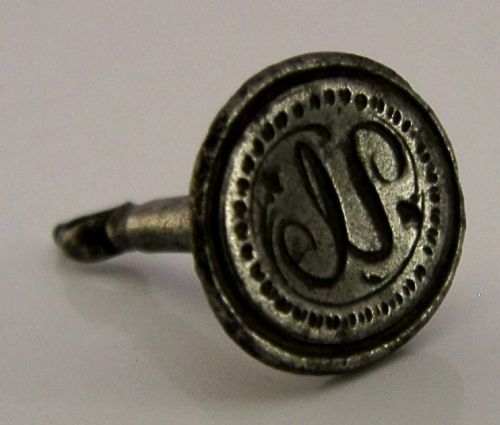
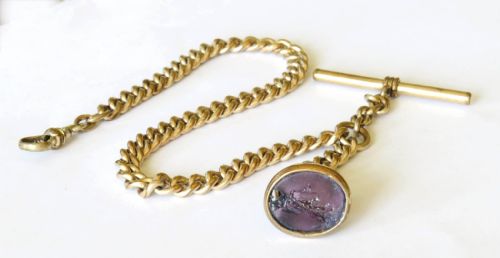
When you search for antique wax intaglios, you enter a field dominated by fob seals, desk accessories, and framed wall art from the Georgian and Victorian periods. Most pieces you meet on this page take the form of pocket fobs or pendants meant to hang from a watch chain, carrying miniature carvings intended for stamping into hot wax.
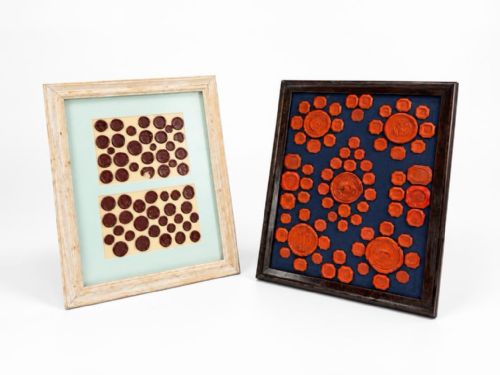
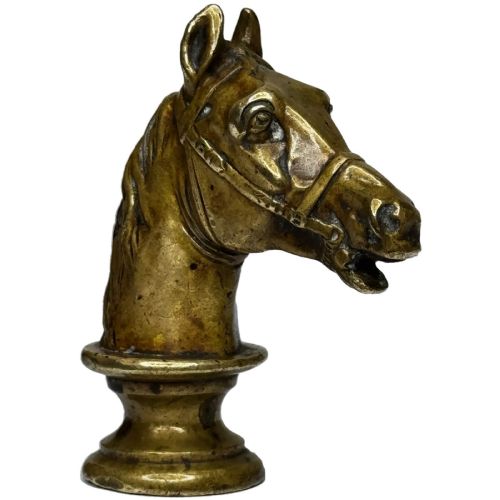
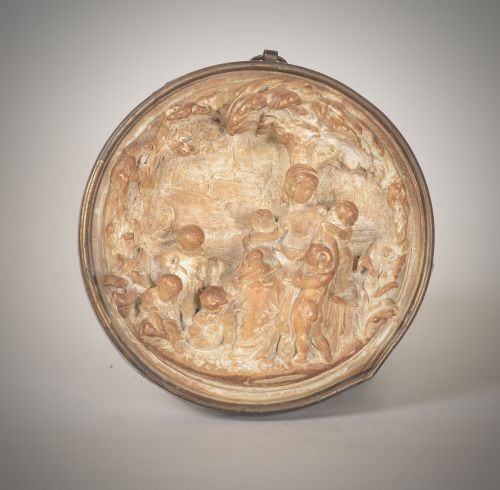
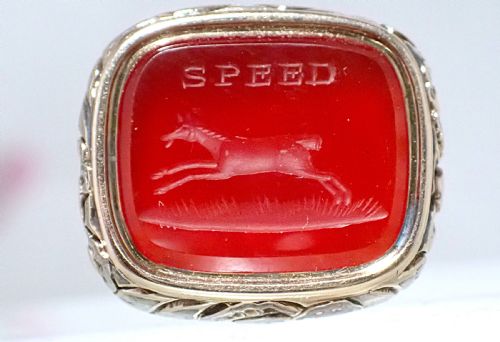
The subjects range from classical Roman emperors and Greek figures to armorial horse heads, wildlife like mother birds and lions, and literary portraits such as William Shakespeare. Grand Tour souvenirs also appear, capturing classical relief work in plaster or coloured glass gathered by travellers on their journeys through Europe.
Materials span from precious metals like yellow gold and gold cased brass to cut steel and gilt metal, holding stones such as carnelian, bloodstone, sardonyx, chalcedony, and rock crystal. You will find them mounted singly as charms or gathered together on charm bracelets and fitted desk sets with multiple coloured glass seals.
How they were made
The carvers worked directly into hardstones and gems such as carnelian, bloodstone, and chalcedony using miniature rotating drills and abrasive powders. This glyptic technique required immense precision to sink a reverse image into a stone small enough to fit a watch fob.
Moulded glass and plaster relief panels offered an alternative to carved stone, produced by pressing molten glass or plaster into matrices to replicate classical gems. These were often housed in fitted boxes or framed for wall display, preserving the imagery of ancient intaglios for collectors.
Antique Wax Intaglios Retail Price Guide 2026
Typical asking prices for wax intaglios among the pieces listed under this phrase on Sellingantiques today, from the lower quarter to the upper quarter. They describe what is for sale here now, not the wider market.
Listings feature hardstones including carnelian, bloodstone, sardonyx, and chalcedony mounted in gold, gold cased brass, cut steel, and gilt metal.
What varies in quality
The fineness of the glyptic engraving marks the primary distinction between standard pieces and masterworks. A superior intaglio displays crisp anatomical detail, clean lettering on mottoes, and subtle depth within a very small compass, whereas lesser examples show blunt lines and shallow cutting.
The choice of stone and metal mounting elevates certain pieces well above others. Natural hardstones like translucent carnelian, deep green bloodstone, and banded sardonyx set in substantial gold mounts represent higher standards than base metal or plain glass alternatives.
Preservation of the original polish and mount integrity dictates value among surviving examples. Intaglios that retain sharp edges to their facets and secure, unblemished settings demonstrate better care through the centuries.
The Antique Wax Intaglios Glossary
- Intaglio
- A design carved into the surface of a gem or stone so that an impression in relief is produced when pressed into wax. This technique reverses the image, creating a raised motif on the sealed letter.
- Fob seal
- A small pendant designed to hang from a watch chain, incorporating a hardstone base engraved with a crest, monogram, or classical figure for sealing correspondence. They were common accessories in the Georgian and Victorian eras.
- Armorial
- Relating to heraldry, featuring a coat of arms, crest, or motto belonging to a specific family. These were carved into seals to authenticate letters and documents.
- Carnelian
- A reddish-orange variety of quartz used extensively for intaglio seals due to its hardness and smooth cutting surface. It takes a high polish and contrasts sharply with white sealing wax.
- Grand Tour
- A cultural journey of Europe undertaken by wealthy young men in the eighteenth and nineteenth centuries to study classical art. Travellers collected plaster reliefs, intaglios, and antiquities as mementos of their travels.
Antique Wax Intaglios: Frequently Asked Questions
What is an antique wax intaglio?
An antique wax intaglio is a carved gemstone or glass tablet used historically to press into hot wax and seal letters or documents. They feature reverse-cut designs of portraits, crests, or classical scenes.
Most surviving examples are mounted into gold or steel fob seals, desk seals, or worn as pendants on watch chains.
How were intaglio fob seals used?
Owners carried these seals suspended from pocket watch chains or kept them on desks to stamp correspondence. Melting sealing wax onto a folded letter, they pressed the carved stone firmly into the pool to leave a raised impression.
This stamp served as a personal signature and kept private letters secure during transit.
How do I date an antique seal?
Dating relies upon the style of the metal mount, the cutting technique of the stone, and any hallmarking present on the gold or silver. Georgian seals often feature heavy, ornate scrollwork and specific armorial motifs, while Victorian examples span a wider range of sentimental and classical subjects.
Boxed desk sets and charm bracelets provide further clues through their construction and fitted cases.
What stones were used for intaglios?
Carvers favoured hardstones that could take a fine polish and resist wear during the stamping process. Carnelian, bloodstone, sardonyx, chalcedony, and rock crystal appear frequently in these pieces.
Coloured glass and plaster were also utilised for affordable grand tour souvenirs and desk sets.