


Antique Watercolour Gentleman Painting
These antique watercolour gentleman painting works capture the likeness of figures from past centuries in delicate pigments on paper, offering a direct window into historical character.
Antique Watercolour Gentleman Painting
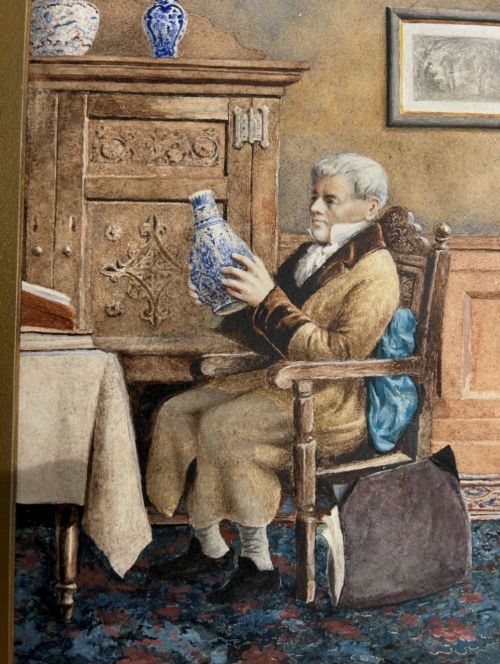
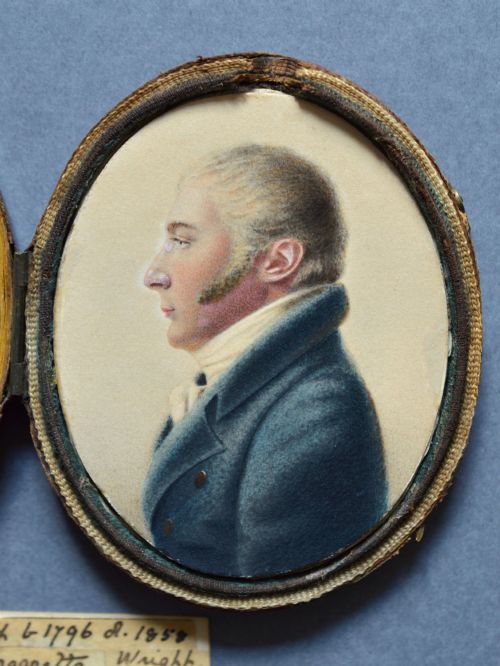
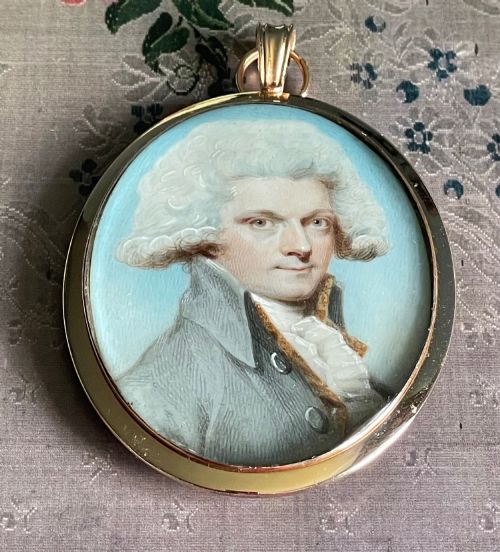
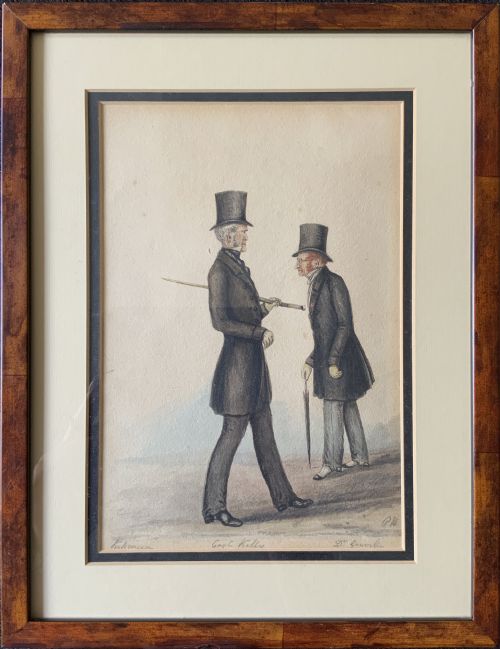
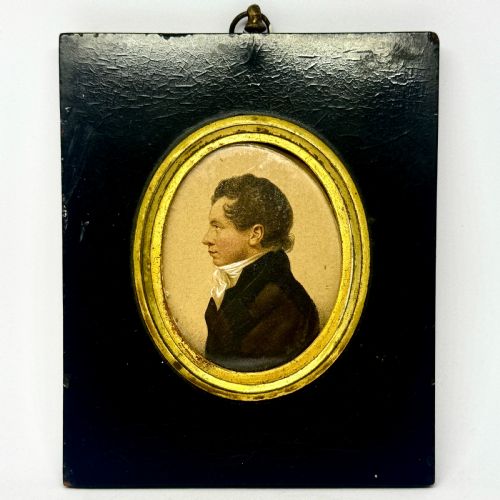
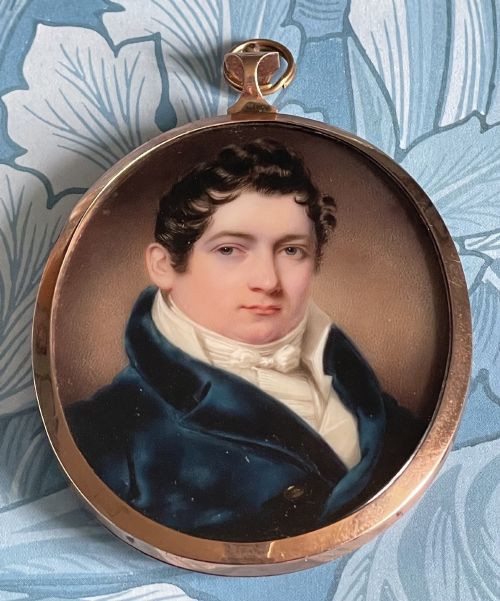
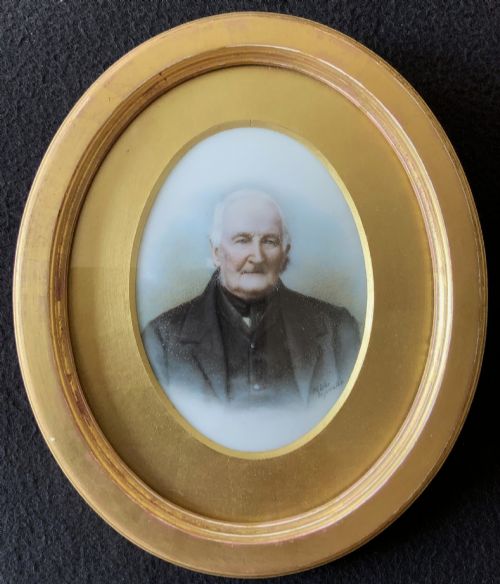
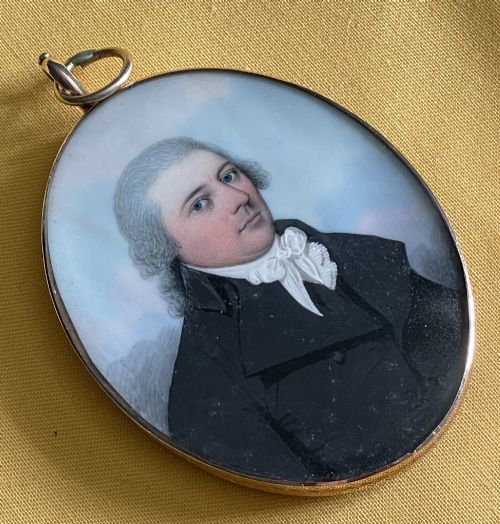
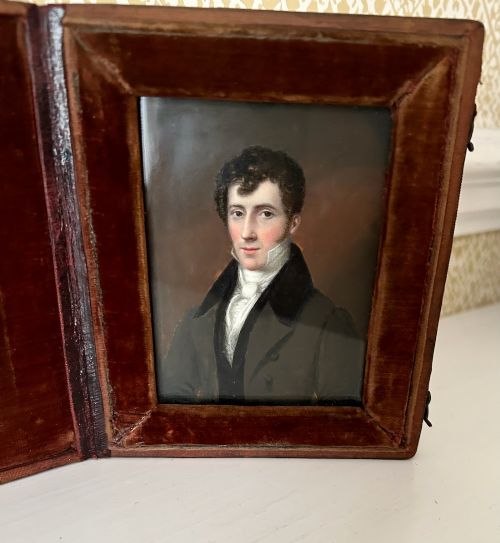
An antique watercolour gentleman painting encompasses miniature portraits, framed wall art, and character studies created during the eighteenth and nineteenth centuries. These works record individual likenesses through the medium of watercolour on paper, sometimes mounted behind glass within wood or gilt metal frames.
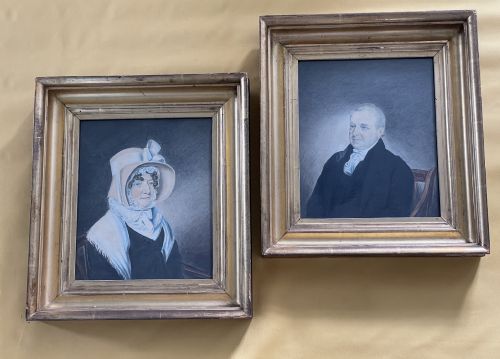
The pieces on this page span the Georgian, Regency, and Victorian periods, reflecting the shifting fashions of male dress and portraiture over generations. Buyers will encounter both intimate, hand-held miniatures intended for personal tokens and larger framed works designed for display on domestic walls.
Subjects range from named figures such as military officers, clergymen, and nobility to country gentlemen and naive depictions of everyday characters. Many are executed by known professional artists or identified continental and English schools, while others remain the work of skilled anonymous hands.
Materials and technique
The foundation of these works relies upon delicate watercolours applied to fine paper, occasionally supported by ivory or card, depending on the scale and period of the piece. Miniature formats often demand meticulous brushwork to achieve facial detail within a restricted surface area.
Framing materials play an integral role in the physical structure of these works, utilising glass for protection alongside wood, papier-mâché, gold, and gilt metal mounts or brooch settings. These original enclosures frequently incorporate specialised hanging loops or folding stands tailored to intimate portraiture.
The listings demonstrate a strong concentration of portrait miniatures and framed works originating from the eighteenth and nineteenth centuries, executed in watercolour on paper.
Determinants of quality
Quality rests upon the precision of the brushwork and the psychological depth achieved in capturing the sitter's expression, separating master miniaturists from competent provincial recorders. Subtle handling of light and tone across the fabric of the coat and the contours of the face reveals the true capability of the hand.
The preservation of the paper support and the vibrancy of the original pigments dictate the visual strength of the piece today. Intact period frames, whether constructed from birdseye maple, giltwood, or gold, contribute significantly to the integrity and historical completeness of the object.
Charles Shirreff·John C D Engleheart·Frederick Buck·George Engleheart·Samuel Cotes·Diana Hill·AE Chalon·John Barry
The Antique Watercolour Gentleman Painting Glossary
- Portrait miniature
- A small, highly detailed painting designed for intimate viewing or personal carriage. These works frequently utilise delicate watercolour on paper or ivory.
- Regency
- A stylistic period spanning the early nineteenth century, characterised by neoclassical elegance in portraiture and furnishings. Works from this era often display restrained palettes and sharp linear definition.
- Naive art
- A style produced by artists lacking formal academic training, resulting in charmingly direct proportions and perspective. These pieces rely on observation rather than strict adherence to classical drawing rules.
- Gilt metal
- A base metal treated with a thin layer of gold or gold-coloured wash to imitate solid precious metal. It appears frequently in the housing of portable nineteenth-century miniatures.
- Companion pieces
- A matched pair of artworks created together, often depicting a lady and gentleman. They share dimensions, framing, and artistic style.
Antique Watercolour Gentleman Painting: Frequently Asked Questions
How were portrait miniatures displayed historically?
Miniatures were frequently housed in protective leather cases, pinned to clothing as brooches, or worn as pendants close to the heart. Many featured hinged metal backs or stands for placement on desks and dressing tables.
Larger watercolour paintings on paper were typically mounted behind glass within wooden frames, such as birdseye maple or giltwood, to hang upon domestic walls. This ensured the fragile pigments remained shielded from dust and moisture.
How do I identify a Georgian portrait?
Georgian works, produced during the eighteenth and early nineteenth centuries, often exhibit specific costume details such as powdered hair, high-collared coats, and cravats. The painting technique leans towards soft blending and subdued tonal palettes characteristic of the period.
Signatures or inscriptions on the reverse of the frame or paper support occasionally provide specific dates or the sitter's identity. Stylistic markers align closely with the prevailing portraiture fashions recorded between seventeen-hundred and eighteen-thirty.
How should I care for a watercolour painting?
Watercolour pigments are sensitive to strong light and humidity, requiring placement away from direct sunlight to prevent fading. Maintaining a stable indoor climate protects both the paper support and the surrounding frame.
Original glass should be left intact to guard the delicate surface against atmospheric pollutants and physical contact. Professional framing conservation ensures the paper does not touch the glass directly over time.