
Antique Watercolor Painting
An antique watercolor painting brings quiet colour and paper delicacy to a room through landscapes, portraits and maritime scenes.
Antique Watercolor Painting
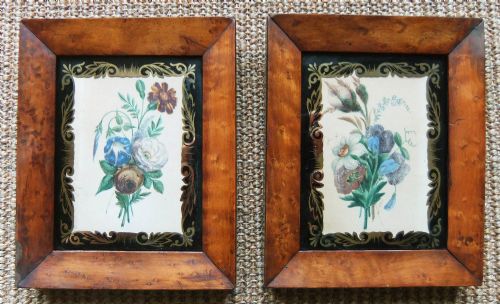
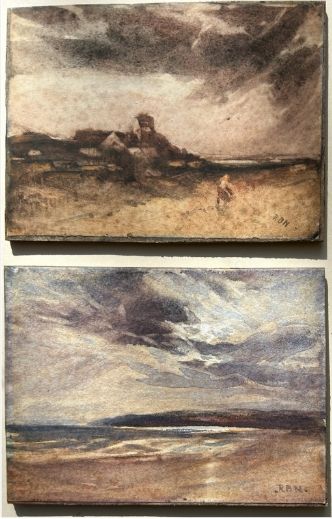
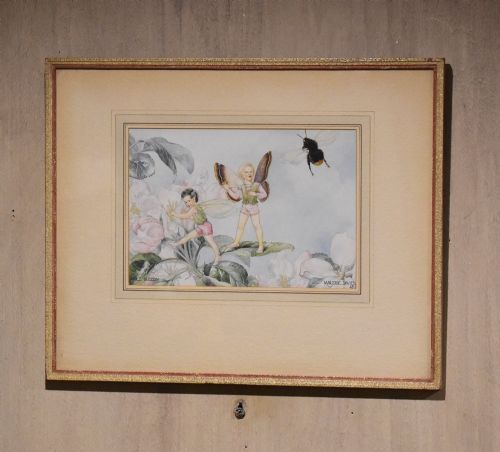
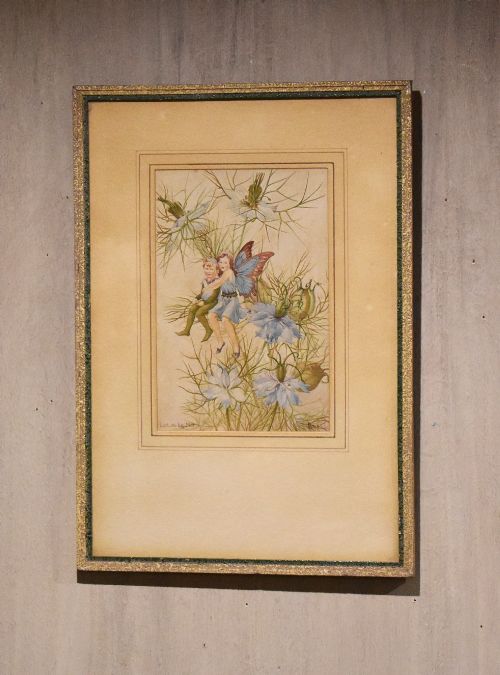
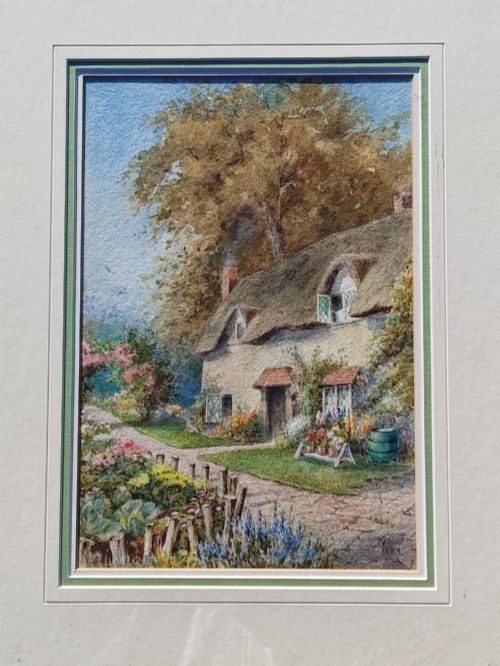
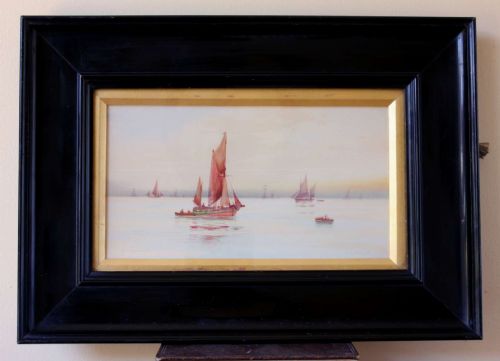
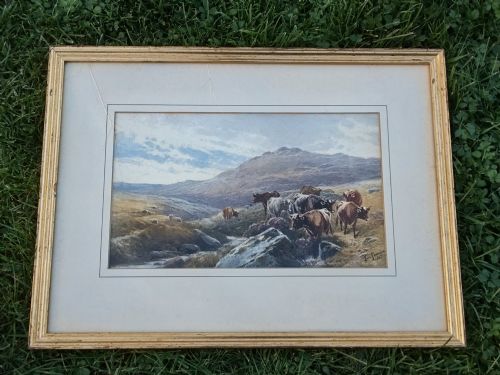
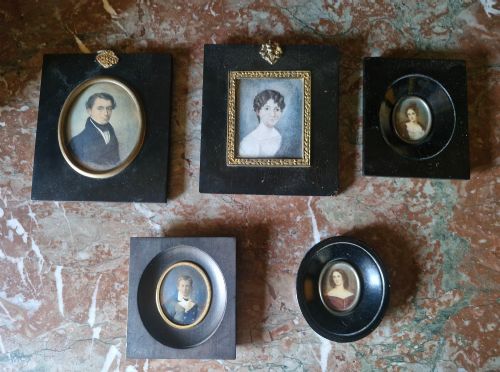
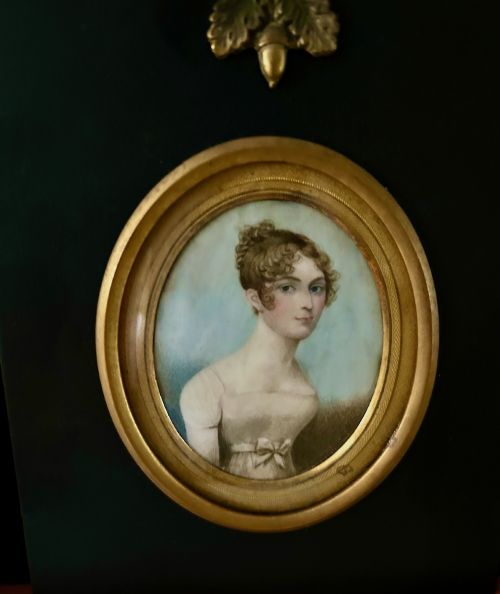
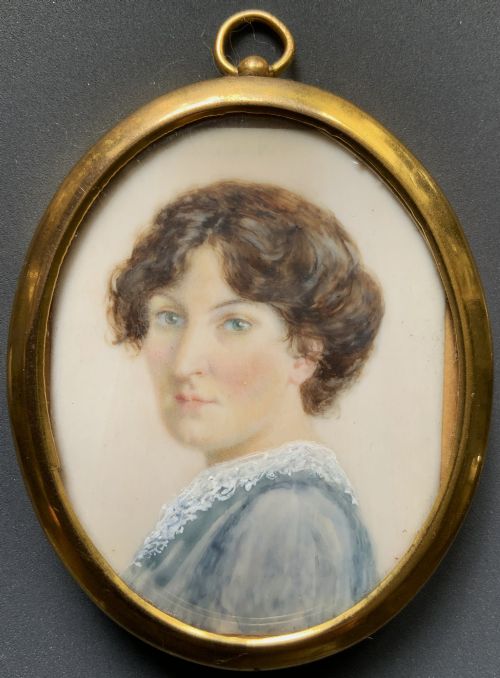
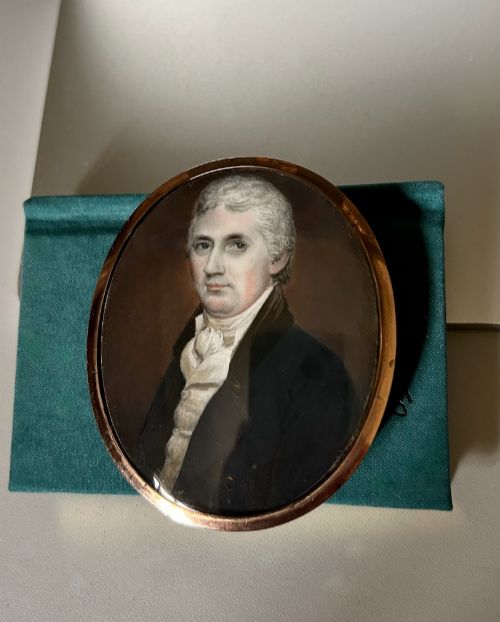
When searching for an antique watercolor painting, buyers encounter works executed on paper or pith paper across the nineteenth and early twentieth centuries. These pieces encompass framed artwork, wall art, and portrait miniatures depicting landscapes, maritime scenes, and figural subjects.
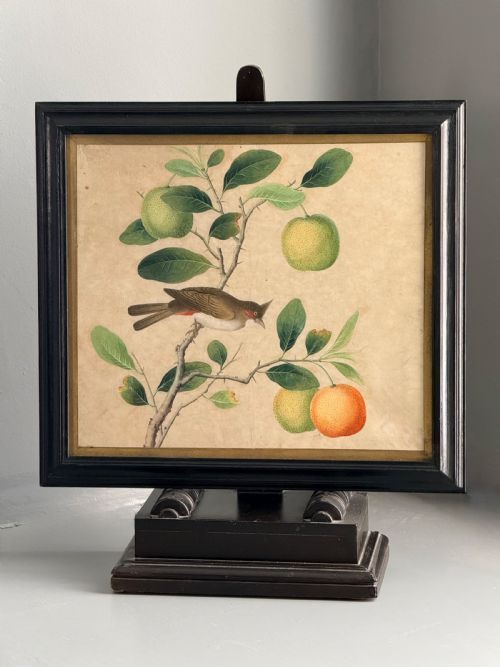
The selections available range from Regency and Victorian compositions to Edwardian and later works. British Impressionism and naive art sit alongside Chinese export pieces, reflecting diverse regional origins and nineteenth-century sketching traditions.
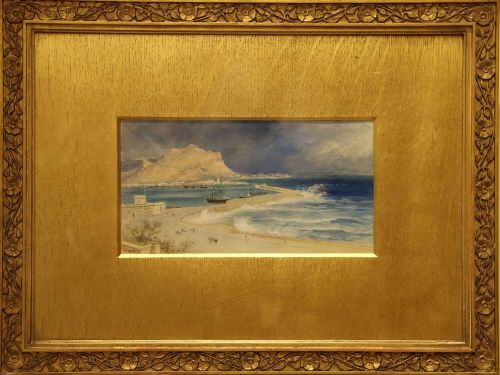
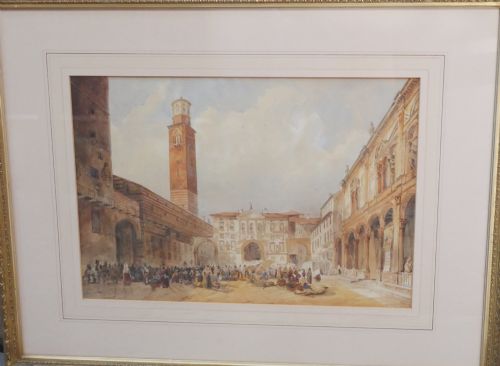
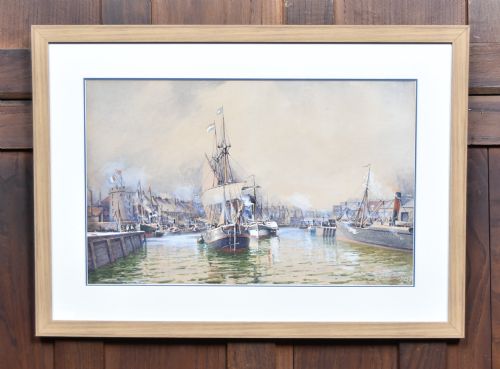
Framed paintings typically arrive behind glass within wood or giltwood frames that protect the delicate pigment. Subject matter varies from Scottish landscapes and Venetian markets to intimate portraits and marine sketches.
How they were made
Artists applied watercolour pigment and bodycolour directly onto paper support surfaces, occasionally utilising pith paper for specialised export works. Pigments required careful handling with brushes to achieve tonal graduation and fine detail.
Finished watercolours were secured behind glass and housed within timber mouldings, frequently in gilt wood or gesso frames. This combination preserved the fragile paper medium from light and moisture damage over decades.
Listings feature paper, watercolour pigment, glass, and gilt wood across nineteenth and twentieth-century works.
What varies in quality
The strength of composition and sureness of brushwork separate accomplished hands from standard output. Signed works by documented artists display confident handling of light and atmosphere, particularly in landscape and maritime subjects.
Preservation of the paper support and vibrancy of the original watercolour pigment dictate the visual impact of a piece. Original period framing matching the age of the artwork adds further distinction to a painting.
George Sydney Shepherd·George Lorain Stampa·George Fotherly Hargitt·Thomas Miles Richardson Jnr·James Orrock·Henri Fradelle·William Henry Earp·William Cannon·Richard Principal Leitch·Sir James Dromgole Linton·John R Prentice·Thomas Ellison·Alfred Young Nutt·Percy Lancaster·Henry Stacy Marks·James Smetham·John Hassall·Edward Bradford·A Mitchell·A Marie Parsons·John McDougal·Thomas John Horsley·EJ Letheren·Charles Shirreff·James E Aitken
The Antique Watercolor Painting Glossary
- Watercolour
- A paint consisting of a pigment suspended in a water-soluble vehicle, used primarily on paper. It offers translucent washes and delicate tonal effects.
- Bodycolour
- Watercolour mixed with a white pigment to render it opaque, also known as gouache. Artists utilised it to create highlights and solid areas of colour.
- Pith paper
- A delicate material prepared from the pith of the Tetrapanax papyrifer plant. It supports traditional Chinese figural and botanical paintings.
- Portrait miniature
- A small, highly detailed painting on paper, vellum or ivory. These portable works captured likenesses with intimate precision.
- Giltwood
- Wood that has been coated with gold leaf or gold paint. It forms the decorative framing surrounding many nineteenth-century works on paper.
Antique Watercolor Painting: Frequently Asked Questions
How should I hang an antique watercolor painting?
Keep the artwork away from direct sunlight to prevent the pigments from fading over time. Maintain stable room conditions to protect the paper support and framing.
Ensure the painting hangs securely using appropriate fixings suited to the weight of the wood and glass frame.
Can I remove a watercolor from its frame?
Leaving the piece within its original frame preserves the historical context and protects the fragile paper surface. Opening the frame exposes the sheet to airborne dust and potential handling damage.
Consult a professional paper conservator if the backing or mount requires attention.
How do I identify the period of a painting?
Examine the style of the brushwork, the clothing of any figures depicted, and the framing materials. Signatures and dates inscribed by the artist provide direct evidence of the creation year.
Compare the paper type and framing construction with known examples from the same era.
What is the difference between watercolor and bodycolour?
Watercolour employs translucent washes where the white of the paper illuminates the pigment. This creates a light, luminous effect typical of traditional British landscape sketches.
Bodycolour incorporates opaque white paint to build solid highlights and heavier areas of colour, offering a denser appearance similar to gouache.