

Antique Watch with Fob
An antique watch with fob brings together practical timekeeping and decorative metalwork from the Victorian, Edwardian, and Art Deco eras.
Antique Watch with Fob
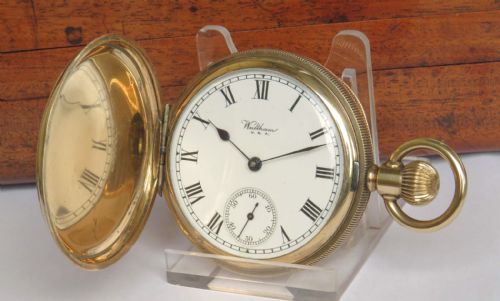
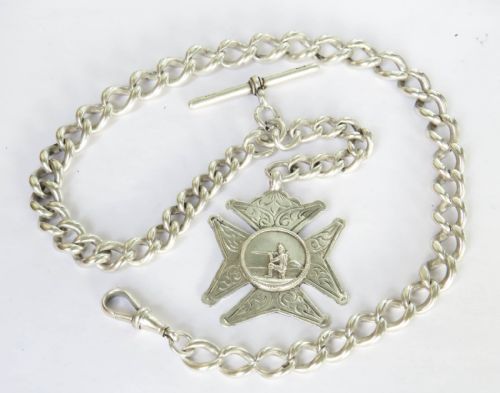
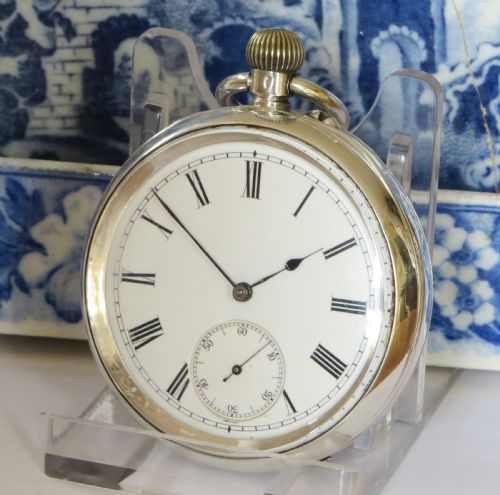
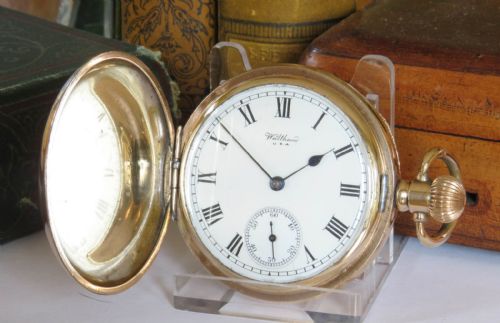
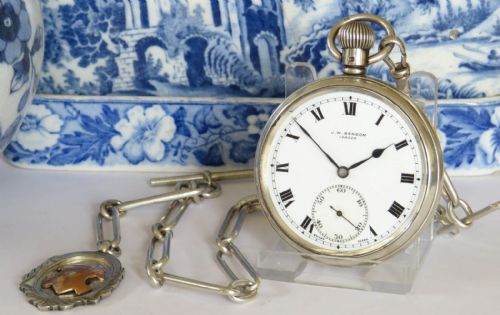
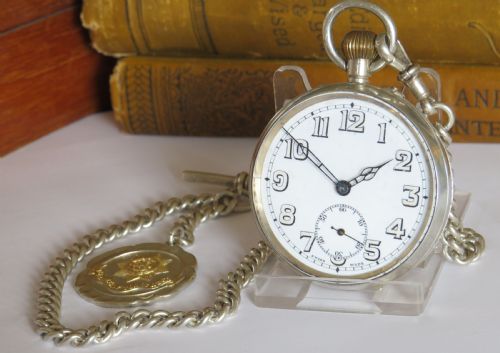
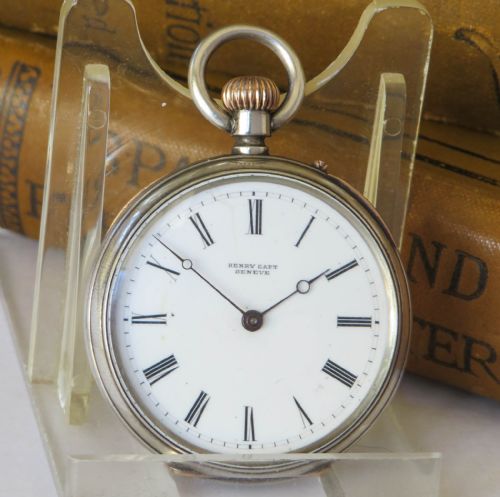
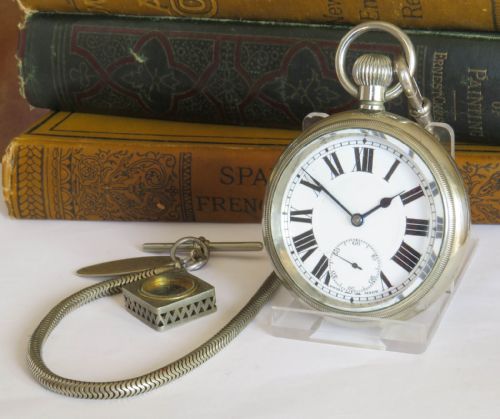
An antique watch with fob combines a pocket watch, such as a silver fusee, full hunter, or half hunter, paired with a matching chain and hanging pendant. These pieces represent decades of personal timekeeping from the nineteenth century through to the 1930s.
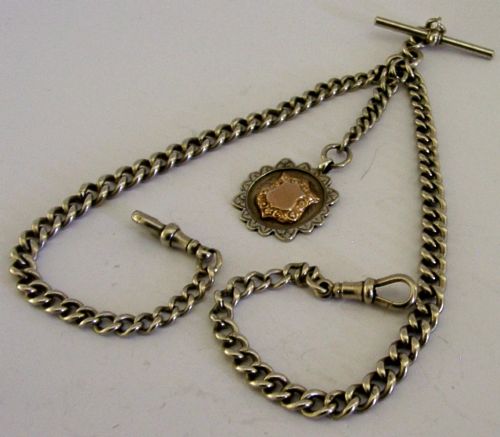
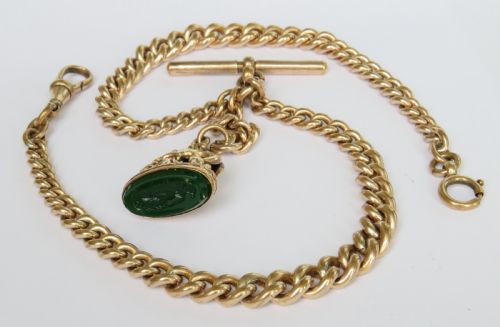
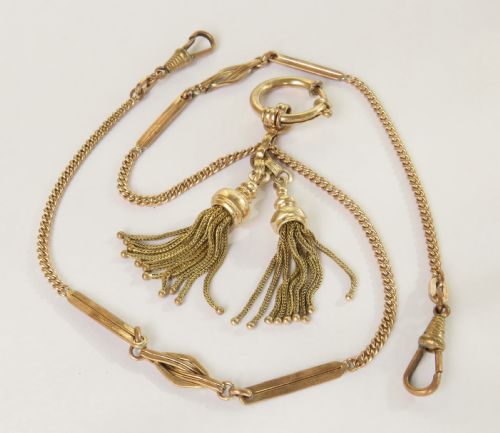
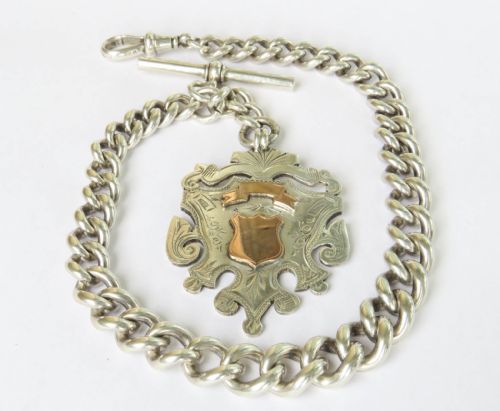
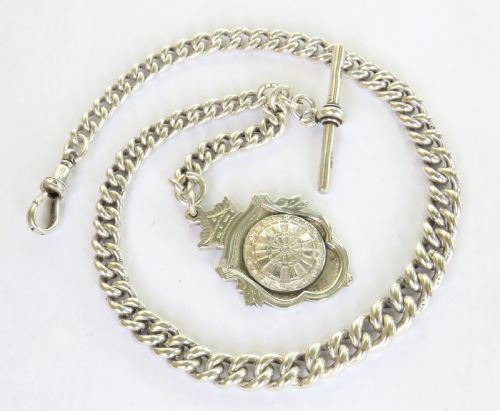
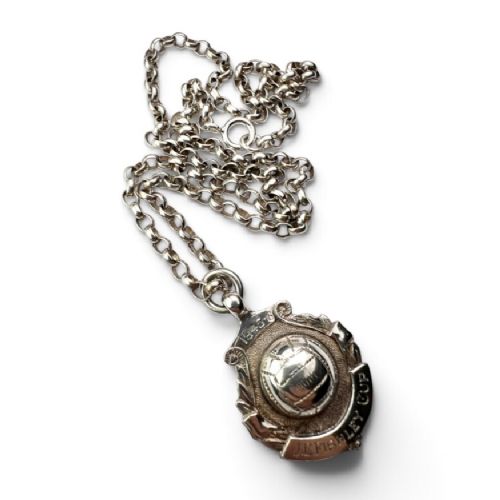
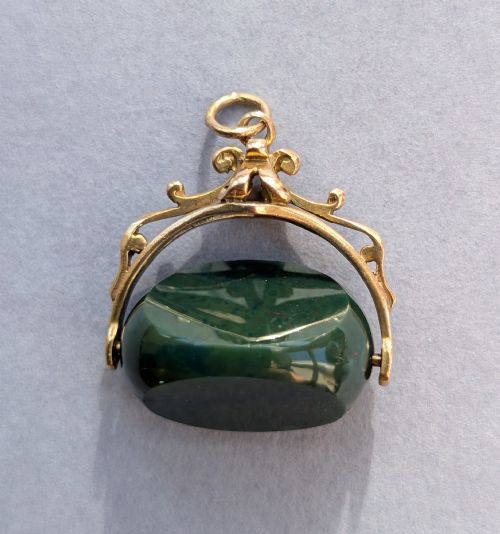
The most common configurations on this page include pocket watches attached to silver or gold albert chains, often accompanied by compasses, tassels, whistles, or swivel fobs featuring bloodstone. Styles range from restrained Victorian and Edwardian pieces to geometric Art Deco designs and nineteenth-century French gilt items.
Makers and origins span local British watchmakers, such as Nottingham and Folkestone workshops, alongside renowned houses like Omega, Doxa, Horos, Urania, and J W Benson. Buyers encounter both complete matched sets and individual chains paired with period pendants.
Materials and construction
Metal selection forms the structural core of these items, utilising sterling silver, 9ct and 18ct gold, rolled gold, brass, nickel, steel, and French gilt. Chains are worked into complex links such as trombone patterns, love knots, and albertina designs.
Decorative elements incorporate glass crystals over watch faces, enamel work on casing backs, and hand-engraved floral motifs. Swivel fobs and pendants frequently mount hardstones like bloodstone within secure metal bezels.
Antique Watch with Fob Retail Price Guide 2026
Typical asking prices for watch with fob among the pieces listed under this phrase on Sellingantiques today, from the lower quarter to the upper quarter. They describe what is for sale here now, not the wider market.
Listings span Victorian, Edwardian, and Art Deco periods, utilising materials from sterling silver and 9ct gold to rolled gold and brass.
Assessing quality and execution
Quality rests upon the crispness of hand-engraving on the watch faces and cases, alongside the structural integrity of the chain links and dog clips. Superior examples display balanced proportions between the timepiece and its accompanying albert chain or pendant.
The sophistication of the movement mechanism, from standard configurations to fusee movements, distinguishes standard production from finer horological work. Materials also dictate grade, with solid 9ct or 18ct gold and sterling silver retaining greater intrinsic substance than nickel, brass, or rolled gold alternatives.
Urania·Omega·Horos·Doxa·J W Benson
The Antique Watch with Fob Glossary
- Albertina
- A delicate variation of the standard albert chain, often woven with multiple strands of fine metal wire or small links. These were frequently worn by women as bracelets or necklaces.
- Fusee
- An antique mechanical movement utilising a conical pulley and chain to maintain even force as the mainspring winds down. This system was standard in better quality nineteenth-century pocket watches.
- Full hunter
- A pocket watch featuring a spring-loaded metal cover that protects the glass crystal from scratching. The cover springs open via a crown-mounted push-button.
- Half hunter
- A pocket watch case featuring a small glass aperture or open centre on the outer cover. This allows the wearer to view the hands without opening the protective lid.
Antique Watch with Fob: Frequently Asked Questions
How do I wear an antique watch chain?
An albert chain is secured by passing the T-bar through a buttonhole on a waistcoat or jacket, allowing the chain to drape across the front. The pocket watch sits securely in the lower pocket, while any attached fob or pendant hangs from the central drop.
Alternatively, many contemporary collectors wear longer albert chains doubled around the neck as necklaces. Dog clips and swivel clasps make it simple to attach or remove pendants and charms.
What is a swivel fob?
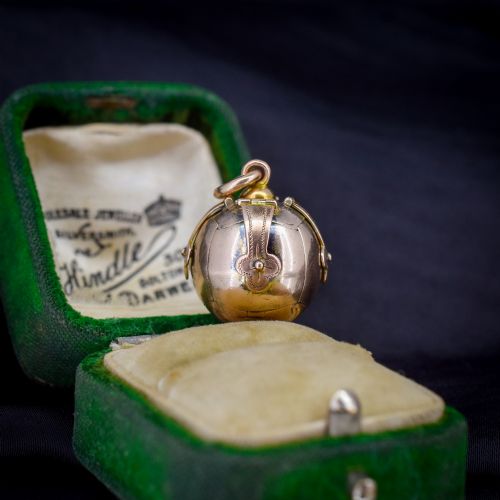
A swivel fob is a small decorative pendant attached to a watch chain via a rotating pivot ring. They frequently feature a hardstone, such as bloodstone, mounted on one side and smooth metal on the reverse.
The rotating mechanism allows the wearer to display either face outward depending on preference. They often incorporated engraved initials or family crests.
Are these pocket watches still functional?
Many antique pocket watches remain in working order, though mechanical movements require careful handling and regular servicing by a specialist. Fusee and lever escapements from the Victorian and Edwardian periods were built to be repaired and maintained over generations.
Buyers intending to use a piece for daily timekeeping should consult a horologist to check the lubrication and accuracy of the internal springs.