


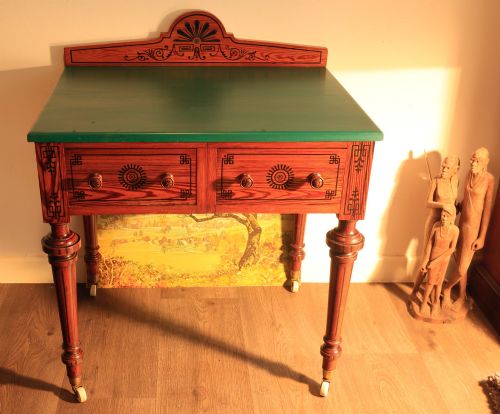

Antique Washstand with Drawers
An antique washstand with drawers is a practical piece of bedroom furniture that combines drawer storage with a surface traditionally designed for a wash basin and pitcher.
Antique Washstand with Drawers
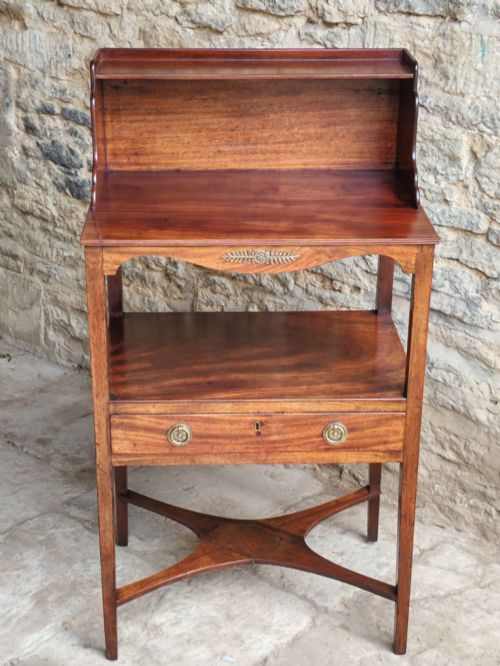
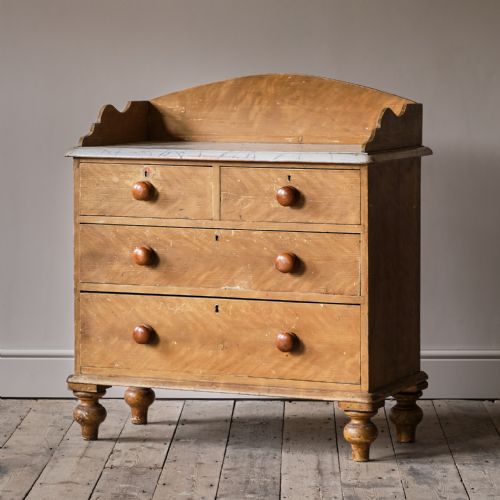
An antique washstand with drawers serves as a functional bedroom item originating primarily from the Georgian, Victorian, and Edwardian periods. These pieces bridge the gap between utilitarian chamber furniture and formal domestic tables.
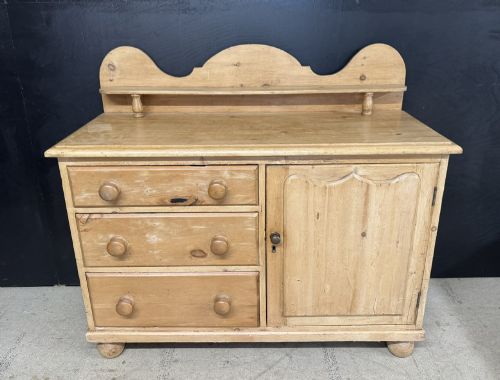
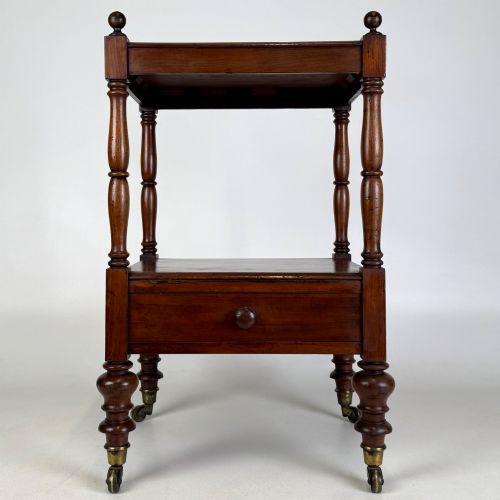
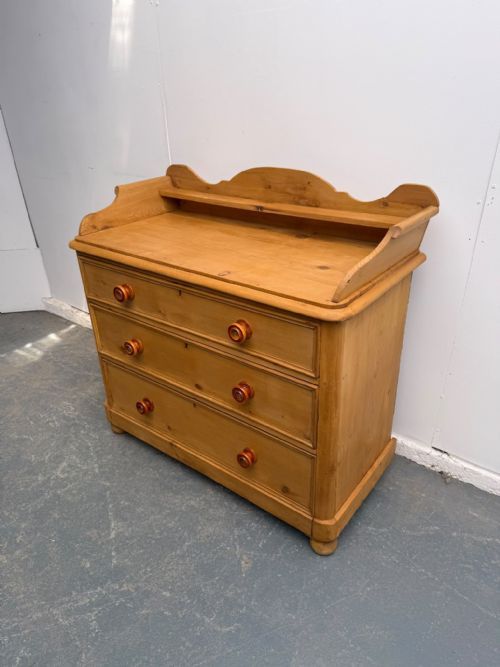
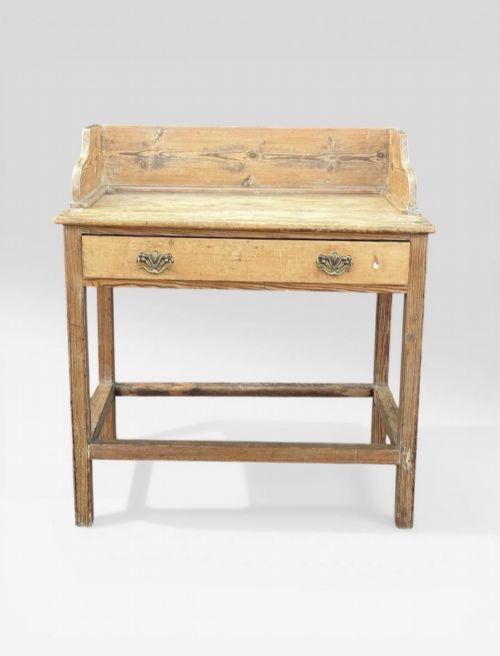
Most examples encountered on this page are constructed from timber such as mahogany or pine, often featuring integrated storage beneath the primary surface. The inventory also includes related forms like side tables and chests that share similar utilitarian proportions.
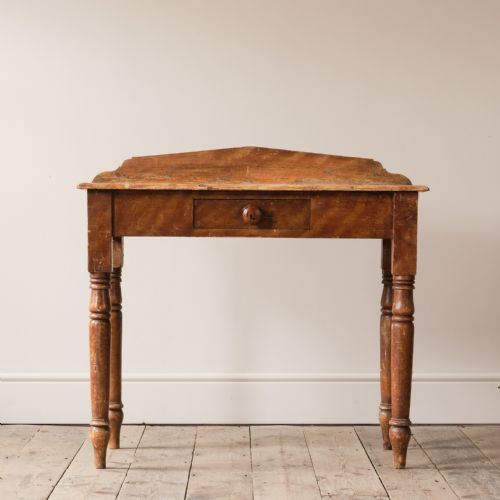
Buyers will find both polished hardwood versions suited for formal rooms and painted pine variations reflecting simpler country or provincial styles. Each piece demonstrates the specific storage needs of period domestic spaces before plumbed bathrooms became standard.
How they were made
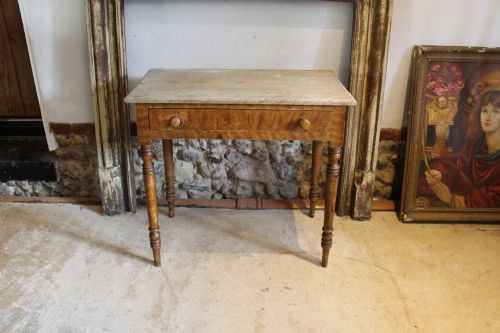
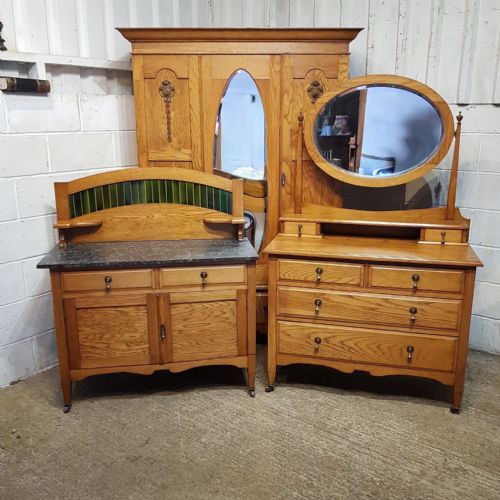
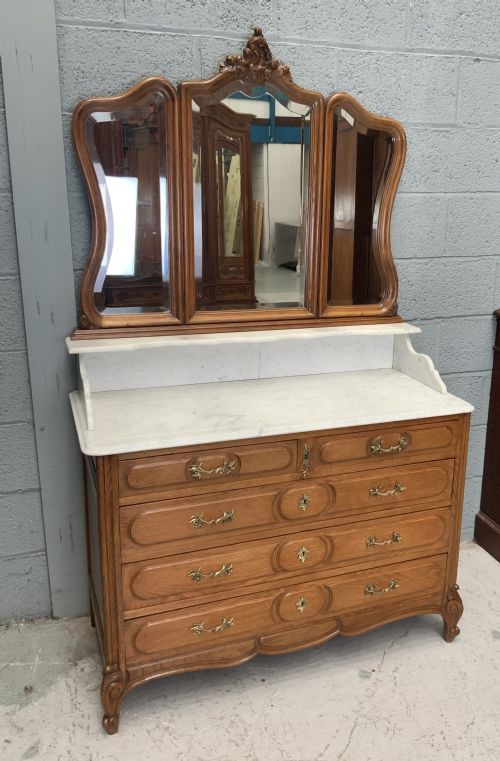
Cabinet makers utilised solid mahogany, pine, and pitch pine to construct the frames and drawers of these washstands. Surfaces occasionally incorporate marble tops or decorative paint finishes to protect against water splashes.
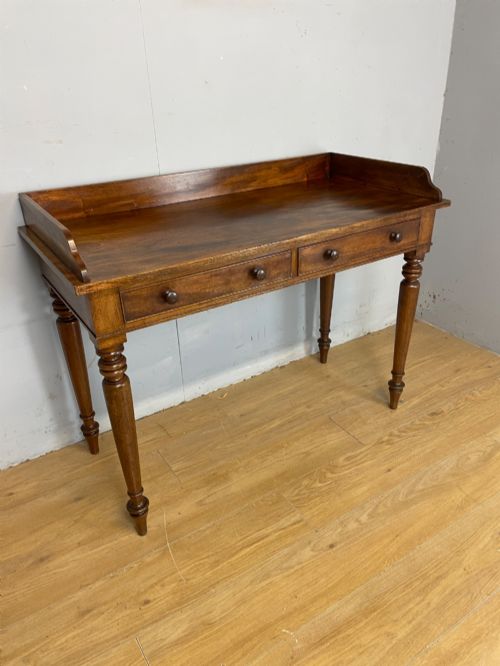
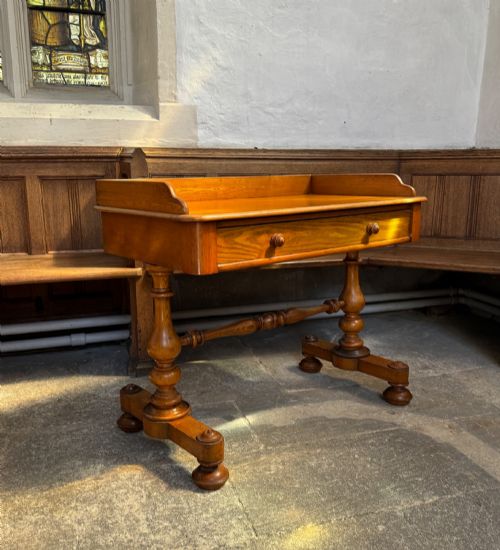
Joinery methods included pegged or dovetailed drawer construction alongside turned legs and gallery backs. Brass hardware often provided pulls for the drawers and handles for utility.
One unexpected Victorian side writing desk hides its paperwork origins behind the everyday utility of a sturdy pine washstand.
What varies in quality
The choice of timber heavily dictates the standing of a piece, separating fine mahogany furniture from utilitarian pine washstands. Cabinet making execution, from the tightness of drawer joints to the presence of serpentine fronts and gallery surrounds, marks the upper tiers of production.
Original surface treatments, whether clear wax polish or untouched period paint, maintain the integrity of the object. Pieces that retain their original brass fittings and structural harmony sit comfortably above heavily altered examples.
J. Shoolbred
The Antique Washstand with Drawers Glossary
- Gallery
- A low raised border surrounding the top of a table or washstand to prevent items from sliding off. This feature is frequently found on pieces designed for washing equipment.
- Serpentine-fronted
- A curved cabinet front that undulates with a convex centre flanked by concave sides. This shape demands high woodworking skill.
- Pitch pine
- A resinous softwood used extensively in Victorian furniture making. It provides a durable surface with distinct grain patterns.
- Satinwood
- A pale, hard timber used for fine cabinet work and contrasting inlay or stringing. It appears on lighter Edwardian items.
Antique Washstand with Drawers: Frequently Asked Questions
How were antique washstands used?
These pieces held a wash basin, jug, and soap dishes on top for morning ablutions before modern plumbing existed. The drawers stored linens, powders, and personal grooming items.
Today, they function well as hallway tables, bedside units, or bathroom sink surrounds where period character is desired.
What woods were used for washstands?
Makers constructed them from hardwoods like mahogany for formal rooms and softwoods like pine for simpler domestic settings. Pitch pine also appears frequently in Victorian examples.
Some surfaces incorporated marble inserts to resist water damage from the wash basins.
How do I tell Georgian from Victorian pieces?
Georgian pieces tend to feature cleaner lines, lighter proportions, and rich mahogany timbers. They often include specialised forms like corner stands or wig stands.
Victorian items frequently utilise pine, heavier turned legs, painted finishes, and more robust proportions to suit changing domestic fashions.
Can I use a washstand as a bathroom vanity?
Many buyers adapt these pieces to hold modern countertop basins and plumbing fixtures. The drawers often require modification to accommodate water pipes underneath.
Solid wood and marble tops provide practical water resistance when sealed appropriately.