


Antique Washstand Basin
An antique washstand basin provides the central fixture for traditional hygiene, combining practical ceramic vessels with dedicated wooden stands.
Antique Washstand Basin
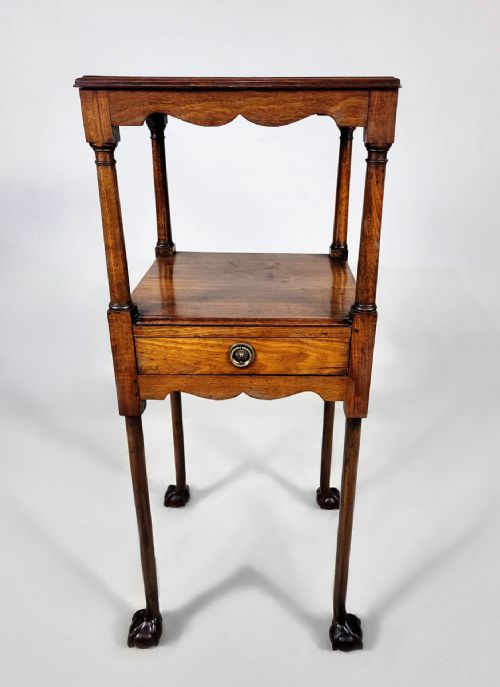
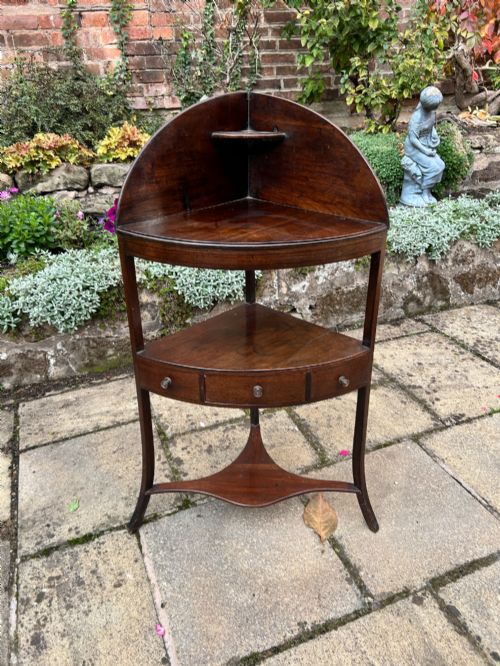
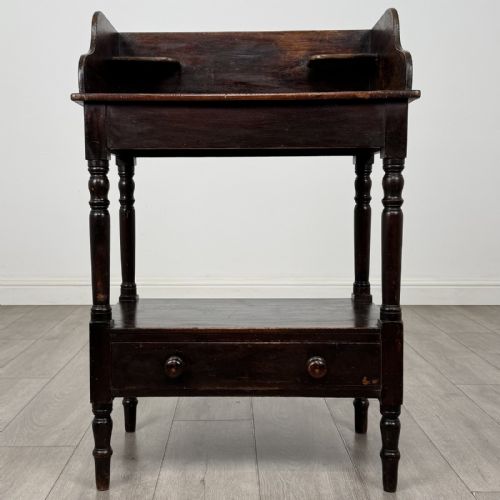
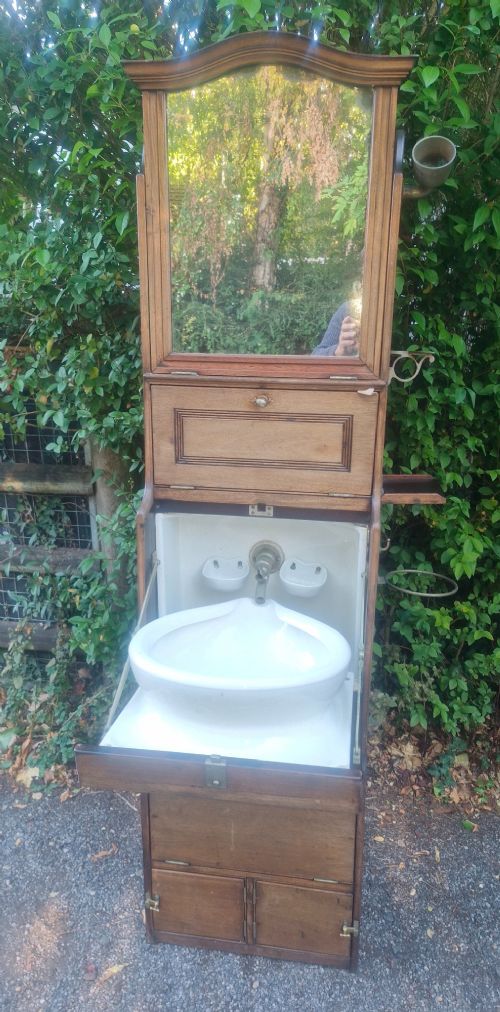
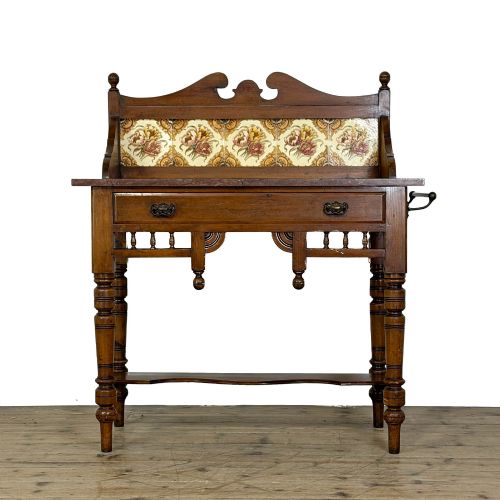
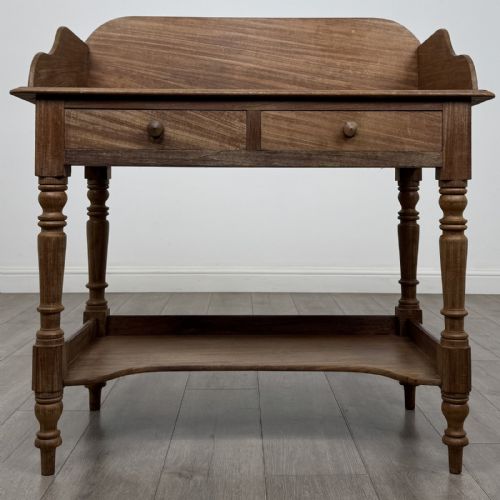
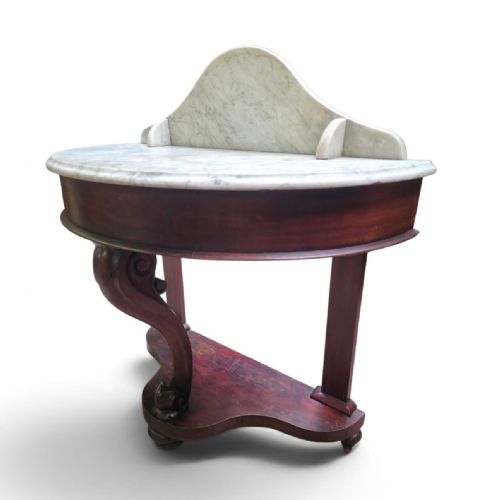
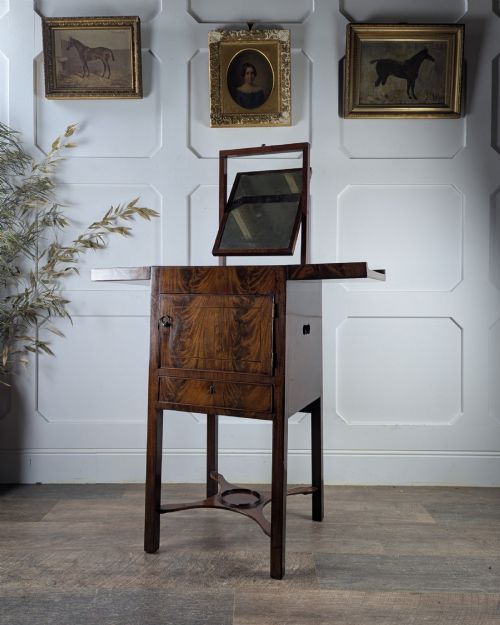
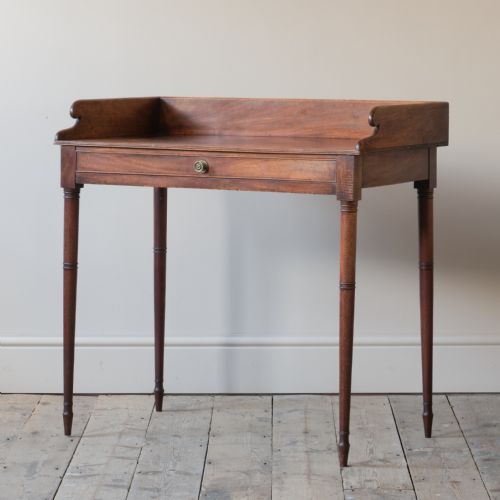
The antique washstand basin category encompasses everything from Georgian folding corner stands to substantial Victorian marble-topped units and complete Edwardian ceramic sets. Buyers encounter numerous mahogany pieces alongside pine, earthenware, and porcelain variants spanning the eighteenth, nineteenth, and early twentieth centuries.
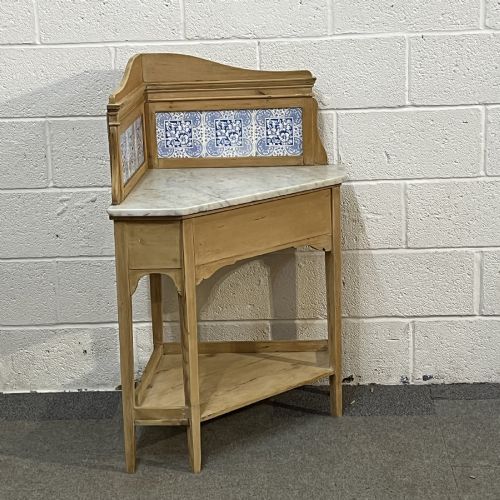
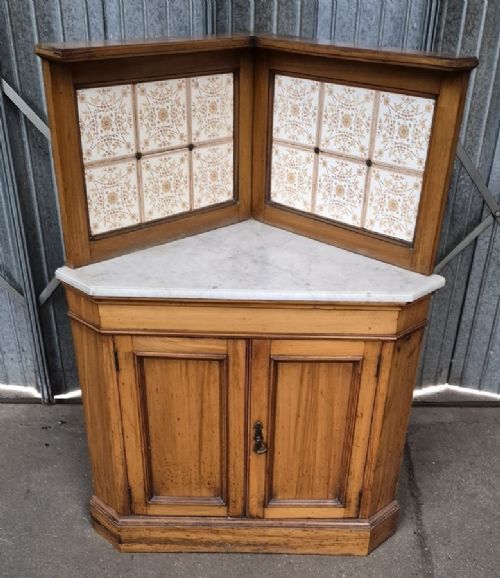
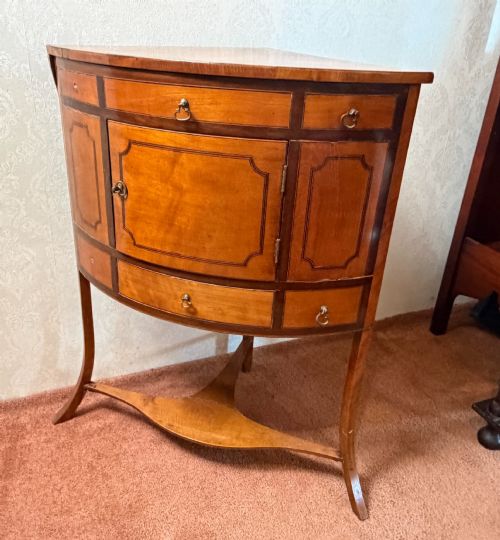
Corner configurations appear frequently in Georgian and Regency examples, designed to utilise domestic space efficiently. Later Victorian and Edwardian iterations often feature integrated marble tops or comprise matched jug and bowl sets intended for bedroom use before plumbed bathrooms became standard.
Materials and construction
Cabinetmakers utilised solid timbers such as mahogany, satinwood, pine, and chestnut to construct the supporting stands and cabinets. Joinery methods included dovetailed drawers, turned legs, and folding frameworks designed to conceal basins and pitchers.
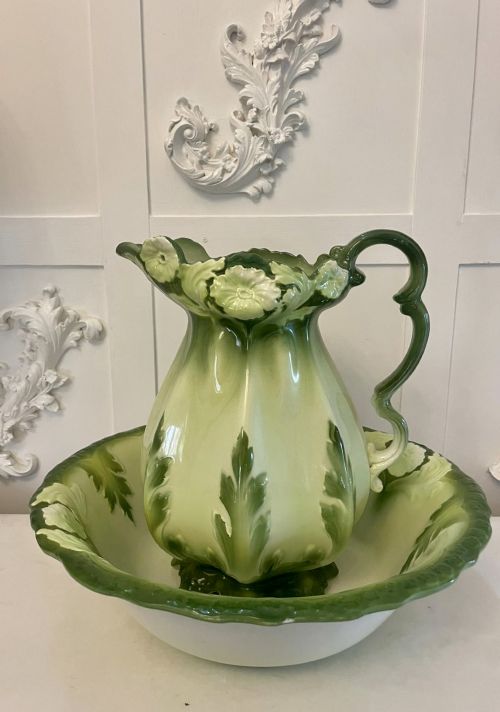
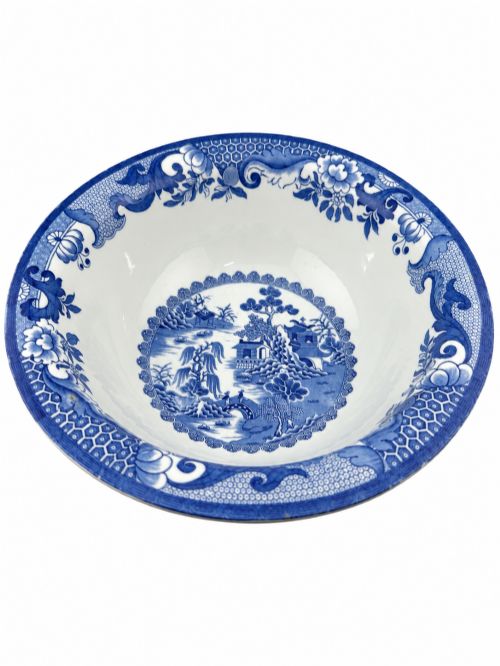
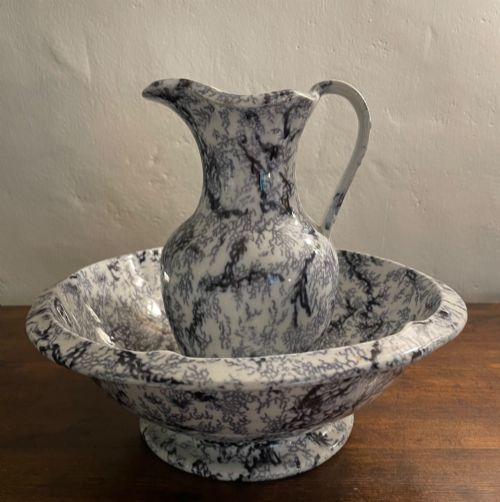
Ceramic components rely on earthenware, ironstone, and porcelain, finished with coloured glazes, flow blue techniques, or transfer-printed floral decorations. Metal elements incorporate brass handles, pewter cisterns, and occasional campaign-style folding brass mounts.
Antique Washstand Basin Retail Price Guide 2026
Typical asking prices for washstand basin among the pieces listed under this phrase on Sellingantiques today, from the lower quarter to the upper quarter. They describe what is for sale here now, not the wider market.
Listings feature mahogany, pine, and marble alongside ceramic earthenware and porcelain jugs.
Quality indicators
The choice of timber grade and grain figure dictates the distinction between standard utilitarian washstands and high-status cabinet work. Finely figured Cuban mahogany, crisp hand-turned mouldings, and intact original paint surfaces elevate specific pieces.
Ceramic quality rests on the clarity of the glaze, the crispness of transfer-printing or hand-painting, and the absence of firing flaws in the earthenware or porcelain bodies. Complete sets with matching jugs and basins demonstrate superior preservation compared to assembled groups.
Walker & Sons·Doulon Burslem·Masons Ironstone·Minton·Medway
The Antique Washstand Basin Glossary
- Lavabo
- A wall-mounted or cabinet-enclosed basin with a cistern, used for washing before modern plumbing. French provincial examples often feature pewter reservoirs.
- Campaign washstand
- A portable piece of furniture designed for travel, typically featuring folding wooden frames and collapsible brass elements. These items allowed officers to maintain personal hygiene on military campaigns.
- Flow blue
- A cobalt blue transfer-printing technique used on earthenware during the nineteenth century. The colour blurred slightly during firing, creating a misty, bleeding effect across the ceramic surface.
- Ironstone
- A durable type of heavy earthenware patented in the nineteenth century. It resists chipping better than standard porcelain while providing a solid base for enamelled and printed glazes.
- Pot cupboard
- A small enclosed bedside cabinet or washstand section originally intended to house a chamber pot. These pieces usually feature a door and sometimes a small upper shelf.
Antique Washstand Basin: Frequently Asked Questions
How were washstands used originally?
Before plumbed indoor bathrooms, washstands held a ceramic basin and water jug for morning and evening washing in the bedroom. Servants filled the pitchers from kitchen hot water supplies.
After use, wastewater emptied into a bucket stored on a lower tier or inside the cabinet below the basin.
What is the difference between a jug and basin set?
A jug and basin set comprises the loose ceramic vessels designed to sit atop a wooden washstand table or inside a cabinet top. The large pitcher held clean water while the deep bowl received it.
These sets often included matching accessories like soap dishes, toothbrush holders, and slop pails for complete bedroom hygiene.
How do I date a wooden washstand?
Georgian and Regency washstands tend to feature lighter mahogany frames, delicate tapering legs, and corner-fitting designs. Early pieces often include cut-outs in the top tier specifically sized for round basins.
Victorian and Edwardian versions generally introduce heavier proportions, marble tops, tiled splashbacks, and panelled cupboards underneath for storage.
Can I use an antique washstand in a modern bathroom?
Many buyers adapt wooden washstands as vanity units by cutting the timber top to drop in a modern sink basin. This provides traditional character while accommodating modern plumbing.
Unconverted stands function well as hallway tables, plant stands, or occasional storage units in bedrooms and living spaces.