
Antique Washing Tub
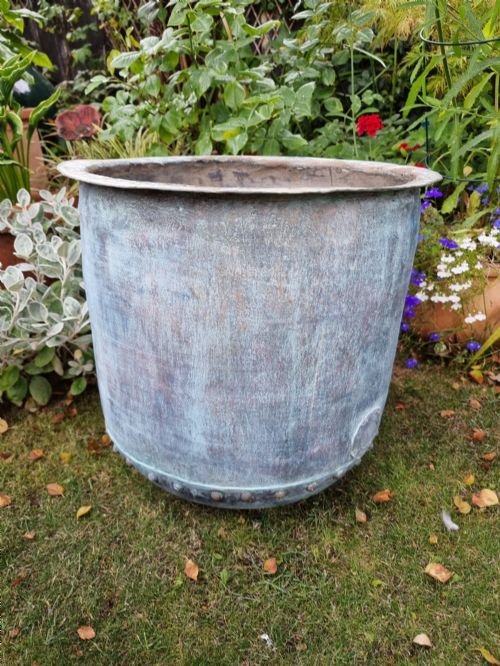
An antique washing tub brings solid utility and tactile warmth into contemporary interiors, serving today as a robust planter, log bin or decorative vessel.
Antique Washing Tub
When you search for an antique washing tub, you encounter durable domestic and agricultural vessels originally forged from metal or formed through timber cooperage during the eighteenth and nineteenth centuries. These utilitarian objects span periods including the Georgian and Victorian eras, alongside rural French and Scandinavian country styles.
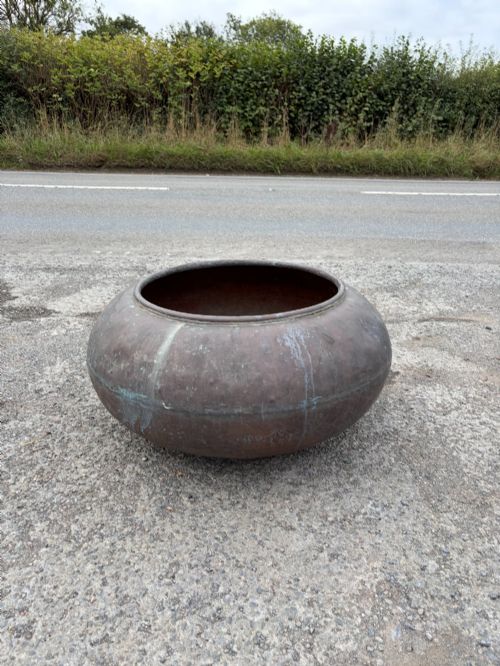
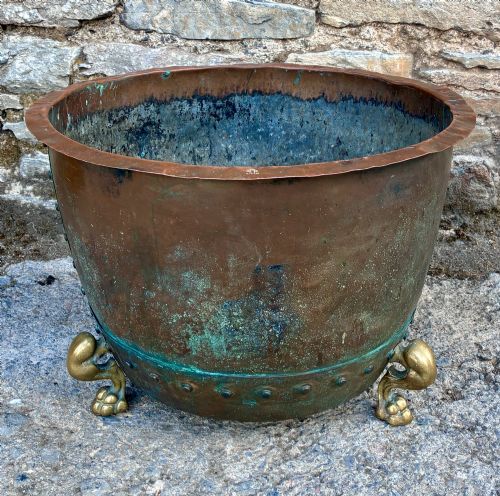
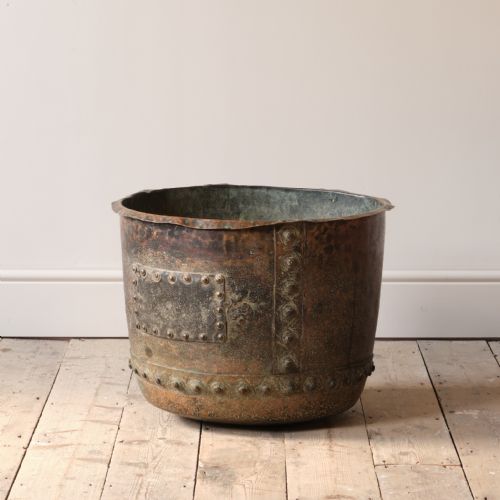
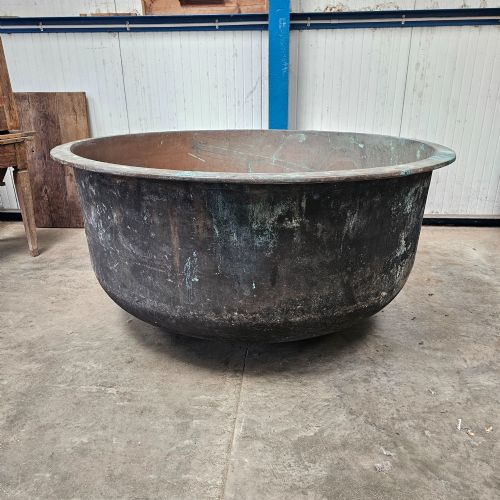
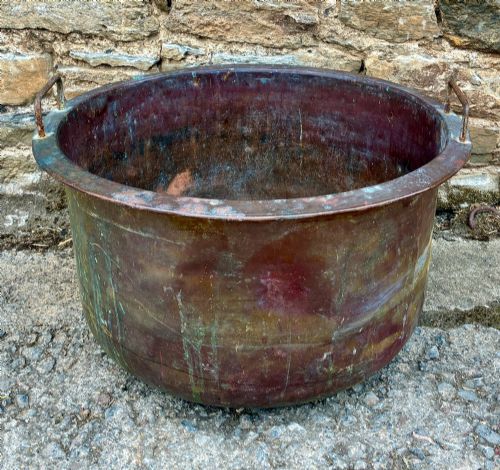
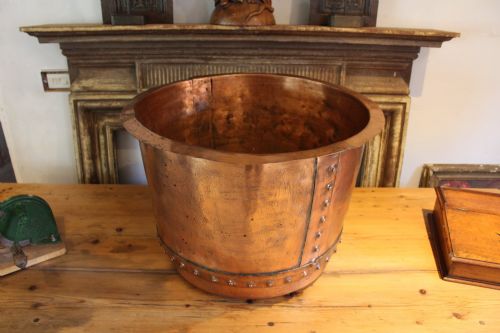
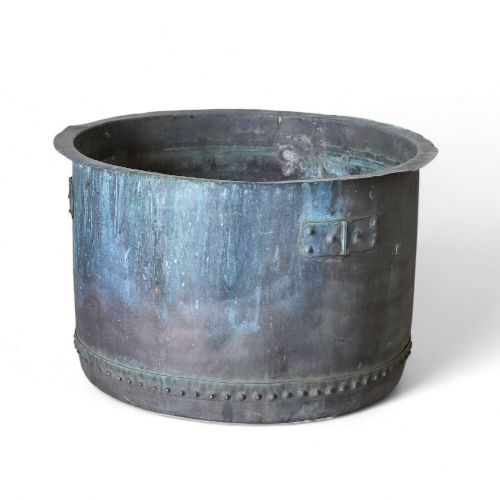
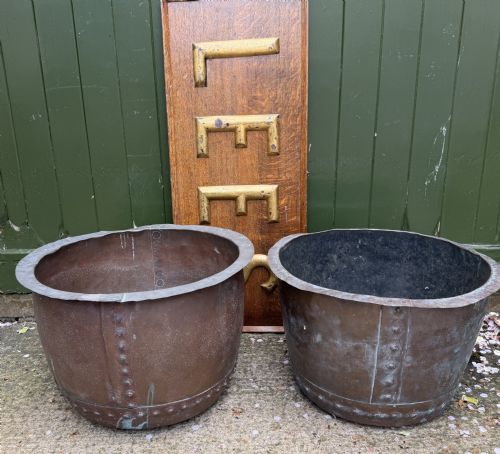
The versions most frequently met on this page include heavy copper pots, riveted boilers and galvanised iron tubs. Many survive from farmhouses and sculleries, repurposed over generations into log buckets, planters and storage barrels.
How they were made
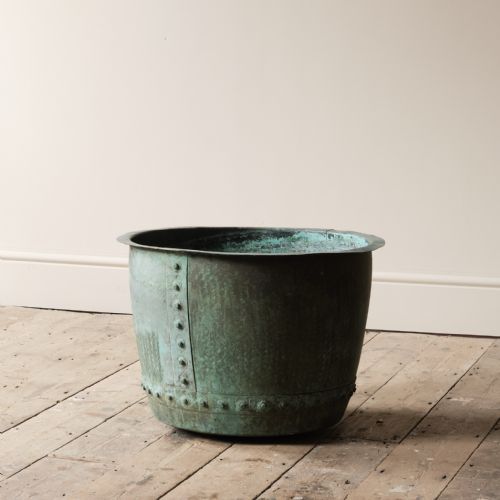
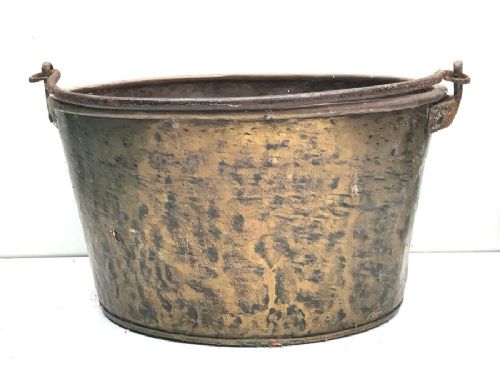
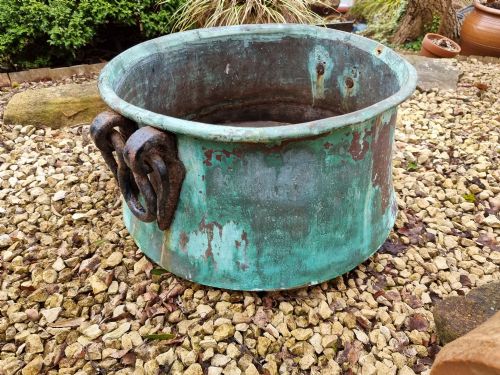
Metal vessels rely on hand-beaten sheet copper or iron joined with visible rivets, often fitted with wrought iron swing handles or ring mounts. Copper boilers and pans display the hammer marks of metalworkers who shaped heavy gauge metal over heat.
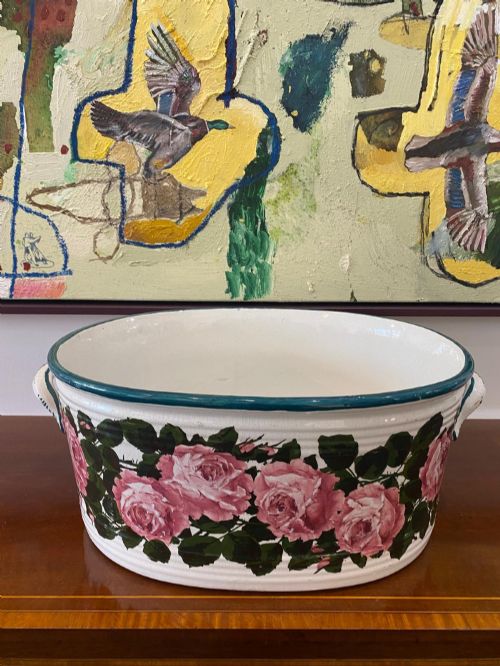
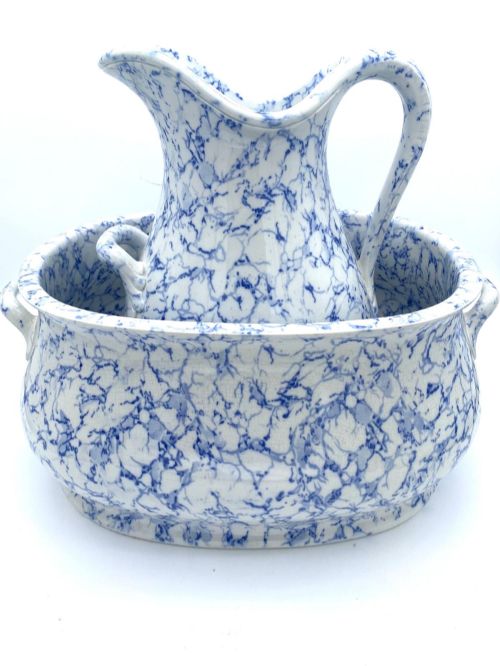
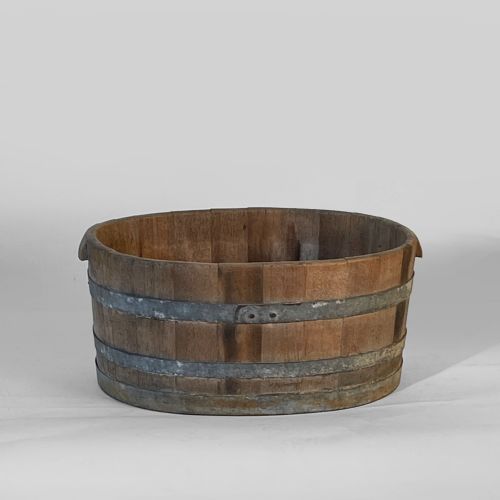
Wooden examples utilise traditional cooperage techniques, binding pine staves with tight metal hoops to hold water or grain. Earthenware and ceramic versions, such as creamware and flow blue footbaths, combine moulded clay with durable glazes.
Listings feature eighteenth-century Georgian pans alongside nineteenth-century Victorian copper boilers, galvanised iron tubs and Edwardian enamel bowls.
What varies in quality
Quality rests in the thickness of the metal and the integrity of the original construction, distinguishing heavy commercial vessels from lighter domestic items. Pieces with hand-riveted seams and substantial wrought iron fittings demonstrate superior structural ambition.
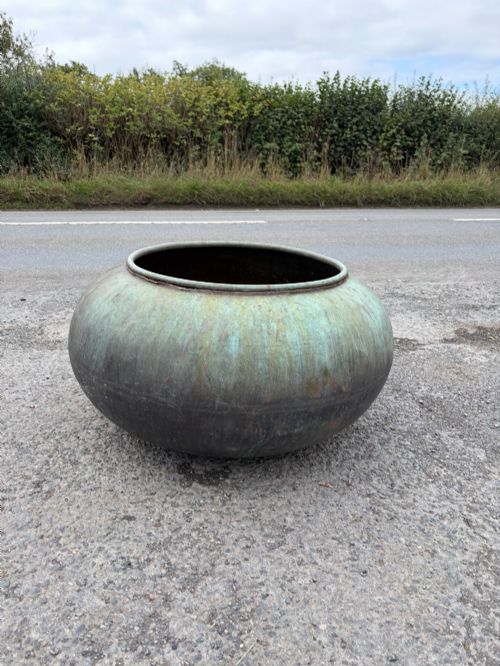
Surface integrity and natural patination dictate the visual weight of each piece, from clean verdigris finishes to weathered metallic surfaces. The presence of makers' marks or distinct regional forms elevates individual examples above standard utilityware.
Wemyss·Minton·Heathcote·Copeland
The Antique Washing Tub Glossary
- Coopered
- Constructed from wooden staves bound tightly together by metal hoops, mirroring traditional barrel-making methods. This technique ensured watertight vessels for laundry and storage.
- Verdigris
- The green patina that forms naturally on copper surfaces through atmospheric oxidation over decades. Collectors value this surface layer for its visual depth and proof of age.
- Creamware
- A refined earthenware developed in the eighteenth century with a pale yellowish-cream glaze. It provided a durable ceramic alternative for domestic bathing and washing vessels.
- Flow blue
- A cobalt transfer printing style from the nineteenth century where the blue colour bled slightly into the white glaze during firing. This ceramic decoration appears on nineteenth-century footbaths and basins.
- Cauldron
- A large metal pot with a rounded base and a swing handle, designed for heating water over an open fire. These heavy vessels frequently survive in copper and iron.
Antique Washing Tub: Frequently Asked Questions
How were antique washing tubs originally used?
These vessels served arduous domestic duties in sculleries and farmhouses, holding hot water, lye and laundry before the arrival of modern plumbing.
Servants used them alongside wooden dollies to scrub garments, or heated water directly within copper boilers over hearths.
How do I style an antique washing tub at home?
Metal and ceramic tubs transition easily into modern spaces as freestanding log bins beside fireplaces or deep planters for large indoor trees.
Their substantial scale and weathered patinas introduce textural contrast to contemporary minimalist interiors.
Are these copper tubs waterproof for plants?
Most surviving metal and ceramic vessels retain their structural integrity and hold water effectively for garden display.
However, checking the base for historical wear ensures they remain suitable for direct potting or indoor container gardening.
How can I tell a Victorian tub from an eighteenth-century one?
Georgian examples often display heavier hand-forged ironwork and distinct hammering patterns associated with earlier domestic metalworking.
Victorian and later nineteenth-century pieces typically show more standardised industrial riveting and machine-rolled sheet metal.