


Antique Warming Dish
These antique warming dish pieces keep food hot at the table, using silver plate, copper and old Sheffield plate across Georgian and Victorian forms.
Antique Warming Dish
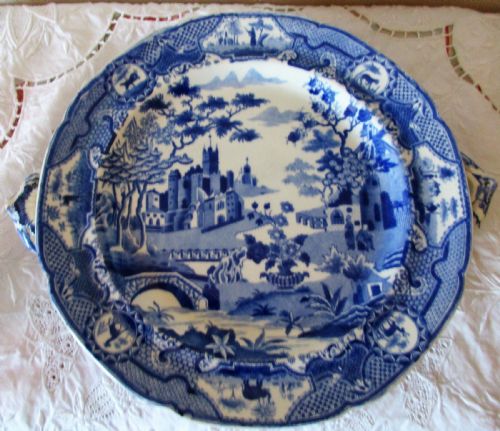
An antique warming dish is a serving vessel designed to keep food warm during a meal, typically utilising hot water compartments or heated bases. When searching for an antique warming dish, buyers encounter various silver plated and old Sheffield plate forms from the Georgian and Victorian eras. These items range from lidded entree dishes on original stands to larger meat trays and revolving warming dishes.
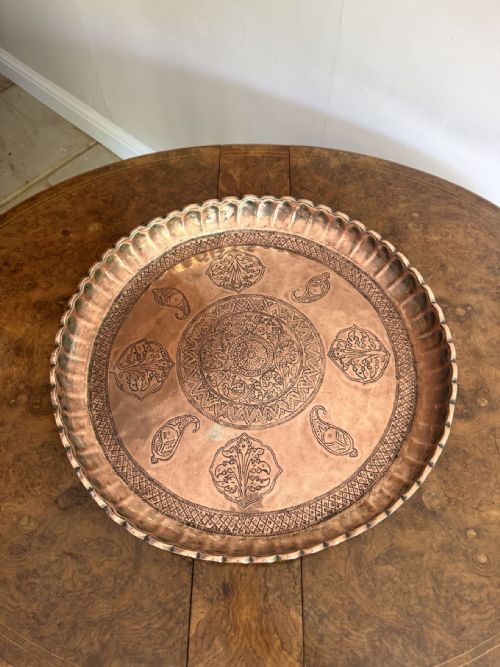
The versions most frequently met on this page include silver plated Edwardian entree dishes, Georgian old Sheffield plate vessels, and specialised items like egg warmers or copper bain-maries. Makers and workshops from the nineteenth century produced these pieces in matching pairs or single large serving units. They reflect the dining customs of past centuries, where keeping large courses hot at the table required dedicated metalware.
How they were made
Makers produced these serving vessels primarily in silver plate, old Sheffield plate, and copper, often incorporating fitted internal compartments to hold hot water. Old Sheffield plate involved fusing a thin sheet of silver to a copper base, creating a durable material with a rich warm lustre visible along edges and seams.
Silver plated items from the Victorian and Edwardian periods utilised base metals coated with a layer of silver, sometimes employing electroplated nickel silver as manufacturing techniques advanced. Handles, feet, and lids were cast separately and soldered or riveted to the main body, while intricate borders were applied by hand.
Some Victorian dining tables grew so vast that revolving warming dishes allowed guests to serve themselves without stretching across the mutton.
What varies in quality
The distinction between standard utility items and superior examples lies in the weight of the metal and the crispness of applied cast mounts. Heavier gauge silver plate or old Sheffield plate retains warmth longer and resists the dents and distortion common in lighter domestic vessels.
Proportion and execution of detail also separate ordinary items from finer pieces, such as the balance of handles, the tight fit of removable covers, and the presence of original makers' marks. Pieces that retain their original heating stands or complete sets of internal liners demonstrate higher craftsmanship and greater original investment.
Mappin and Webb·Edward and John Barnard·Matthew Linwood·William Hutton and Sons·Dan Holy
The Antique Warming Dish Glossary
- Old Sheffield plate
- A composite metal made by fusing a thin sheet of silver onto a thicker copper ingot before rolling them into sheets. This technique predates modern electroplating and leaves a characteristic copper seam along cut edges.
- Entree dish
- A shallow covered serving vessel designed for bringing specific courses to the table. They frequently double as warming dishes when paired with a base unit for hot water.
- Bain-marie
- A heated container used to keep food warm without burning it, utilising a water bath beneath the main serving vessel. These appear in copper and silver plated finishes on dining tables and sideboards.
- Electroplated nickel silver
- A base alloy of copper, nickel, and zinc coated with a layer of pure silver using an electrical current. This method replaced older plating techniques during the nineteenth century.
Antique Warming Dish: Frequently Asked Questions
How did a warming dish work?
These vessels featured a double-walled body or an underlying compartment designed to hold boiling water poured in before serving. This kept meat, vegetables, or entrees hot throughout a lengthy formal meal.
Some advanced designs incorporated revolving lids or specialised stands to accommodate the hot water reservoir efficiently.
What is old Sheffield plate?
Old Sheffield plate is an early form of plated metal created by fusing silver and copper together through heat and pressure. Craftsmen then shaped this composite sheet into serving dishes and tureens.
Over decades of use and gentle polishing, the underlying copper occasionally shows through the thin silver layer, creating a warm characteristic glow.
Can I use an antique warming dish today?
Many of these pieces remain structurally sound for modern dining use, though silver plated items require careful hand washing. They function effectively for serving hot food at dinner parties or family gatherings.
Care should be taken to avoid abrasive cleaners that can damage the historical surface or thin plating.
How do I date a silver plated dish?
Dating relies on maker marks, style characteristics, and manufacturing methods such as the transition from fused old Sheffield plate to electroplated nickel silver. Victorian and Edwardian examples often feature registry marks or specific maker stamps on the base.
Form and decorative motifs also align with broader design periods like the Georgian or Regency eras.