

Antique Wardrobe Closet
An antique wardrobe closet provides essential storage through fitted interiors and substantial doors, ranging from Georgian mahogany to Art Deco burr walnut.
Antique Wardrobe Closet
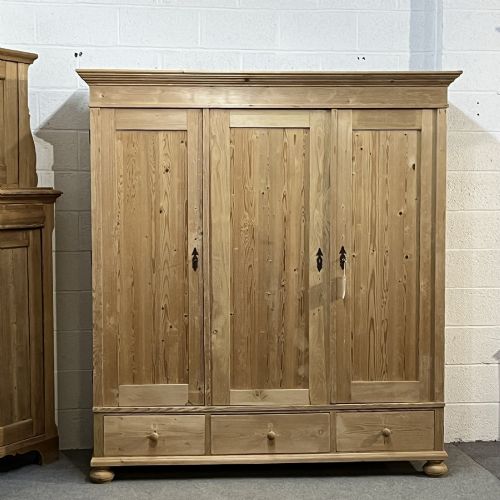
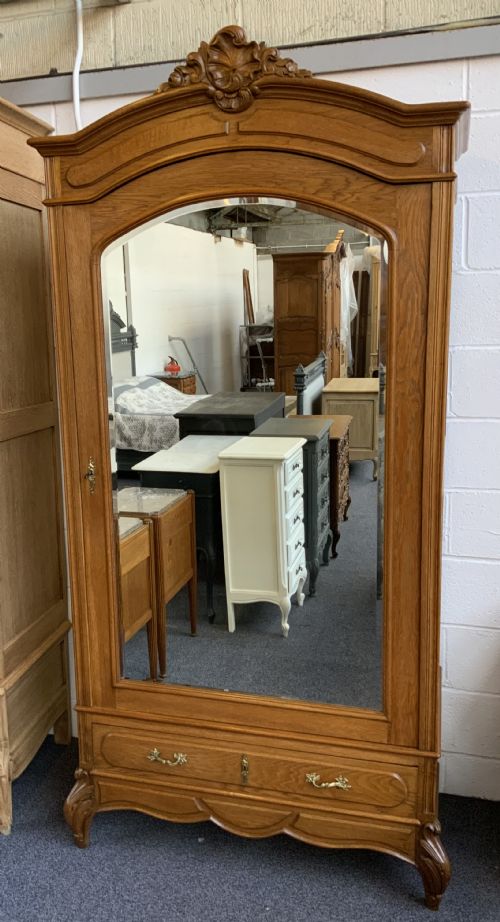
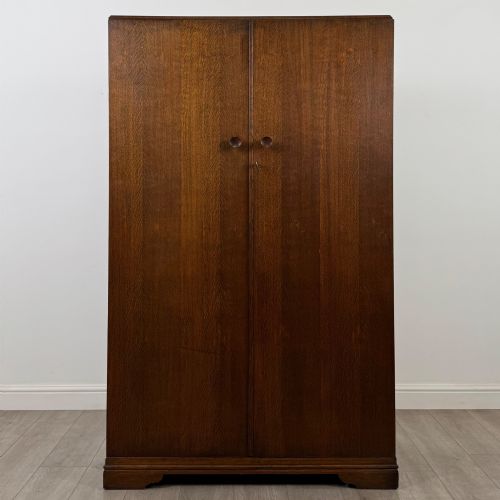
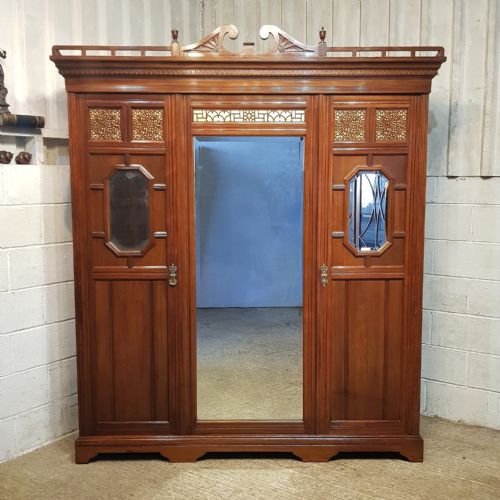
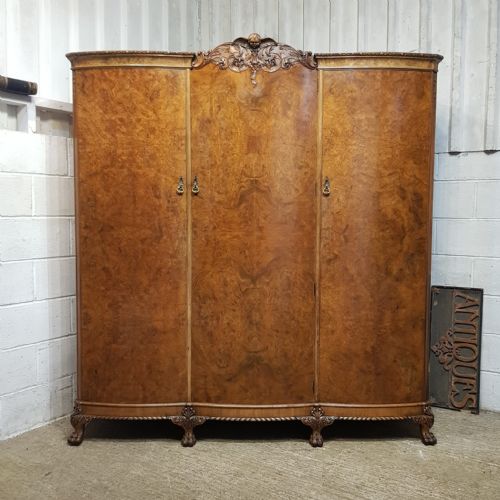
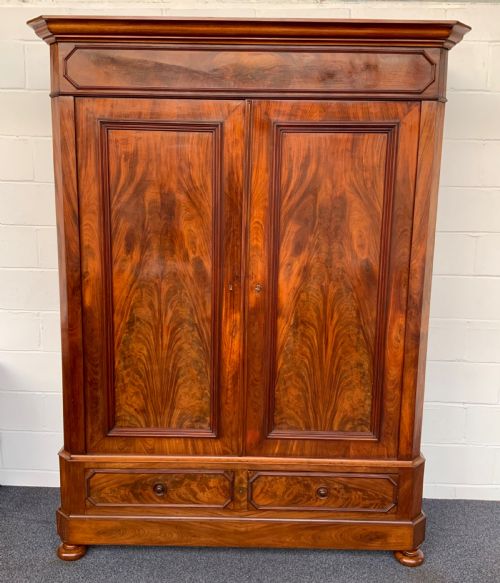
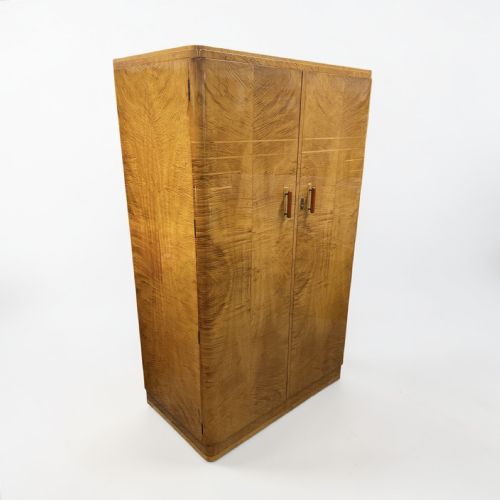
An antique wardrobe closet satisfies the enduring need for hanging space and shelving, appearing in forms from substantial triple configurations to compact single armoires. These pieces span centuries of domestic storage, taking shape as substantial Victorian mahoganies, Edwardian combinations in oak and ash, and French provincial pieces in carved oak or painted pine.
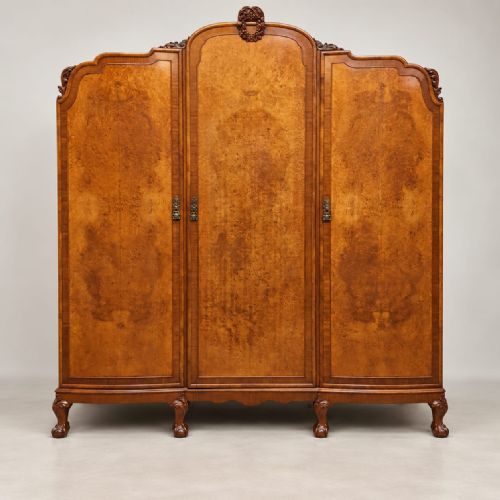
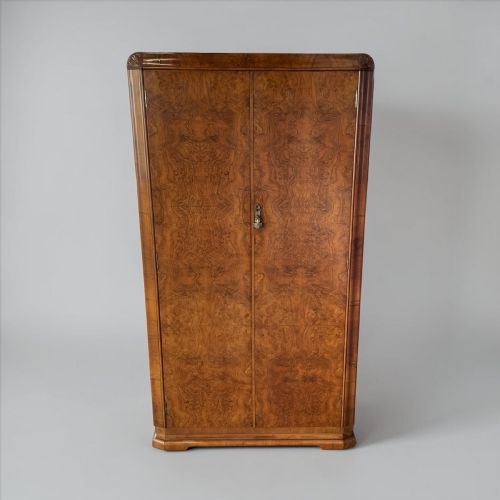
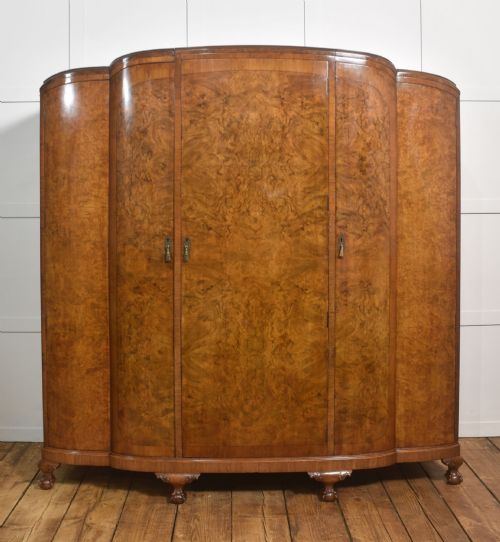
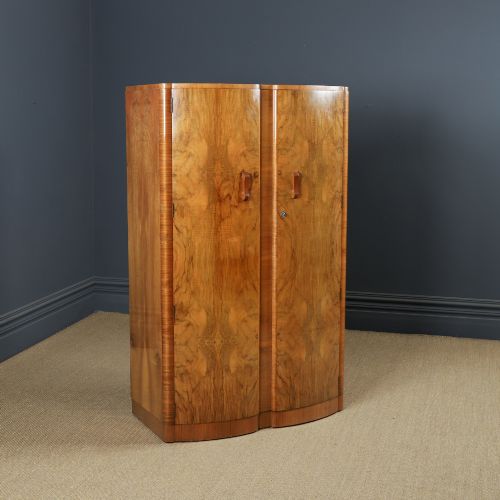
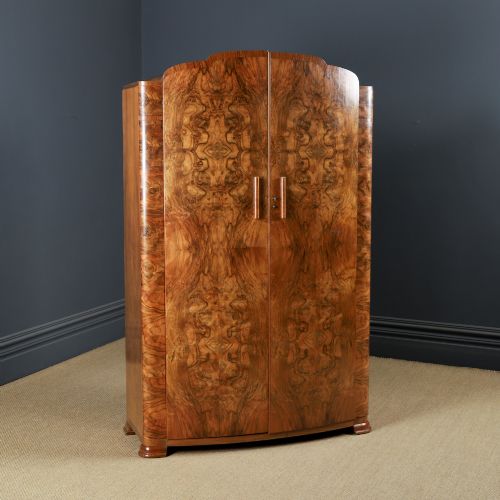
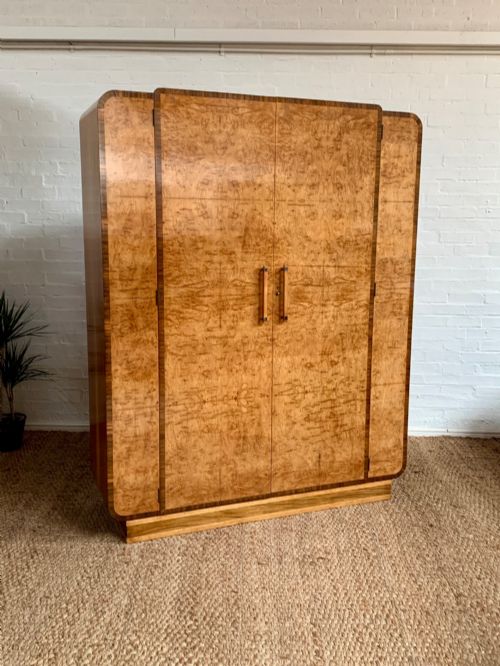
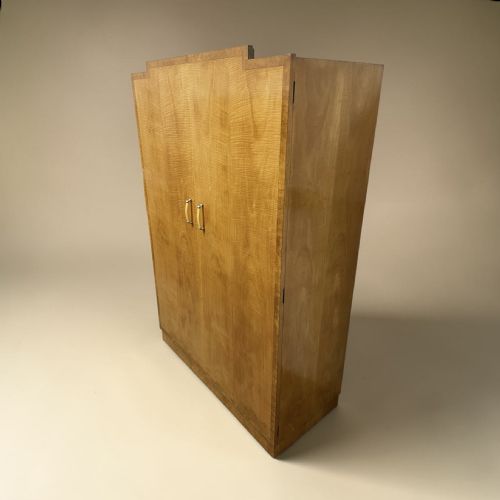
The version most commonly met on this page is the walnut or burr walnut Art Deco wardrobe from the 1920s and 1930s, often featuring breakfront designs, serpentine fronts, or fitted interiors. Alongside these stand French armoires and sturdy Victorian examples, offering varied proportions for modern bedrooms.
Materials and Construction
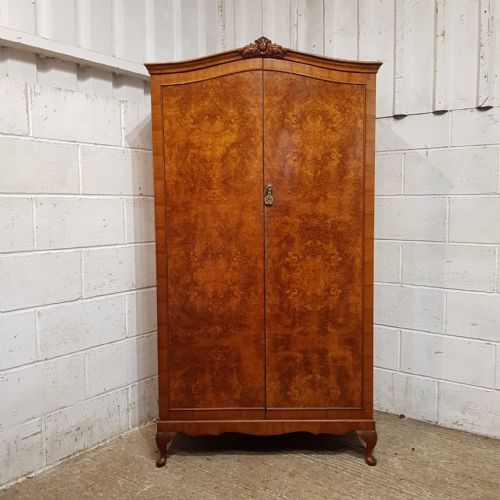
Makers utilised timber chosen for figure and durability, constructing carcases and panelled doors in solid mahogany, oak, and ash, whilst applying walnut veneer and burr walnut to highlight dramatic grain patterns. Structural integrity relied on traditional joinery, complemented by functional metal elements such as brass handles and iron hinges.
Surface finish varied according to regional taste and period, encompassing French polishing on fine hardwoods, painted finishes in grey or other tones, and intricate marquetry in Dutch pieces. Carved details appeared on oak armoires, whilst Art Deco designs favoured clean lines that let the natural figure of the burr walnut take prominence.
Antique Wardrobe Closet Retail Price Guide 2026
Typical asking prices for wardrobe closet among the pieces listed under this phrase on Sellingantiques today, from the lower quarter to the upper quarter. They describe what is for sale here now, not the wider market.
Listings feature woods including walnut, burr walnut, mahogany, flame mahogany, oak, ash, and maple, paired with brass and iron hardware.
Distinctions in Quality
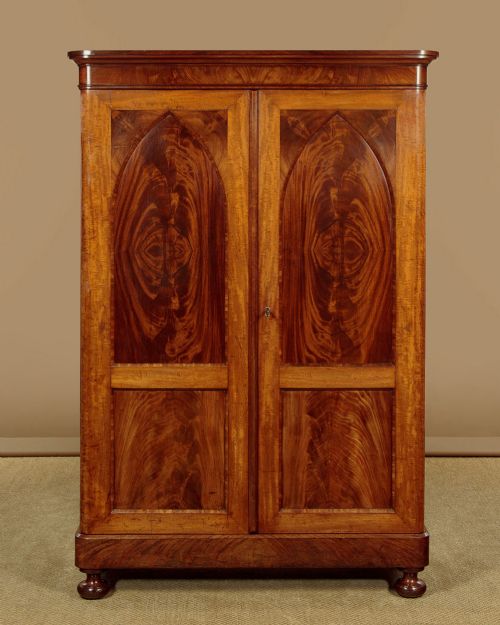
The standard of an antique wardrobe closet rests on the selection of timber, where matched burr walnut veneers or finely figured flame mahogany elevate a piece far above standard plain panels. Expert cabinetmaking shows in the smooth operation of serpentine or bow front doors, well-fitted internal drawers, and balanced proportions across double and triple configurations.
Attribution to documented firms or signed makers adds a distinct layer of distinction, distinguishing standard commercial production from workshop pieces by makers such as Waring & Gillow or Harry and Lou Epstein. Original brass detailing, intact fitted interiors, and sophisticated period styling further separate ordinary utility pieces from exceptional examples.
Waring & Gillow·Harry and Lou Epstein·Jean Faure
The Antique Wardrobe Closet Glossary
- Armoire
- A large standing cupboard or wardrobe, frequently of French origin and constructed from oak or walnut. These pieces often feature single or double doors and deep internal hanging space.
- Burr walnut
- A veneer taken from the knotted growth of a walnut tree, prized for its swirling, highly figured grain pattern. It was utilised extensively on Art Deco wardrobes.
- Breakfront
- A piece of furniture whose central section projects forward from the flanking outer sections. This architectural arrangement creates depth and visual interest on larger wardrobes.
- Marquetry
- The art of applying pieces of veneer to a structure to form decorative patterns and pictures. It appears on Dutch pieces listed in this category.
- Serpentine
- A front design characterised by a concave central section flanked by convex ends. This flowing contour requires high skill in cabinetmaking.
Antique Wardrobe Closet: Frequently Asked Questions
What periods do these wardrobes cover?
The pieces span from the eighteenth century through the Victorian and Edwardian eras up to the 1930s Art Deco period. You will encounter Georgian mahogany, late Victorian oak, and streamlined burr walnut designs.
Each era brings distinct architectural details, timber choices, and internal fittings that reflect the domestic requirements of its time.
How do single armoires differ from triple wardrobes?
Single armoires offer compact storage with one main door, often originating from French provincial workshops in carved oak or painted finishes. Triple wardrobes provide expansive multi-section storage, frequently built with central mirrored or bow front doors.
Choosing between them depends on your available wall space and whether you require hanging space combined with internal drawers or shelving.
What is a fitted interior in these wardrobes?
A fitted interior refers to internal compartments, sliding trays, hanging rails, and small drawers integrated behind the main doors. These additions were designed to organise garments systematically.
They appear frequently in early twentieth-century and Art Deco pieces, enhancing the practical utility of the cabinet.