




Antique Walnut Showcase
An antique walnut showcase brings warmth and glassed enclosure to treasured objects, drawing the eye with rich grain.
Antique Walnut Showcase
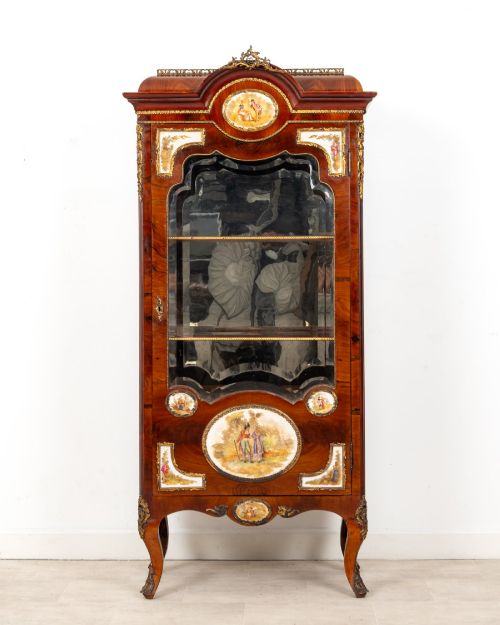
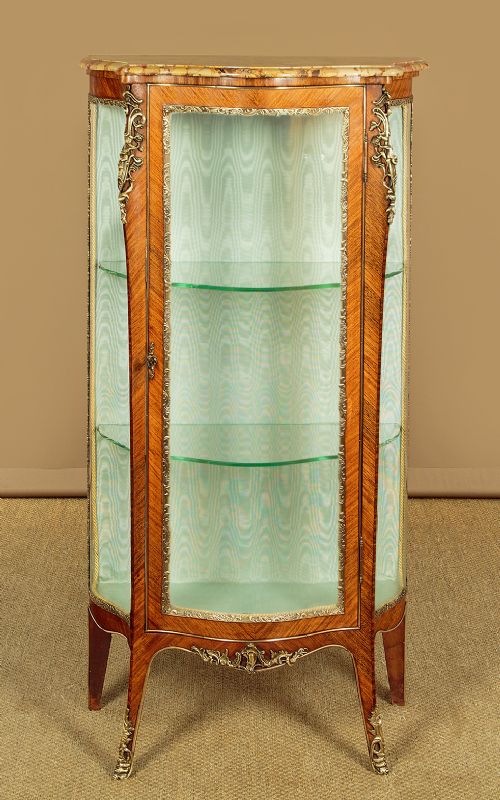
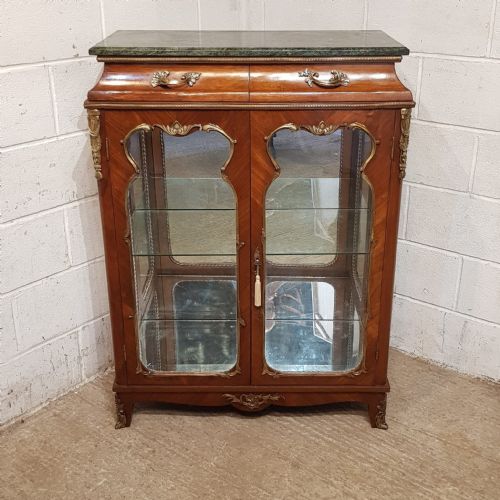
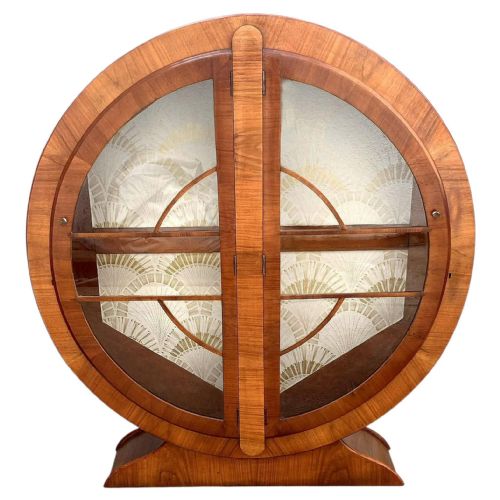
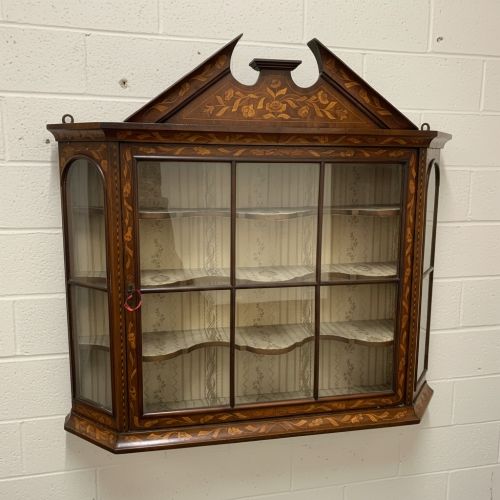
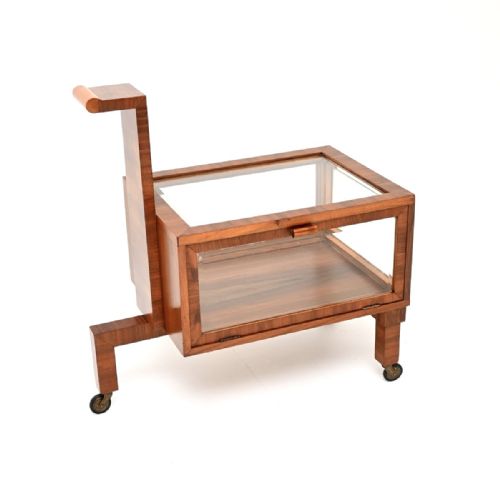
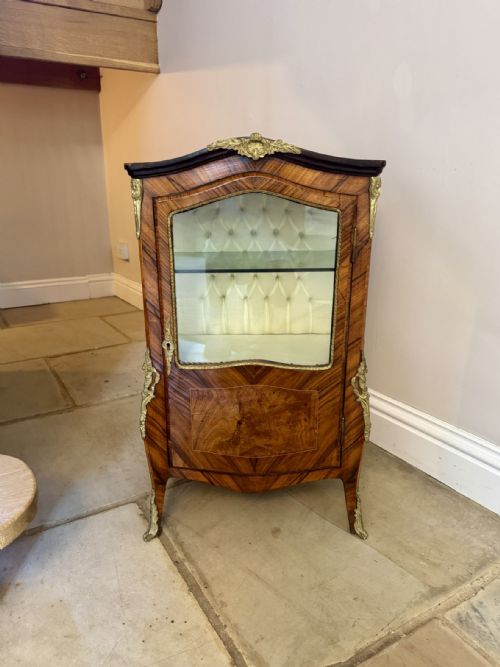
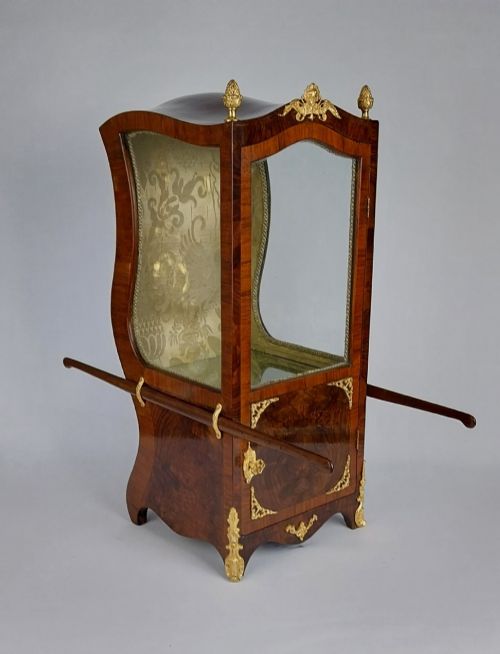
An antique walnut showcase takes many forms, ranging from towering floor-standing vitrines and corner cabinets to compact wall cases, serving carts, and tabletop display tables designed to hold precious possessions. You will frequently encounter Victorian pieces alongside French Louis XV style cabinets and English Art Deco designs.
The materials span walnut timber enhanced by glass, brass, ormolu, mirror, and fabric linings, occasionally incorporating kingwood or porcelain plaques. These cabinets serve to exhibit collections securely while introducing rich timber tones to a room.
Materials and construction
Cabinet makers utilised walnut timber as the primary structural and visual medium, often selecting burr walnut for decorative grain patterns or incorporating marquetry in eighteenth-century Dutch pieces. Vitrines and display cases frequently combine this timber with glazed panels to allow light to reach the interior shelves.
Metal mounts in brass, bronze, and ormolu secure corners and frame glass doors, echoing French and English stylistic conventions. Fabric linings and mirrored backs are added to interior compartments to reflect light onto displayed artefacts.
One extraordinary Victorian showcase bears later hand-painted advertising for Fry's Chocolate, turning a piece of fine furniture into a confectioner's billboard.
Distinctions in quality
The standard of an antique walnut showcase depends heavily on the fineness of the timber selection and the precision of the cabinet work. Superior examples demonstrate seamless marquetry, crisp ormolu or brass mounts, and well-fitted glass doors that operate smoothly.
Design complexity also separates standard items from exceptional ones, such as pieces featuring curved clove shapes, hand-painted porcelain plaques, or intricate inlaid details across Victorian and Edwardian carcases.
Rurka
The Antique Walnut Showcase Glossary
- Vitrine
- A glass-fronted cabinet designed for displaying fine porcelain, curiosities, or collections. These cases often feature glazed sides to maximise light penetration.
- Marquetry
- The art of applying pieces of veneer to a structure to form decorative patterns. Eighteenth-century Dutch wall cabinets demonstrate this skill prominently.
- Ormolu
- Gilded bronze mounts applied to furniture for decorative effect. They appear frequently on French-influenced display cabinets.
- Bijouterie table
- A glass-topped table designed specifically for displaying small valuable items such as jewellery or medals. These are also known as display tables.
- Burr walnut
- Timber taken from a growth deformation on a walnut tree, producing swirling and mottled grain patterns. Cabinet makers prize this for high-status Victorian furniture.
Antique Walnut Showcase: Frequently Asked Questions
What is an antique walnut showcase used for?
These cabinets serve to protect and display delicate items like porcelain, silver, and small collections.
They keep dust away from fragile objects while allowing them to remain visible in a room.
How do I date a walnut showcase?
Dating relies on observing the stylistic markers, hardware, and construction methods characteristic of periods like the Victorian era or Art Deco.
Secondary woods and hinge types also offer clues to the approximate decade of manufacture.
Where should I place a display cabinet?
Position these cabinets away from direct sunlight to prevent the walnut timber and interior fabrics from fading.
Place them in rooms with stable humidity to protect both the wood and the glass joints.
How do I distinguish French styles from English ones?
French showcases often incorporate ormolu mounts and curved Louis XV influences, whereas English pieces frequently lean towards structured Victorian or geometric Art Deco forms.
Inlay work and leg shapes also differ noticeably between these regional traditions.