


Antique Walnut Parlor Set
An antique walnut parlor set brings Victorian and Edwardian reception rooms alive with rich timber frames and plush textile upholstery.
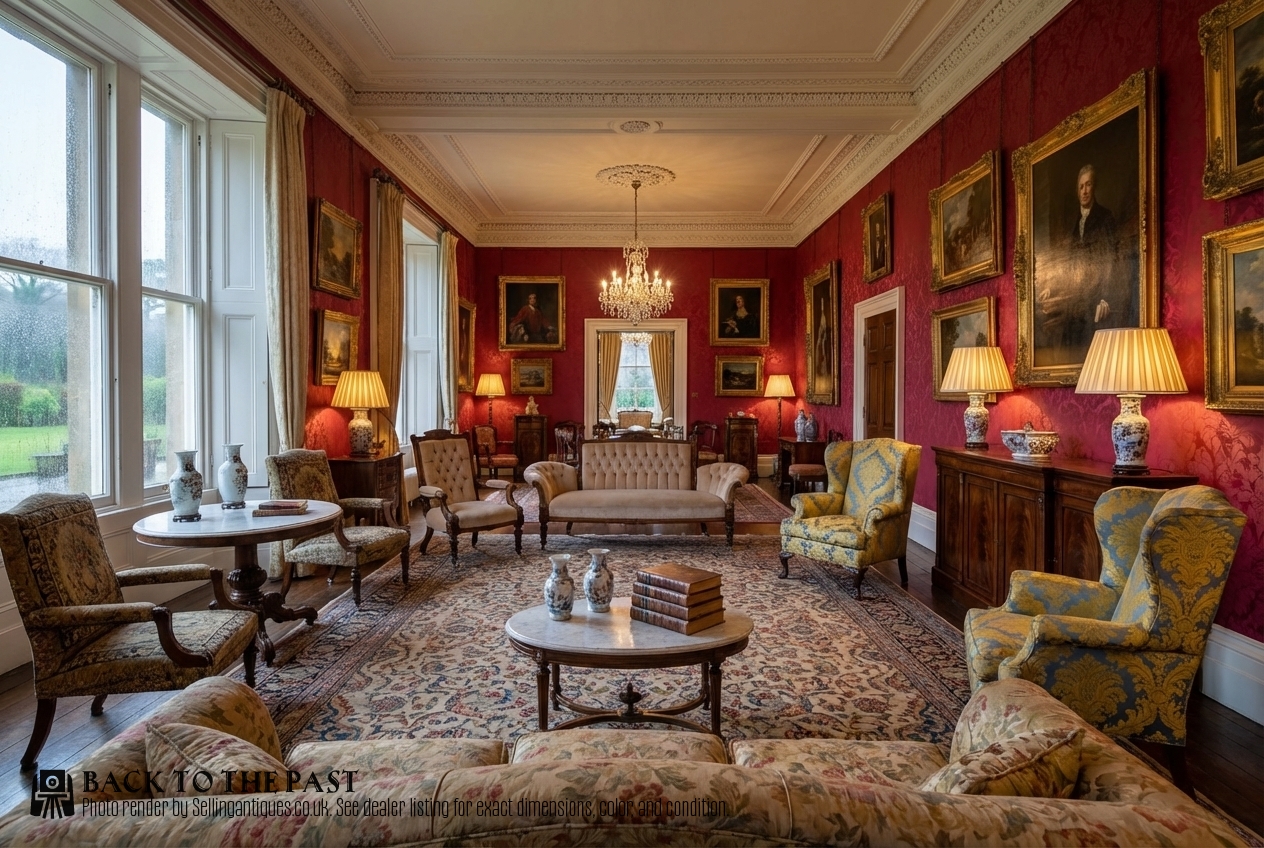
Antique Walnut Parlor Set
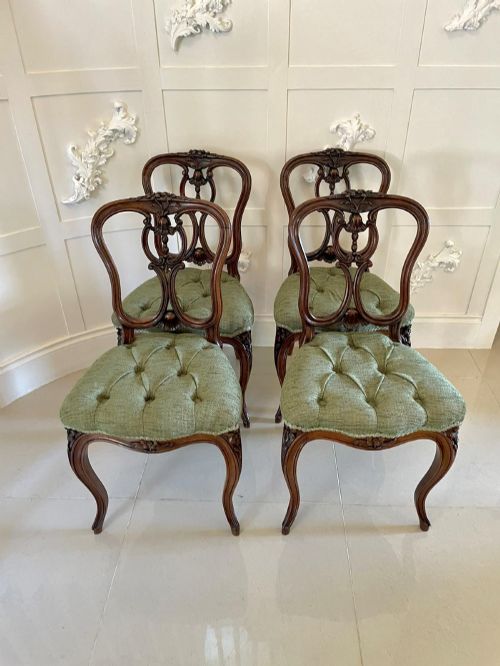
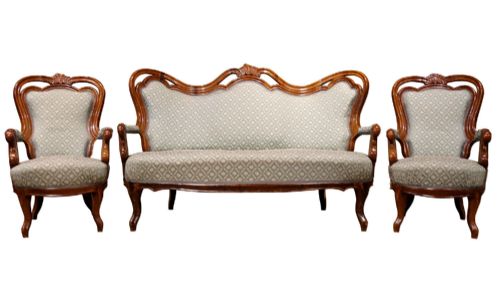
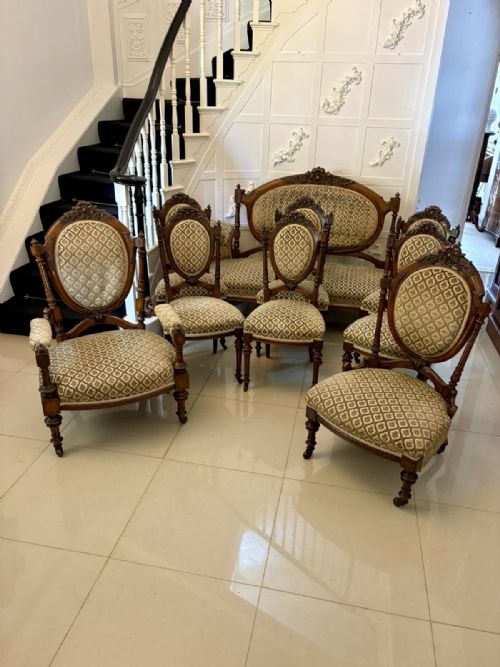
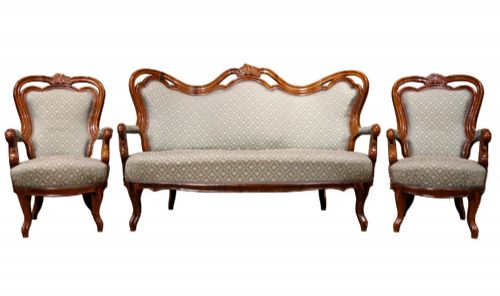
When you search for an antique walnut parlor set, you encounter coordinated groups of seating designed for nineteenth and early twentieth century drawing rooms and reception spaces. These assemblies typically comprise a central settee or sofa accompanied by matching salon chairs, drawing room suites, or dining chairs.
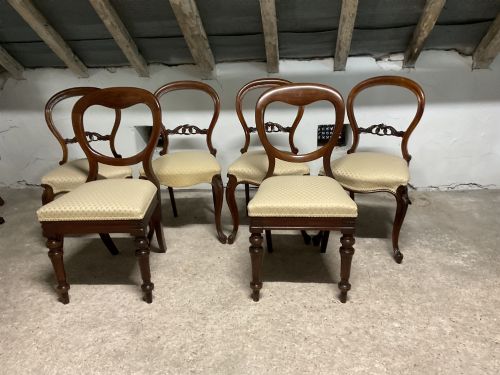
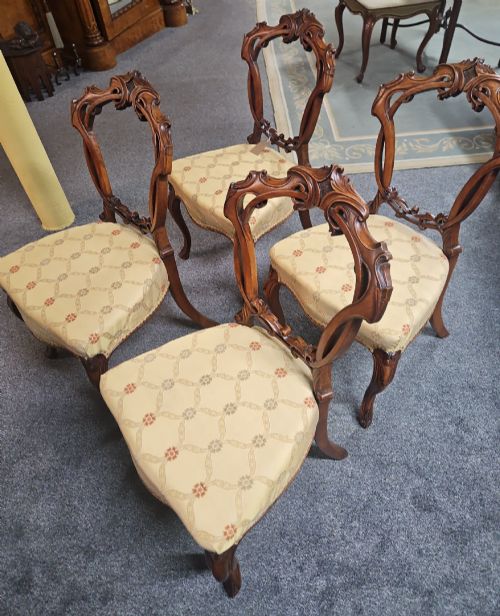
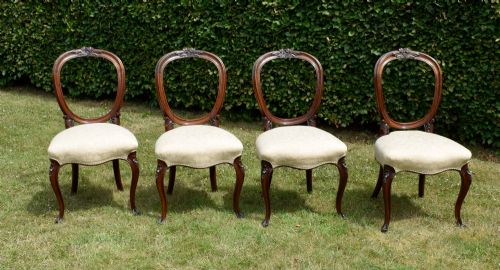
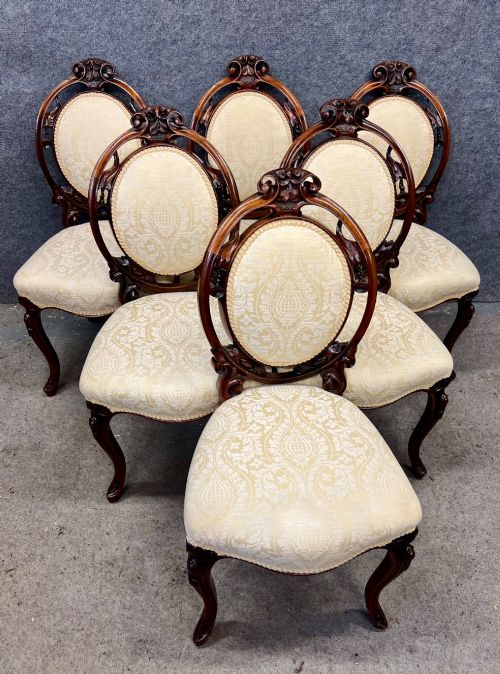
The prevailing examples on this page hail from the Victorian era and the nineteenth century, alongside a few early twentieth century Empire revival suites. Pieces manifest in styles such as Rococo Revival, Louis XV Revival, and French Rococo Revival, often displaying balloon backs, cameo backs, or carved wooden frames.
Makers and workshops range from standard Victorian cabinet makers to specific firms like Morison and Co of Edinburgh producing French style chairs. You will find matched sets numbering from pairs up to large nine and eleven piece salon suites featuring sofas, armchairs, side chairs, and footstools.
How they were made
Craftsmen shaped these frames predominantly from solid walnut, occasionally utilising mahogany for specific dining chair sets. Woodworkers carved intricate details into the timber manually, creating flowing curves and revival styles characteristic of the period.
Upholsterers finished the seating using varied textiles including fabric, velvet, and specialised upholstery fabric over supportive internal padding. Metal components and brass details occasionally appear within the construction and hardware of the suites.
An unexpected mid Victorian three hand cribbage set hides quietly among the large walnut salon suites.
What varies in quality
The standard of carving across the walnut framework separates utilitarian production from exhibition quality suites. Crisp detailing on French carved elements and substantial timber thickness distinguish finer parlor furniture.
The integrity of the original upholstery fabric and the cohesion of larger matching suites dictate the overall standing of a set. Complete eleven piece suites featuring sofas, armchairs, and footstools represent a higher tier of domestic furnishing than isolated sets of four side chairs.
Morison and Co of Edinburgh
The Antique Walnut Parlor Set Glossary
- Balloon back
- A chair back shaped in a continuous curving loop resembling a rounded balloon. This profile dominates nineteenth century Victorian walnut seating.
- Salon suite
- A matching collection of upholstered chairs and settees intended for formal entertaining. These groupings formed the social centre of Victorian drawing rooms.
- Rococo Revival
- A decorative style popular in the nineteenth century featuring asymmetrical scrollwork, floral carvings, and flowing natural curves. It draws direct inspiration from earlier French court aesthetics.
- Cameo back
- An oval upholstered chair back inset within a carved wooden frame. The design highlights the grain of the walnut timber surrounding the fabric.
- Settee
- A medium sized upholstered wooden bench with a back and arms. These seating units anchor larger drawing room suites.
Antique Walnut Parlor Set: Frequently Asked Questions
What pieces make up a parlor set?
An antique walnut parlor set usually includes a settee or sofa paired with matching armchairs and side chairs. Larger drawing room suites can expand to include footstools and multiple salon chairs.
Buyers often find matching sets of four, six, or nine pieces designed to furnish a formal nineteenth century reception room uniformly.
How do I date a parlor suite?
Dating relies on observing the combination of wood species, upholstery styles, and revival characteristics present in the construction. Pieces originating in the mid nineteenth century often display distinct Victorian Rococo Revival carving.
Later suites stretching into the early twentieth century adopt Empire revival motifs and different textile choices while retaining walnut timber frames.
Are these sets comfortable for daily use?
Victorian parlor seating was engineered for upright formal posture during nineteenth century social calls rather than lounging. The internal padding and upholstery fabric reflect the manufacturing standards of the Victorian era.
Living with these pieces often involves appreciating their craftsmanship and aesthetic presence in a modern drawing room or study.
What is the difference between salon and dining chairs?
Salon chairs are typically built as part of a drawing room suite with decorative carving, exposed walnut frames, and luxurious velvet or upholstery fabric. They were meant for lighter reception use.
Dining chairs feature sturdier construction designed for regular seating around a dining table, though many Victorian examples still utilise balloon back walnut designs.