
Antique Walnut Frame
An antique walnut frame brings rich warmth and figured grain to mirrors, seating and beds across several centuries.
Antique Walnut Frame
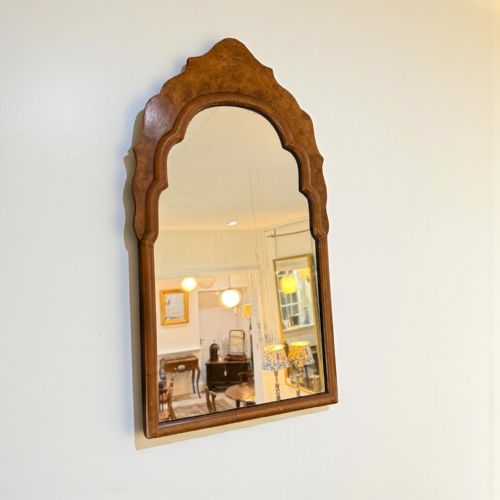
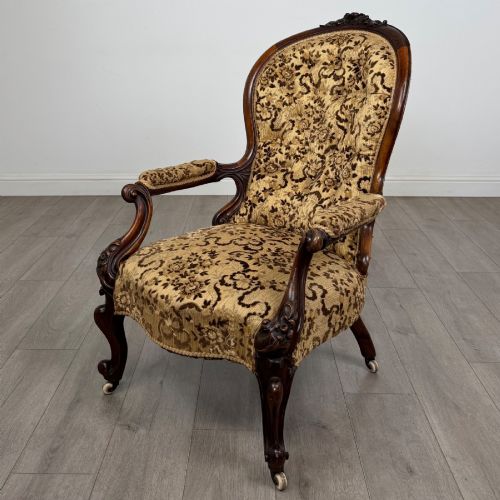
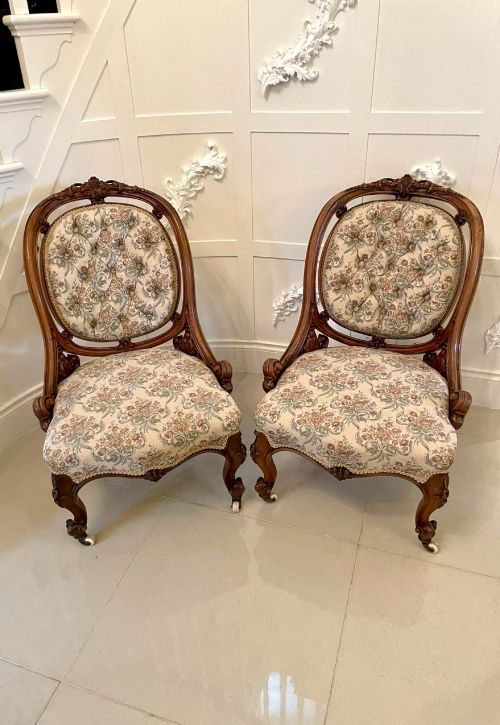
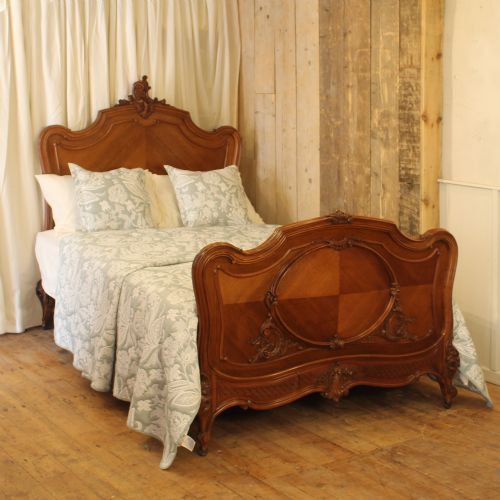
When you search for an antique walnut frame, you encounter timber surrounds enclosing mirror glass, upholstery or caning. These pieces span centuries of domestic use, appearing in forms from eighteenth-century wall mirrors to Victorian salon chairs and Edwardian bedroom furniture.
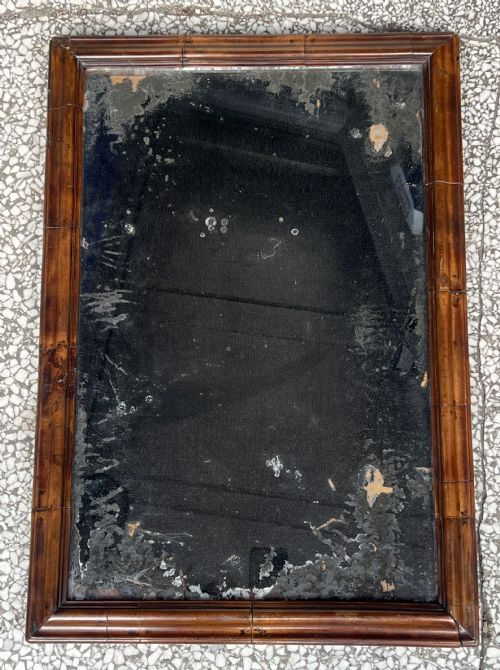
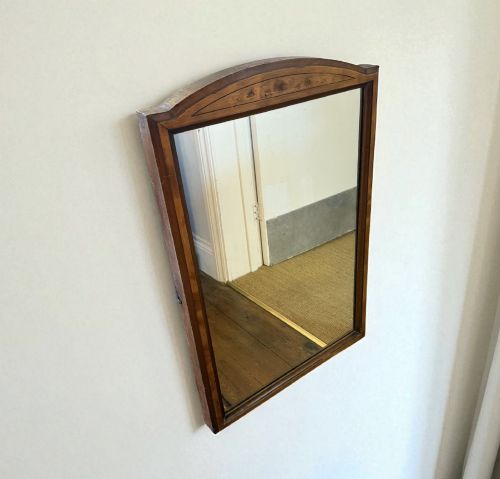
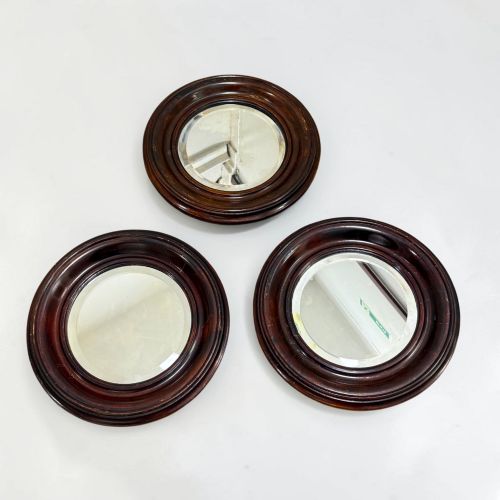
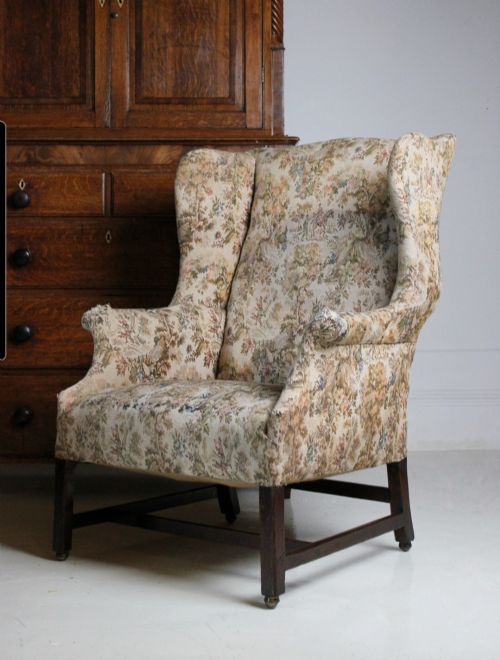
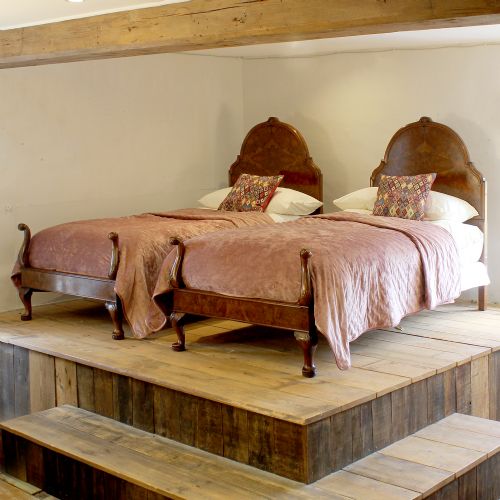
The selections on this page are most commonly mirrors and seating from the nineteenth and eighteenth centuries. You will frequently find wall-mounted and pier mirrors alongside carved armchairs, single beds and stools.
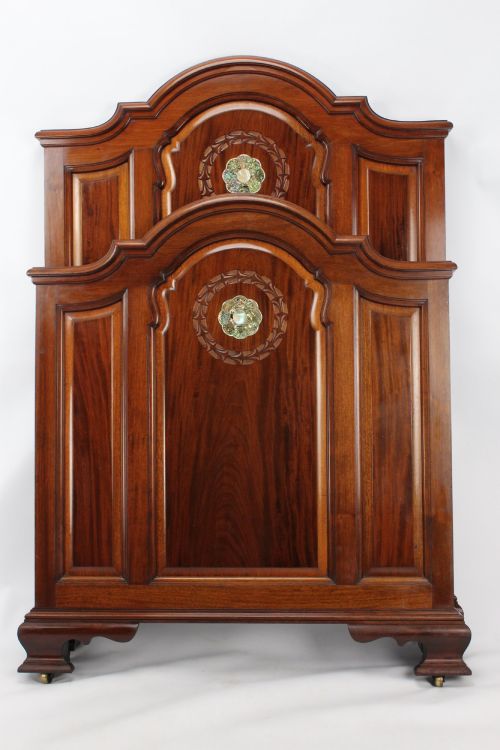
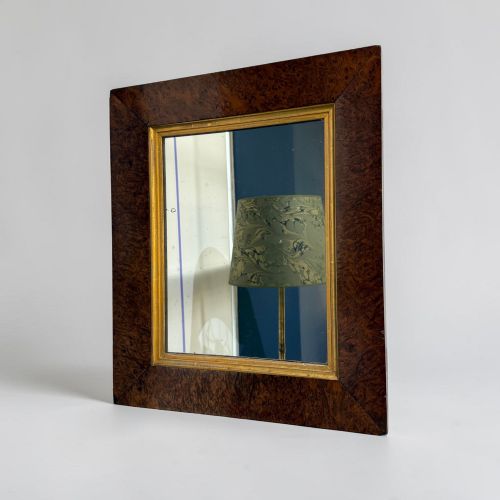
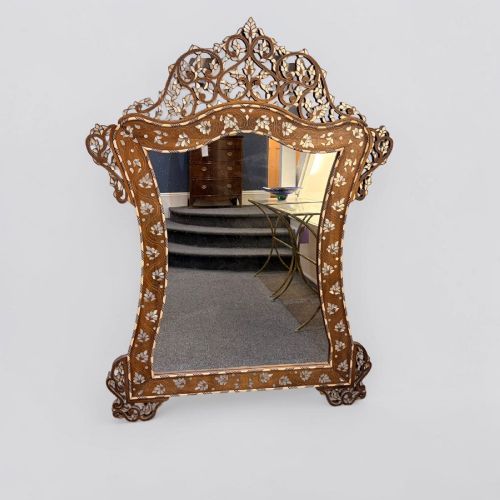
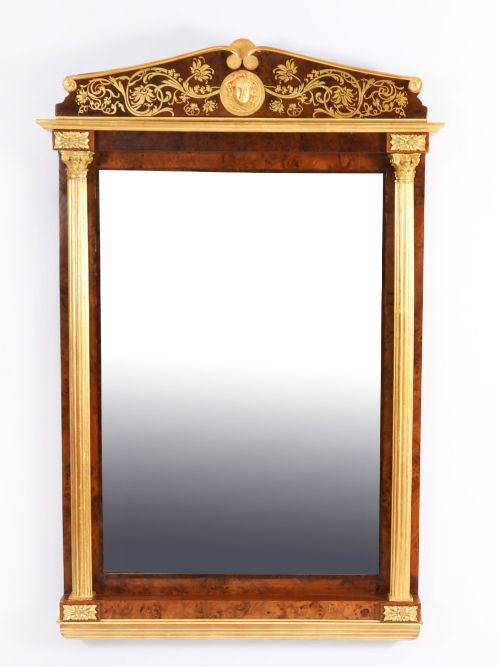
Earlier examples display the rich figuring of burr timber and parcel gilt accents, while later Victorian and Edwardian iterations utilise darker walnut or contrasting inlay materials such as mother-of-pearl and abalone.
Construction and materials
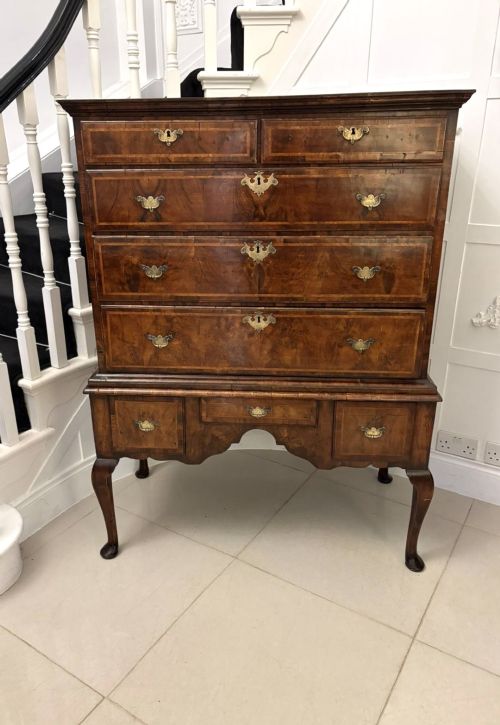
Makers utilised solid walnut and decorative veneers over secondary timbers, often selecting burr walnut sections for striking grain patterns. Frames frequently incorporate parcel gilt detailing, brass hardware, and glass plates.
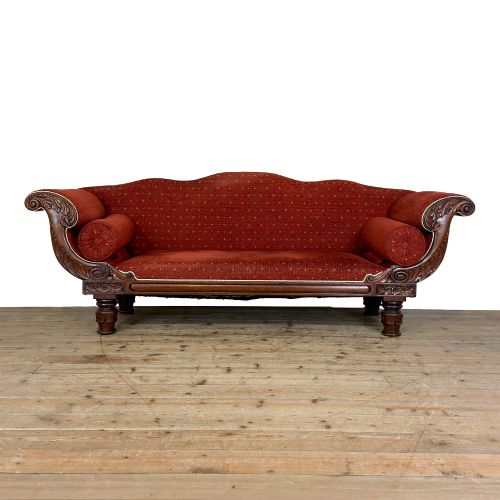
Joinery techniques ranged from traditional mortise and tenon frames for structural seating to delicate mitred mouldings on wall mirrors. Carving was executed by hand, producing tactile relief work on crestings, cabriole legs and arms.
Listings span multiple eras from the 18th century through to 1930, uniting walnut, brass, glass and giltwood in mirrors, beds and seating.
Distinguishing quality
The highest-grade examples display superior timber selection, such as richly figured burr veneers matched symmetrically across the frame surface. Expert hand-carving defines the finer pieces, with crisp relief work that retains its depth and sharpness.
Proportion and structural integrity separate exceptional items from standard production. Superior frames maintain their original gilding, glass and finish, showing harmonious balance in scale and decorative restraint.
The Antique Walnut Frame Glossary
- Burr walnut
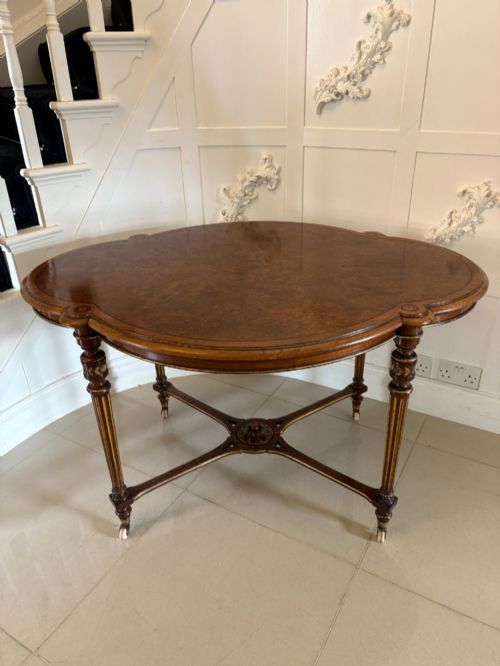
- A figured wood grain taken from the wart or growth on a walnut tree, prized for its swirling patterns. It appears frequently on nineteenth-century mirror surrounds and table tops.
- Parcel gilt
- Partially gilded decoration applied to specific carved details of a wooden frame. This technique highlights mouldings and crestings against the dark walnut ground.
- Trumeau
- A tall pier mirror combined with a painted panel or carved relief above the glass. These French mirrors were designed to hang between windows.
- Cabriole leg
- A furniture leg that curves out and then tapers inward, ending in a pad or foot. It is characteristic of Queen Anne and eighteenth-century styles.
- Split cane
- Woven plant material used for seating panels, providing a flexible and supportive surface. It appears on early twentieth-century easy chairs.
Antique Walnut Frame: Frequently Asked Questions
How do I date an antique walnut frame?
Dating relies upon examining the construction methods, secondary timbers, and decorative styles visible on the piece. Eighteenth-century frames often show hand-cut joinery and simpler plate bevelling, while Victorian and Edwardian examples incorporate machine-sawn elements and distinct revival motifs.
Hardware and mirror glass characteristics also offer clues to age. Older glass plates may display minor imperfections and distortion, whereas later manufacturing processes produced uniformly flat surfaces.
Where should I place a walnut mirror?
These mirrors suit hallways, living spaces and bedrooms where their dark timber tones can anchor a room's colour scheme. Hang them above mantelpieces, sideboards or dressing tables to reflect light and create a sense of depth.
Ensure wall fixings match the substantial weight of solid timber and glass. Position the piece away from direct sunlight and moisture to protect the timber grain and gilt highlights.
How do I care for walnut frames?
Maintain the timber by dusting regularly with a soft, dry cloth. Avoid using silicone-based sprays or harsh chemical polishes that can damage the antique finish over time.
Keep pieces away from sudden temperature fluctuations and radiators to prevent the wood from drying out or splitting. Occasional application of a suitable wax helps nourish the surface.