


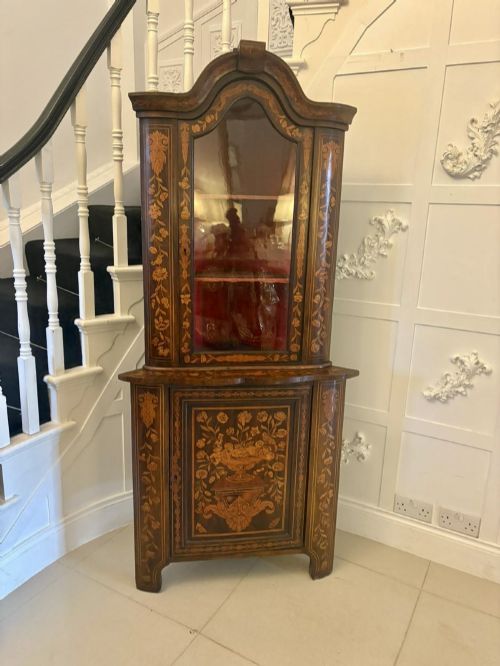
Antique Walnut Display Cabinet
An antique walnut display cabinet brings warmth and figured grain to a room while holding porcelain and books behind glass.

What an antique walnut display cabinet is
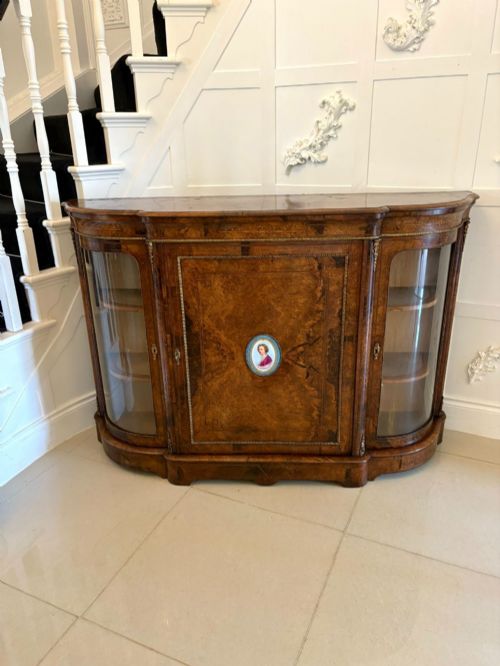
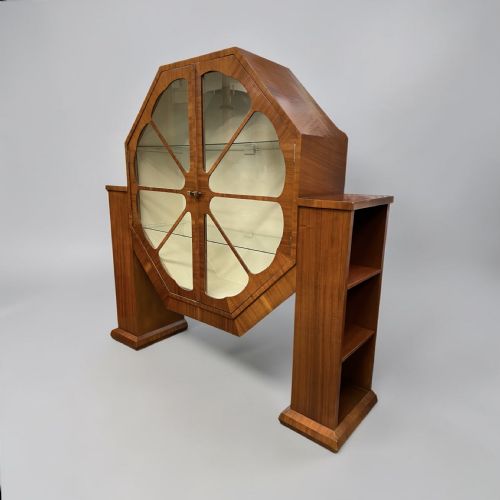
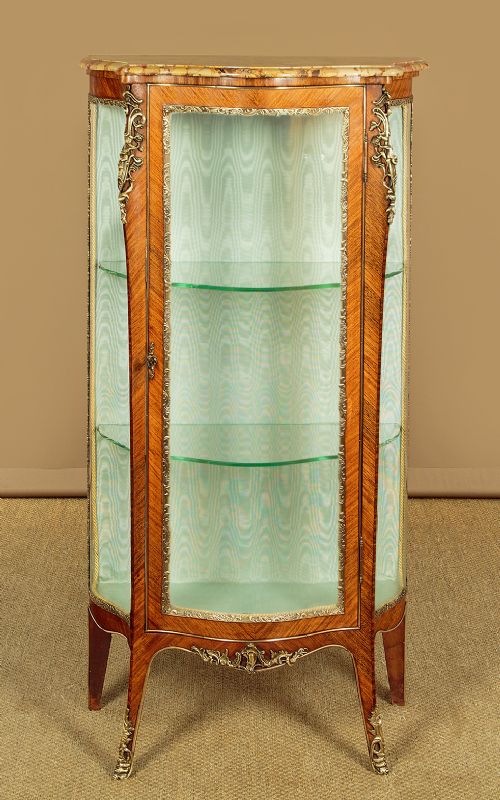
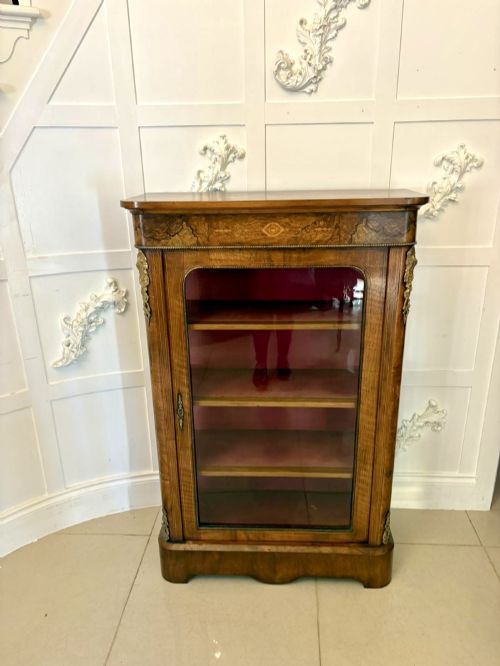
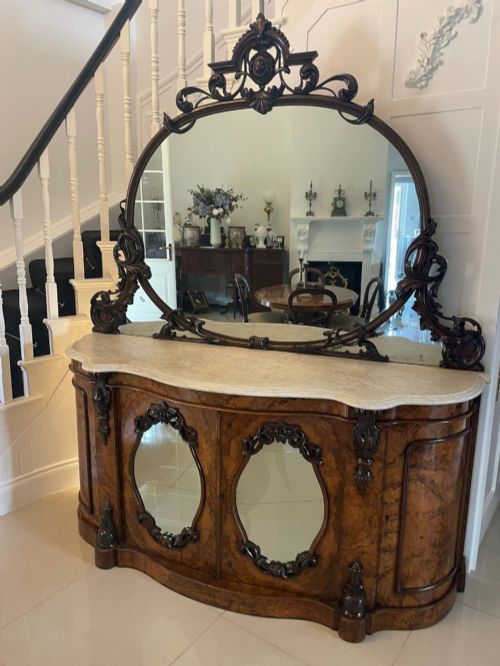
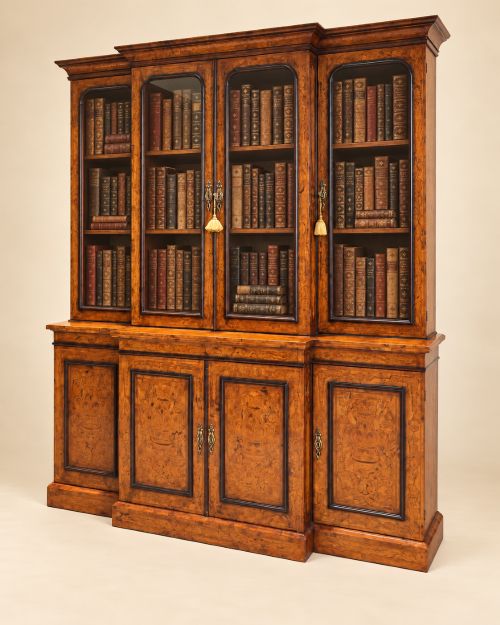
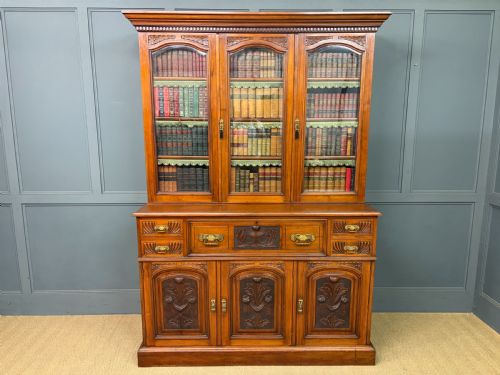
When searching for an antique walnut display cabinet, collectors encounter a range of forms designed to showcase treasured possessions in domestic interiors. The selections span compact pier cabinets and corner units to expansive credenzas, breakfront bookcases, and bombé vitrines.
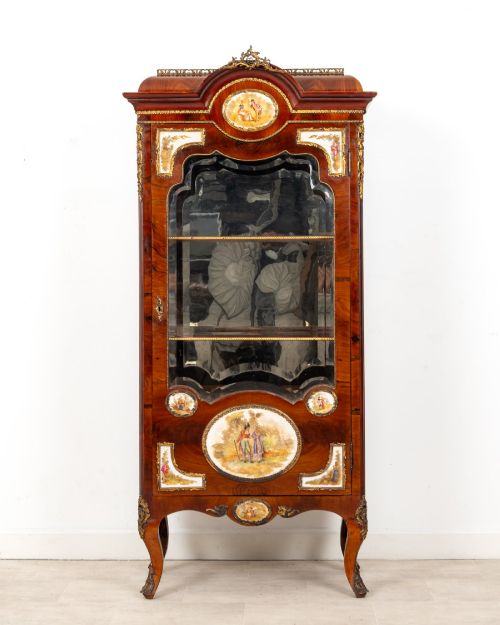
Victorian pieces dominate the offerings, frequently rendered in burr walnut with glazed doors and brass or ormolu mounts. Alongside these sit earlier eighteenth-century Dutch examples displaying floral marquetry, as well as Arts and Crafts variations in solid timber.
The primary function remains the exhibition and protection of precious objects, utilising glass panels and fitted interior shelving. These items serve equally as grand reception room furniture and as practical storage solutions for smaller studies.
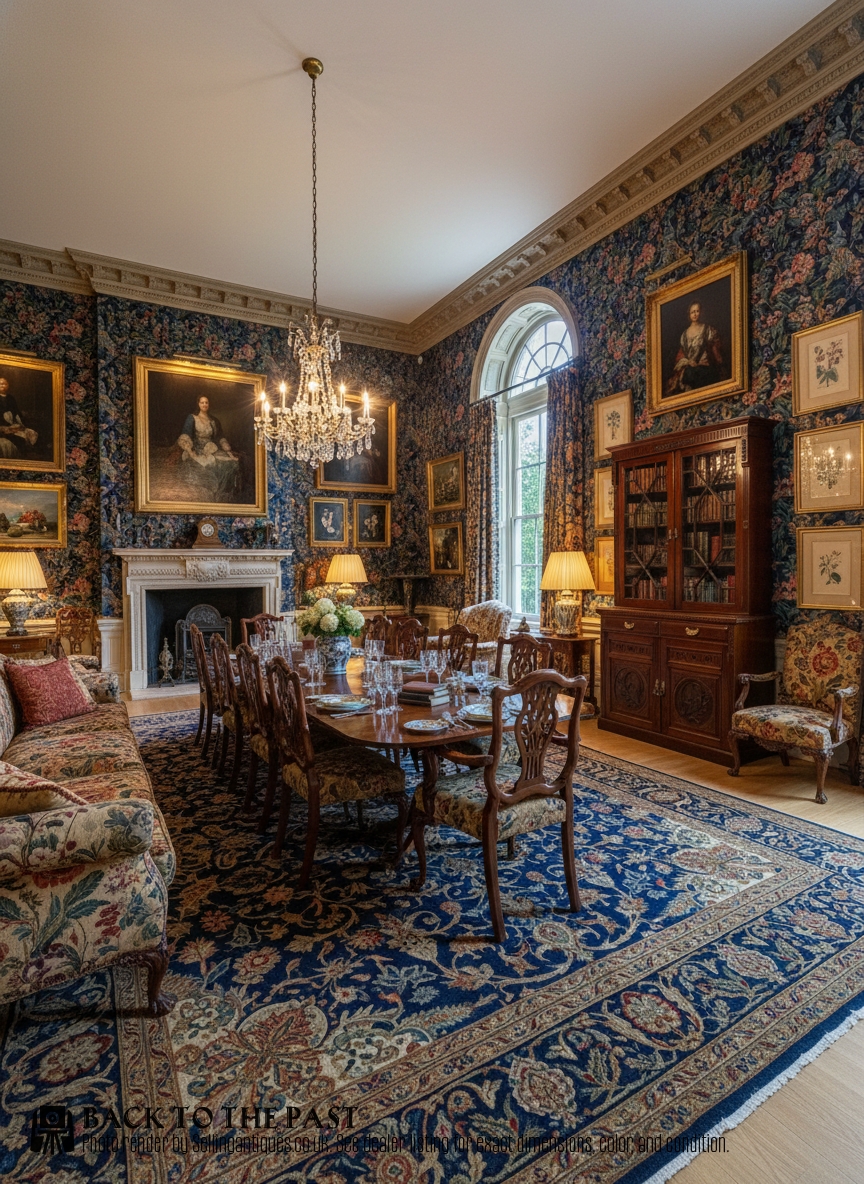
How they were made
Cabinetmakers constructed these pieces utilising carcases of oak or secondary timbers faced with finely cut walnut veneers and burr walnut sections. The distinctively patterned grain was matched symmetrically across doors and drawer fronts to create harmonious visual movement.
Decorative embellishments involved intricate satinwood inlay, floral marquetry, and hand-carved details integrated directly into the timber frame. Metalwork components, including brass handles, hinges, and cast ormolu mounts, were applied to accentuate the architectural lines of the furniture.
Glazing techniques employed individual glass panes secured within timber glazing bars, while interiors frequently featured lined surfaces using velvet. Structural integrity depended on traditional joinery methods tailored to accommodate the natural expansion and contraction of walnut.
Retail Price Guide 2026
Typical UK retail prices for walnut display cabinet, calculated from the Sellingantiques database of over a million retail prices indexed since 2003. This retail price guide relies exclusively on Sellingantiques data; no external sources or auction records are used, so the figures do not describe the wider market.
Some nineteenth-century cabinets hide sheet music behind their glass doors.
What varies in quality
The selection of timber veneer dictates much of the visual hierarchy, with dense, highly figured burr walnut commanding greater appreciation than plain grain. Master craftsmen spent considerable time selecting matching veneer sheets so the natural patterns flowed seamlessly across the entire front elevation.
The complexity and precision of decorative additions separate standard items from exceptional examples. Finely cut marquetry depicting floral motifs, delicate satinwood stringing, and heavy cast ormolu mounts indicate superior workshop output and greater initial cost.
Structural refinement shows in the handling of secondary timbers, the neatness of internal carcass work, and the original condition of the glass and hardware. Pieces retaining their fitted shelves, working locks, and original velvet linings preserve their integrity far better than altered counterparts.

The Antique Walnut Display Cabinet Glossary
- Burr walnut
- A veneer taken from the knotted growth of a walnut tree, prized for its swirling, highly figured grain patterns. It creates a rich, mottled surface texture on cabinet doors.
- Credenza
- A sideboard or display unit, often featuring mirrored backs and glass side panels. Victorian examples frequently combine central cupboards with curved glazed end cabinets.
- Marquetry
- Inlays of different woods and botanical materials assembled to form pictorial designs. Eighteenth-century Dutch cabinets often employ this technique to display floral patterns.
- Ormolu
- Gilded bronze mounts applied to furniture for decorative effect. These cast metal details enhance the corners and friezes of fine Victorian and continental cabinets.
- Pier cabinet
- A tall, narrow display piece designed to fit the wall space between windows. These upright units typically house delicate porcelain behind a single glazed door.
- Vitrine
- A glass-fronted cabinet specifically built for the display of curiosities and small objects. The design maximises light exposure through the sides and front.
Frequently Asked Questions
What is the difference between a credenza and a display cabinet?
A credenza is a low sideboard form that often incorporates mirrored backs and side display sections alongside central storage. Traditional display cabinets focus primarily on vertical glass storage for china and books.
Both types utilise figured walnut veneers and glass panels, but their proportions suit different wall spaces within a formal room.
How do I care for walnut veneer furniture?
Walnut requires stable room humidity and protection from direct sunlight to prevent the veneers from drying out or fading. Gentle dusting with a dry cloth maintains the polished surface without damaging the historic finish.
Avoid placing these cabinets near direct heat sources or damp exterior walls to safeguard the timber and underlying glue.
Are eighteenth-century and Victorian walnut cabinets constructed differently?
Earlier eighteenth-century pieces, such as Dutch bombé cabinets, often utilise heavier solid construction and complex floral marquetry. Victorian examples frequently rely on applied burr walnut veneers over oak carcases with mass-produced brass or ormolu mounts.
Interior fittings and glazing bar thickness also evolved between the Georgian era and the later nineteenth century.
Can I adjust the shelves inside an antique display cabinet?
Most antique display cabinets feature fixed wooden or glass shelving supported by traditional wooden fixed battens rather than modern adjustable metal pegs. Altering shelf heights generally requires professional intervention to preserve the historic interior fabric.
Original velvet linings and internal wooden surfaces should remain undisturbed to maintain the authenticity of the piece.