

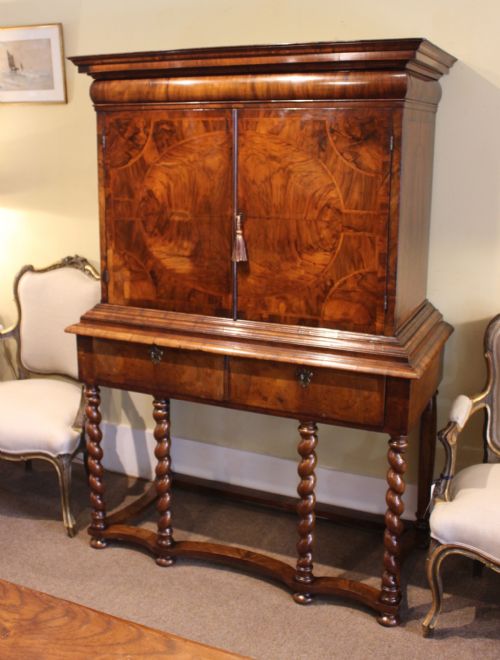


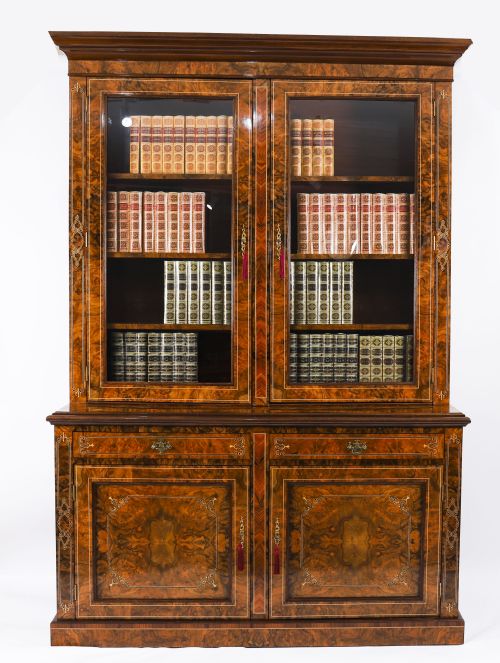


Antique Walnut Book Cupboard
An antique walnut book cupboard brings warmth and grounded storage to a room, offering sturdy timber shelving behind glass or timber doors.
Antique Walnut Book Cupboard
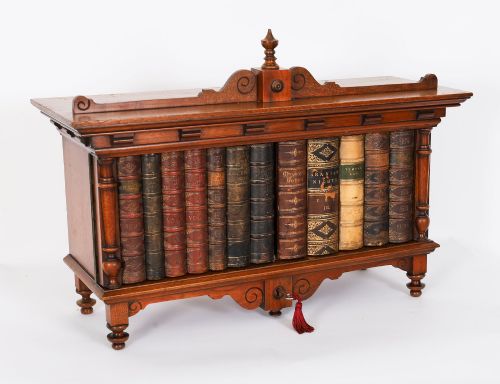
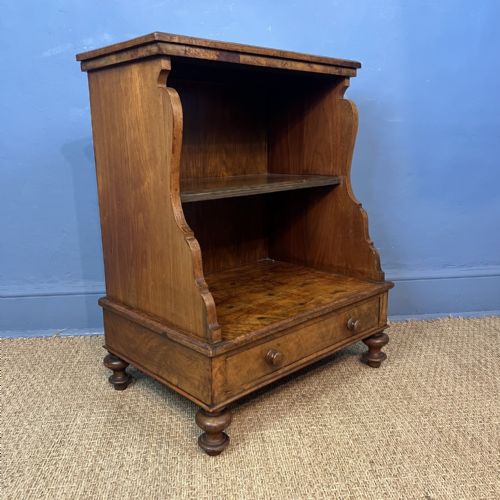
When you search for an antique walnut book cupboard, you encounter a variety of forms designed to house volumes and display cherished objects. These pieces range from grand breakfront bookcases to compact bedside cabinets and tallboys originating from the eighteenth, nineteenth, and early twentieth centuries.
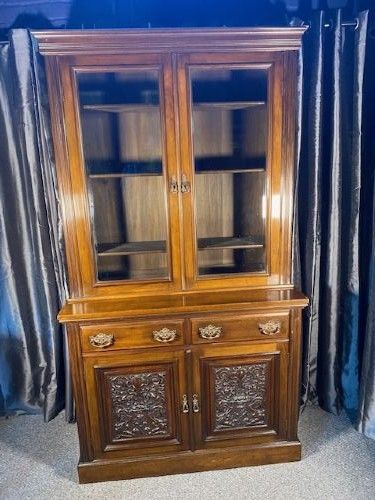
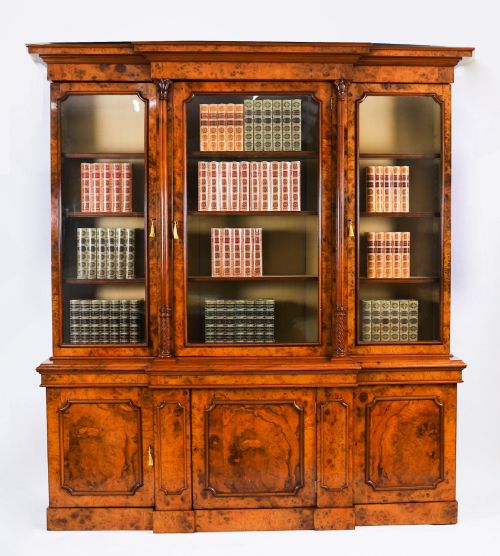
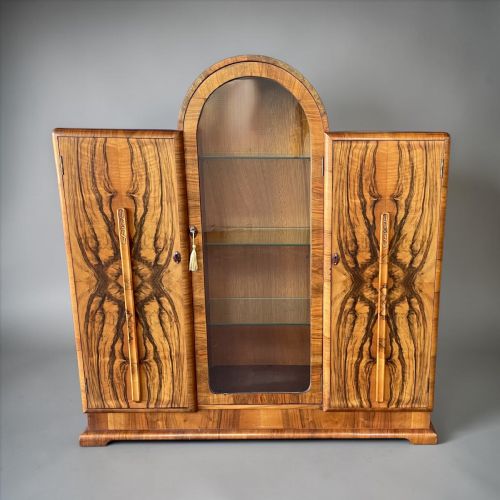
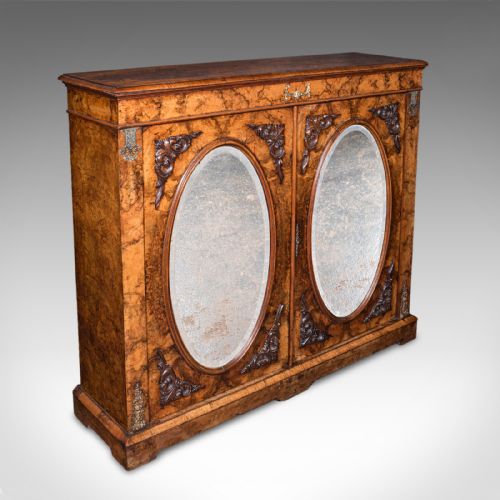
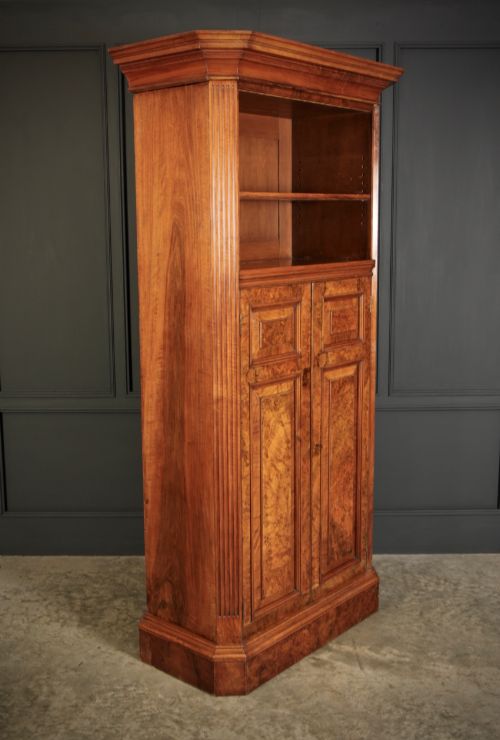
The most common examples you meet on this page date from the Victorian and Edwardian eras, often featuring glazed doors, adjustable shelves, and rich burr walnut figuring. Makers across these periods utilised the distinctive grain of the timber to create functional furniture for morning rooms, studies, and parlours.
Originating styles vary considerably, drawing upon French provincial influences, Regency lines, and Queen Anne revivals alongside straightforward English Victorian utility. Whether tall and narrow or low and open, each piece reflects the domestic storage needs of its respective period.
Materials and construction
Cabinet makers relied primarily on solid walnut and walnut veneer, frequently selecting burr walnut for its intense, swirling grain patterns on primary display surfaces. Secondary timbers such as oak often provided structural stability for interiors and drawer linings.
Glazing bars framed glass panels to protect books from dust while maintaining visibility, complemented by brass hardware, leather accents, and occasional ormolu mounts. Parquetry work and fine inlay further decorated surfaces on select French and English pieces.
Antique Walnut Book Cupboard Retail Price Guide 2026
Typical asking prices for walnut book cupboard among the pieces listed under this phrase on Sellingantiques today, from the lower quarter to the upper quarter. They describe what is for sale here now, not the wider market.
Listings span the eighteenth, nineteenth, and early twentieth centuries, featuring walnut, burr walnut, oak, and brass across various bookcase and cabinet forms.
Qualities that distinguish the pieces
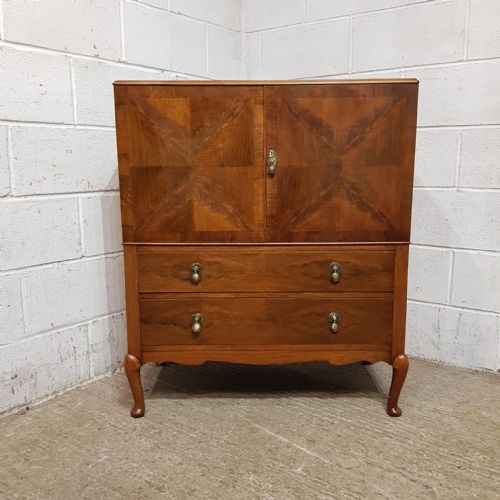
Quality rests significantly in the selection and matching of the walnut veneer, where symmetrical grain alignment across doors and drawers indicates superior craftsmanship. The depth of the timber's patina and the crispness of any inlaid details further separate standard utility items from finer parlour cabinets.
Structural integrity also defines a superior piece, visible in the smooth operation of adjustable shelving mechanisms, well-fitted doors, and original brass or glass components. Pieces retaining their original locks, keys, and untouched polished surfaces hold greater integrity.
The Antique Walnut Book Cupboard Glossary
- Burr walnut
- A prized veneer taken from the growth excrescences on walnut trees, showing intricate, swirling grain patterns. It provides a highly decorative surface on Victorian and Edwardian cabinet doors.
- Breakfront
- A cabinet design where the central section projects forward from the flanking wings. This configuration adds architectural depth to large nineteenth century bookcases.
- Tallboy
- A tall storage furniture piece combining drawer sections, sometimes topped with a cupboard element. These pieces maximise vertical storage space in bedrooms and libraries.
- Ormolu
- Gilt bronze mounts applied for decorative effect on furniture frames and feet. They appear frequently on French influenced pieces.
- Parquetry
- Geometric mosaic woodwork used for decorative surface patterns on tables and cabinet panels. It demonstrates precise carpentry skills.
Antique Walnut Book Cupboard: Frequently Asked Questions
How do I spot burr walnut?
Burr walnut is instantly recognisable by its swirling, highly figured grain patterns that resemble clustered eyes or knots. It was frequently used on the primary display doors of Victorian and Edwardian cabinets to catch the light.
Cabinet makers matched these grain patterns symmetrically across double doors to create striking visual symmetry. This timber requires careful observation to distinguish from simpler straight grained walnut veneers.
Are shelves usually adjustable?
Many nineteenth and early twentieth century bookcases feature adjustable shelving supported by wooden racks or brass studs. This practical interior design allowed owners to accommodate books of varying heights.
When inspecting a cabinet, check that the mechanism moves freely and that the shelves are original to the piece. Fixed shelves are more common in earlier eighteenth century examples.
Where were these cupboards placed?
These cupboards were traditionally housed in libraries, morning rooms, and studies to protect valuable private collections of literature. Narrower variations and bedside versions also served bedrooms and drawing rooms.
Their enclosed glass or solid doors kept dust away from paper volumes while displaying decorative bindings. Today, they transition easily into modern living spaces for similar display and storage purposes.
How do I care for walnut?
Walnut furniture benefits from a stable environment away from direct sunlight and sudden temperature shifts. Excessive heat can dry out the timber and cause veneers to lift from their foundations.
Apply a traditional beeswax polish occasionally to nourish the grain and maintain the deep patina. Avoid silicone based sprays which can damage the historic polish surface over time.