

Antique Wall Shield
These antique wall shield pieces range from heraldic wooden panels to taxidermy mounts, chosen by buyers to bring historic character and traditional craftsmanship into a room.
Antique Wall Shield
When you search for an antique wall shield, you encounter a distinct mixture of heraldic armorial plaques, carved wooden panels, and taxidermy trophies mounted upon timber backs. These items originate predominantly from the nineteenth and early twentieth centuries, spanning periods from Victorian and Edwardian to Art Deco and Arts and Crafts aesthetics.
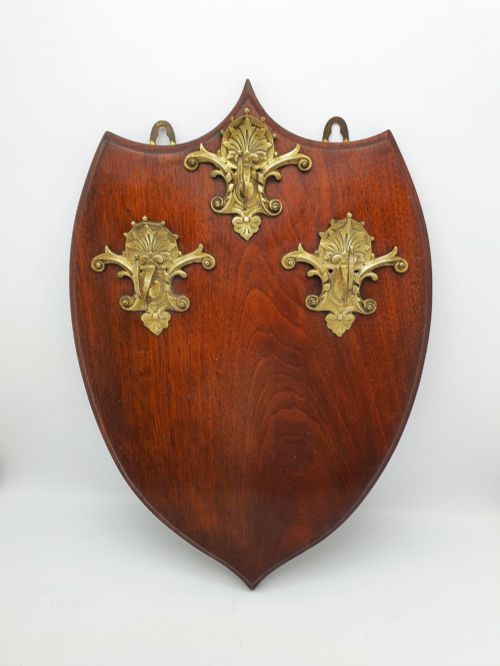
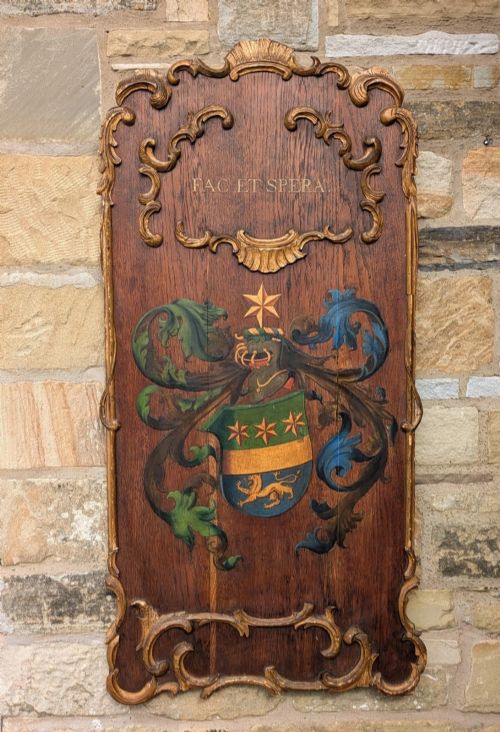
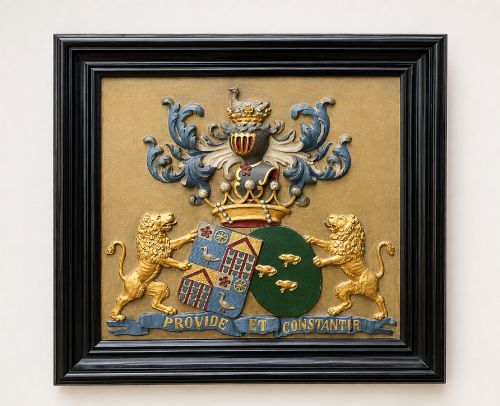
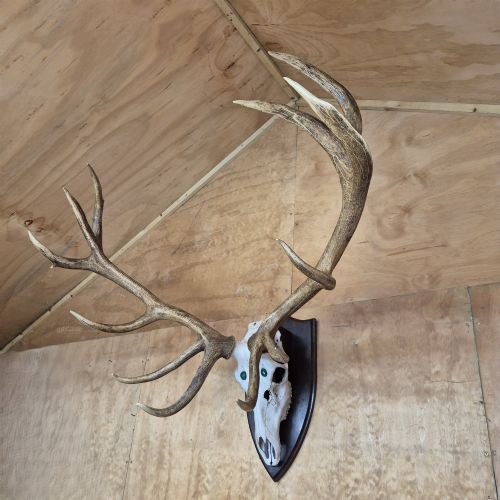
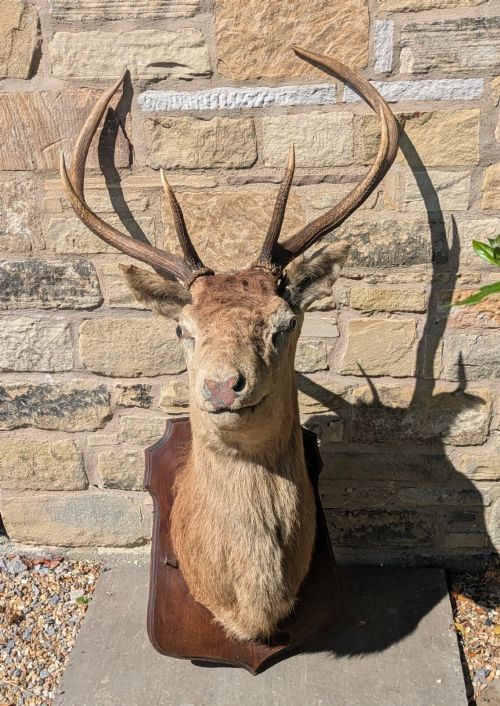
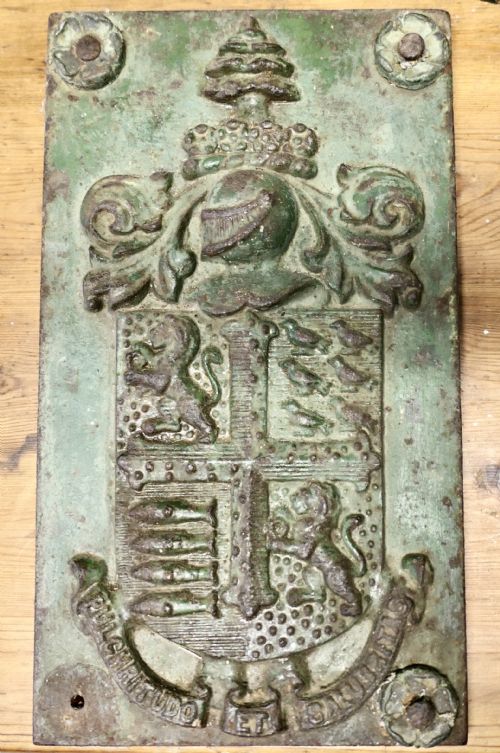
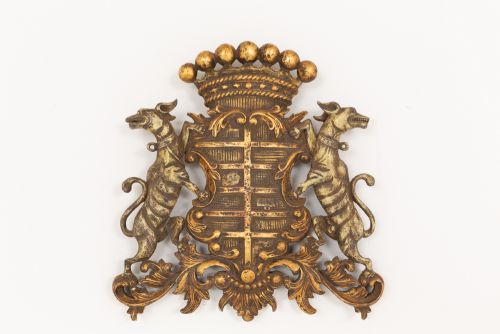
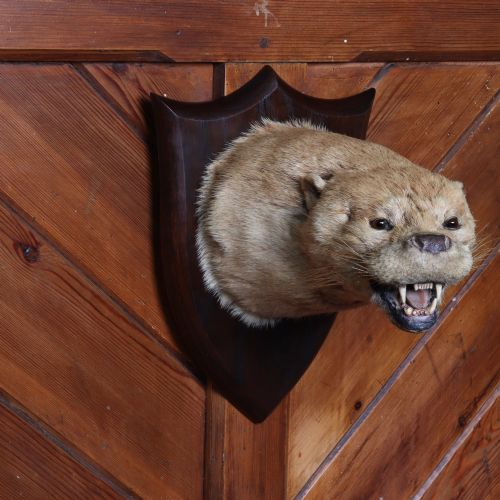
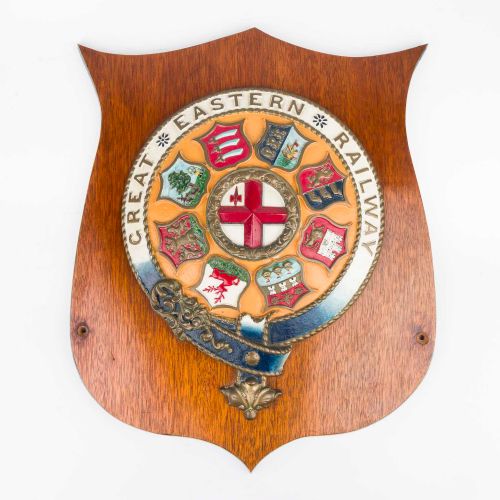
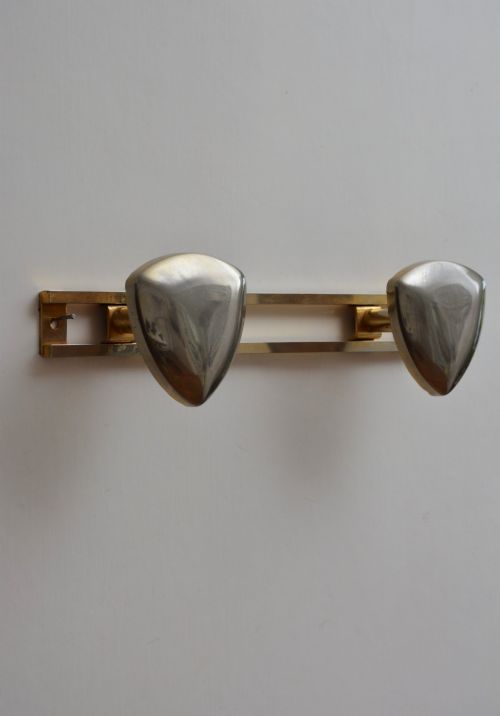
The most common versions met on this page are carved wooden armorial shields displaying family crests or civic coats of arms, alongside taxidermy mounts such as deer antlers, stag heads, and fox masks fixed to oak boards. Alongside these, buyers find solid iron and bronze plaques, repoussé metalwork, and specialised functional objects shaped like shields, including mirrors and hotel key boards.
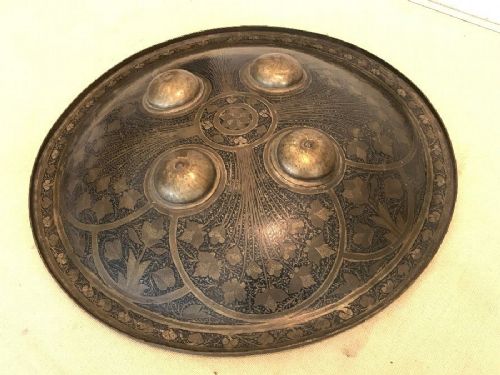
Origins vary widely, encompassing British railway and family crests, Dutch marriage plaques, French hall racks, and Indo-Persian or Indian brass dhal shields. The unifying factor across these disparate objects is their intended placement upon a wall as a focal point of lineage, sport, or decorative design.
How they were made
The construction of these pieces relies heavily on seasoned hardwoods like oak and walnut, carved by hand or shaped to form the foundational backplates for metal plaques and taxidermy mounts alike. Metal elements are cast in iron, brass, bronze, and copper, utilising techniques such as repoussé work, silver-plating, and detailed surface engraving to depict foliate patterns and coats of arms.
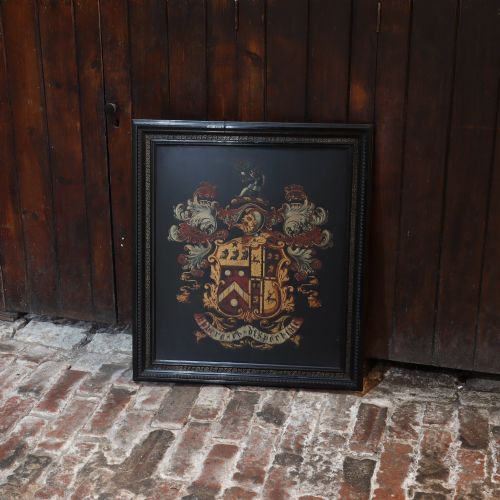
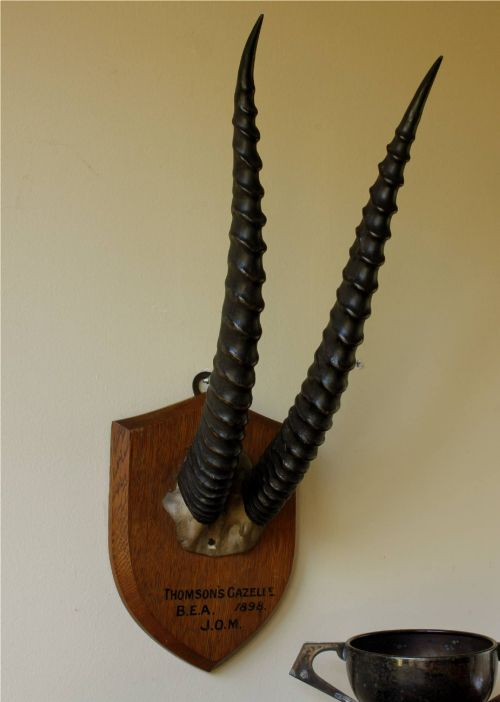
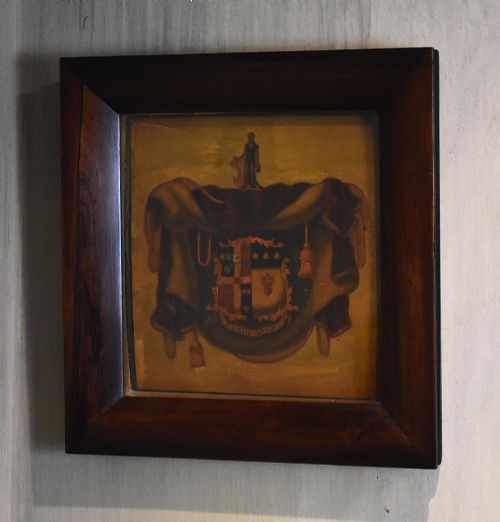
Taxidermy shields combine skilled hide and horn mounting with carpentry, securing animal specimens - including antelope, buffalo, and deer - directly onto carved wooden shields using traditional hide glues, wire, and iron fixings. Painted surfaces on wood, canvas, or coach panels employ oil-based pigments to render heraldic tinctures and marriage details with enduring clarity.
A remarkably competitive fox hound named Dairy Maid immortalised in taxidermy permanently guards the wall.
What varies in quality
Quality in these pieces is dictated by the crispness of the hand-carving on wooden shields and the artistic fidelity found in metal repoussé work and cast armorial bearings. Superior examples display deep, deliberate chisel marks and precise heraldic detailing rather than soft, mass-produced contours.
In taxidermy specimens, the excellence of the work rests on anatomical accuracy, the preservation of the hair or horns, and the harmonious proportion between the animal mount and its supporting oak shield. Signatures from established practitioners elevate the standing of a piece considerably.
The integrity of the materials also defines the upper tier, seen in heavy gauge brass, genuine mercury glass plates in mirrors, and well-preserved original painted surfaces that have escaped heavy modern restoration.
Peter Spicer and Sons·Gerrard and Sons·Edward Gerrard and Sons·Edward Pearce
The Antique Wall Shield Glossary
- Armorial
- Relating to heraldry or a coat of arms. These designs are frequently painted, carved, or cast onto the surface of shield plaques.
- Repoussé
- A metalworking technique where the metal is hammered from the reverse side to form a raised design in relief on the front. This method appears on decorative metal shield panels.
- Taxidermy mount
- The art of preparing, stuffing, and mounting the skins of animals with horns or antlers. These are commonly fixed to wooden shield backs for display.
Antique Wall Shield: Frequently Asked Questions
What is an antique wall shield?
An antique wall shield is a decorative or commemorative object shaped like a traditional defensive shield, or a flat board cut in that form to hold a display. These items include carved wooden armorial plaques, cast metal coats of arms, and taxidermy trophies mounted for interior display.
Historically, they served to display family lineage, civic pride, or sporting success. Today, buyers use them to add architectural texture and historical narrative to interior spaces.
How were heraldic shields used?
Heraldic shields and armorial plaques were commissioned by families, institutions, and railway companies to display authority, identity, and heritage. They were traditionally hung in great halls, libraries, and municipal buildings as symbols of status and lineage.
Marriage plaques marked unions between families, while railway crests identified corporate ownership on rolling stock or station walls. In modern settings, they function purely as decorative wall art with historical depth.
How do I care for taxidermy shields?
Taxidermy mounted on wooden shields requires stable environmental conditions away from direct sunlight and excessive humidity. Keep the room temperature moderate to prevent the natural hide, bone, or antlers from drying out and cracking.
Dust the specimens gently with a soft, dry brush in the direction of the hair or fur. Avoid using chemical cleaners, water, or polishes on the animal elements or the aged wooden backplates.
How do I identify the period?
Dating these pieces involves examining the materials, fixings, and stylistic cues present in the woodwork and metal casting. Hand-cut screws, traditional adhesives, and the specific oxidation of brass or iron offer reliable clues to the century of manufacture.
Stylistic shifts also provide guidance, moving from the ornate carvings of the seventeenth and nineteenth centuries to the cleaner geometric lines of Arts and Crafts and Art Deco metalwork. Maker marks or signatures stamped into the wood or metal provide definitive chronological anchors.