

Antique Wall Rug
When choosing an antique wall rug, you secure nomadic textiles and embroideries created across Central Asia, Persia, and the Caucasus during the nineteenth and early twentieth centuries.
Antique Wall Rug
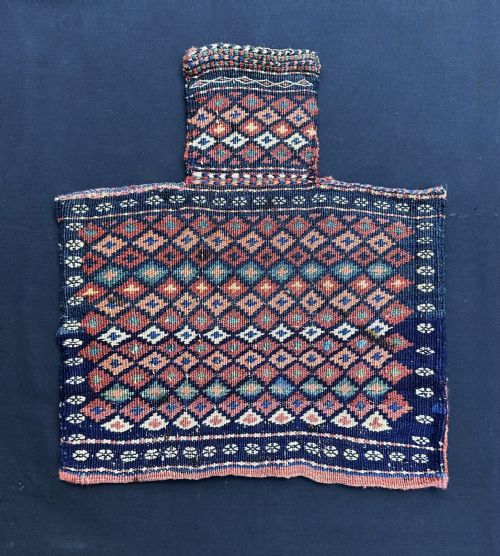
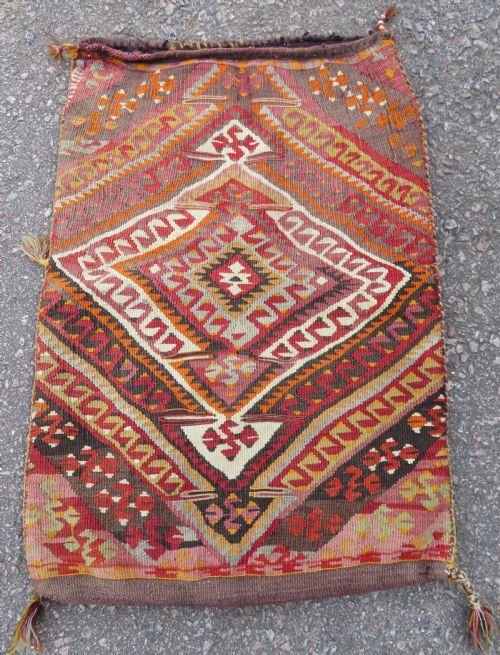
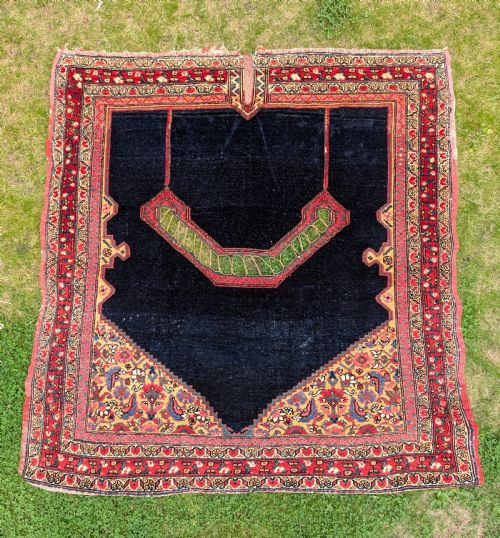
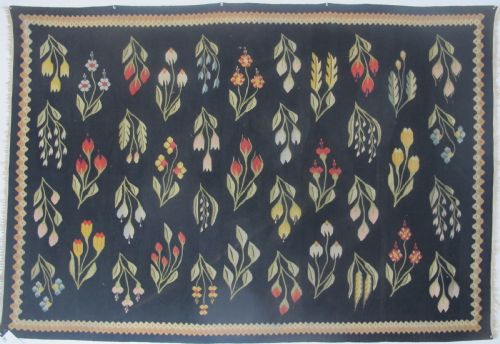
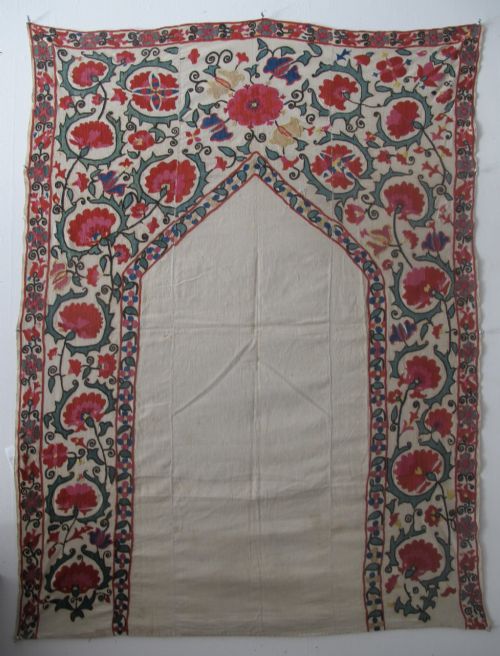
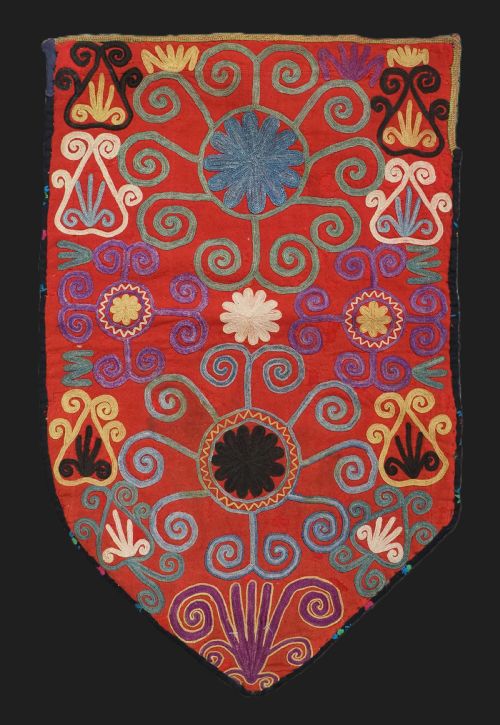
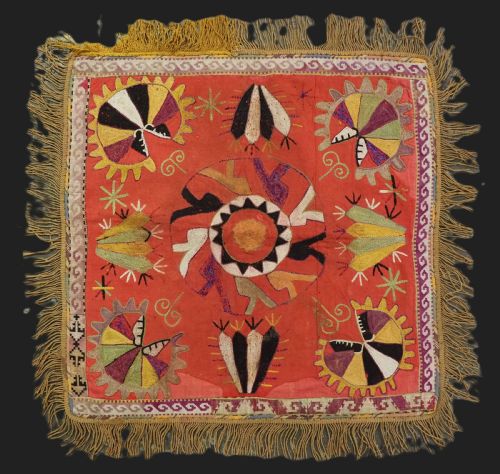
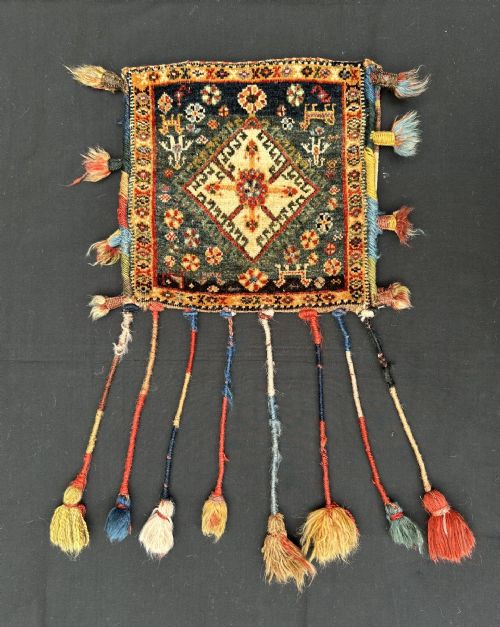
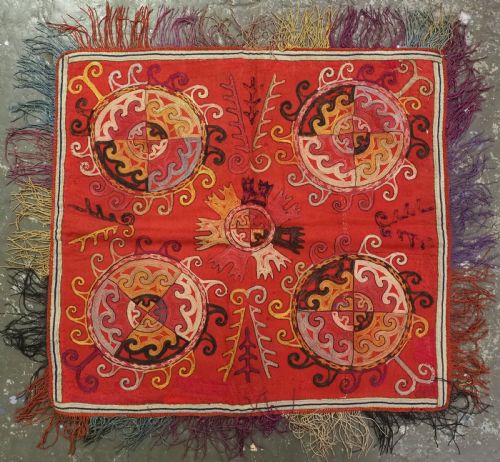
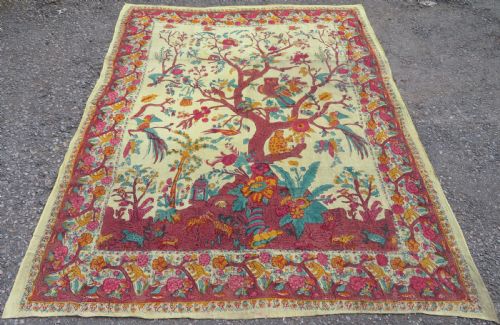
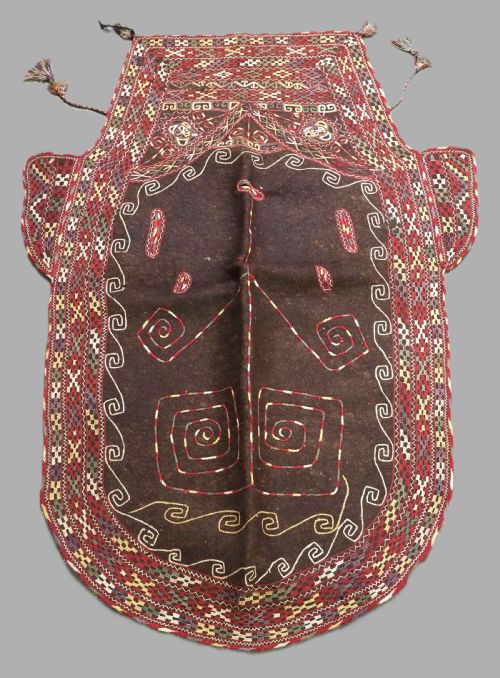
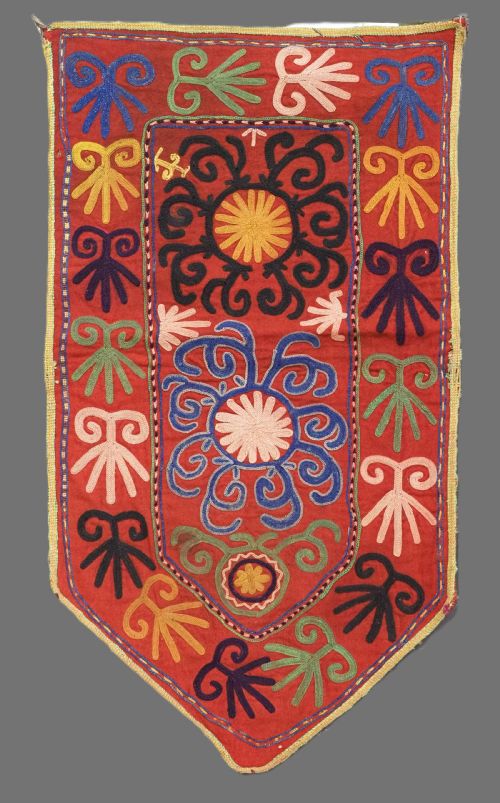
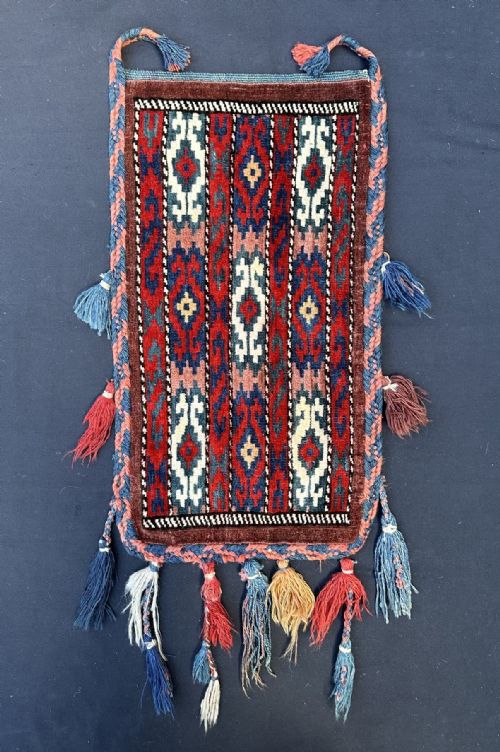
An antique wall rug encompasses a diverse array of tribal and nomadic textiles repurposed for display, ranging from dowry embroideries to saddle covers and storage bags. These pieces originate primarily from Central Asian, Persian, and Caucasian regions, reflecting the utilitarian crafts of nomadic groups. Buyers encounter items specifically fashioned for domestic decoration alongside functional objects that transition naturally to vertical display.
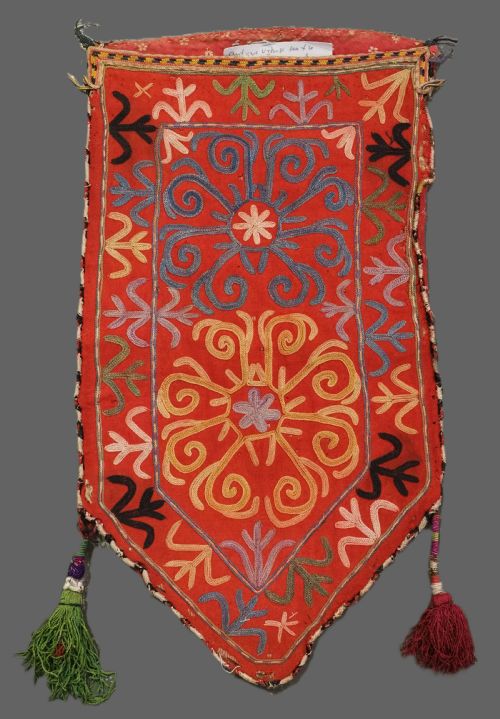
The selection frequently highlights specialised forms such as Uzbek Lakai ilgiches, Turkmen asmalyks, and various tribal bagfaces or storage sacks. Dating predominantly from the late nineteenth century through to the early decades of the twentieth century, these items embody the distinct cultural output of specific tribes. Each format carries traditional motifs rooted in nomadic heritage, translated through weaving and embroidery traditions.
Materials and construction methods
Makers relied heavily on wool, hand-spun wool, and felted wool, complemented by cotton and silk thread for detailed surface work. Natural dyes provided the foundational palette, yielding deep, enduring tones across tribal pieces. Glass beads occasionally appear in specific Central Asian embroideries, adding texture and decorative punctuation to the textile surface.
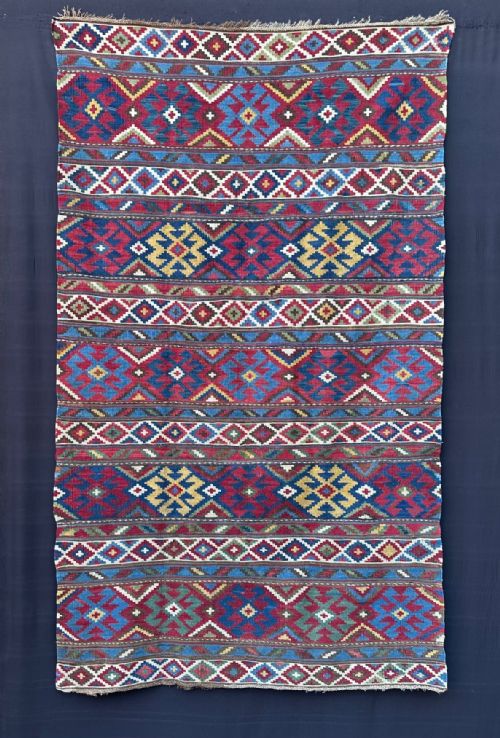
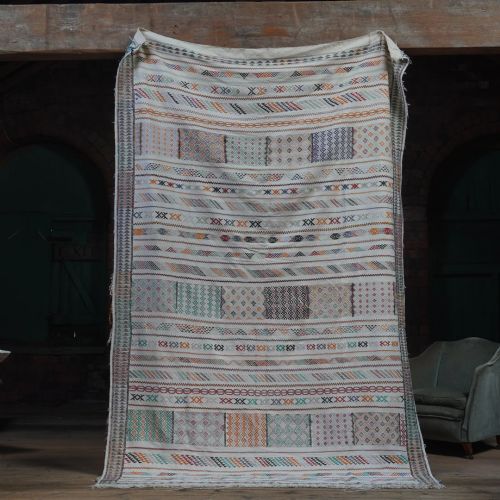
Construction techniques divide broadly between flat-woven formats like kilims, pile-woven saddle rugs, and intricate needlework embroideries on felt or cotton grounds. Artisans utilised dense stitching and traditional loom methods suited to nomadic life, ensuring structural integrity in items subjected to daily use before their retirement to domestic walls.
Antique Wall Rug Retail Price Guide 2026
Typical asking prices for wall rug among the pieces listed under this phrase on Sellingantiques today, from the lower quarter to the upper quarter. They describe what is for sale here now, not the wider market.
Listings feature items utilising wool, cotton, silk, and natural dyes, dating from the mid-nineteenth century to the early twentieth century.
Factors determining quality
Quality rests significantly on the fineness of the spin, the complexity of the design, and the integrity of the natural dyes employed by the weaver or embroiderer. Pieces exhibiting exceptional precision in execution and well-preserved surface textures command greater appreciation among collectors. The survival of original structural elements, such as tassels and selvages, further distinguishes superior examples.
The nuance of regional tribal designs and the vibrancy of the remaining colour palette separate standard utilitarian pieces from masterworks. The skill demonstrated in needlework density or weave tightness reflects the maker's expertise and the cultural importance attached to the specific textile format.
The Antique Wall Rug Glossary
- Kilim
- A flat-woven carpet or rug produced without a pile, commonly utilising slit-tapestry techniques across nomadic regions.
- Suzani
- A large, decorative embroidered wall hanging originating from Central Asia, traditionally worked in silk or cotton on a cotton ground.
- Asmalyk
- A pentagonal or polygonal trapping associated with Turkmen tribes, traditionally used to decorate wedding camels.
- Ilgich
- A specific type of dowry embroidery produced by the Lakai tribe in Uzbekistan, frequently intended for wall hanging.
- Jollar
- A Turkmen storage bag face, traditionally woven in pile or flatweave techniques for domestic utility within the yurt.
Antique Wall Rug: Frequently Asked Questions
How do I hang a textile safely?
Mounting requires distributing the weight evenly across the textile using a fabric sleeve or specialised non-damaging archival clips. Avoid hanging pieces in direct sunlight to protect natural dyes from fading.
Ensure the wall surface is free from moisture and that the support mechanism does not pull unevenly on the individual threads or weave structure.
What periods do these textiles represent?
The available pieces predominantly date from the mid-nineteenth century through to the early twentieth century, spanning the 1850s to the 1930s. This era captures the height of traditional nomadic and tribal textile production before industrial dyes and modern life altered regional crafts.
Earlier nineteenth-century works often display distinct natural dye variations and specific regional motifs that evolved or disappeared entirely in later decades.
How do I clean an antique textile?
Routine maintenance involves gentle surface dusting with a soft brush or low-suction vacuum applied through a protective mesh screen. Professional textile conservators should handle wet cleaning or deep restoration to prevent dye bleeding or structural fibre damage.
Water exposure can destabilize older natural dyes and weaken hand-spun wool or cotton foundations if not managed by an expert.
Where did these tribal pieces originate?
Origin points span Central Asia, including Uzbekistan and Turkmenistan, alongside the Caucasus and various regions of Persia. Specific tribes such as the Yomut, Ersari, and Lakai developed distinct visual vocabularies tied to their geographic locations and migratory routes.
Local materials and regional aesthetic preferences directly influenced the specific design layouts found on bagfaces, saddle covers, and hanging embroideries.