

Antique Wall Prints
Antique wall prints encompass centuries of framed paper, glass, and wood art capturing portraits, classical scenes, and caricatures to transform a room.
Antique Wall Prints
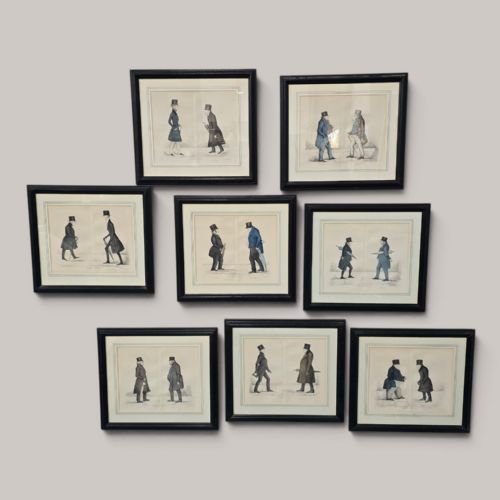
Antique wall prints include framed paper works, engravings, lithographs, and reverse glass pieces spanning from the seventeenth century through the Edwardian period. Buyers encounter various forms such as framed artwork, decorative plates, and sets of caricatures or sporting scenes.
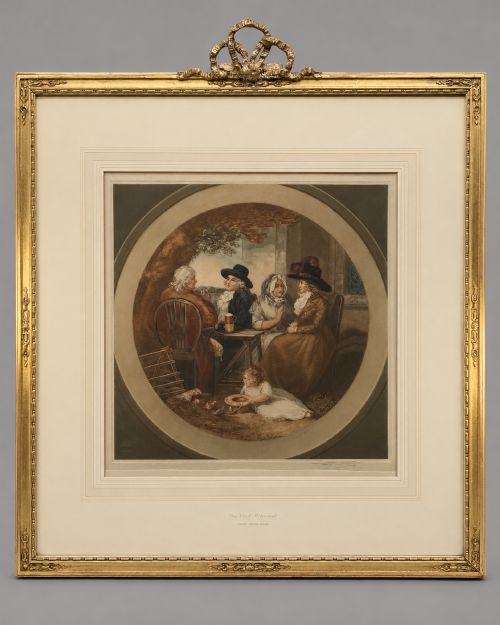
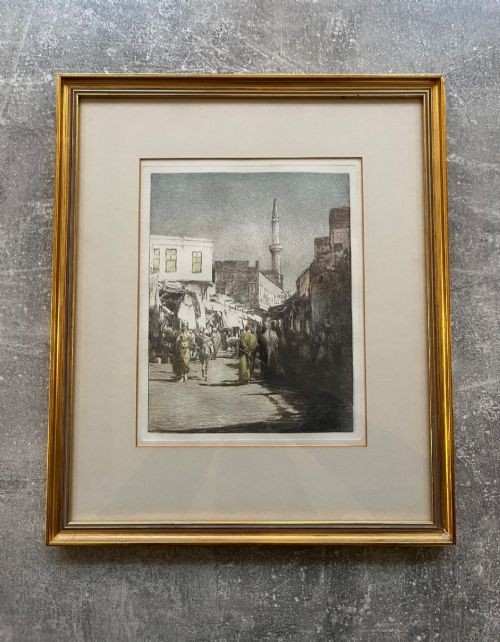
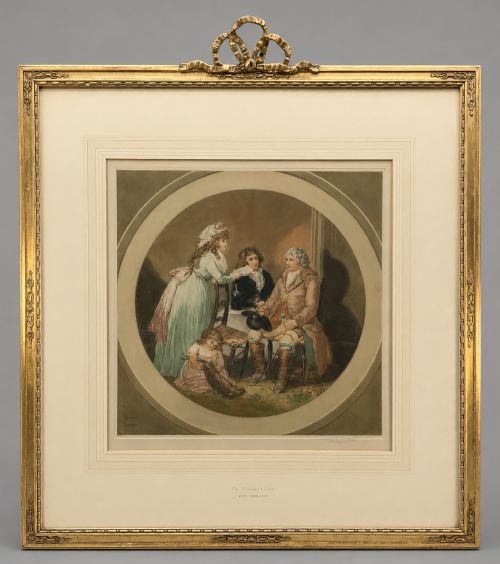
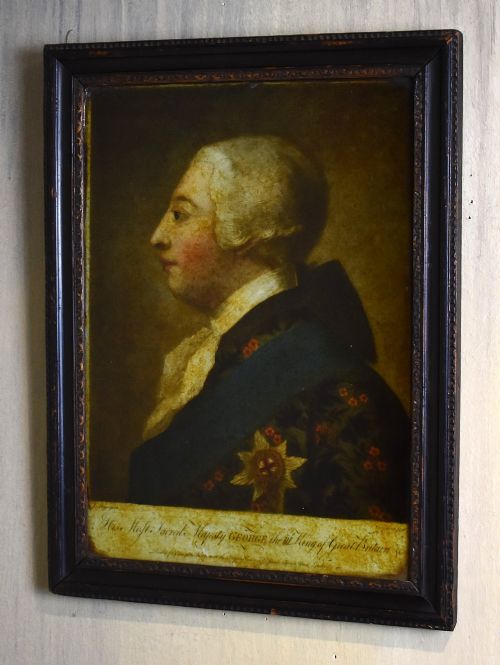
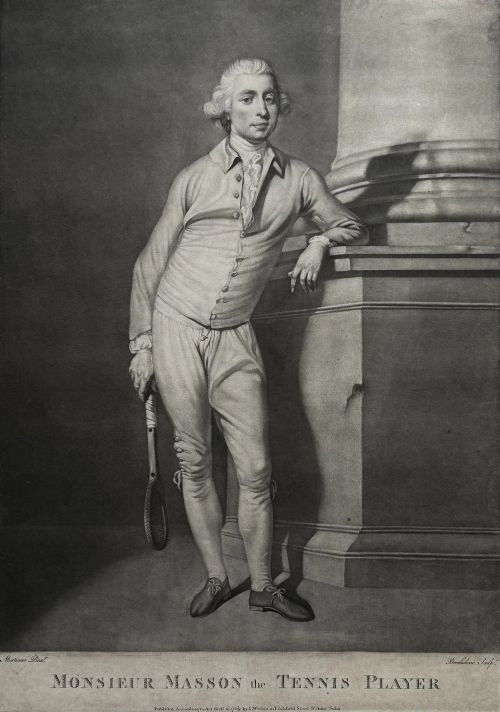
The selection ranges from eighteenth-century mezzotint portraits and stipple engravings to nineteenth-century classical subjects, theatrical prints, and topographical etchings. Many examples arrive complete with their original wood and gilt frames.
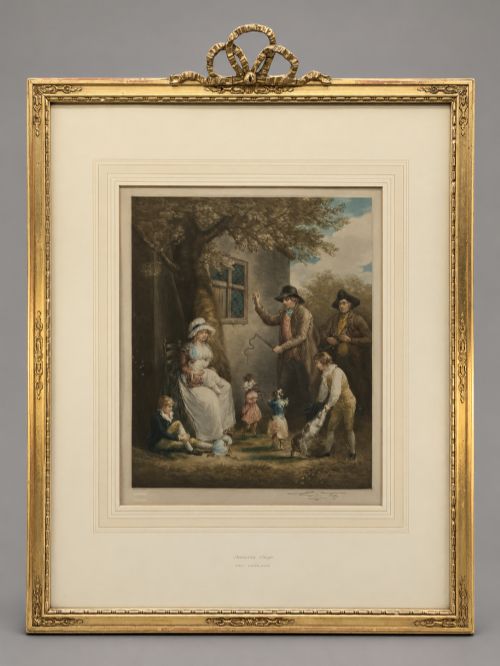
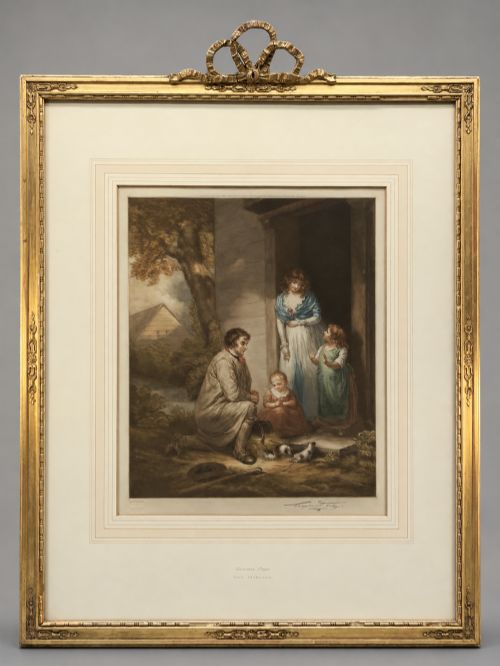
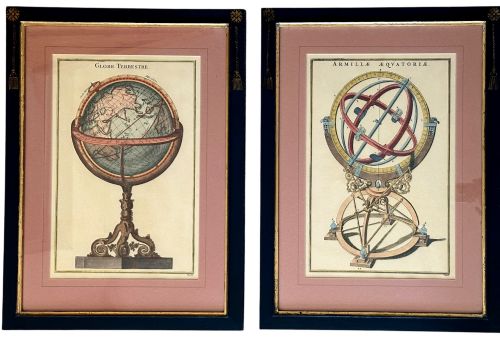
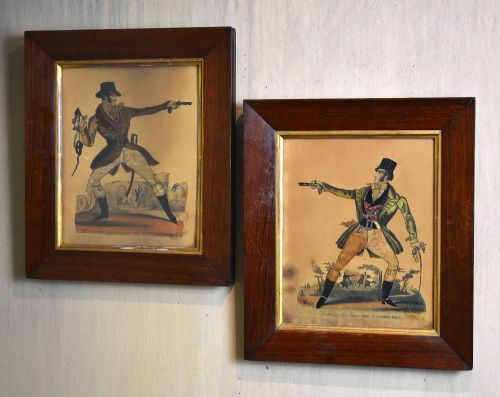
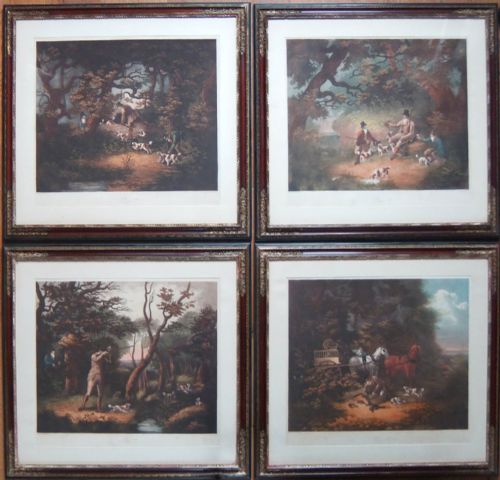
Domestic interiors gain character from these historic sheets, which record historical figures, theatrical actors, hunting scenes, and terrestrial globes. The formats vary from intimate single portraits to matching pairs and larger framed series.
Materials and production
Makers printed images onto paper using ink, watercolour tints, and colour mezzotint techniques, often enclosing the works behind glass within timber frames. Gilt wood and gold leaf frequently highlight the borders of Georgian and Victorian frames.
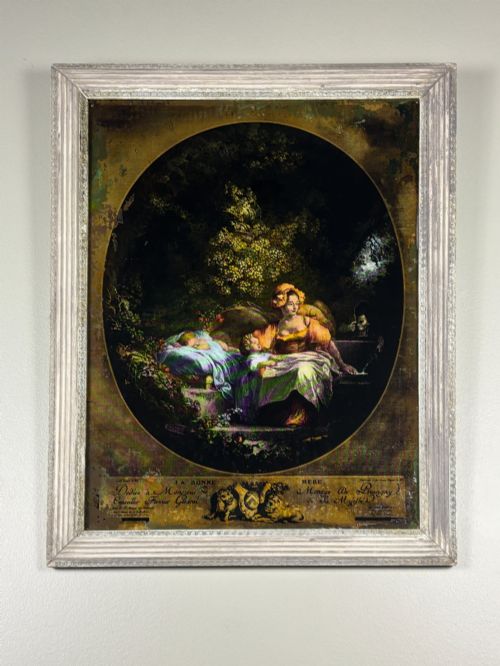
Specialised production methods include reverse painting and mezzotint printing on glass, where artists applied pigments directly to the reverse side of the pane. Stipple engravings and coloured etchings required meticulous plate preparation by skilled printmakers.
Antique Wall Prints Retail Price Guide 2026
Typical asking prices for wall prints among the pieces listed under this phrase on Sellingantiques today, from the lower quarter to the upper quarter. They describe what is for sale here now, not the wider market.
Guinea pigs and dancing dogs share the frame with Georgian politicians and theatrical actors in these historic prints.
Assessing craftsmanship and condition
Quality rests upon the clarity of the printed impression, the crispness of the plate marks, and the preservation of hand-applied watercolour or ink tints. Stronger tonal contrast and finer detail distinguish master printmakers from routine commercial output.
The integrity of the original frame, whether plain wood, gilt, or reverse painted glass, contributes significantly to the piece. Intact historic mounting and genuine period framing retain the visual balance intended by the original publisher.
Zacharia Boyle·Brameld and Co·William Adams·John Rogers and Son·Eugene James Tily·Mortimer Menpes·Richard Brookshaw·John Finlayson·John Rafael Smith·Antonio Gaymard
The Antique Wall Prints Glossary
- Mezzotint
- A printmaking process where the copper plate is roughened to achieve rich dark tones and subtle tonal gradations. This technique allows for remarkably smooth transitions between light and shadow.
- Stipple engraving
- A method of creating images on metal plates using dots rather than continuous lines to build up form and tone. It creates a soft, painterly effect often seen in eighteenth-century portraiture.
- Reverse painting on glass
- An artwork technique where the design is painted or printed onto the back of a glass sheet and viewed from the front. This method yields a distinct glossy surface finish.
- Lithograph
- A planographic printing process utilising stone or metal plates treated so ink adheres only to the drawn design. It enabled vibrant multi-coloured reproduction during the nineteenth century.
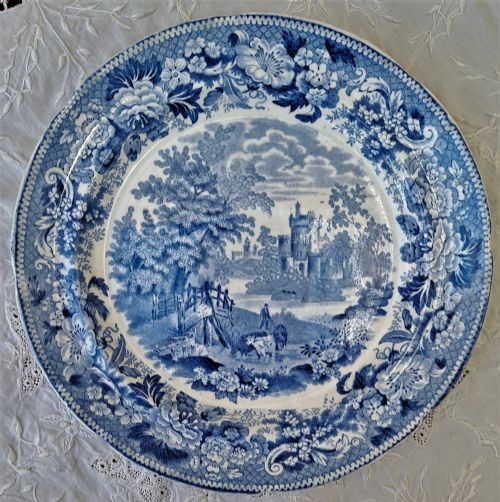
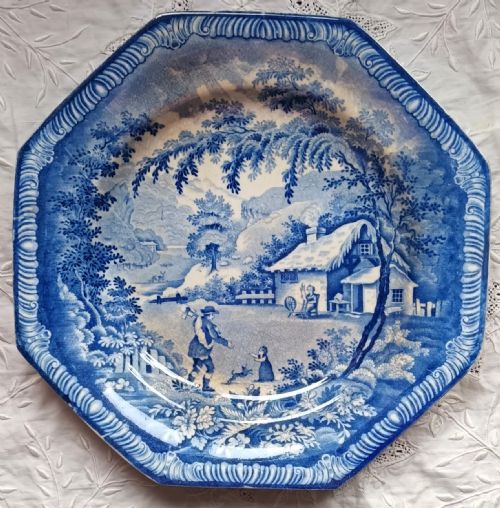
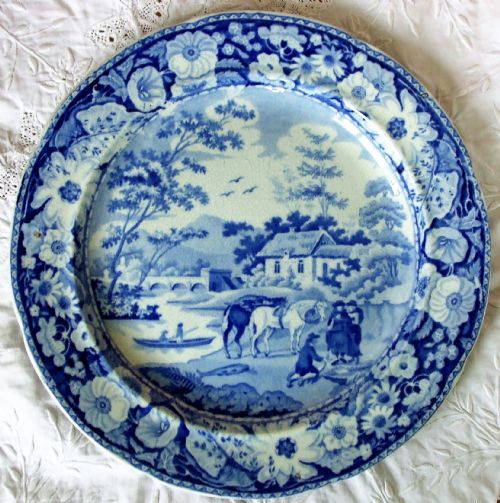
- Transfer ware
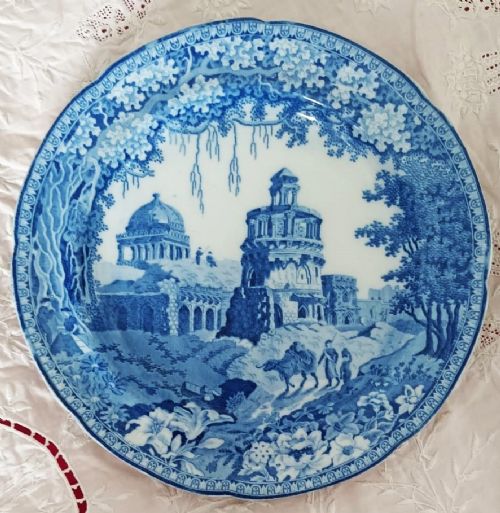
- Pottery decorated by applying a printed design from an engraved copper plate via tissue paper onto the ceramic body. This process allowed intricate scenes to be replicated reliably on plates.
Antique Wall Prints: Frequently Asked Questions
How do I hang antique wall prints safely?
Support heavy framed glass pieces using appropriate wall fixings rather than relying on decorative picture wire alone. Ensure placement avoids direct sunlight to protect delicate paper and watercolours from fading.
Check the stability of antique wood and gilt frames periodically. Professional framing tape and acid-free backing boards help preserve historic paper over time.
How are stipple engravings made?
Stipple engraving builds an image using a dense network of tiny dots punched into a copper plate with specialised tools. Printers then apply ink to the plate to transfer the dotted design onto paper.
This method produces gentle, lifelike skin tones and soft contours ideal for portraiture. Artisans often enhanced these prints with subtle hand-colouring.
Can I find matching pairs of antique prints?
Matching pairs and sets frequently appear in nineteenth-century sporting scenes, theatrical portraits, and allegorical subjects. Publishers often issued plates in series representing seasons, months, or moral lessons.
Keeping pairs together preserves their historical context and decorative symmetry. Buyers regularly source matched groupings of hunting dogs, horses, or literary characters.