

Antique Wall Pediment
An antique wall pediment draws the eye upward, bringing carved timber and classical proportion to plain plaster.
Antique Wall Pediment
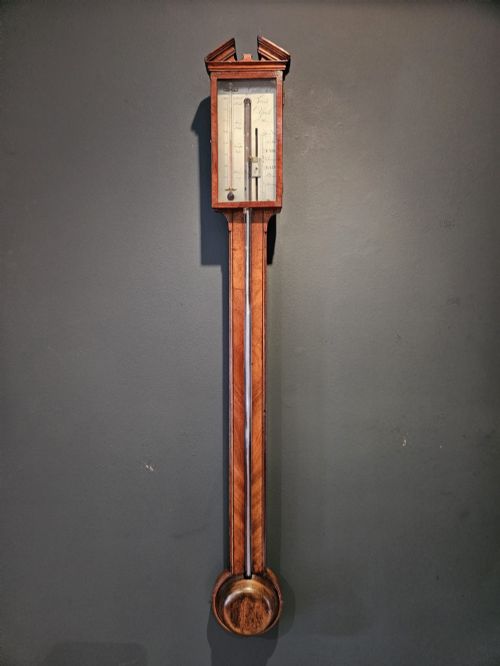
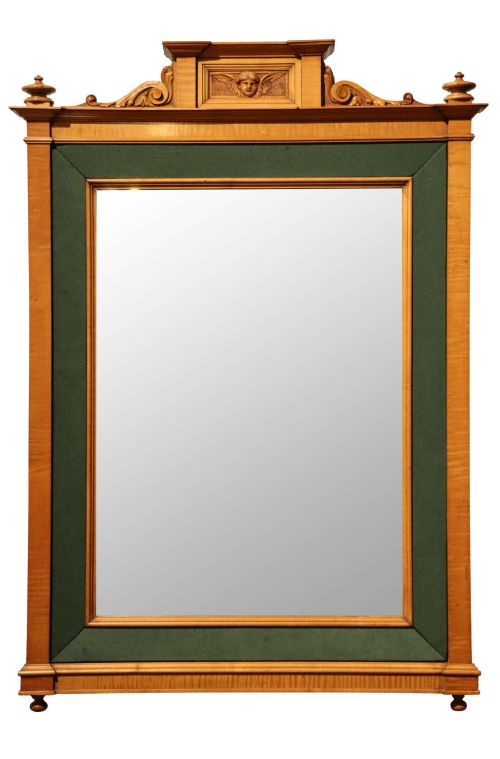
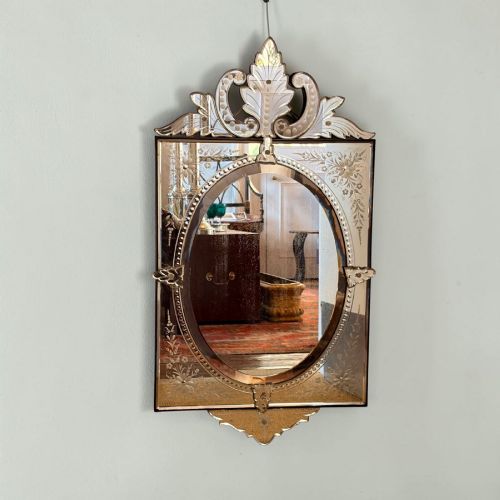
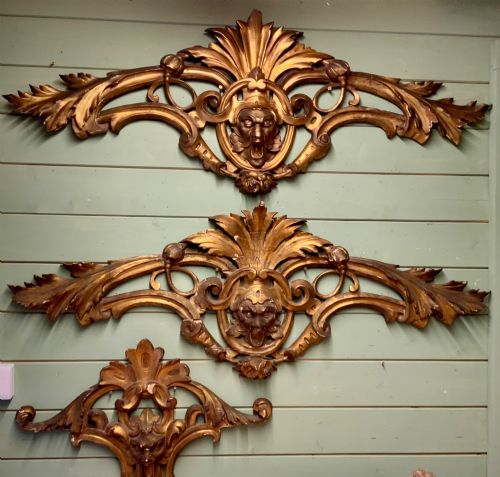
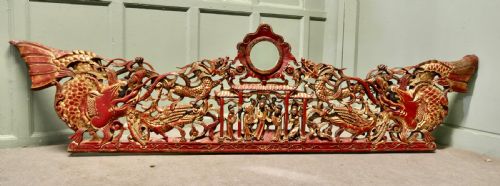
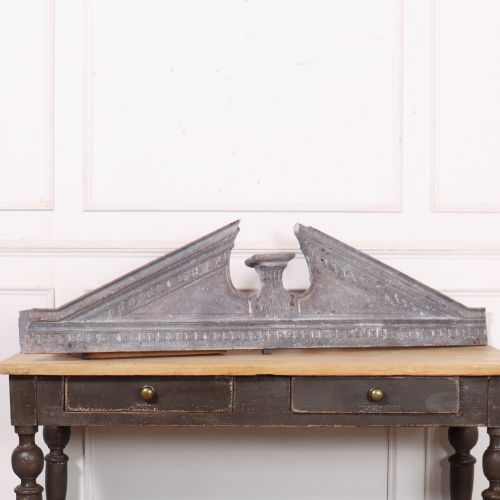
An antique wall pediment is an architectural element or decorative crest placed above doors, mirrors, and wall cabinets to anchor a room. The items found in this collection span from eighteenth-century wooden carvings and overdoor panels to nineteenth-century giltwood mirror pediments and corner cupboard cornices.
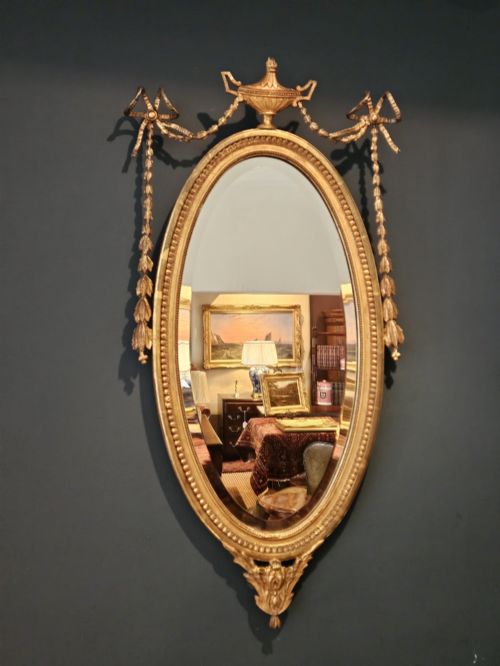
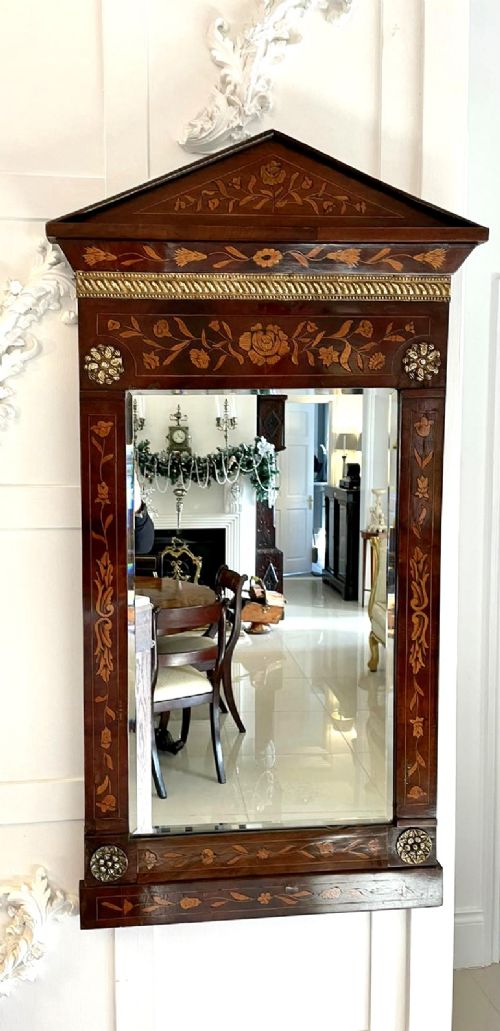
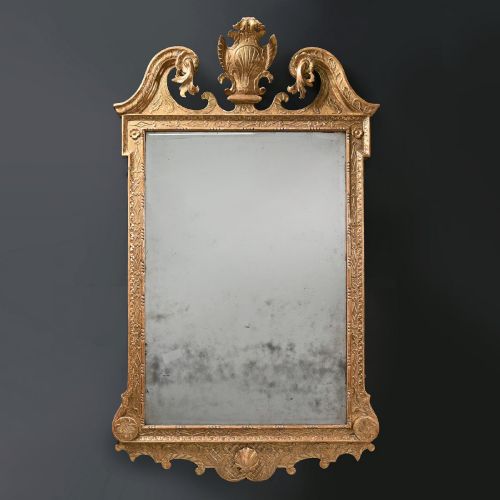
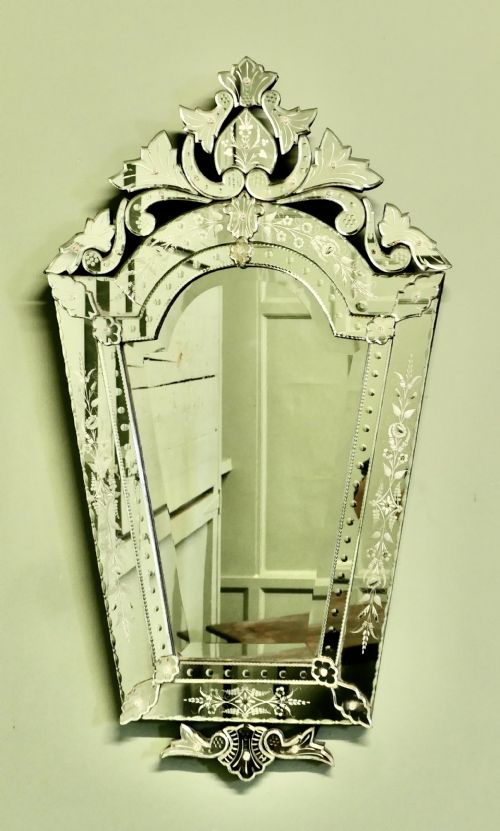
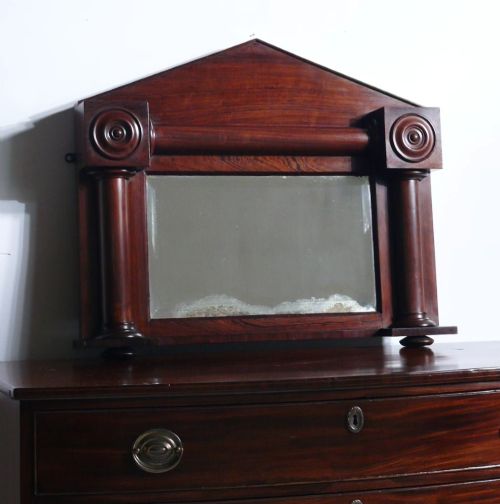
Buyers seeking an antique wall pediment most frequently encounter Victorian and Georgian mirror crests, architectural fragments, and overdoor carvings made from carved wood, gesso, and giltwood. These pieces originate from English, French, and continental workshops, reflecting periods from the 18th century through to the Edwardian era.
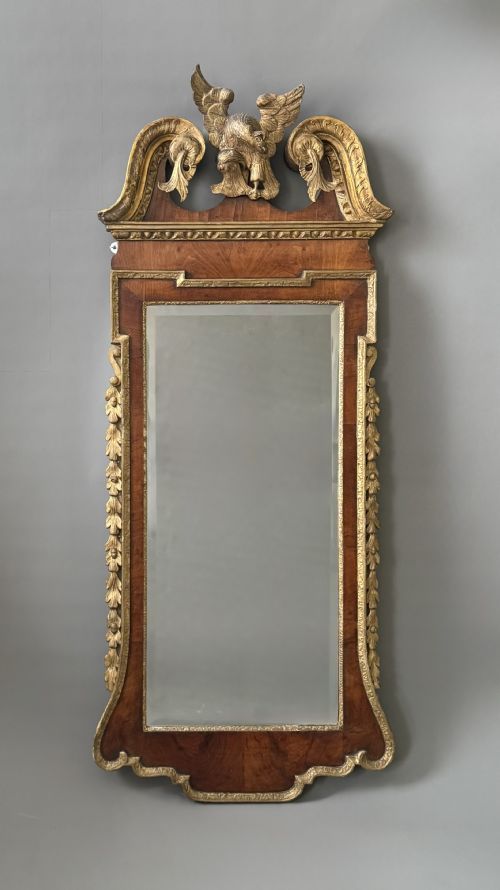
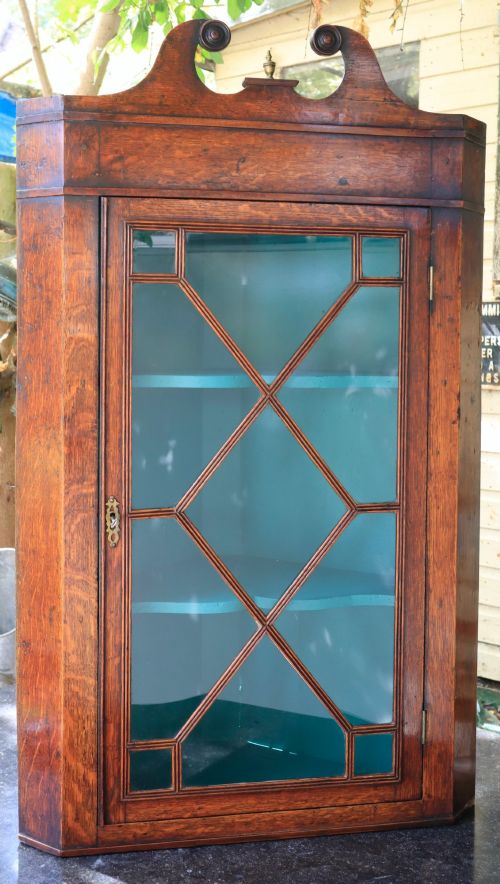
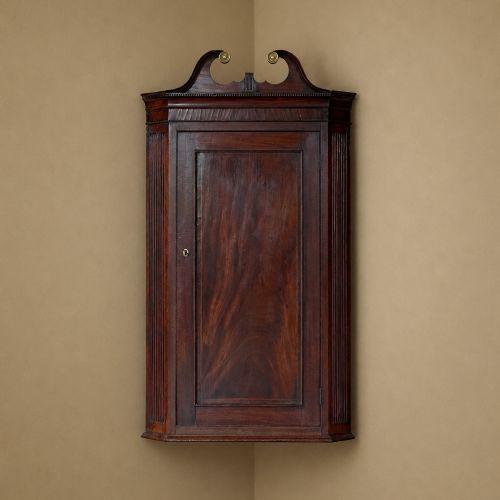
The forms range from broken arch pediments on hanging corner cupboards to large carved wooden overdoor panels and neoclassical giltwood frames. Each object served originally to crown a structural opening or frame, and now functions as a standalone decorative wall ornament.
Materials and construction methods
Makers shaped these architectural elements primarily from solid timbers including mahogany, walnut, oak, satinwood, and pine. Carvers worked directly into the grain for structural panels, or applied softer woods for detailed scrollwork and relief motifs.
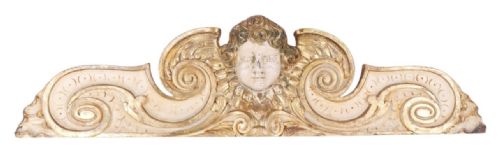
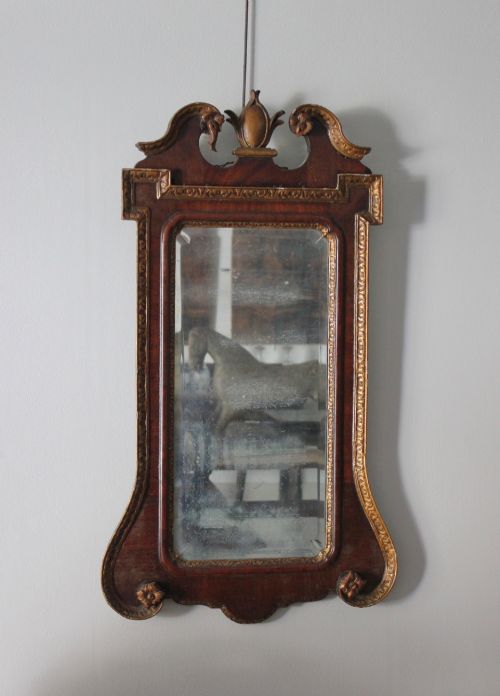
Giltwood and gesso pieces relied on layers of plaster applied over a wooden base, smoothed and carved before the application of gold leaf. Parcel-gilt mirrors combine exposed polished walnut or mahogany with gilded highlights on the carved crests and mouldings.
Joinery techniques matched the period, using pegged mortise and tenon joints for heavy oak overdoor panels and corner cupboards. Carved cherubs, scrolls, and urn pediments were often fashioned separately and pinned or glued to the top of mirror frames and cupboard cornices.
Antique Wall Pediment Retail Price Guide 2026
Typical asking prices for wall pediment among the pieces listed under this phrase on Sellingantiques today, from the lower quarter to the upper quarter. They describe what is for sale here now, not the wider market.
Materials in these listings range from glass, mahogany, and brass to giltwood, gesso, walnut, and carved wood.
Distinctions in quality and execution
Depth and sharpness of the hand-carving separate standard joinery from superior work. Crisp undercut foliage, expressive cherub faces, and well-defined classical moulding indicate a skilled carver rather than a routine production piece.
The integrity of the original surface finish dictates the standing of a piece. Original parcel gilding, undisturbed gesso layers, and aged patina on walnut and mahogany hold greater aesthetic weight than heavy modern overpainting or stripped timber.
Proportion and scale govern the visual success of the pediment. Pieces retaining their original architectural balance, whether a grand overdoor panel or a delicate Georgian broken arch, command attention through harmonious design rather than sheer size.
George Adams London·Master Carver Edward Pearce·William Kent
The Antique Wall Pediment Glossary
- Pediment
- A triangular or decorative architectural crowning element placed above a door, window, mirror, or piece of furniture. It forms the uppermost visual focus of the structure.
- Giltwood
- Timber coated with gold leaf or gold paint over a prepared gesso ground. It reflects light and adds a formal, decorative sheen to mirrors and architectural woodwork.
- Gesso
- A plaster mixture applied to wood surfaces as a smooth base for gilding or painting. It allows intricate relief ornamentation to be moulded and carved.
- Parcel-gilt
- A finish where only specific carved details or mouldings are highlighted in gold leaf while the underlying wood grain remains visible. This technique creates contrast between the warm timber and the gilded highlights.
- Overmantel
- A large mirror or decorative panel designed to hang specifically above a fireplace mantelpiece. They often feature elaborate carved crests and pediments.
Antique Wall Pediment: Frequently Asked Questions
How do I hang a heavy wooden pediment safely?
Heavy architectural fragments and solid timber overdoor panels require secure fixing directly into wall studs or masonry using appropriate steel brackets screwed into the timber frame behind. Distributing the weight evenly prevents stress on the decorative carvings.
Lighter giltwood mirror pediments can often be hung using standard mirror plates, but larger overmantel pieces demand heavy-duty fixings to support the combined weight of the wood, glass, and plaster composition.
What rooms suit an antique overdoor pediment?
An overdoor pediment fits naturally above internal doorways, cased openings, or high ceilings where architectural detail is lacking. Placing one above a bedroom or hallway door draws the eye upward and adds period character.
These pieces also mount successfully directly onto plain walls as standalone artworks above sideboards or low furniture, echoing the presence of a traditional overmantel mirror.
How can I tell an 18th-century pediment from a Victorian revival piece?
Eighteenth-century woodwork typically exhibits hand-cut joinery, older tool marks on the reverse, and timbers such as dense, dark mahogany or walnut with a deep, undisturbed wax patina. The carving tends to show crisp, confident depth without mechanical uniformity.
Victorian revival pieces built in the manner of earlier makers often feature softer pine carcases, machine-sawn timber elements on the unseen backs, or gesso compositions that differ in flexibility and ageing from true Georgian work.
How should I clean and maintain carved giltwood?
Giltwood requires gentle maintenance using a dry, very soft artist brush or a feather duster to remove surface dust from the intricate recesses of the carved pediment. Moisture and modern chemical cleaners will damage fragile gold leaf and underlying gesso.
Avoid placing gilded pieces in direct sunlight or areas of high humidity, as fluctuations in temperature cause the gesso to crack and flake away from the wooden base.