



Antique Wall Mounting
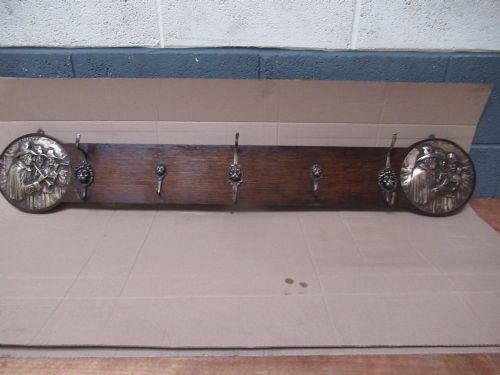
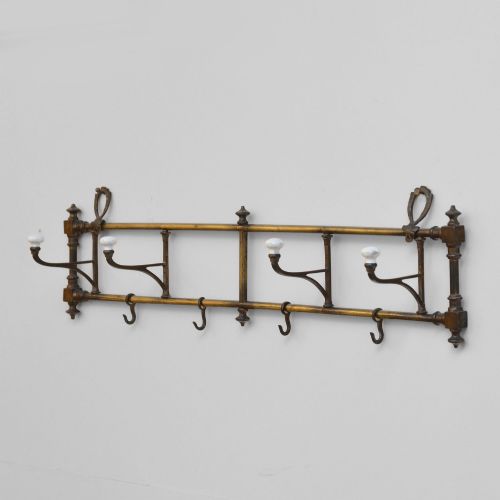
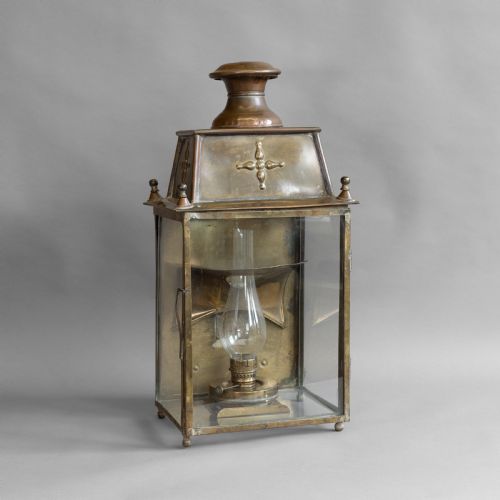
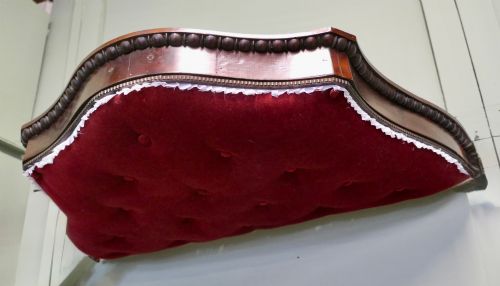
These antique wall mounting pieces range from brass coat hooks to mahogany cabinets, fixed firmly to display objects off the floor.
Antique Wall Mounting
When searching for antique wall mounting, collectors encounter practical storage and display items intended to free up floor space in domestic rooms. The selection includes utilitarian coat racks, enclosed wall cabinets, open hanging shelves, and decorative brackets spanning several centuries of craftsmanship.
Victorian and Edwardian iterations dominate the selection, frequently utilising dense hardwoods like mahogany and oak fitted with brass hardware. Practical domestic items such as hat racks, mirrors, and corner cupboards represent the everyday forms most commonly met on this page.
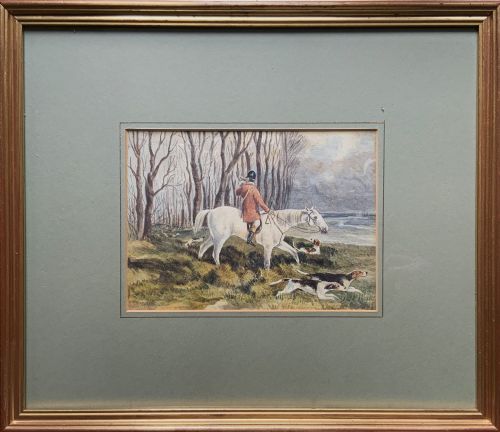
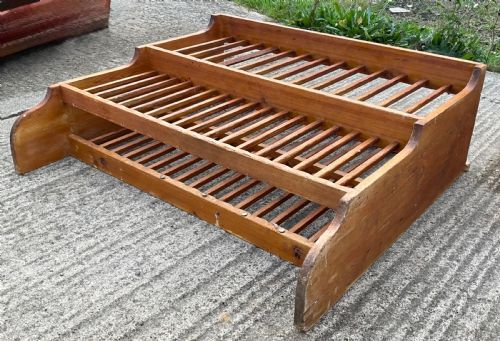
Period pieces range from Georgian walnut bookcases to Arts and Crafts golden oak clocks and early twentieth-century opticians cabinets. Each form reveals the specific interior requirements of its era, from modest hallway storage to elaborate overmantle mirrors.
Materials and construction methods
Cabinetmakers constructed these hanging pieces using traditional timber framing techniques, relying on solid mahogany, walnut, oak, and satinwood for structural integrity. Joinery often incorporated dovetail joints on drawers and mortise and tenon connections for shelves and cabinets.
Metalwork played a structural and decorative role, featuring cast brass hooks, gilt bronze appliques, and wrought iron frameworks secured to wooden backplates. Surface finishes varied from polished wood oils and French polish to painted lacquer and gilt gesso.
Antique Wall Mounting Retail Price Guide 2026
Typical asking prices for wall mounting among the pieces listed under this phrase on Sellingantiques today, from the lower quarter to the upper quarter. They describe what is for sale here now, not the wider market.
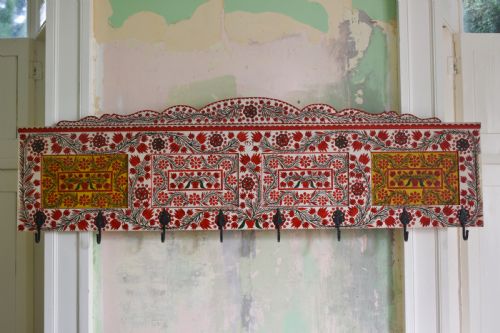
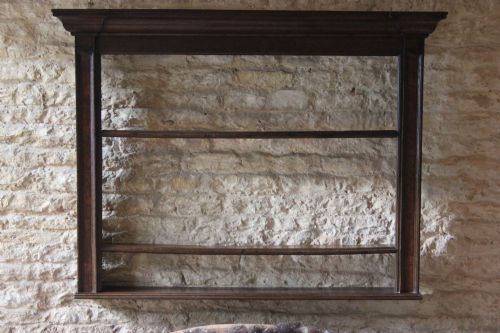
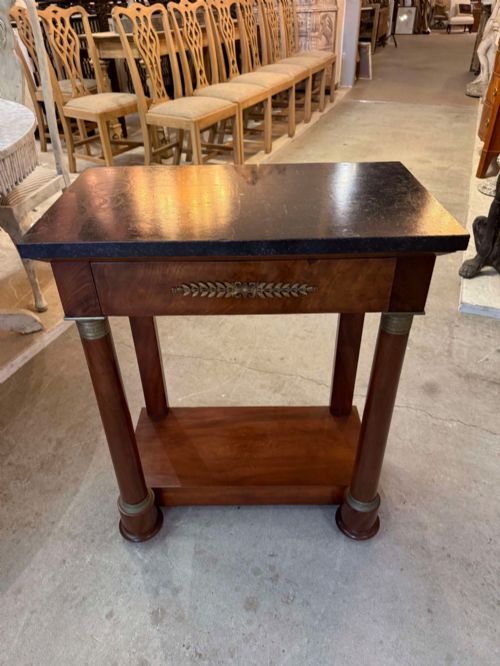
Wall mounting forms on this page include coat racks, cabinets, shelves, barometers, mirrors, and console tables.
Judging quality and execution
The distinction between ordinary utility items and finer examples lies in the crispness of the carving, the selection of figured wood veneers, and the integrity of the original brass mounts. Superior pieces display thoughtful proportions and hand-finished details rather than mass-produced uniformity.
Originality of surface and hardware determines the desirability of wall-mounted furniture, with untouched patination and matching period fixings commanding greater appreciation. Altered backplates, replaced hooks, or stripped timber surfaces diminish the historical character of the piece.
Heals·Poix Blin·Ulugary And Sons
The Antique Wall Mounting Glossary
- Overmantle mirror
- A large looking glass designed specifically to hang on the wall directly above a fireplace mantelpiece. These often feature elaborate giltwood or gesso frames.
- Gesso
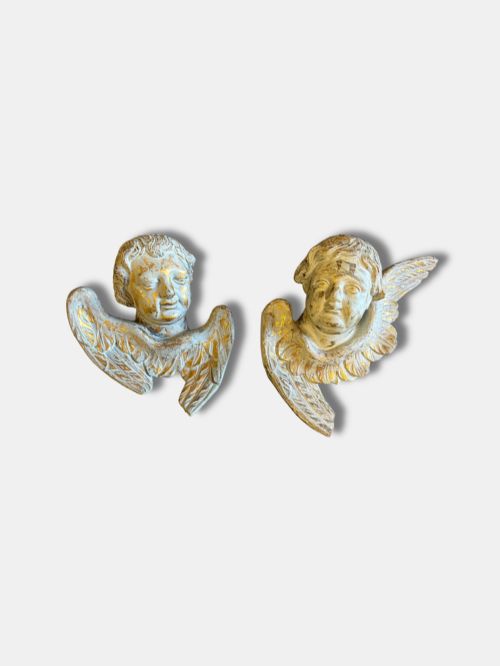
- A plaster-based material applied to wood frames before gilding or painting, allowing artisans to carve intricate relief ornamentation. It provides a smooth base for gold leaf application.
- Faux bamboo
- A decorative technique where solid wood, frequently mahogany or beech, is carved and painted to imitate natural bamboo stems. This style gained popularity during the nineteenth century.
- Applique
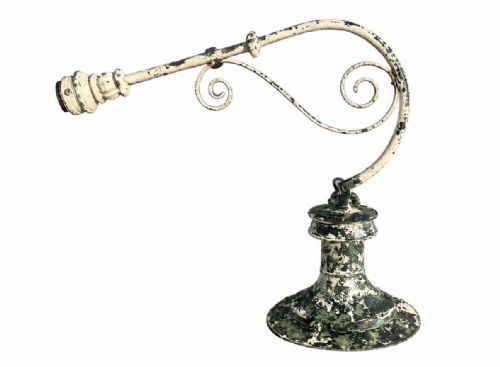
- An ornamental bracket or fitting attached to a wall surface to support lighting, mirrors, or decorative objects. These are commonly cast in bronze or brass.
- Patina
- The surface sheen and colour developed by timber, metal, and leather through decades of handling, exposure to light, and natural ageing.
Antique Wall Mounting: Frequently Asked Questions
How do I hang a heavy antique wall cabinet safely?
Heavy wall cabinets require secure fixing into wall studs or solid masonry using appropriate brackets rather than relying on old screw holes. Professional installation ensures the weight distributes evenly without straining historical joints.
Inspect the internal backboards and hanging fixings of the cabinet first to confirm the original structure can support the load safely.
Were these coat racks meant for hallways?
Most coat racks and hat shelves were designed for entrance halls, boot rooms, or bedroom corridors to manage outdoor garments efficiently. Their compact depths kept walkways clear.
Makers often incorporated mirrored panels or umbrella stands into the broader hall furniture designs of the Victorian and Edwardian periods.
How do I clean antique brass hooks without damage?
Clean brass hooks gently with a soft cloth to remove surface dust, avoiding harsh chemical dips that strip away the aged patination. Preserving the dark tones maintains the authentic character of the metal.
If polishing is necessary, use a mild, non-abrasive metal cleaner applied sparingly around the surrounding wood to prevent staining the timber.
Can I date a wall shelf by its timber?
Timber choice provides a strong indication of period, with heavy oak and walnut common in earlier centuries and lighter satinwood or mahogany prevailing later. Grain patterns and board widths also reveal whether the wood was hand-sawn or machine-cut.
Combine wood analysis with construction methods, such as screw types and joint styles, to determine the likely decade of manufacture.