


Antique Wall Fixtures
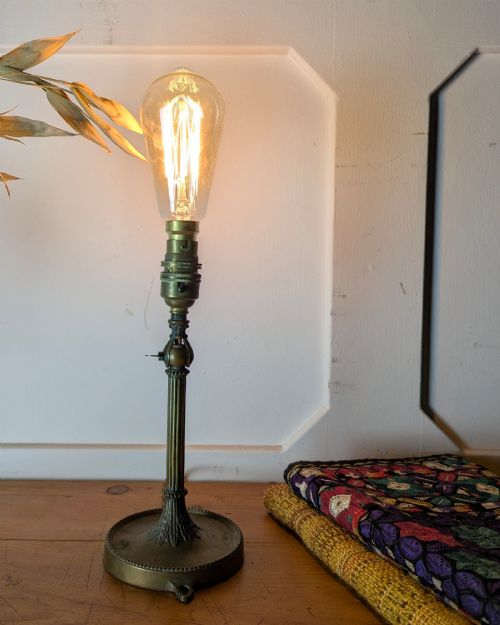
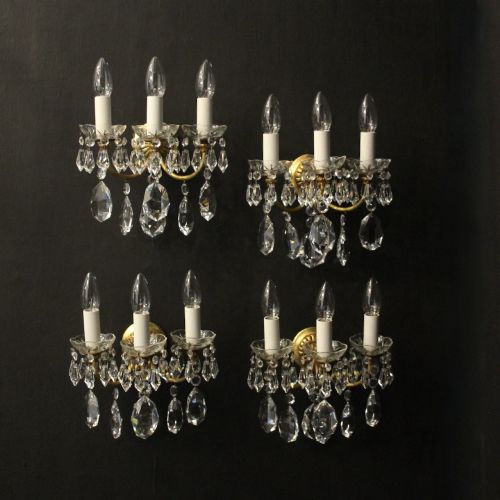
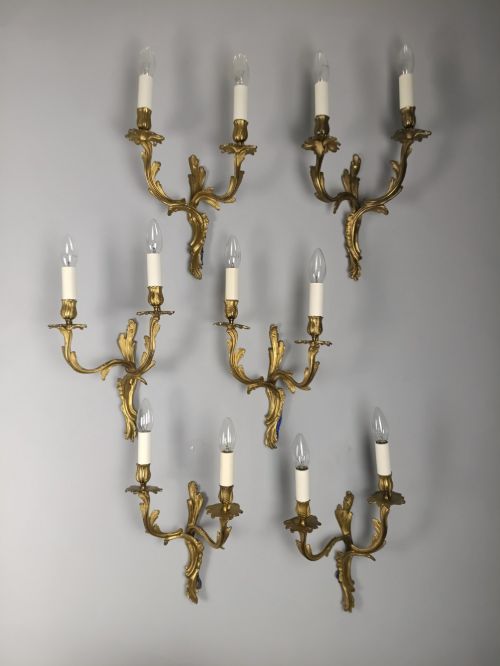
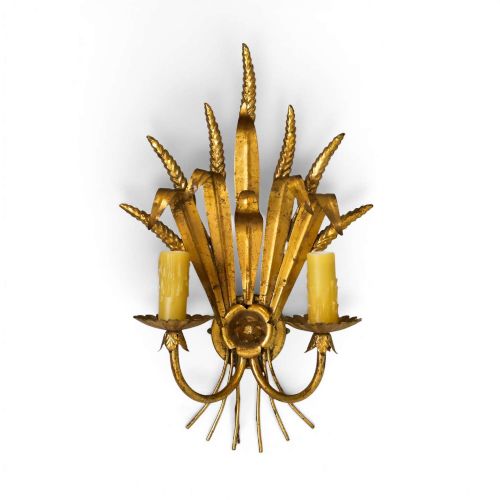
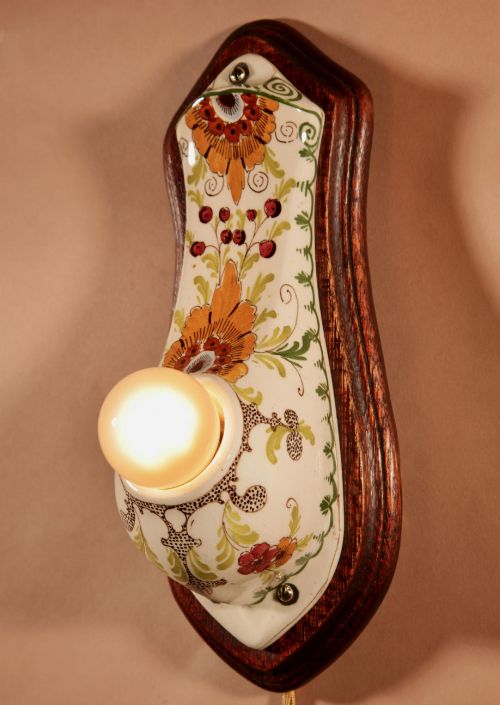
These antique wall fixtures range from French gilt bronze sconces to Art Deco chrome designs, offering period illumination and hardware.
Antique Wall Fixtures
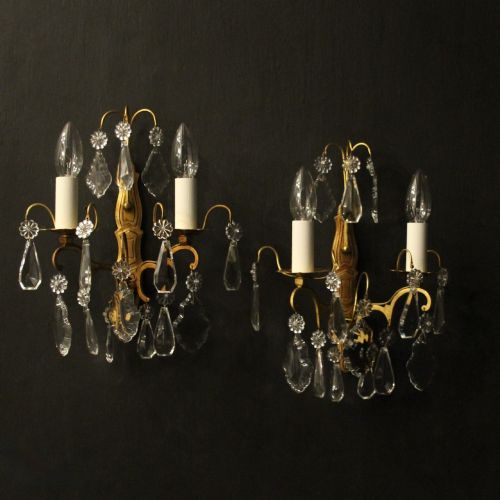
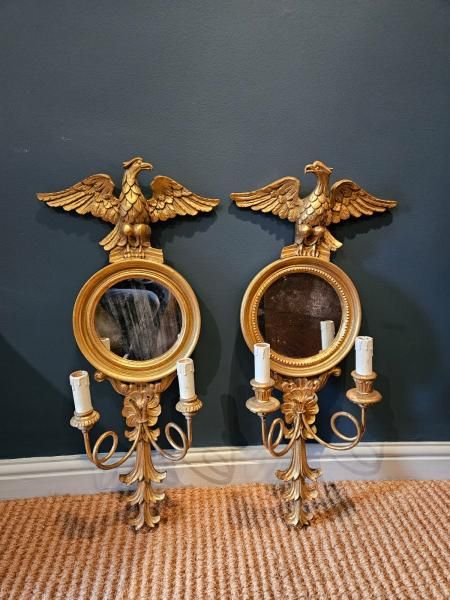
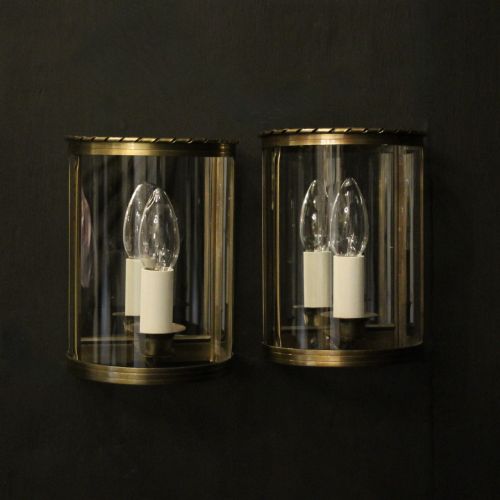
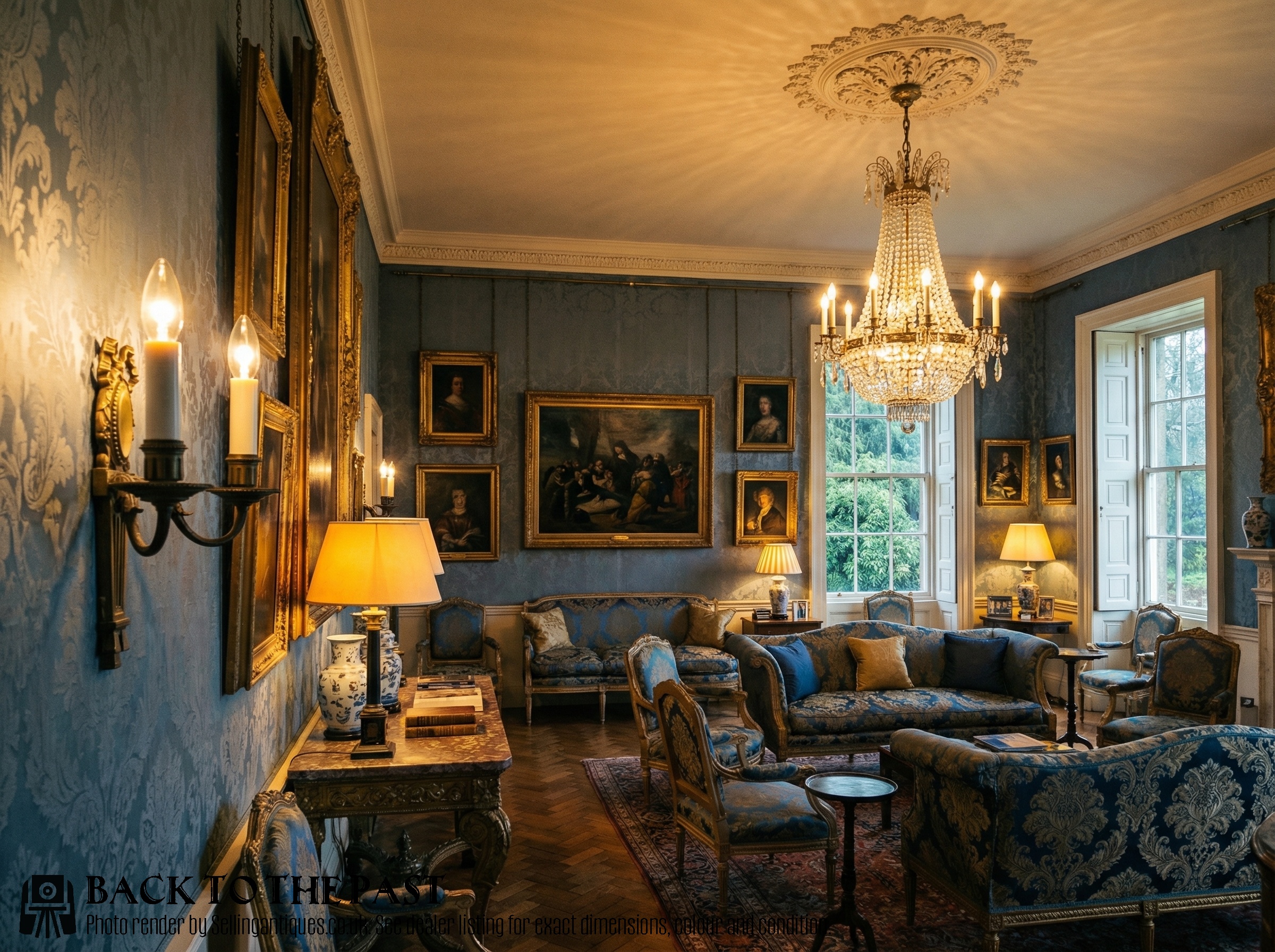
These antique wall fixtures encompass a diverse selection of wall lights, sconces, girandoles, lanterns and towel rails spanning the Victorian, Edwardian and early twentieth-century periods. Buyers searching for antique wall fixtures encounter numerous French gilt brass and bronze designs alongside English brass and copper pieces.
The assortment includes pairs and sets featuring French Rococo, Louis XVI style, Art Deco and Arts and Crafts aesthetics. Practical bathroom hardware such as brass and glass towel rails also appear alongside decorative illumination.
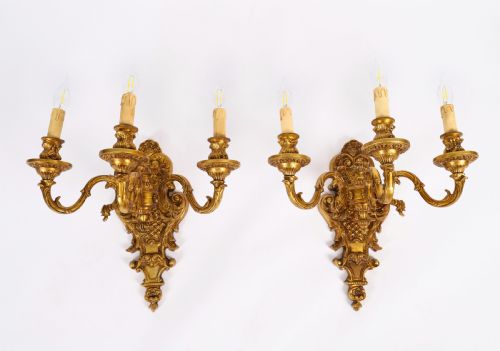
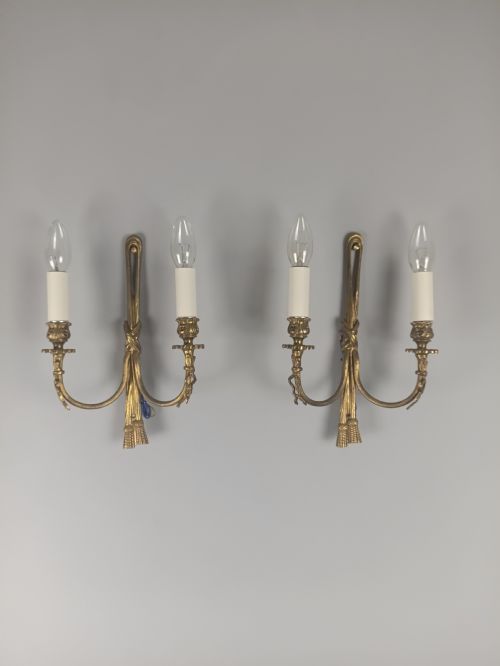
Lighting formats dominate the selection, ranging from single-arm brackets and twin-arm lights to substantial triple-arm sconces and crystal-trimmed fixtures. Originating primarily from French workshops and English makers, these pieces serve functional lighting and architectural mounting roles.
How they were made
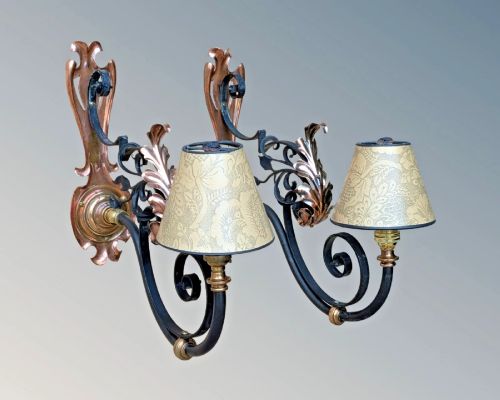
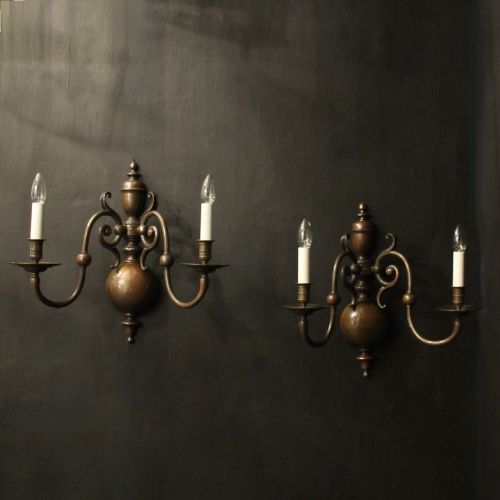
Metalworking techniques form the foundation of these pieces, utilising cast bronze, brass, copper, wrought iron and chrome. Gilded finishes, ormolu casting and hand-chased surface details define the ornamental metal elements found across French and English examples.
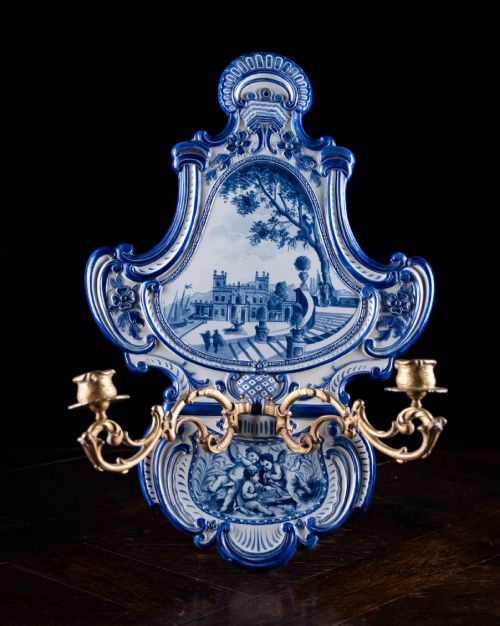
Complementary materials include mould-blown and cut glass, crystal drops, ceramic inserts like Delft and Gouda pottery, and carved giltwood frames. Wrought iron and patinated brass construction provide structural integrity for carriage styles and heavy castle lanterns.
Object forms include wall sconces, girandoles, lanterns, and maritime towel rails.
What varies in quality
Quality rests in the crispness of the casting and the depth of the chasing, particularly on gilt bronze and ormolu mounts where finer detail separates superior work from standard production. Hand-carved giltwood frames and specialised glass components like Lalique shades or heavy crystal drops indicate elevated craftsmanship.
Material consistency and structural heft distinguish the items, as seen in substantial solid bronze frames versus lighter plated alternatives. The integrity of original gilding and the precision of mechanical joints in adjustable or multi-arm arrangements further define the tier of the piece.
Villeroy and Boch·Liberty·Lalique
The Antique Wall Fixtures Glossary
- Girandole
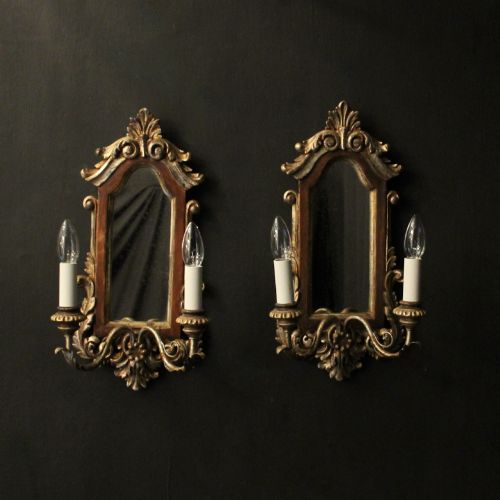
- A decorative wall bracket holding candles or electric lamps, often incorporating a mirror to reflect the light.
- Ormolu
- Gilded bronze, where finely ground high-carat gold is applied to a bronze base, common in French decorative lighting.
- Toleware
- Painted or lacquered metalware, frequently utilised for decorative half-lanterns and wall vessels.
- Giltwood
- Timber, typically carved wood, coated with gold leaf or gilt composition for an ornamental metallic finish.
- Applique
- A French term for a wall sconce or wall-mounted lighting fixture attached directly to vertical surfaces.
Antique Wall Fixtures: Frequently Asked Questions
How do I wire antique wall lights?
Most vintage and antique wall lights require modern electrical rewiring to meet current safety standards and connect to domestic power supplies. Professional installation by a qualified electrician ensures secure mounting to wall junctions.
Many pieces arrive ready for installation with updated internal wiring while retaining their historic external metalwork, holders and backplates.
What is the difference between a sconce and a girandole?
A wall sconce is a general term for any light fixture fixed to a wall, designed to project illumination outward into a room. A girandole specifically incorporates a mirrored backplate to amplify and reflect the candlelight or illumination.
Both forms were utilised across drawing rooms, hallways and boudoirs during the eighteenth, nineteenth and early twentieth centuries.
How do I identify Art Deco wall fixtures?
Art Deco wall fixtures feature geometric forms, streamlined symmetry, and materials such as chrome, tubular metal, and frosted or moulded glass. These pieces typically date from the 1920s and 1930s.
They contrast sharply with the ornate curves and natural motifs of earlier Victorian Rococo or Arts and Crafts designs.
Where were wall brackets typically placed?
Wall lights and sconces were historically positioned flanking mirrors, mantelpieces, doorways, or bedheads to provide task and ambient illumination. Pairs and sets of matching fixtures created balanced lighting schemes in principal rooms.
Bathroom fixtures like brass towel rails and glass shelves were mounted near washstands in Edwardian and Victorian interiors.