

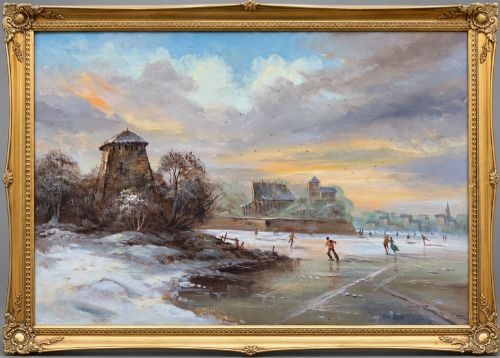
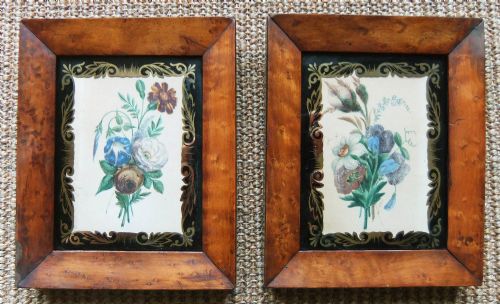
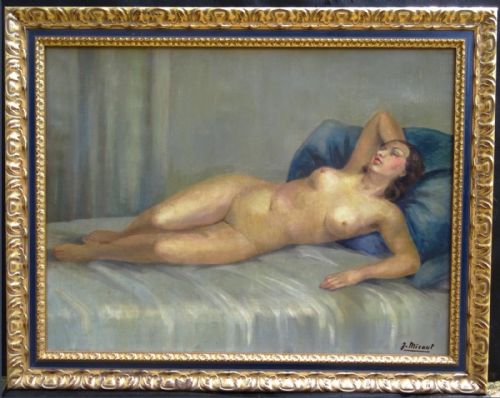
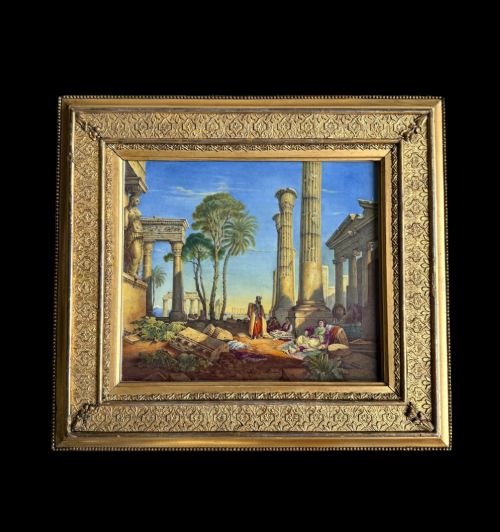
Antique Wall Art Frames
Antique wall art frames encompass centuries of craftsmanship designed to elevate paintings and prints.
Antique Wall Art Frames
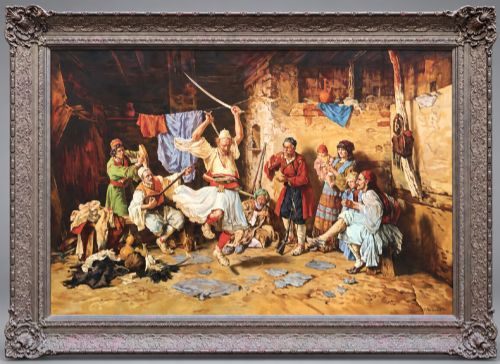
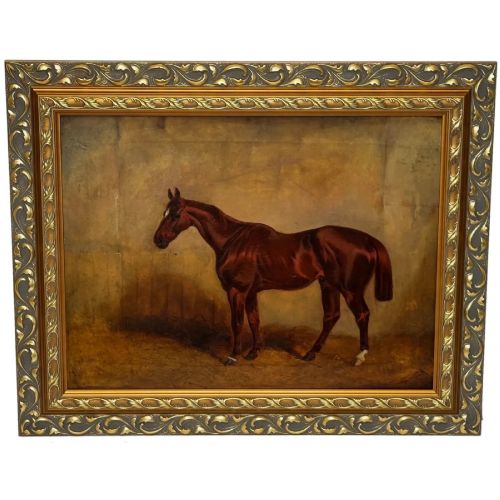
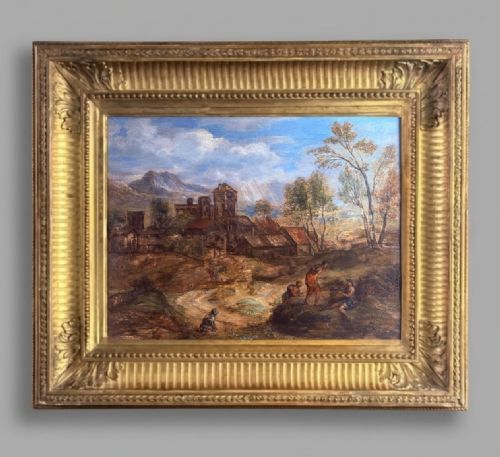
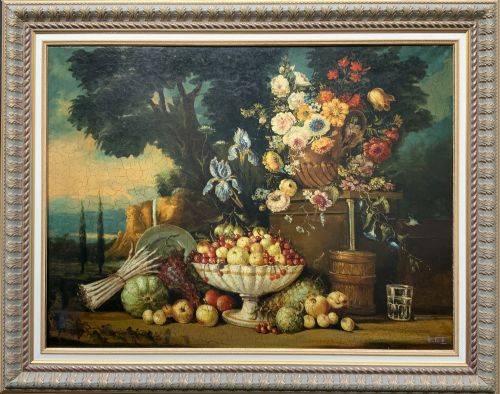
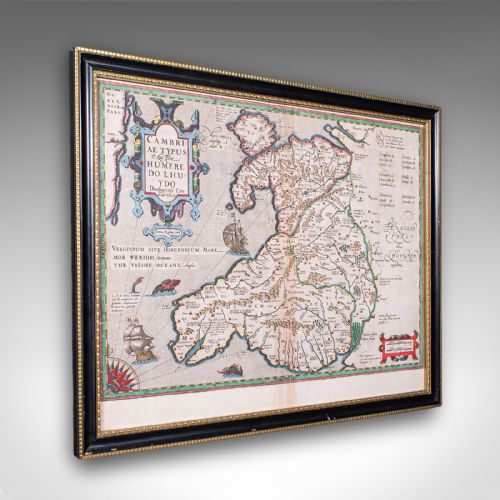
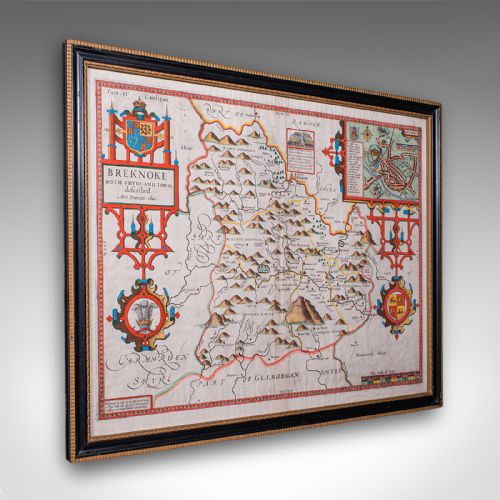
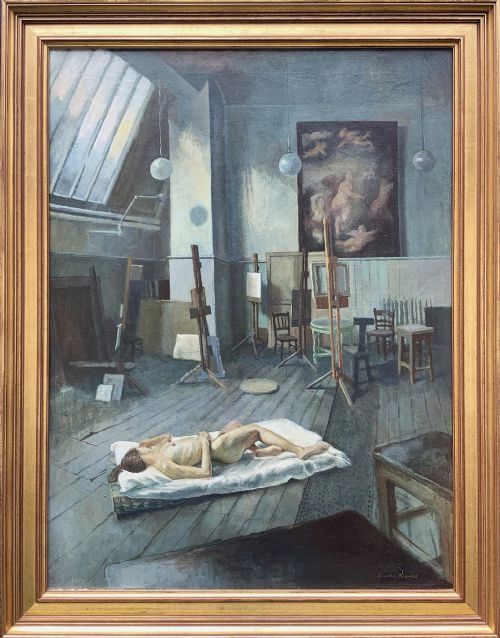
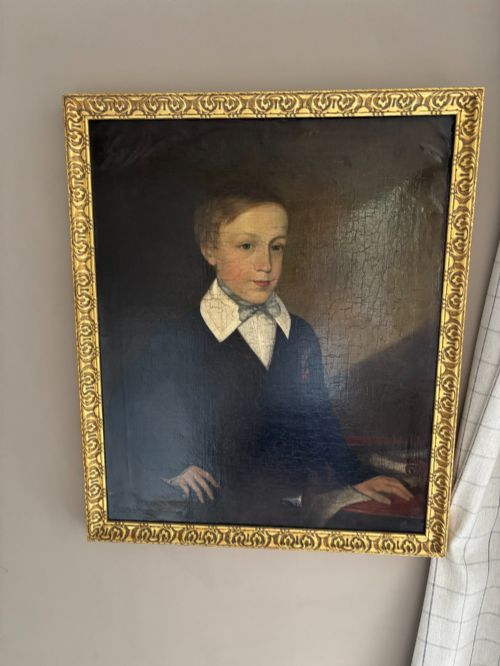
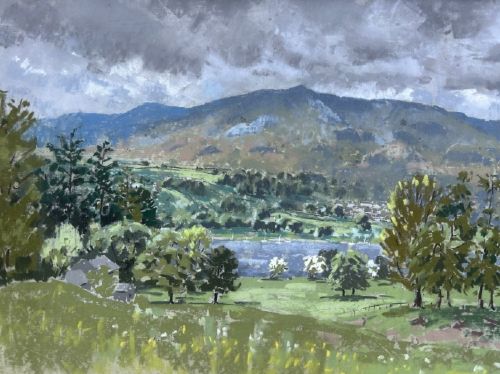
When searching for antique wall art frames, a buyer encounters housings designed to enclose paintings, watercolours, engravings, and needlework across centuries of production.
The selections span English, European, and Asian origins, with domestic and continental schools represented from the seventeenth century through the Edwardian era.
Forms vary from simple timber mouldings to ornate carved surrounds, housing everything from portraits to maritime scenes.
How they were made
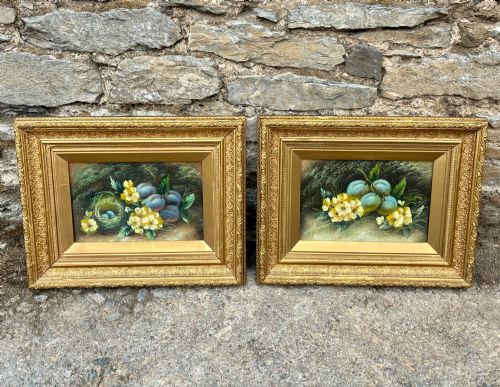
Makers utilised traditional timbers, applying layers of gesso and gold leaf to create giltwood surfaces that caught candle and daylight.
Carved ornament relied on hand tools to shape decorative motifs, while other examples employed marquetry inlay or straightforward joinery for panels and canvas supports.
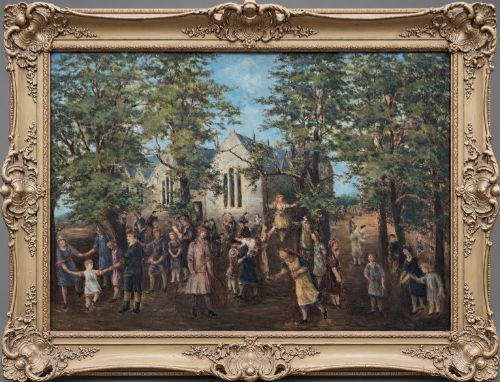
Materials recorded across the inventory encompass giltwood, glass, pith paper, and oil on canvas.
What varies in quality
The refinement of the hand-carved detail distinguishes standard production from superior examples, where depth and proportion demonstrate the carver's skill.
The integrity of the original gilding and the quality of the timber substrate determine how well a piece has survived decades of exposure.
Henry Barraud·Theude Grönland·Richard Sebastian Bond·Thomas Miles Richardson Jnr·James Orrock
The Antique Wall Art Frames Glossary
- Giltwood
- Wood coated with gold leaf over a prepared gesso ground. This finish provides a bright reflective surface common on formal European frames.
- Trumeau
- A decorative wall panel incorporating a mirror and a painted scene. These dual-purpose fixtures often occupy the space above a fireplace.
- Mezzotint
- A printmaking process where the copper plate is roughened to produce tonal gradations. This technique yields deep shadows and soft highlights in portrait prints.
- Tempera
- A permanent fast-drying painting medium consisting of coloured pigment mixed with a water-binder such as egg yolk. It produces a matte finish on panel supports.
- Needlework
- Textile art created by stitching yarn or thread onto a canvas ground. Samplers and pictorial panels demonstrate needle skill from the eighteenth century.
Antique Wall Art Frames: Frequently Asked Questions
How do I date an antique frame?
Dating relies on observing the joinery methods, the composition of the gesso undercoats, and the style of the carving profile. Assemblage techniques changed from pegged mortise and tenon joints in earlier periods to machine-cut mitres later.
Material analysis also assists, as the type of gold leaf application and secondary timbers reveal manufacturing periods corresponding to the enclosed artworks.
Can I hang oil paintings without glass?
Oil paintings on canvas or panel traditionally hang exposed to the air without glass protection. The paint surface breathes naturally, though environmental humidity requires stable indoor conditions.
Watercolours and paper works require glazing to prevent moisture damage, whereas oil mediums typically rely solely on varnish layers for preservation.
What is a trumeau mirror?
A trumeau is an architectural panel designed to fit wall spaces between windows or above mantelpieces. It combines a looking glass below with an oil painting or carving above.
Originating in French interiors, these pieces unified wall decoration by pairing reflective glass with integrated fine art within a single frame.
How should I clean giltwood frames?
Dust removal requires a very soft, dry artist's brush to lift particulate matter from crevices without disturbing fragile gold leaf. Moisture and chemical solvents must be avoided entirely.
Professional conservators handle structural repairs and deep cleaning, as historical gilding degrades rapidly under improper domestic cleaning agents.