

Antique Wainscot Panel
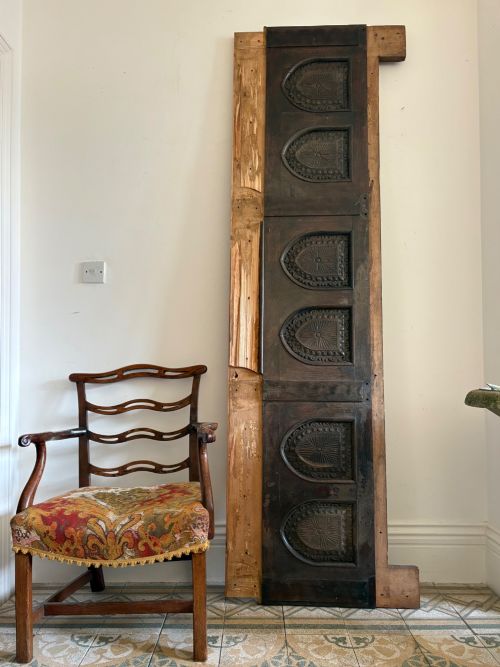
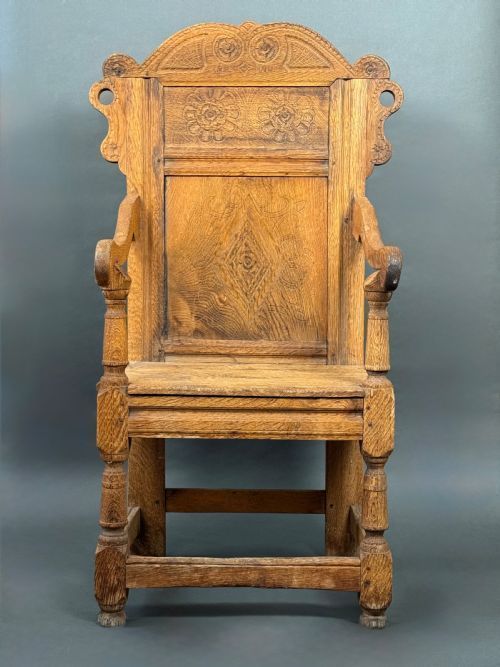
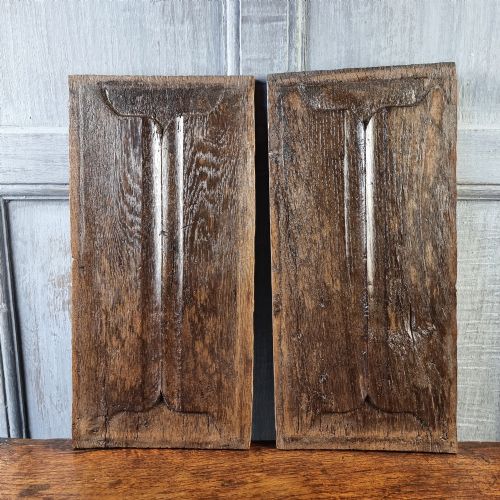
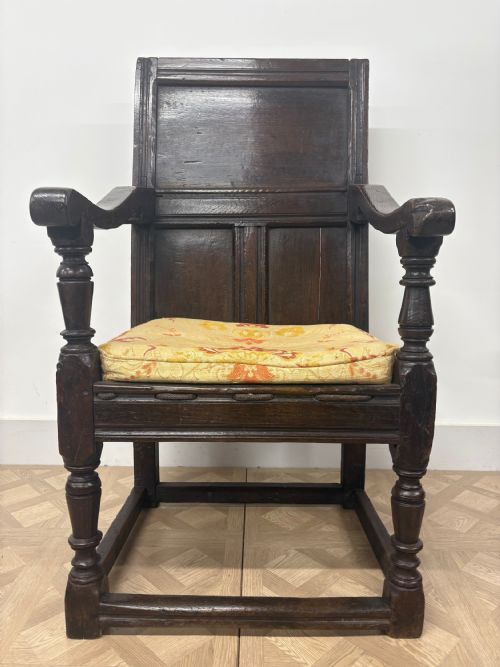
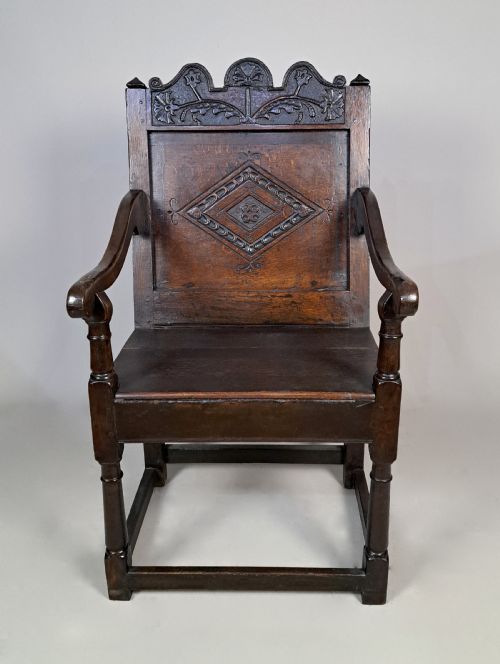
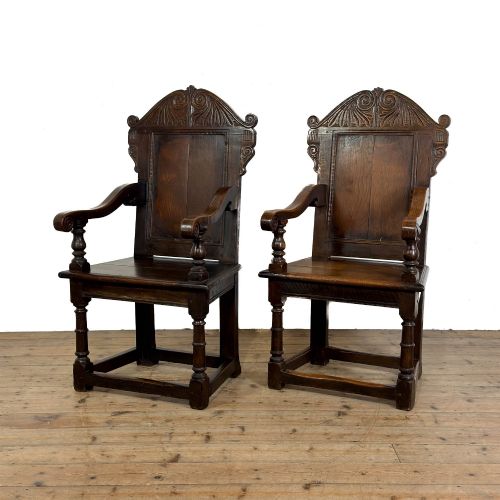
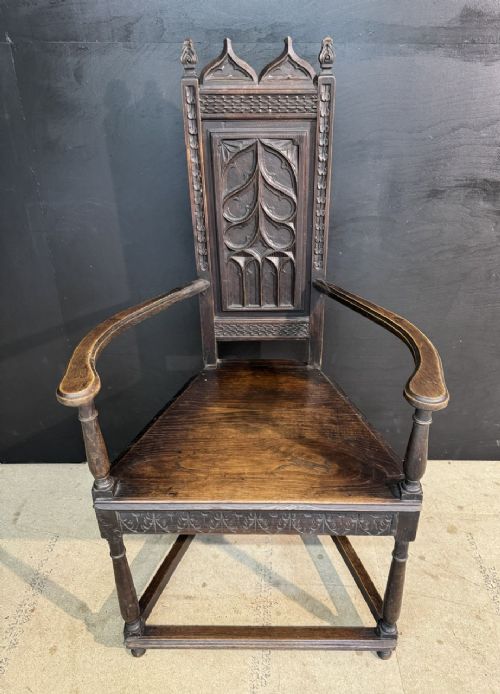
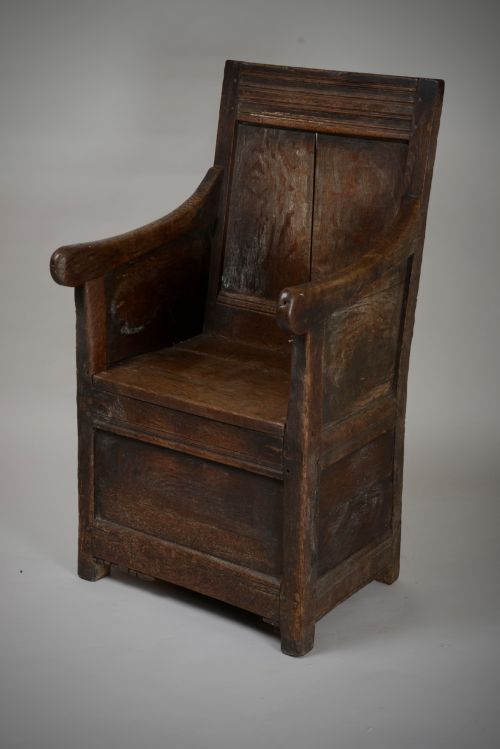
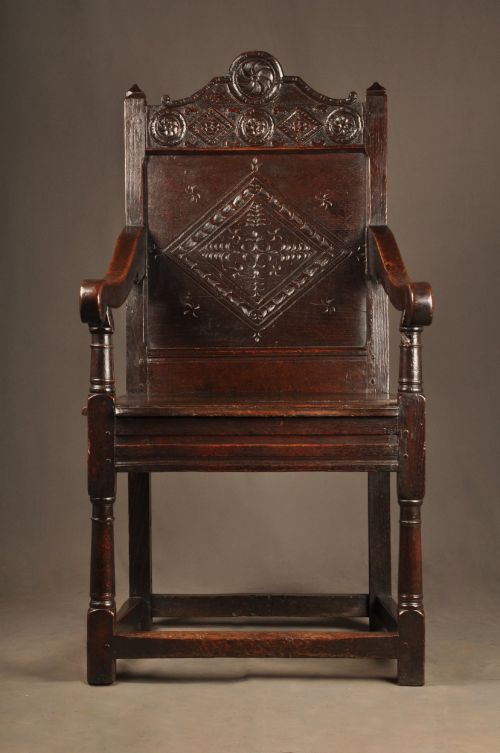
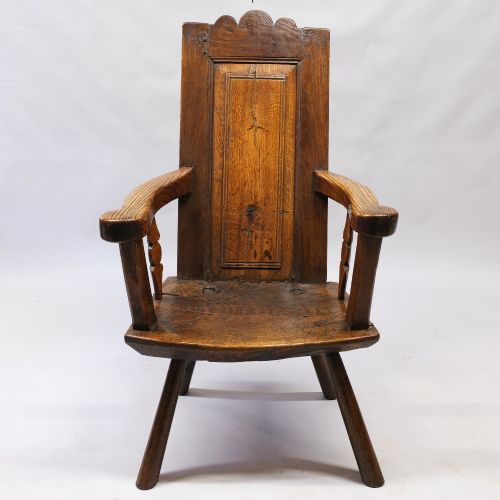
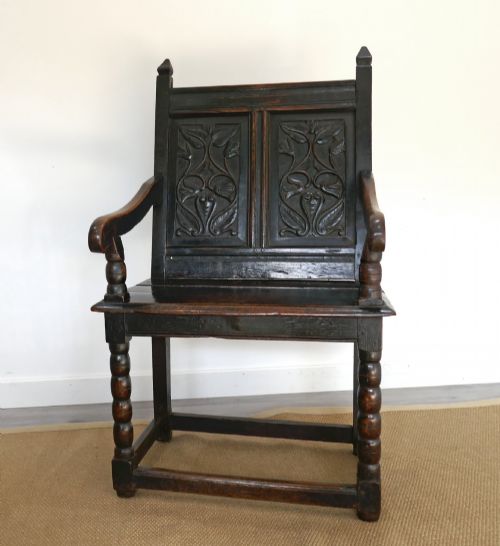
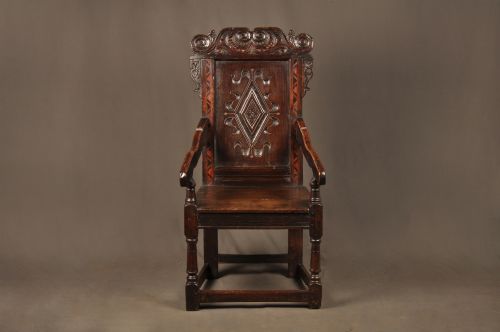
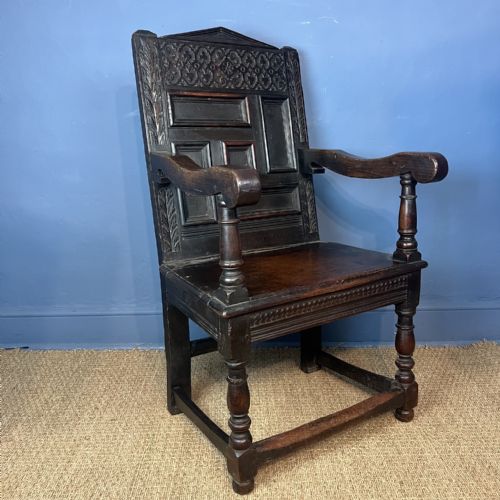
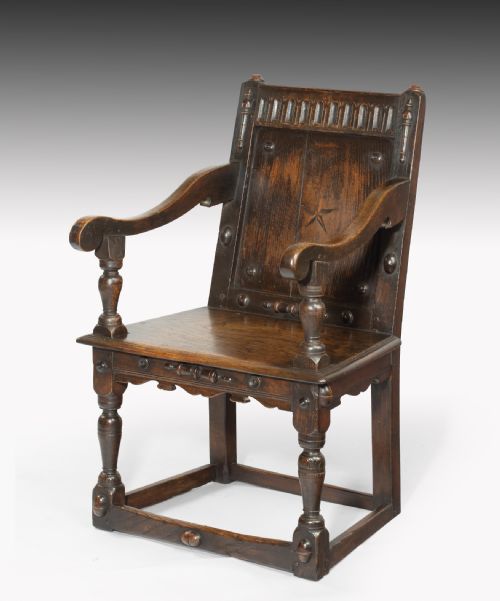
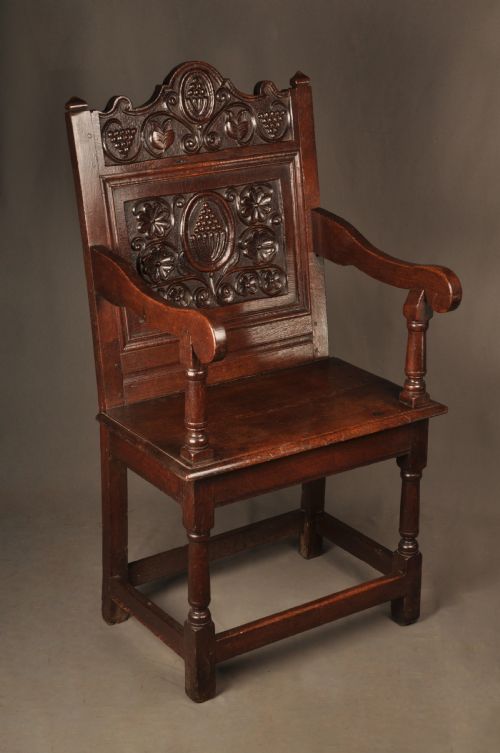
These heavy wooden seats and architectural sections show the deep carving and rigid joinery typical of an antique wainscot panel.
Antique Wainscot Panel
An antique wainscot panel brings together solid timber construction and rigid box seating, most commonly seen in the sturdy armchairs and architectural fragments listed here. Buyers searching this phrase meet substantial items framed in heavy wood, often displaying flat panel backs and solid armrests designed for high-status interiors.
The pieces span several centuries, with seventeenth-century examples sitting alongside nineteenth-century revivals and architectural salvage. Regional English, Welsh and Scottish workshops dominate the selection, producing sturdy armchairs, settles and individual panels intended to line walls or furnish principal rooms.
Assessing the standard
Quality rests upon the crispness of the hand carving and the proportion of original timber retained within the frame. Pieces that keep their early surface texture and unmodified joints stand apart from heavily restored or later revival items.
The depth of regional character also distinguishes the work, with regional traits from Yorkshire, Lancashire or Wales showing distinct stylistic confidence. Greater ambition in the architectural mouldings and panel depth separates standard utility items from masterwork seating.
Listings span from the sixteenth century through to nineteenth-century Gothic revivals, constructed predominantly in solid oak with occasional elm and pine.
The Antique Wainscot Panel Glossary
- Wainscot panel
- A wooden board, often decorated with carved relief, originally used for wall lining or integrated into the backrests of early chairs.
- Mortise and tenon
- A traditional joint where a protruding tongue fits tightly into a matching cavity, secured with wooden pegs.
- Linenfold
- A style of carved wooden panelling that resembles folded fabric, popular during the Tudor and Elizabethan periods.
- Box settle
- An enclosed wooden bench featuring a high panelled back and a seat that lifts to reveal storage space underneath.
- Tracery
- Openwork ornamentation in stone or wood, characterised by interlacing ribs found in Gothic architecture and decorative panels.
Antique Wainscot Panel: Frequently Asked Questions
What is an antique wainscot panel?
A flat wooden board, frequently carved with geometric or floral patterns, designed for interior walls or incorporated into chair backs.
These panels form the structural core of many early seventeenth-century chairs and architectural timber elements.
How do I date a wainscot chair?
Dating relies on examining the joinery methods, tool marks, timber shrinkage and regional carving styles characteristic of specific centuries.
Earlier pieces show hand-riven oak boards and pegged joints, whereas later nineteenth-century revivals display more uniform machine sawing.
Where were these chairs used?
These sturdy seats originated in principal rooms of substantial houses, inns and civic halls where heavy furniture denoted status.
Their solid wooden construction protected occupants from draughts common in early domestic interiors.
How do I care for antique oak furniture?
Maintain stable indoor humidity levels and apply traditional beeswax sparingly to nourish the dry timber surface.
Avoid placing these heavy wooden pieces near direct heat sources or in strong sunlight.