

Antique Virgin Mary
An antique virgin mary spans devotional sculptures, oil paintings and gold pendants created to honour a central figure of faith.
Antique Virgin Mary
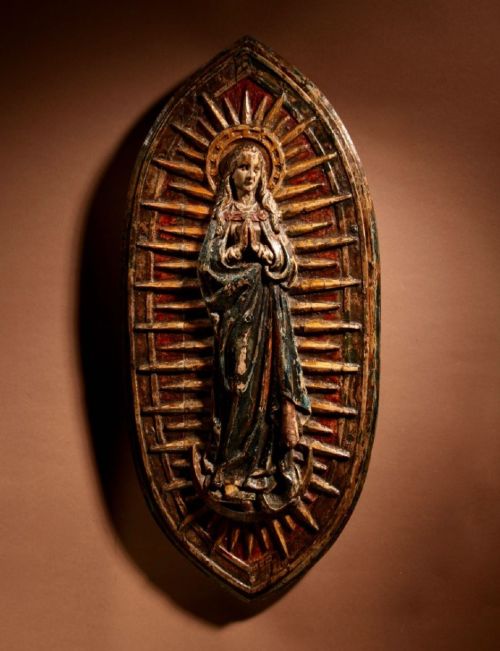
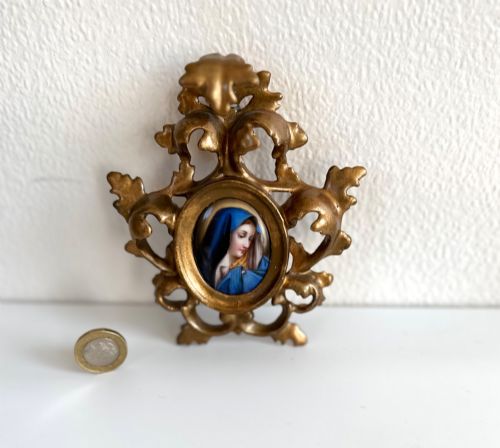
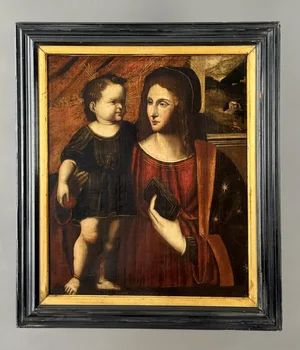
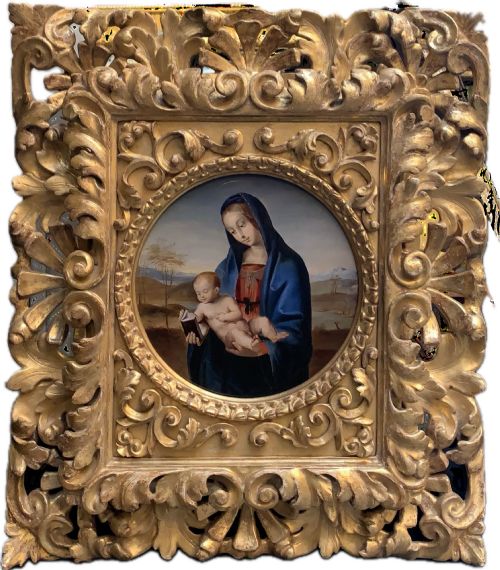
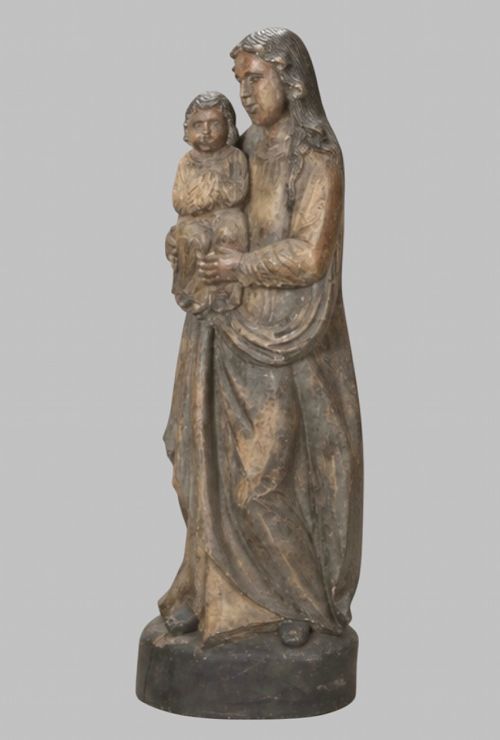
An antique virgin mary search encompasses a diverse range of items from delicate eighteenth-century reverse glass mezzotints to seventeenth-century oil paintings and robust sixteenth-century carved wood sculptures. Collectors encounter small devotional figures alongside large church statues and wearable nineteenth-century gold pendants.
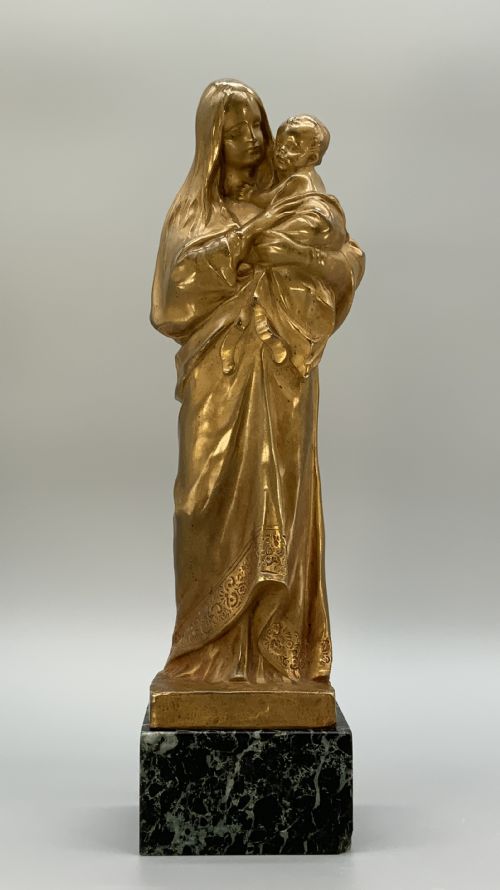
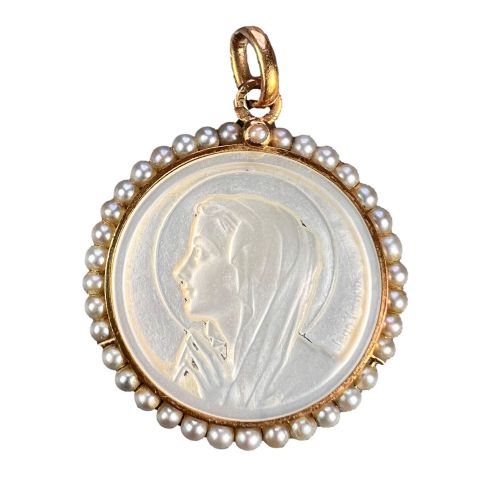
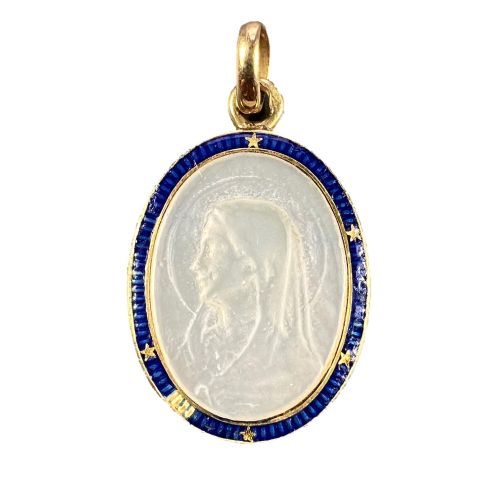
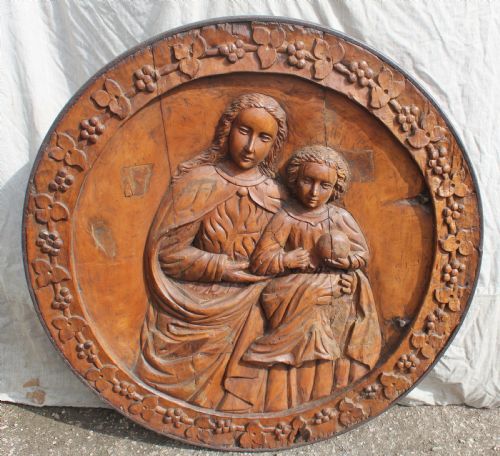
The most frequent items on this page are French religious medals fashioned from yellow or rose gold, often detailed with enamel and pearls. Alongside these small personal items, larger painted canvases and carved wooden panels representing the Madonna and Child appear regularly.
Materials and construction
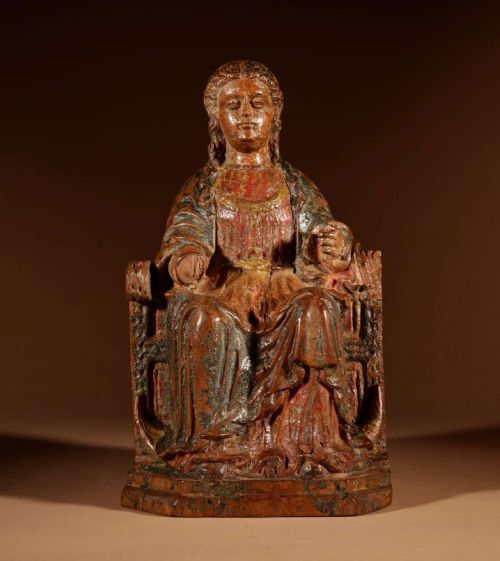
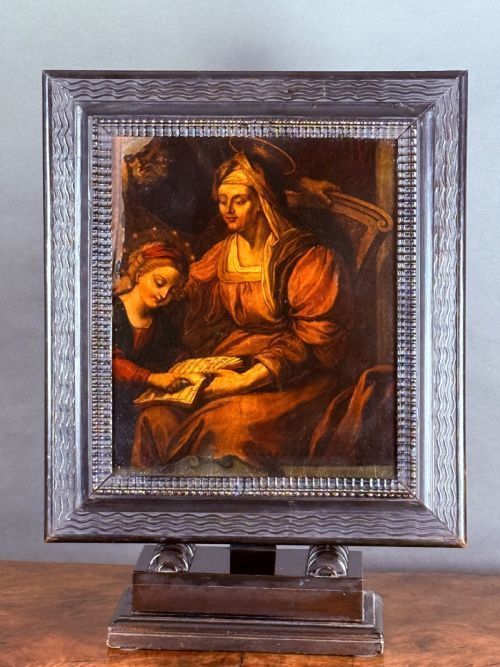
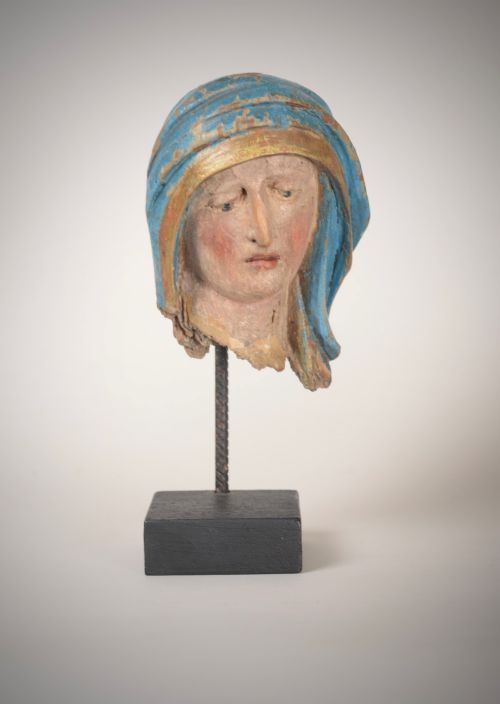
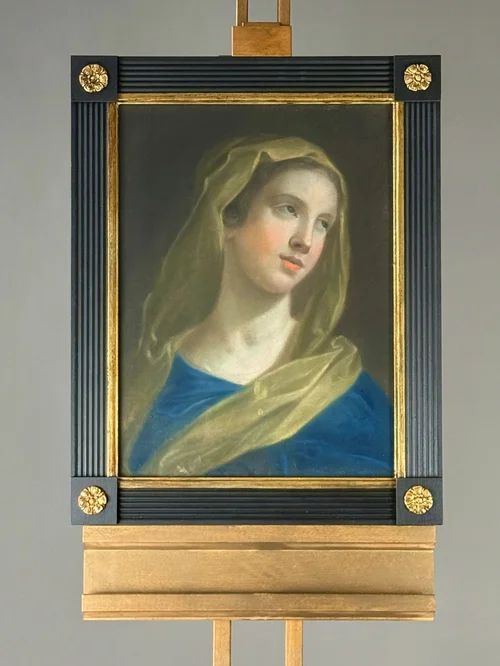
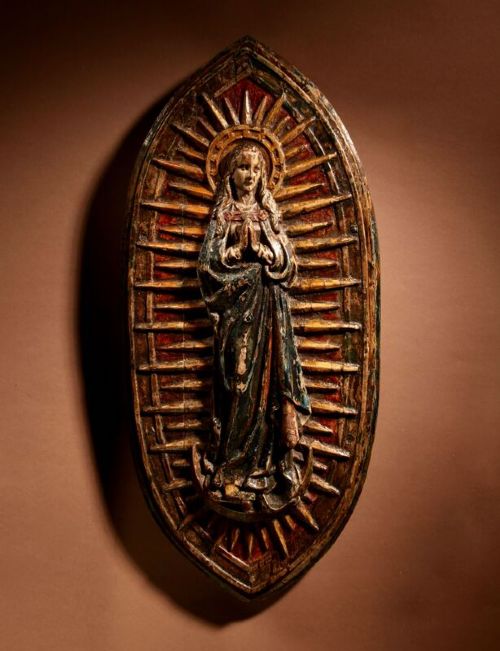
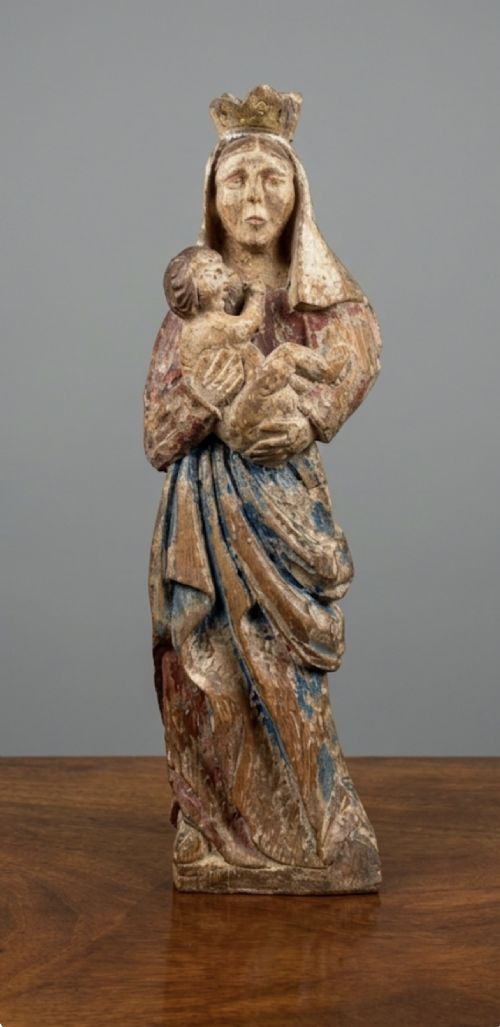
Sculptural pieces are primarily shaped from oak and walnut, frequently finished with polychrome paint or gold leaf to highlight drapery and form. Painters utilised oil on canvas or pastel, occasionally employing reverse glass techniques for devotional scenes.
Jewellery and medals rely on eighteen-carat gold, incorporating mother of pearl and translucent plique-a-jour enamel. These wearable pieces demonstrate fine metal engraving and delicate framing techniques characteristic of French workshops.
Several depictions feature the Virgin standing gracefully upon the half moon accompanied by a snake.
Assessing craftsmanship
In painted works and enamel medals, quality depends on the finesse of the brushwork and the preservation of the original surface pigments. Pieces retaining their early gilding and uncompromised enamel show superior survival through the centuries.
Hans Müller·Costantino Frixione·Emile Monier·Emile Dropsy·Benedetto Luti
The Antique Virgin Mary Glossary
- Polychrome
- Painted in several colours, typically applied to wood or stone sculptures to render lifelike details on robes and skin. This surface treatment was common in medieval and Renaissance religious art.
- Plique-a-jour
- An enamelling technique where translucent enamel is fired in open metal cells without a backing, allowing light to shine through the coloured glass. It appears frequently in fine French pendants.
- Mezzotint
- A printmaking process of the intaglio family where a copper plate is roughened to achieve rich tonal gradations. Early examples offer subtle monochrome shading in devotional imagery.
- Madonna and Child
- A traditional artistic representation of Mary holding the infant Jesus. This composition is central to Christian art across painting and sculpture from the medieval period onward.
Antique Virgin Mary: Frequently Asked Questions
How do I date an antique medal?
Dating relies on hallmark stamps, the style of the metalwork, and the specific enamelling techniques used by the atelier. French pieces often carry assay marks indicating the gold purity and period.
Changes in stylistic movements, from Art Nouveau curves to earlier revival designs, help narrow down the decade of production.
Where were these devotional items displayed?
Larger sculptures and oil paintings originally occupied private chapels, altarpieces, or domestic shrines within homes. They served as focal points for daily prayer and contemplation.
Smaller medals and pendants were worn close to the body as personal talismans of protection and devotion.
How should I care for carved wood?
Wooden sculptures require stable indoor humidity and protection from direct sunlight to prevent the grain from splitting or the polychrome paint from flaking. Dusting should be done gently with a dry, soft brush.
Avoid applying modern cleaning polishes or oils to antique finished surfaces.