



Carved Madonna and Child
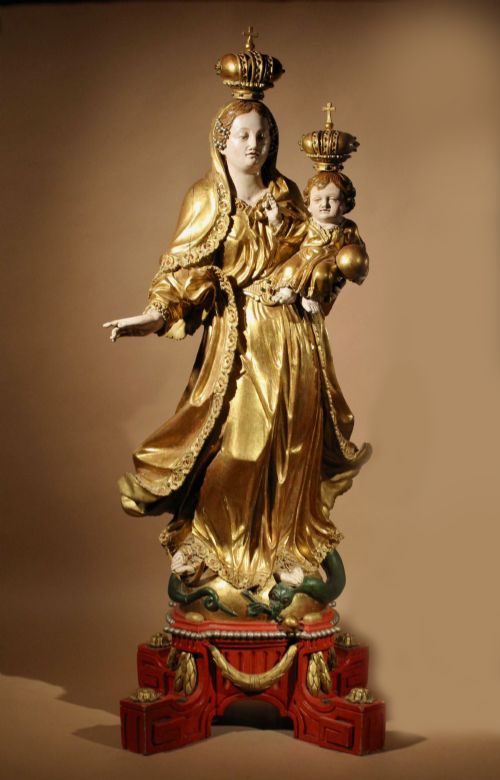
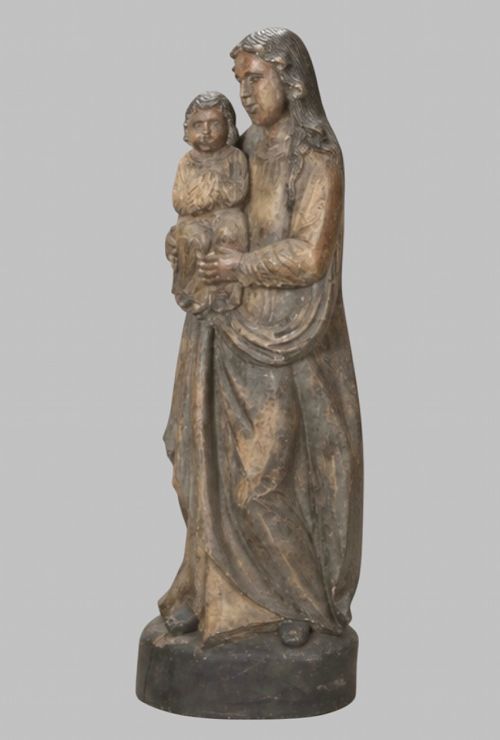
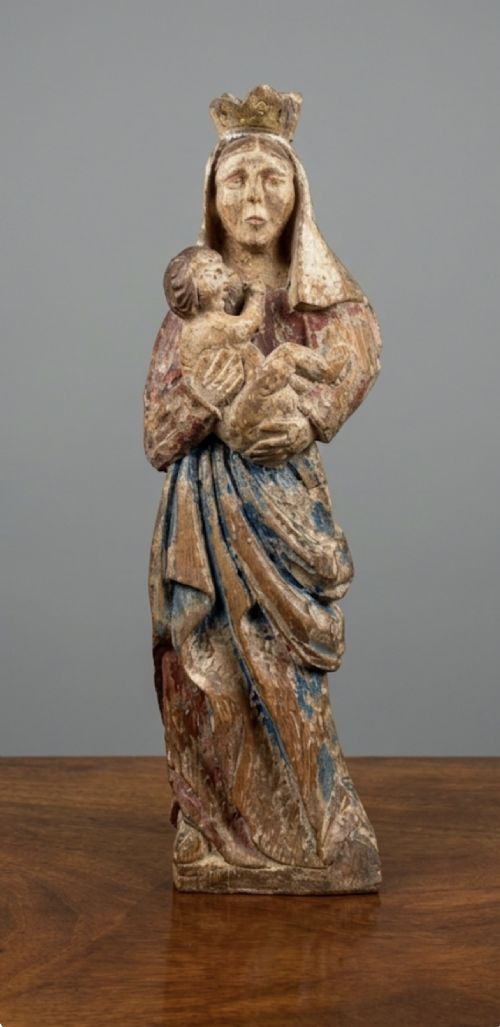
These carved madonna and child figures span centuries of religious devotion, offering collectors tactile pieces of history ranging from rustic oak to gilded wood.
Carved Madonna and Child
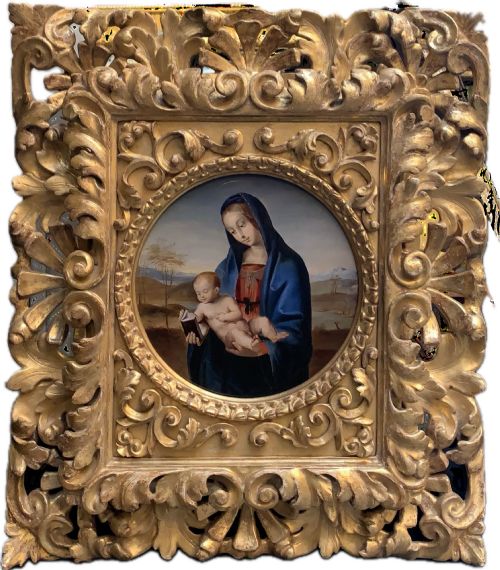
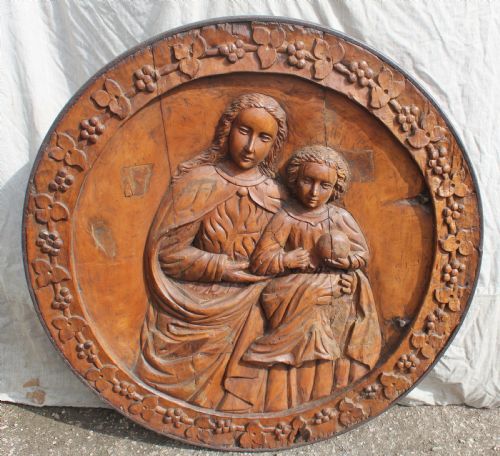
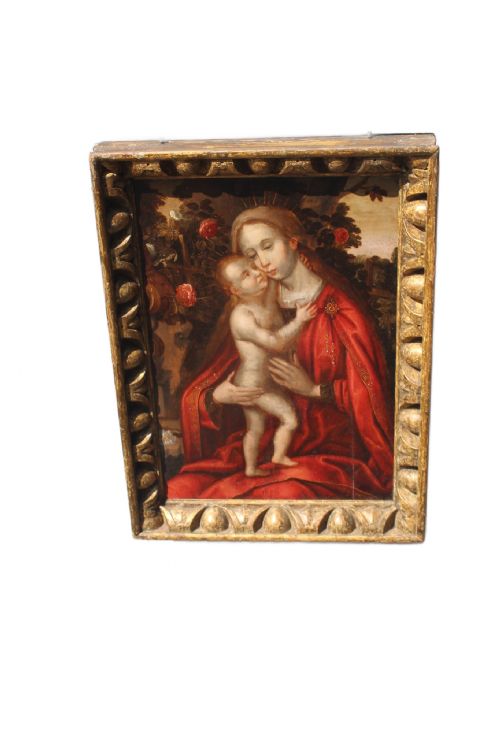
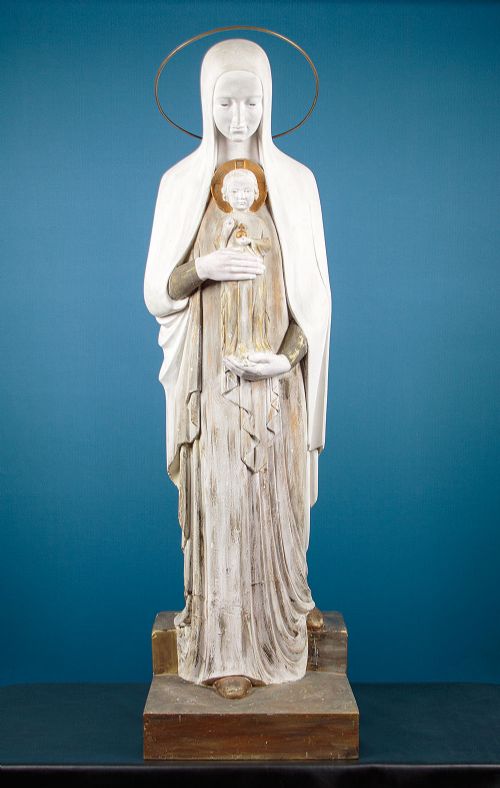
A carved madonna and child brings centuries of devotional art into the home, capturing the enduring bond between Mary and the infant Christ through traditional sculpture and panel painting. Buyers searching this phrase encounter wooden figures, painted wall plaques, and oil works spanning multiple eras.
The selections on this page draw from the sixteenth century up through the nineteenth century, alongside later revival pieces. One meets everything from modest folk art models to large hardwood carvings and framed religious paintings.
European workshops dominate these listings, featuring regional styles like Gothic Revival and Italian Renaissance. Buyers frequently find standing devotional statues in carved oak or lime wood, as well as gilded and painted surfaces.
Assessing quality
The finesse of the hand-carving defines the upper tier of these works, where facial expressions and folds of drapery show deep undercut details rather than shallow incisions. Superior pieces retain more of their original polychrome paint or gilding.
Material selection also dictates value, with dense hardwoods and well-preserved lime wood holding cleaner lines over centuries. The hand of the maker and the integrity of the original surface separate standard devotional objects from masterworks.
Some figures quietly hide centuries of candle soot in their carved folds.
The Carved Madonna and Child Glossary
- Giltwood
- Timber treated with gold leaf or gold paint applied over a preparation layer. This finish adds luminosity to devotional sculptures.
- Gesso
- A plaster mix applied to wood surfaces as a smooth base for gilding or painting. It helps bind the decorative layers to the timber.
- Polychrome
- Decorated in multiple colours. This term describes painted wooden sculptures from various historical periods.
- Santos figure
- A carved devotional statue representing a saint or holy figure. These pieces often served specific ritual functions in domestic or church settings.
- Panel painting
- Artwork executed on a flat wooden board rather than canvas. Early European works frequently utilised this sturdy support.
Carved Madonna and Child: Frequently Asked Questions
How do I date a wooden carving?
Examine the tool marks left by the carver, the species of timber used, and the natural oxidation of the wood over time.
Surface treatments like early gesso or remnant paint also provide strong chronological indicators.
Where were these figures displayed originally?
Devotional figures and paintings typically stood in private home altars, domestic shrines, or local parish churches.
Smaller pieces were often used for personal prayer and contemplation.
What is the difference between oak and lime wood?
Oak is a heavy, durable hardwood with a prominent grain that resists detailed fine carving.
Lime wood offers a softer, finer grain that allows carvers to achieve intricate facial expressions and flowing drapery.