
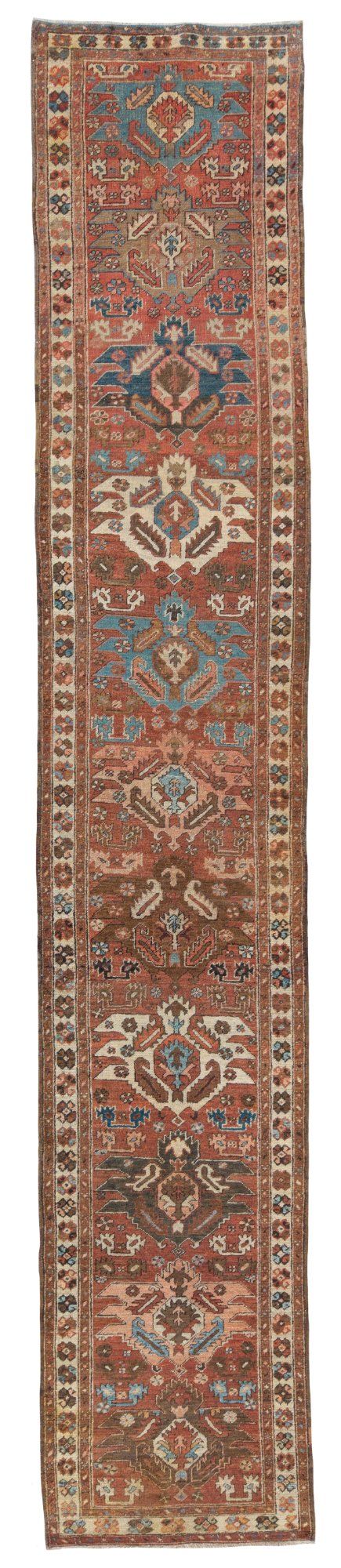
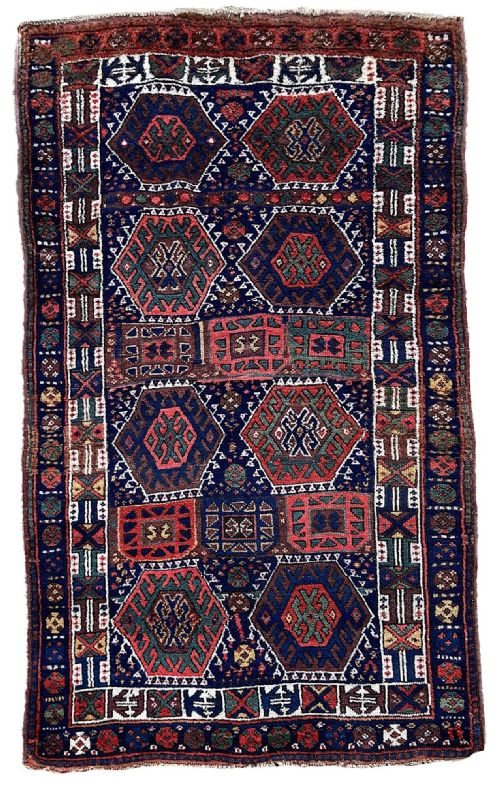


Antique Village Tribal Carpet
These antique village tribal carpets bring centuries of nomadic and rural weaving traditions into modern spaces through rich patterns and natural dyes.
Antique Village Tribal Carpet
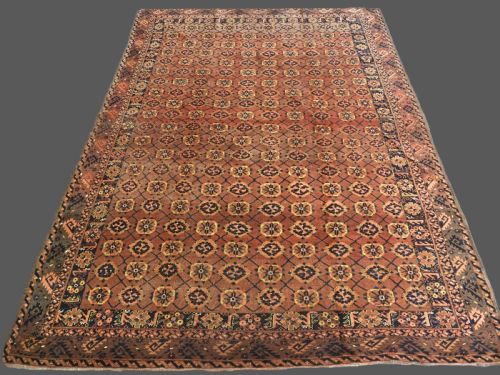
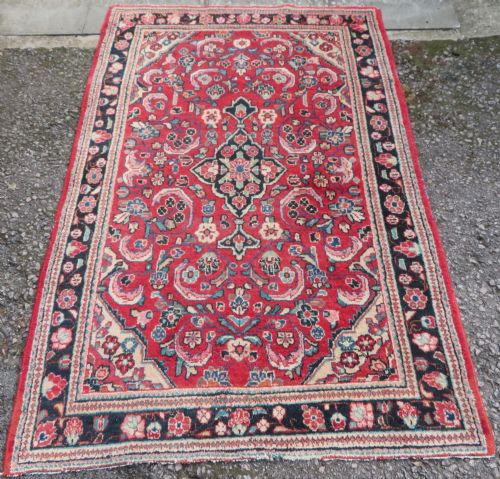
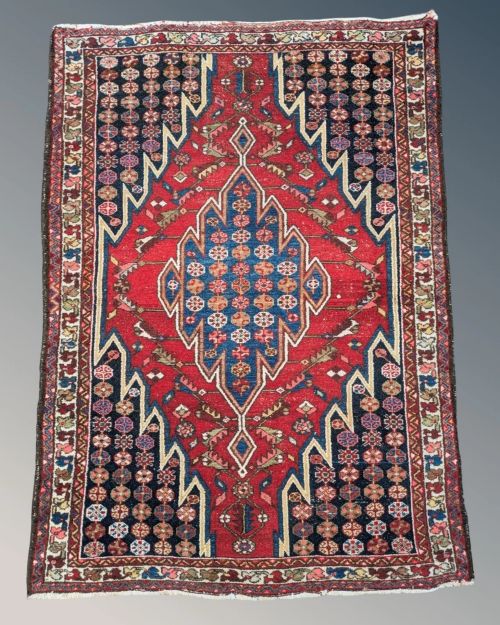
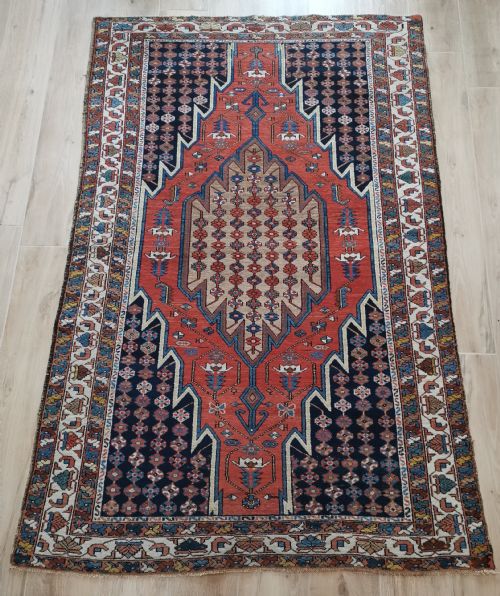
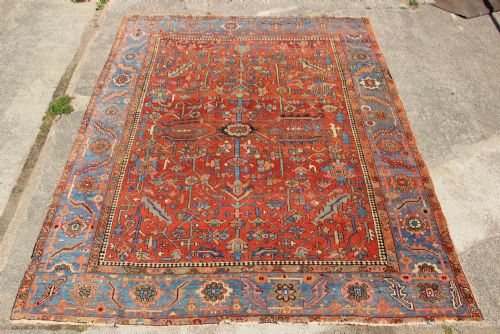
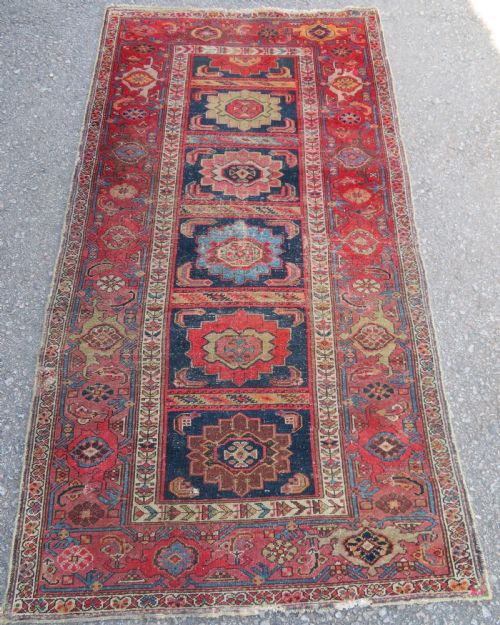
An antique village tribal carpet represents hand-woven floor coverings produced in rural communities across Persia, the Caucasus, Anatolia, and Afghanistan. Buyers exploring this category will encounter various formats ranging from compact prayer rugs and area rugs to larger hallway runners and carpets.
The pieces available span from the nineteenth century into the early decades of the twentieth century. Common regional types include pieces from Heriz, Bakshaish, Mazlaghan, Hamadan, Kurdish, and Afghan workshops or tribal groups.
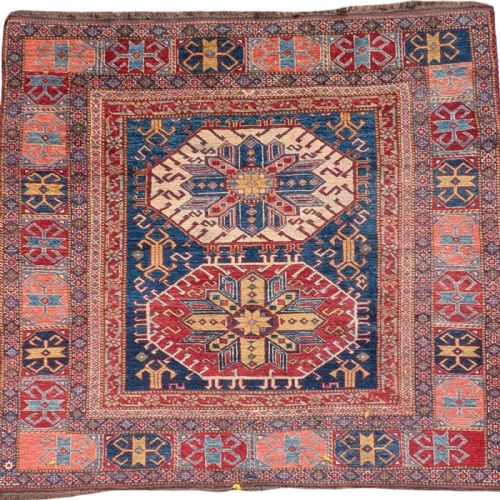
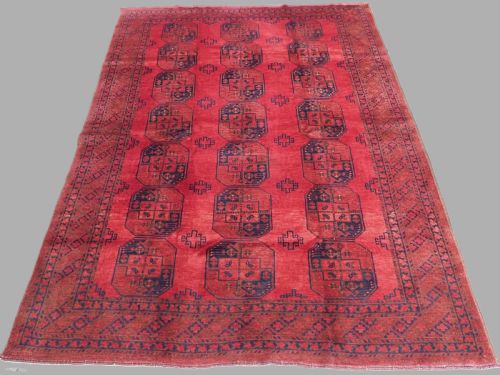
Makers in these rural settings drew on generational motifs rather than strict urban blueprints, resulting in distinctive geometric medallions and traditional designs. Each rug reflects the specific visual vocabulary of its origin, whether Caucasian, Persian tribal, or Turkmen.
How they were made
Weavers constructed these carpets using wool and hand-spun wool, often paired with a cotton warp to provide structural stability. The reliance on hand-spun fibres gives the pile a varied texture and allows the wool to absorb colour unevenly in an appealing way.
Colour comes primarily from natural dyes, which yield deep warm reds and earthy secondary tones that age gracefully over time. These traditional dyeing methods interact with hand-knotted pile construction to create durable surfaces designed for daily domestic use.
Listings feature pieces spanning the nineteenth century up to the 1930s, utilising wool, cotton, and natural dyes.
What varies in quality
Quality in these carpets rests on the precision of the knotting and the handling of the wool. Finer hand-spun wool yields a denser, more resilient pile that responds better to decades of wear.
The vibrancy and depth of the natural dyes distinguish finer examples from standard production. Well-composed geometric layouts and balanced proportions elevate certain village rugs above simpler utilitarian pieces.
The Antique Village Tribal Carpet Glossary
- Warp
- The vertical foundation threads stretched lengthwise on the loom before knotting begins. Cotton warp provides a stable base for many nineteenth-century village rugs.
- Prayer rug
- A small rug featuring a mihrab or niche design used historically for daily prayer. These formats often display specific regional iconography associated with Anatolia or the Caucasus.
- Natural dye
- Colouring agents derived from plants, insects, and minerals rather than synthetic chemicals. These dyes produce complex, muted tones that mellow attractively with age.
- Runner
- A long, narrow carpet format designed for hallways and corridors. They frequently employ repeating geometric medallions or continuous diagonal patterns.
- Medallion
- A central ornamental design motif placed in the middle of the rug field. Village weavers often used large geometric or hooked medallions.
Antique Village Tribal Carpet: Frequently Asked Questions
How do I care for an antique tribal rug?
Vacuum gently without using a rotating brush bar to protect the wool pile from unnecessary friction. Professional cleaning by a specialist in antique textiles helps preserve the natural dyes.
Keep the rug out of direct, harsh sunlight to prevent fading of the warm red and secondary tones. Using a suitable underlay prevents slipping and reduces wear between the backing and the floor.
Where were these village carpets made?
Production took place across rural settlements and nomadic encampments in regions including Persia, the Caucasus, and Afghanistan. Local weaving groups passed down specific regional designs through generations.
Villages such as Bakshaish, Mazlaghan, and Heriz developed distinct local aesthetics. These varied from bold geometric structures to intricate tribal field patterns.
How can I tell different tribal styles apart?
Caucasian pieces typically display sharp geometric motifs, stiff drawing styles, and crisp primary palettes. Persian village carpets often incorporate softer curvilinear elements alongside traditional tribal medallions.
Afghan and Turkmen examples frequently feature repeating guls and deep red colourways. Examining the border arrangements and knotting structure provides further clues to regional origin.
Can I use these carpets in high traffic areas?
Many of these pieces were built for practical domestic use from sturdy hand-spun wool and durable foundations. Placing them in moderate traffic areas allows them to function well while retaining their structural integrity.
Avoid placing fragile or heavily distressed examples in damp environments or commercial spaces. A quality rug pad distributes foot pressure evenly across the pile.