


Antique Vienna Cabinet
An antique vienna cabinet brings nineteenth-century Austrian craftsmanship into the home through finely painted porcelain and glass-fronted timber furniture.
Antique Vienna Cabinet
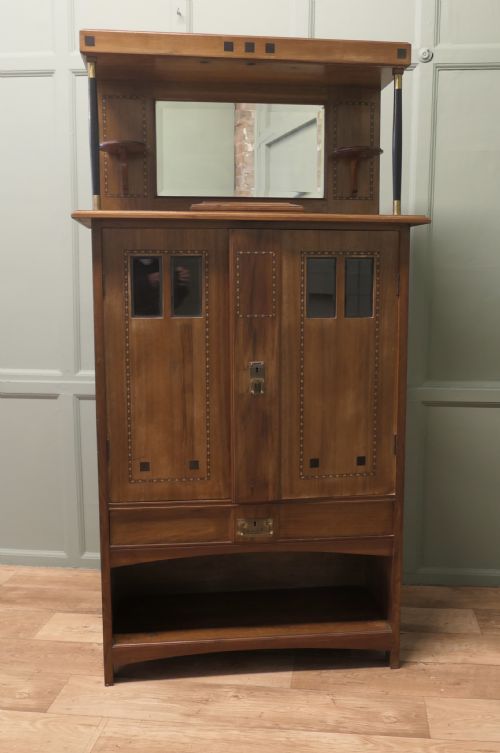
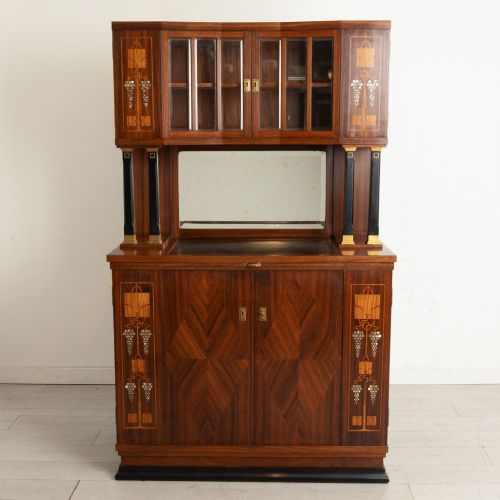
When searching for an antique vienna cabinet, buyers encounter two distinct categories: glazed display furniture made from rosewood or ebonised wood, and hand-painted porcelain plates, chargers, and small tabletop cabinets. The selection spans the nineteenth century up to the early twentieth century, encompassing periods from 1850 through to the Secessionist era.
The furniture forms include cocktail display cabinets and larger rosewood pieces, often associated with notable makers such as August Ungethüm and Sigmund Jaray. Meanwhile, the ceramic offerings concentrate on decorative plates and chargers adorned with classical, mythological, or allegorical scenes such as Cupid and Psyche or the birth of Adonis.
Stylistically, these items reflect the shifting tastes of Austrian design, moving from Neoclassical and Renaissance Revival motifs toward the cleaner lines of the Viennese Secessionist movement. Buyers are most likely to meet nineteenth-century porcelain chargers or glazed display pieces on this page, reflecting the predominant survival of these forms.
Materials and construction methods
The wooden furniture incorporates dense timbers such as rosewood and ebonised wood, frequently enhanced with brass details and glass panels for display purposes. These cabinets rely on traditional joinery suited to housing objects of regard.
The ceramic pieces - ranging from chocolate cups to large chargers - utilise fine porcelain decorated with enamel paint, rich cobalt blue grounds, and generous applications of gold leaf and gilding. Many plates feature hand-painted mythological narratives signed by studio artists.
Small tabletop and bureau cabinets integrate painted Viennese enamel plaques into their metal and wooden structures, combining metalwork and miniature painting techniques.
Several porcelain plates preserve centuries-old theatrical moments, featuring characters like Othello and King Tristan caught forever in mid-drama.
Factors of distinction
Quality in porcelain plates and chargers rests upon the finesse of the hand-painted subject matter and the richness of the surrounding cobalt blue and gilding. Pieces bearing legible signatures from recorded painters or specific factory marks command greater interest.
In cabinetry, the choice of timber such as figured rosewood, the complexity of Secessionist or Revival styling, and the inclusion of documented maker attributions elevate certain pieces above standard production.
August Ungethüm·Sigmund Jaray
The Antique Vienna Cabinet Glossary
- Cabinet plate
- A decorative porcelain plate intended for display rather than dining use. These often feature elaborate painted scenes and gilded borders.
- Gilding
- The application of gold leaf or gold paint to ceramic surfaces or wooden frames. It provides a reflective, ornamental finish characteristic of nineteenth-century luxury goods.
- Secessionist
- A late nineteenth and early twentieth-century artistic movement rejecting historicism in favour of modern forms. Secessionist furniture displays cleaner geometry and restrained ornament.
- Enamel
- A glassy substance fused to metal or ceramic through firing to create a durable, coloured surface. Viennese enamel pieces often feature miniature painted panels inset into small cabinets.
- Charger
- A large ornamental plate used for display on a wall or sideboard. Examples in this category frequently depict classical or allegorical narratives.
Antique Vienna Cabinet: Frequently Asked Questions
What is a vienna cabinet plate?
A vienna cabinet plate is a decorative ceramic piece produced in Austria during the nineteenth or early twentieth century, designed specifically for display rather than domestic use.
These plates typically feature hand-painted mythological, allegorical, or historical scenes framed by cobalt blue borders and heavy gilding.
How do I identify a secessionist cabinet?
Secessionist cabinets from Vienna, dating around 1900, depart from heavy nineteenth-century revival styles by employing more streamlined architectural lines and minimal ornament.
They showcase the transition towards modern design while retaining high-quality timber construction and functional display spaces.
What subjects appear on porcelain chargers?
The painted scenes on these large plates draw primarily from classical mythology, literature, and historical events. Common depictions include figures such as Venus, Bacchus, and scenes from classical antiquity.
Many of these pictorial works are signed by individual studio artists active in Austrian porcelain workshops.
Where were these glazed cabinets placed?
These glazed furniture pieces served to house and protect small collections of porcelain, glassware, or curiosities within a nineteenth-century interior.
They functioned as both storage and display units in principal rooms, allowing owners to exhibit valued decorative items.