


Antique Vienna Bird Figure
These antique vienna bird figure pieces bring cabinet-sized Austrian metalwork into your home, capturing naturalistic birds in lasting bronze.
Antique Vienna Bird Figure
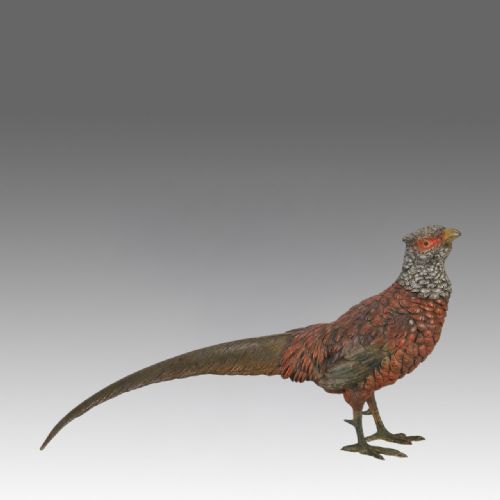
When you search for an antique vienna bird figure, you encounter small bronze sculptures modelled as birds such as woodcocks, pheasants, blackbirds, grouse, kingfishers, magpies, hawks, parrots, and penguins. These pieces largely date from the late nineteenth century and the early twentieth century, spanning the Victorian and Art Nouveau periods.
The objects appear as miniature figurines, statues, and sculptures, occasionally mounted on bases like quartz rock or modelled upon a leaf. The selection centres on Austrian and Vienna bronze styles, encompassing naturalist depictions alongside marked works by known makers.
You are most likely to meet cold-painted bronze birds originating from Austrian foundries around nineteen hundred. These portable sculptures served as decorative cabinet ornaments or paperweights, prized for their realistic portrayal of avian subjects.
How they were made
The foundation of an antique vienna bird figure is cast bronze, shaped into detailed avian forms through traditional foundry methods. Some examples incorporate additional natural materials, such as quartz rock used for mounting heavy hawk sculptures.
Makers applied cold paint, enamel paint, or polychrome paint directly onto the unheated metal surface after casting. This cold-painted technique allowed for intricate feather detail and lifelike coloration without subjecting the fragile pigments to kiln firing.
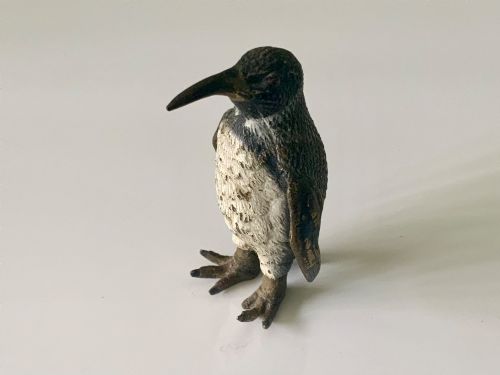
A tiny cold-painted penguin stands ready to inspect your desk alongside ferocious hawks and plump woodcocks.
What varies in quality
The distinction between tiers of an antique vienna bird figure rests in the fineness of the bronze casting and the nuance of the applied polychrome paint. Superior examples display precise anatomical feather texturing and subtle colour blending that mimics living plumage.
Signature marks and foundry stamps elevate the status of a piece, particularly when attributed to prominent Austrian workshops or specific artists. The presence of original, undisturbed cold paint across the bronze surface significantly influences the overall integrity of the sculpture.
Franz Bergman·Franz Xaver Bergmann
The Antique Vienna Bird Figure Glossary
- Cold-Painted Bronze
- A metal sculpture technique where paint is applied to a cold bronze casting rather than fired in a kiln. This method preserves delicate surface details on small animal figures.
- Vienna Bronze
- Small-scale bronze sculptures produced in Austrian foundries during the nineteenth and early twentieth centuries. These pieces are celebrated for their humorous, erotic, or naturalistic animal subjects.
- Polychrome Paint
- The application of multiple colours to decorate the surface of an object. In these figures, it provides realistic plumage across the bronze body.
- Art Nouveau
- An international design style prominent around nineteen hundred characterised by organic lines and natural motifs. It heavily influenced the styling of contemporary Austrian metalwork.
- Naturalist
- An artistic approach dedicated to the realistic representation of subjects from the natural world. These bird sculptures capture precise anatomical postures of wild species.
Antique Vienna Bird Figure: Frequently Asked Questions
What are antique vienna bird figures made of?
These figures are cast from bronze and finished with cold-painted enamels to create realistic feather patterns and coloration. Some larger compositions incorporate natural mineral bases like quartz rock.
The metal provides a sturdy armature while the surface paint delivers the vibrant hues characteristic of Austrian cabinet bronzes.
How do I date an antique vienna bird figure?
Dating relies on stylistic markers from the late nineteenth and early twentieth centuries, including Victorian and Art Nouveau aesthetic influences. Maker marks and foundry stamps also help narrow the production window.
Most surviving pieces originate from the decades surrounding nineteen hundred, reflecting the height of Austrian cold-painted bronze production.
Where were these bird sculptures originally displayed?
Owners placed these miniature sculptures on writing desks, mantelpieces, and inside glass display cabinets as decorative ornaments. Their small scale made them ideal cabinet pieces for close inspection.
Some heavier models functioned as practical items like paperweights while maintaining their aesthetic appeal.
How should I care for cold-painted bronze?
Protect the fragile cold-painted surface by keeping the sculptures away from direct sunlight and moisture. Dust them very gently with a soft, dry brush.
Avoid using liquid cleaners or chemical polishes, as these will strip away the original enamel paint.