


Antique Vessel Portrait
When you search for an antique vessel portrait, you encounter a fascinating intersection of ceramic and canvas art that captures specific ships and figures.
Antique Vessel Portrait
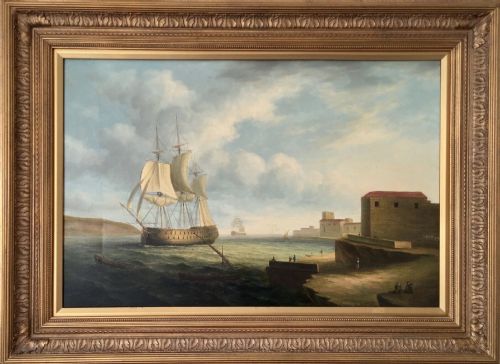
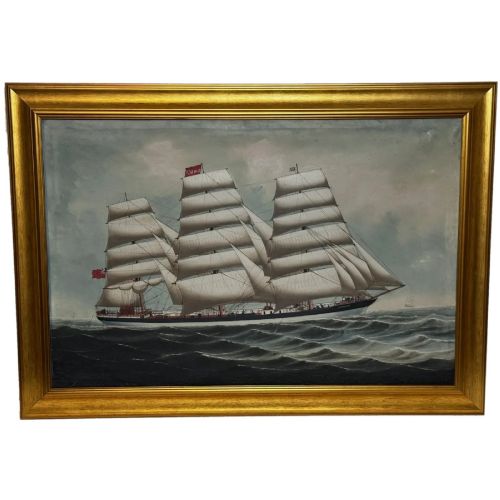
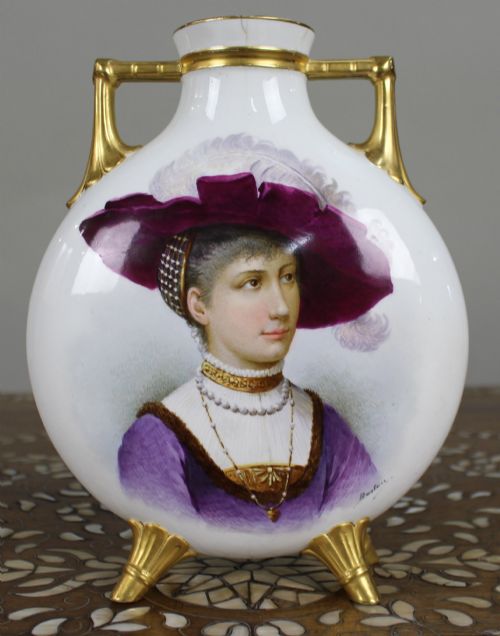
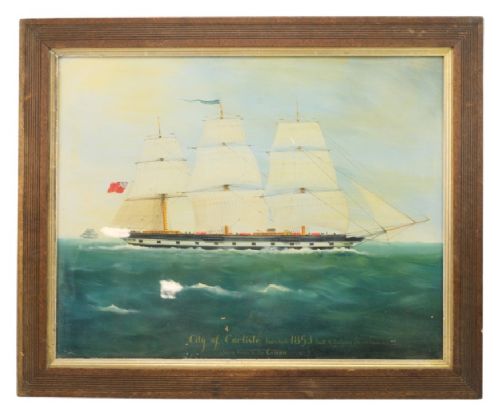
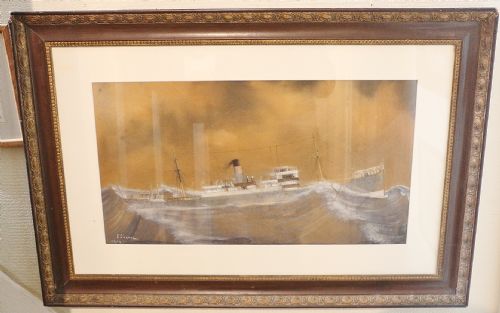
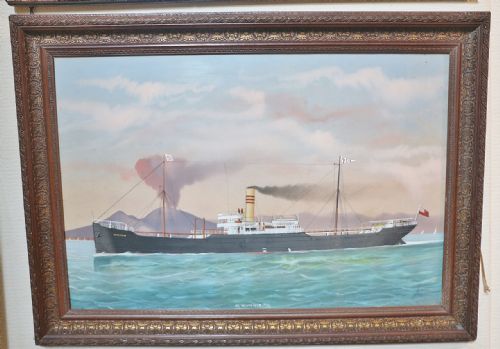
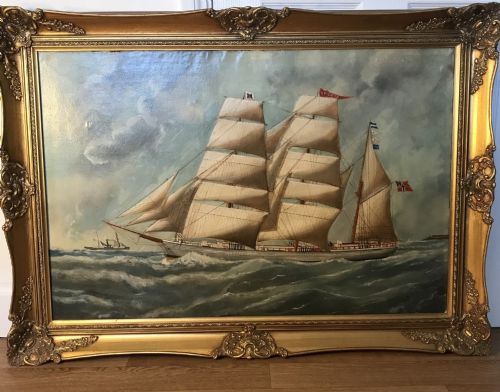
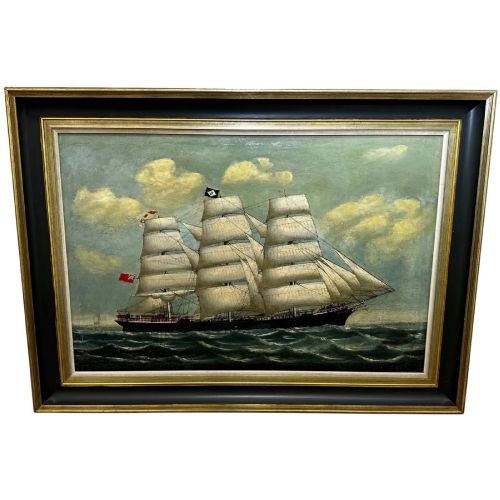
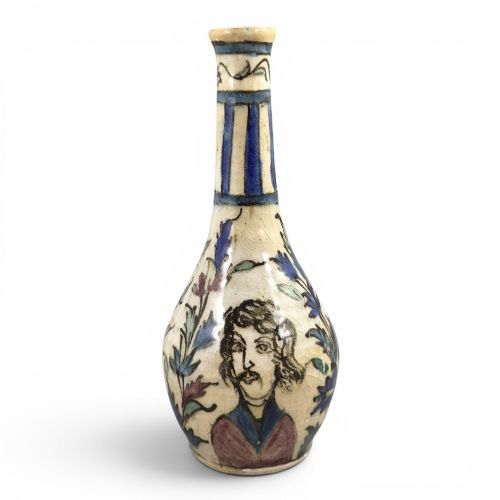
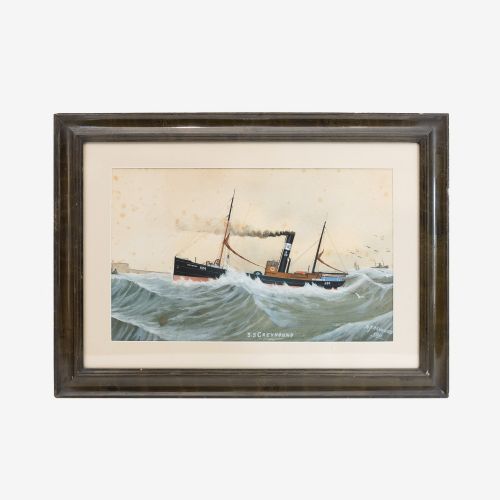
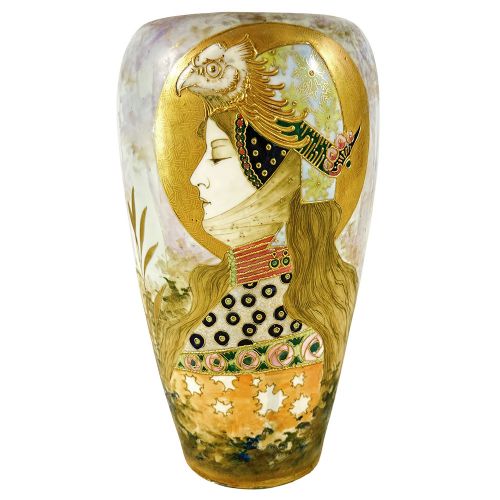
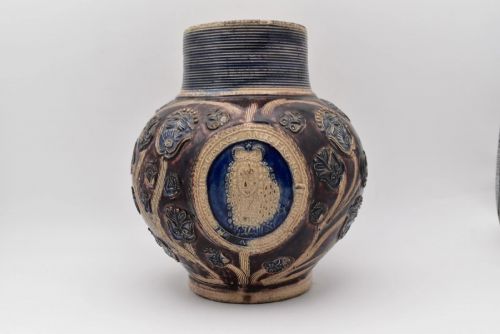
An antique vessel portrait combines maritime paintings of named ships, clippers, and steamships with ceramic portrait vases and commemorative jugs. Buyers searching this phrase look for detailed records of named vessels on canvas or painted ceramic surfaces.
The pieces appearing on this page span from the 18th century through the Victorian and Edwardian eras into the mid-20th century. Maritime paintings and decorated majolica, stoneware, or porcelain vessels form the primary physical evidence of this category.
Materials and methods
Artists and makers utilised oil on canvas, panel, watercolour, and gouache to record ships like the Thermopylae and HMS Victory. These painted works frequently employ gold leaf and giltwood framing to present maritime scenes with precision.
Ceramic vessels rely on hand-painted and gilded techniques on porcelain, majolica, stoneware, and pottery. Artisans applied cobalt, enamel colours, and precious metal highlights to stoneware jugs and moon flask vases.
Sailors frequently commissioned sentimental portraits of their ironclads and barques as tangible tributes to their floating homes.
Distinctions in quality
Quality rests upon the precision of the vessel's rigging, hull construction, and architectural details rendered by the artist. Master painters captured maritime movement and historical accuracy far more convincingly than standard decorative pieces.
On ceramics, the clarity of the portrait work and the finesse of the hand-applied gilding dictate the standard of the piece. Finer porcelain and stoneware bodies support sharper, more deliberate enamel decoration.
Reginald Arthur Borstel·Nicholas Kannhauser·Joseph Heard·WF Mitchell·Richard Ball Spencer
The Antique Vessel Portrait Glossary
- Moon Flask
- A flat-sided ceramic vessel with a circular body, often featuring painted portrait or maritime decorations. This traditional form provides a wide surface for detailed artistry.
- Pierhead Painting
- A genre of ship portrait created near ports to sell directly to sailors and ship owners. These works prioritise accurate representations of specific vessels over abstract artistic expression.
- Stoneware
- A dense, impermeable pottery fired at high temperatures, frequently utilised for historical jugs and commemorative vessels. This material resists wear and allows for sharp surface relief.
- Gouache
- An opaque water-based paint that dries to a matte finish, frequently combined with watercolour in maritime illustrations. It permits rich colour application and fine linear detail.
- Majolica
- A type of earthenware coated with an opaque tin-glaze and painted with metallic oxide colours. It serves as a vibrant ground for nineteenth-century water vessels and decorative vases.
Antique Vessel Portrait: Frequently Asked Questions
Why were portrait jugs made?
Portrait jugs and commemorative vessels honoured monarchs, historical figures, or notable naval events. Potteries produced these pieces to mark jubilees, military victories, or patriotic milestones.
They functioned as both decorative display items and functional vessels in homes and public houses. The inclusion of rulers or admirals connected everyday objects to national identity.
How do I date a maritime painting?
Dating relies on the specific vessel depicted, the clothing of figures on deck, and the artist's active period. Ship types evolved rapidly from wooden three-masted barques to ironclad battleships and steamships.
Signatures, framing materials, and inscriptions on the reverse or mount also offer chronological clues. Comparing the vessel's build to documented naval registries narrows the timeframe.
Where were pierhead paintings made?
Pierhead paintings were produced near major commercial ports where ships docked regularly. Local artists painted these works quickly for sailors who wanted a visual record of their vessel.
These paintings frequently show the ship entering or leaving a specific harbour, accompanied by local landmarks. They captured the immediate pride of a crew in their working ship.