

Antique Vernacular Table
An antique vernacular table offers honest domestic utility shaped by regional hands, bringing centuries of unpretentious character into a modern room.
Antique Vernacular Table
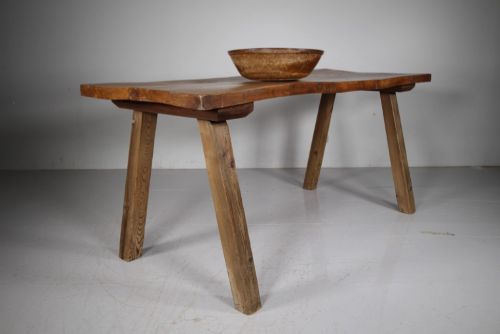
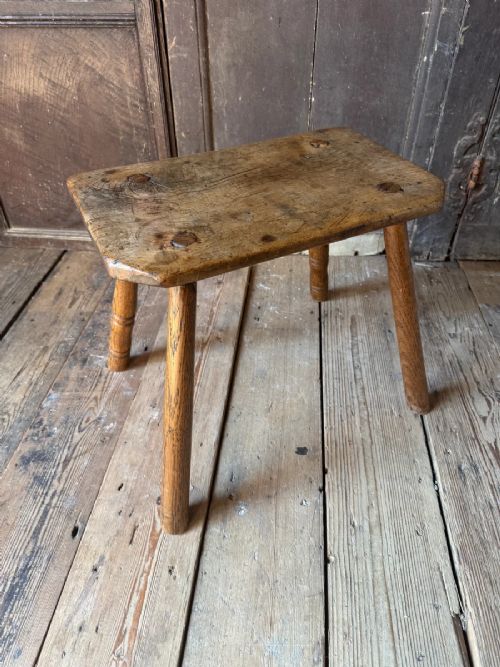
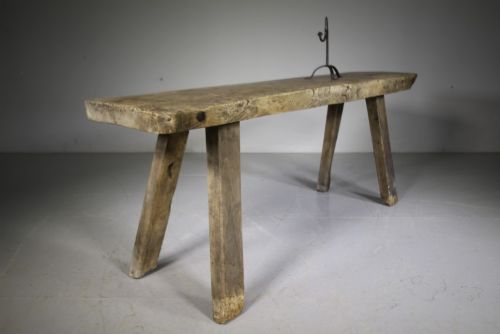
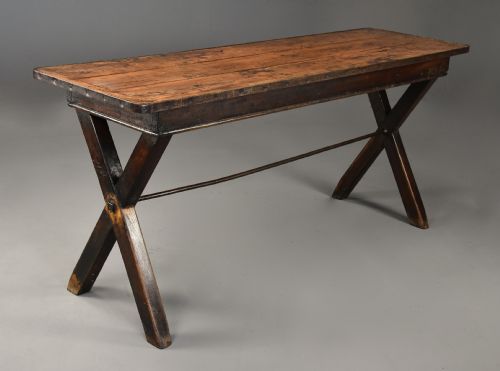
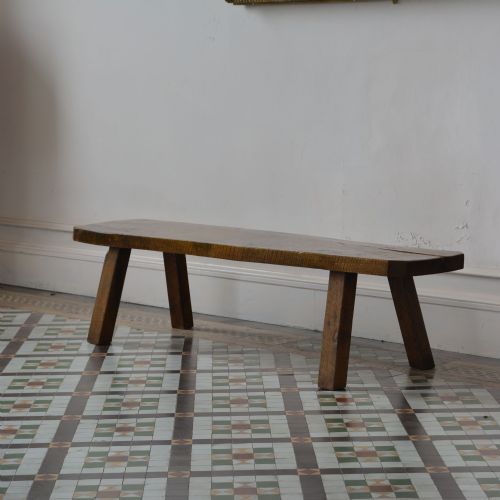
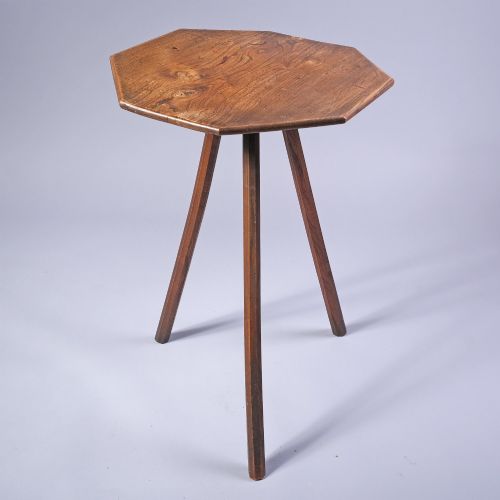
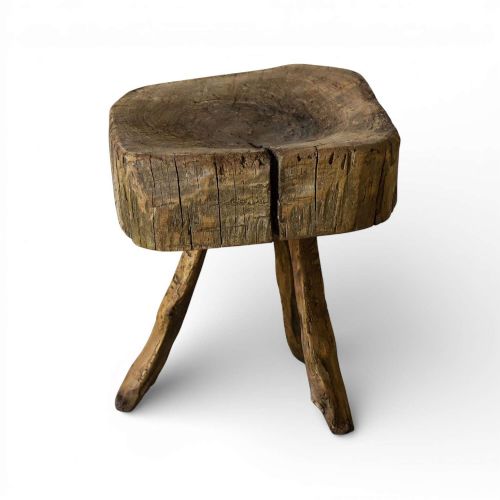
The term antique vernacular table covers unpretentious, domestically useful surfaces built by local makers rather than metropolitan workshops. These objects include cricket tables, tavern tables, side tables, and refectory pieces intended for daily work or simple meals.
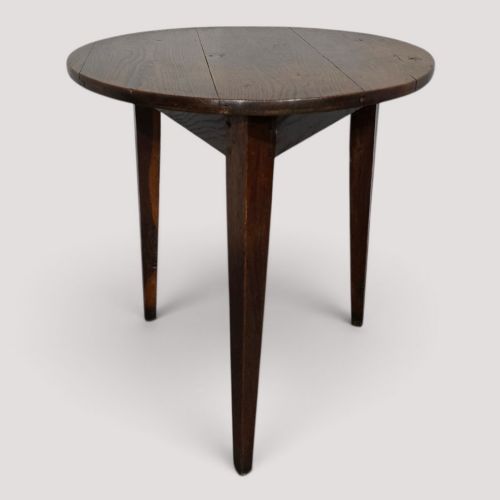
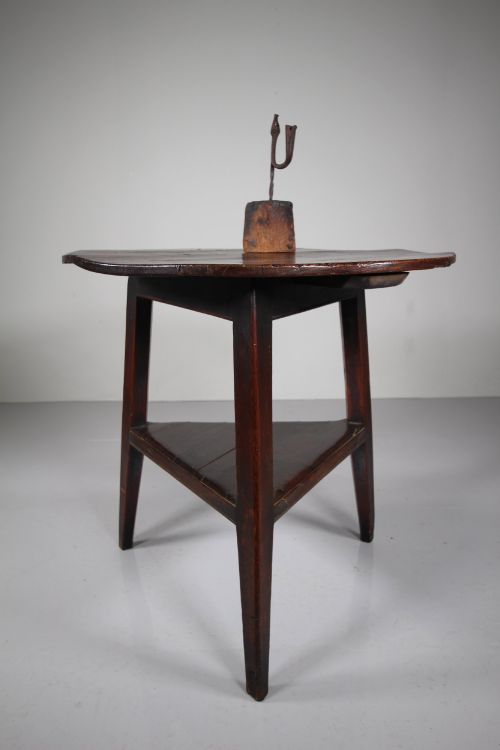
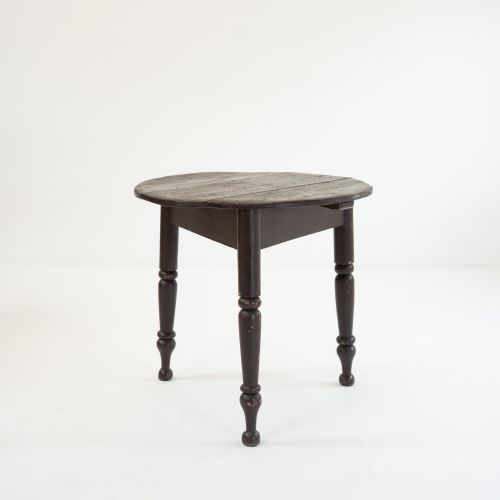
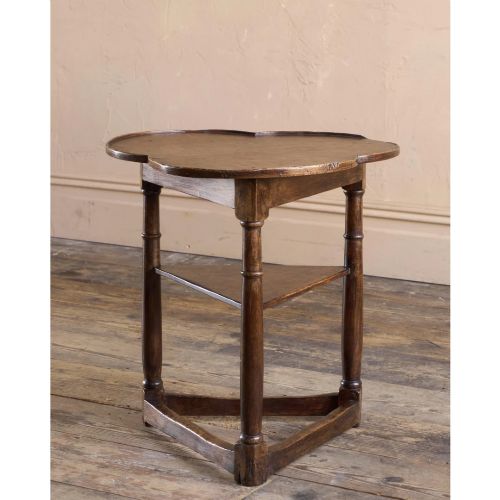
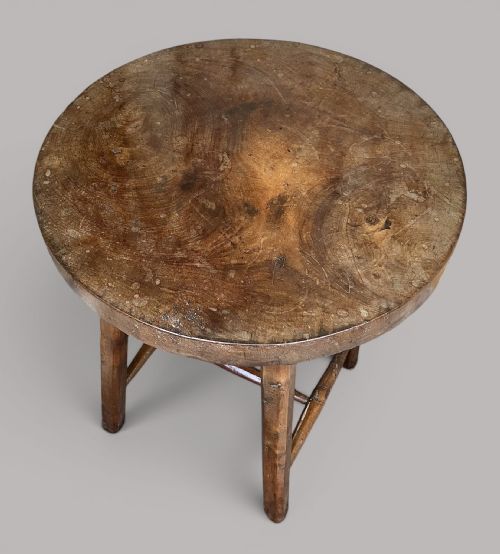
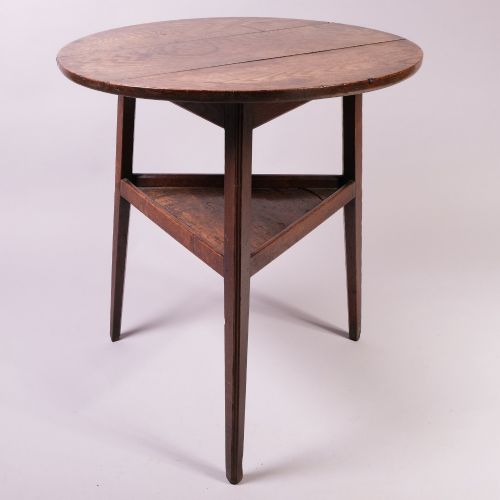
The most common form met on this page is the cricket table, typically featuring three legs and a circular top designed to stand steady on uneven flagstone floors. These pieces hail from various eras, stretching from the seventeenth century through the Georgian period and into the nineteenth century.
Makers drew on local timber available in regions like Wales, Scotland, and broader English country districts. Forms remain functional, prioritising straightforward construction over ornamental display.
Materials and construction methods
Carpenters relied on sturdy native timbers such as oak, elm, pine, ash, and sycamore. These woods were chosen for local availability and resilience rather than exotic grain.
Construction techniques involve straightforward joinery, plank tops fastened to robust frames, and sometimes turned legs or simple trestles. Surfaces often bear traces of historical paint finishes, such as Swedish Falu red, or retain bare wood polished through generations of handling.
Listings feature oak, pine, elm, ash, and sycamore combined across periods spanning the seventeenth through the nineteenth centuries.
Distinctions in quality and survival
Quality rests in the integrity of the original construction and the degree of undisturbed surface wear. Tables that retain their original unstripped timber, authentic patination, and unaltered bases stand apart from heavily restored examples.
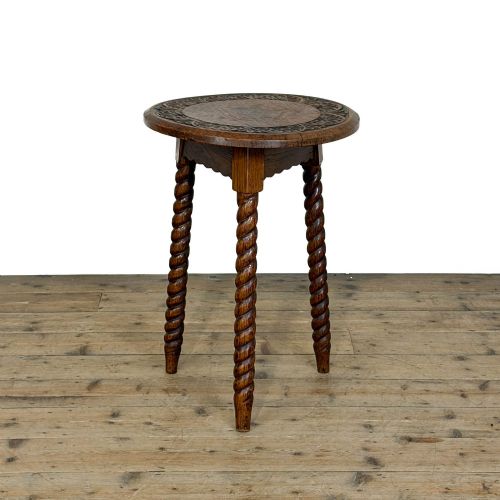
Proportion and structural balance dictate the visual success of these pieces. A well-proportioned cricket table with crisp turning on its three legs or a refectory table with honest timber shrinkage displays the direct intent of the rural maker.
The Antique Vernacular Table Glossary
- Cricket table
- A small, three-legged occasional table, usually round, traditionally used in English cottages because three legs sit level on uneven floors. The design dates back centuries and remains a staple of country furniture.
- Patina
- The surface sheen and colour developed over decades through handling, waxing, and ageing. It acts as a visual record of a piece's history.
- Vernacular furniture
- Objects made by local craftsmen for everyday domestic use, uninfluenced by high-style court or metropolitan fashions. The focus is strictly on utility and local tradition.
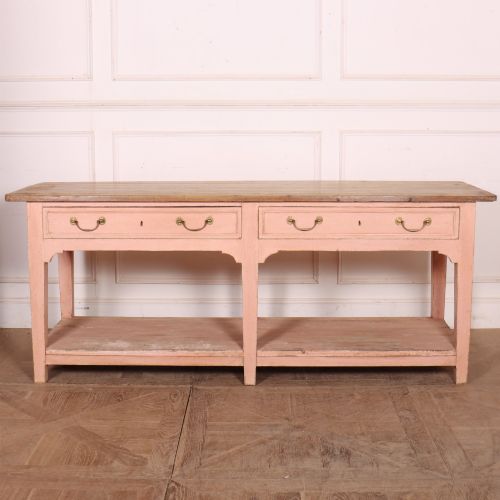
- Dresser base
- A low cabinet or table fitted with drawers and sometimes a potboard shelf below, used in rural kitchens for food preparation and storage.
- Joint stool
- A sturdy wooden stool built with pegged mortise and tenon joints rather than turned legs inserted into a seat. They often served multiple purposes in early households.
Antique Vernacular Table: Frequently Asked Questions
What is a cricket table?
A cricket table is a small, three-legged table with a circular top. The three-leg design ensured the table stayed stable on uneven cottage floors.
These pieces were used for various domestic tasks, from holding candles to serving simple meals beside the hearth.
How do I date an old wooden table?
Dating relies on examining tool marks, timber species, construction joints, and overall wear patterns. Hand-sawn boards and pegged joints often point to earlier periods.
Comparing the style and hardware to documented regional pieces helps narrow down the decade or century of origin.
Where were these tables made?
These pieces originated in rural workshops across England, Wales, Scotland, and parts of continental Europe. Local joiners utilised whatever native timber grew nearby.
Regional preferences often dictated specific leg turnings or base configurations.
Can I use an antique table daily?
Most of these tables were built for heavy domestic work and easily handle everyday use. Solid timber construction provides robust durability.
Careful placement away from direct heat sources and moisture protects the historical timber and surface finish.