





Antique Venetian Gondola Art
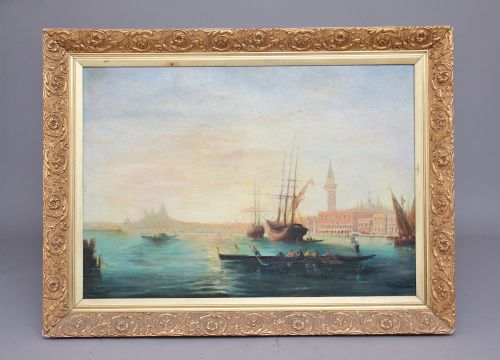
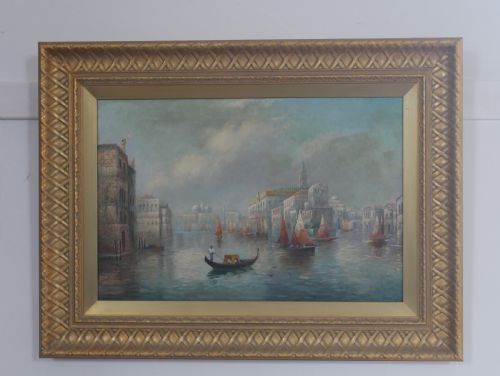
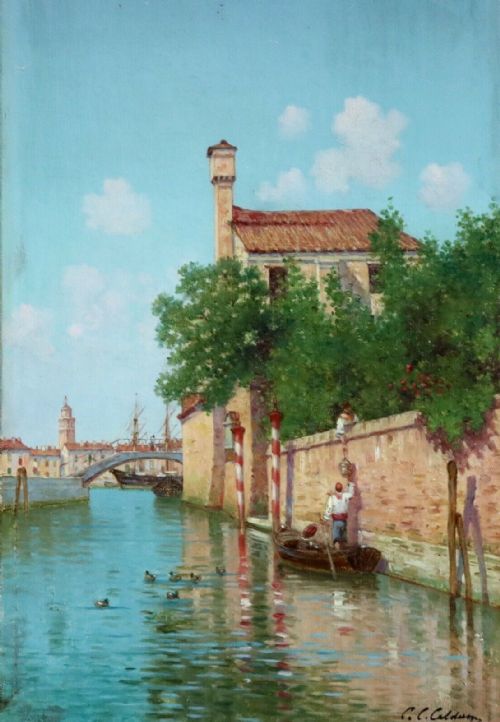
Antique venetian gondola art captures the romantic waterways of Italy through period oils, delicate watercolours and finely carved wooden models.
Antique Venetian Gondola Art
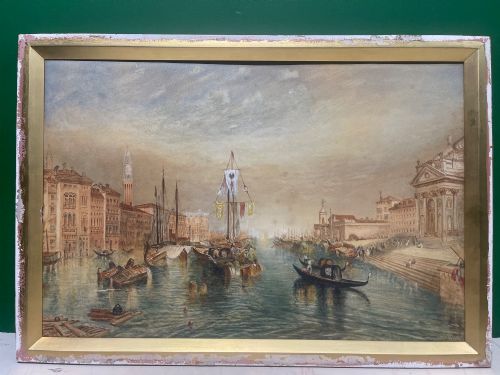
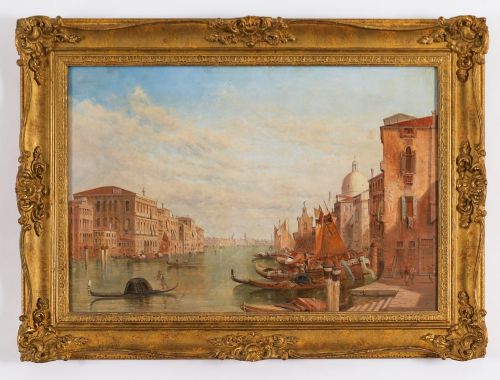
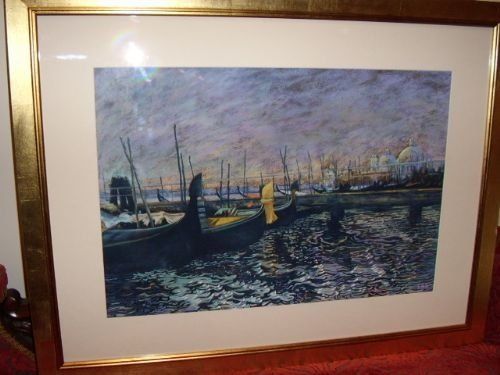
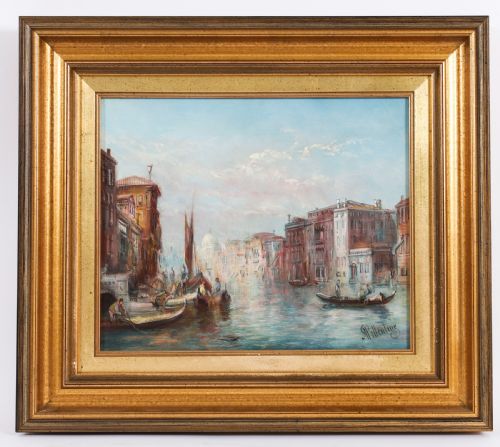
When you search for antique venetian gondola art, you are exploring visual records of Venice's canals, lagoons and iconic boats created across the nineteenth and early twentieth centuries. These works include framed oil paintings on canvas and panel, alongside works on paper such as watercolours, pastels and gouache.
The selection ranges from detailed depictions of the Grand Canal and the Bridge of Sighs to atmospheric moonlight scenes and harbour views. Alongside paintings, the category includes tangible three-dimensional model boats representing the traditional craft of the Venetian waters.
How these pieces were made
The paintings and works on paper rely on traditional artist materials like oil paint applied to canvas, watercolour on paper, and ink or pastel. Canvases are stretched over wooden frames, whilst works on paper are frequently paired with giltwood and gesso frames that reflect period framing conventions.
Model boats are constructed from wood, utilising carved components to capture the distinct shape of the gondola. Painters employed brushwork ranging from tight architectural precision in townscapes to looser application in lagoon landscapes and impressionistic cityscapes.
Antique Venetian Gondola Art Retail Price Guide 2026
Typical asking prices for venetian gondola art among the pieces listed under this phrase on Sellingantiques today, from the lower quarter to the upper quarter. They describe what is for sale here now, not the wider market.
Listings span the nineteenth century, Victorian era, and the early twentieth century up to nineteen-sixty, using oil paint, watercolour, canvas, paper, wood, giltwood and gesso.
What varies in quality
Quality rests upon the handling of light, water and architectural perspective by the hand behind the brush. Works by documented nineteenth and early twentieth-century painters demonstrate greater control over tonal balance and compositional depth than anonymous studio output.
Alfred Pollentine·F.D. Campo·Marc Aldine·Jane Vivian·Vittore Zanetti Zilla·Hercules Brabazon Brabazon·Wilfred Knox·Henry Wimbush·Charles Clement Calderon
The Antique Venetian Gondola Art Glossary
- Gouache
- An opaque watercolour paint that dries to a matte finish, used by artists to build solid areas of colour and highlights in works on paper. It often appears alongside pastels and ink drawings in Venetian canal scenes.
- Gesso
- A plaster-like mixture applied to wooden frames as a base for gilding, creating a smooth surface that accepts gold leaf. Period frames often feature moulded gesso ornamentation.
- Giltwood
- Wood that has been coated with a thin layer of gold leaf or gold paint, commonly utilised for framing nineteenth-century oil paintings and watercolours to enhance their presentation.
- Lagoon
- The shallow body of water surrounding Venice, frequently depicted in early twentieth-century oil paintings and watercolours. Artists used this setting to explore expansive skies and flat expanses of water.
- Grand Canal
- The main waterway of Venice, lined with palaces and spanned by historic bridges, serving as the primary subject for artists documenting the city.
Antique Venetian Gondola Art: Frequently Asked Questions
What periods do these artworks cover?
The selection spans from Victorian and nineteenth-century Romanticism through to early twentieth-century impressionism and the nineteen-sixties.
Most pieces date from the late nineteenth century up to the nineteen-thirties, capturing a sustained era of European travel and artistic interest in Italy.
Are these paintings original works?
The selection comprises original hand-painted oils on canvas, watercolours, pastels and gouache created by period artists rather than modern reproductions.
Signatures, framing materials and canvas characteristics help distinguish these historical pieces.
How do I identify different painting mediums?
Oil paintings display textured brushstrokes and are typically executed on stretched canvas or wooden panels.
Works on paper utilise watercolours, inks or gouache, usually displayed behind glass within traditional frames.