

Antique Veneer Furniture
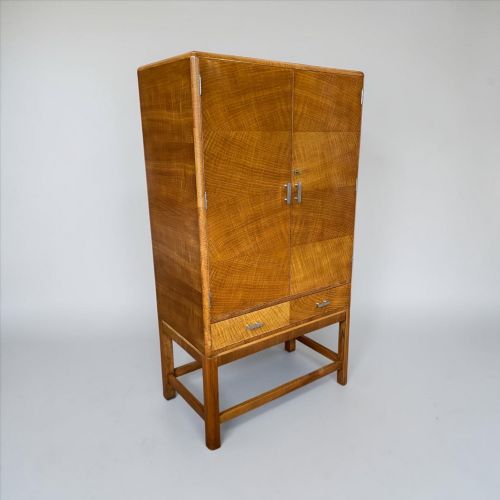
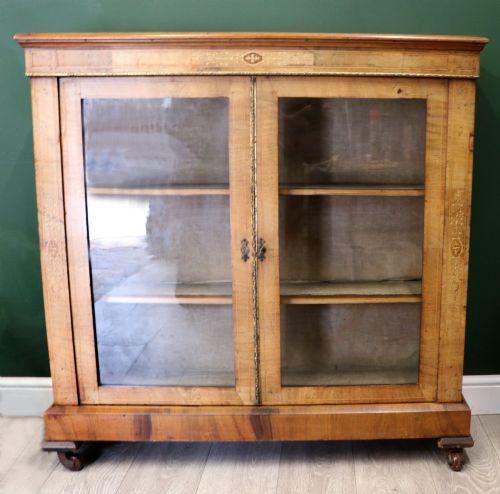
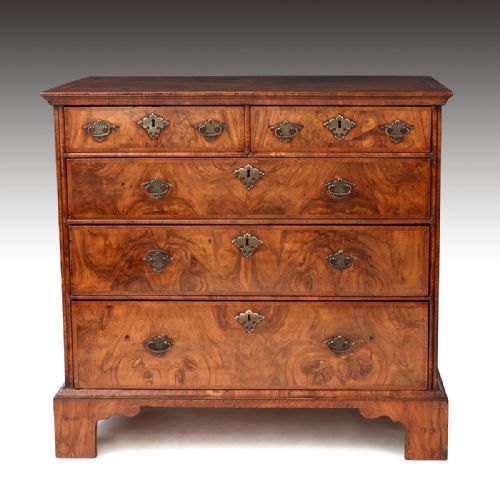
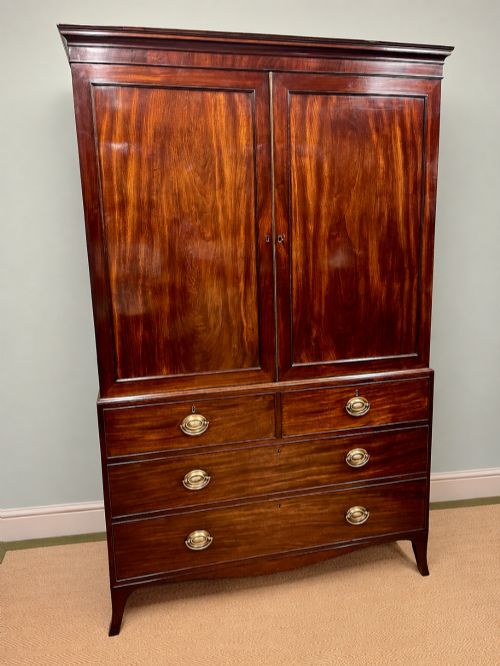
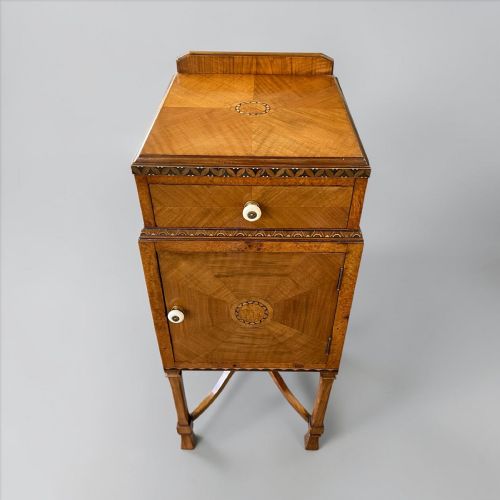
Antique veneer furniture brings together centuries of timber craftsmanship, showing rich grain patterns across chests, tables, and cabinets.
Antique Veneer Furniture
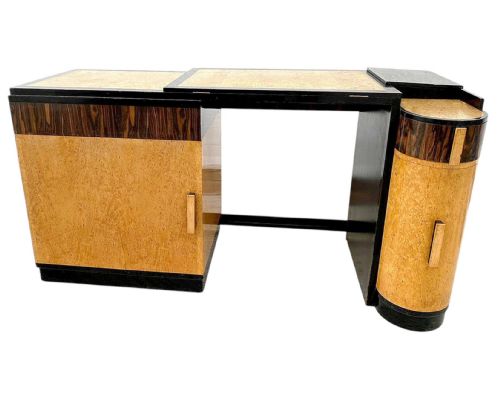
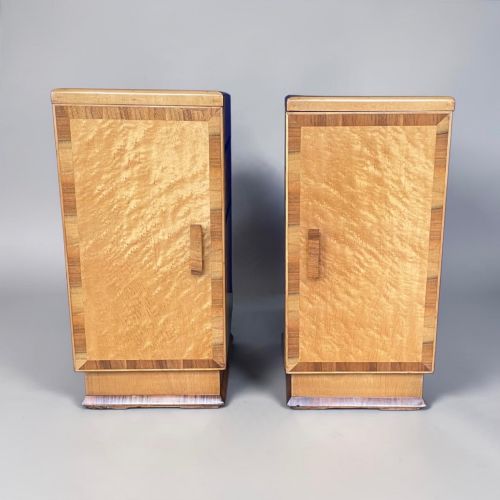
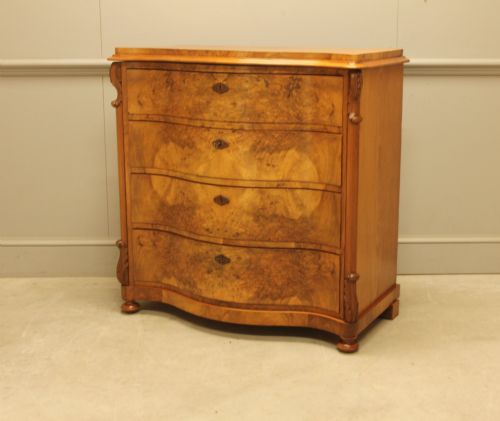
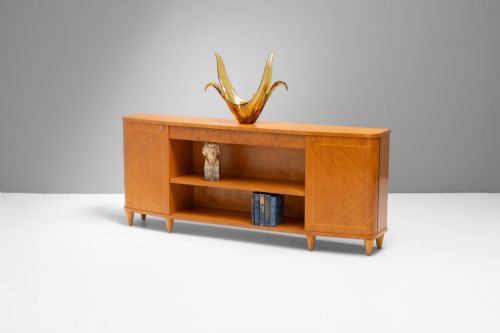
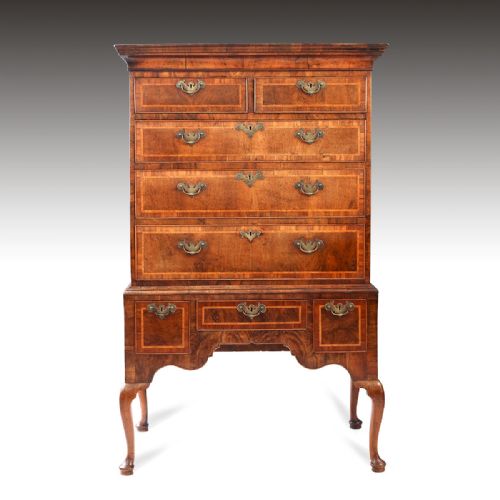
Antique veneer furniture covers a broad span of centuries, stretching from the late seventeenth century through the Georgian and Regency eras into the Art Deco period. When searching for antique veneer furniture, buyers encounter forms ranging from monumental chests of drawers and linen presses to compact bedside tables and cocktail cabinets.
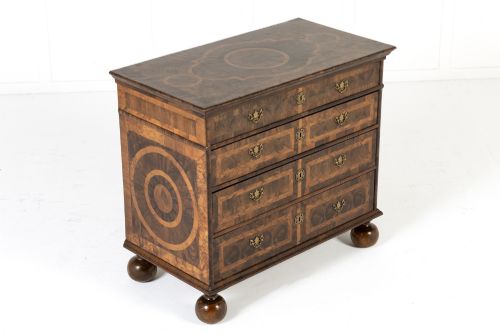
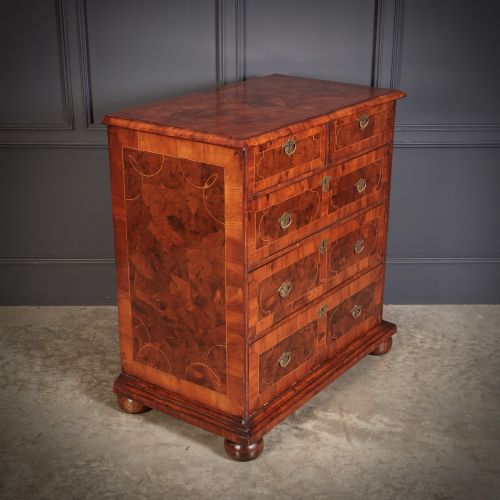
Early examples include seventeenth century oyster veneer chests and William and Mary chests on stand, whilst later centuries offer Biedermeier, French Neoclassical, and nineteen-thirties Scandinavian designs.
How these pieces were made
Cabinet makers applied thin slices of decorative wood to stable secondary carcases, often using walnut, mahogany, amboyna, or yew to create striking visual patterns. Techniques such as oyster cutting sliced small branch wood transversely to reveal circular annual rings.
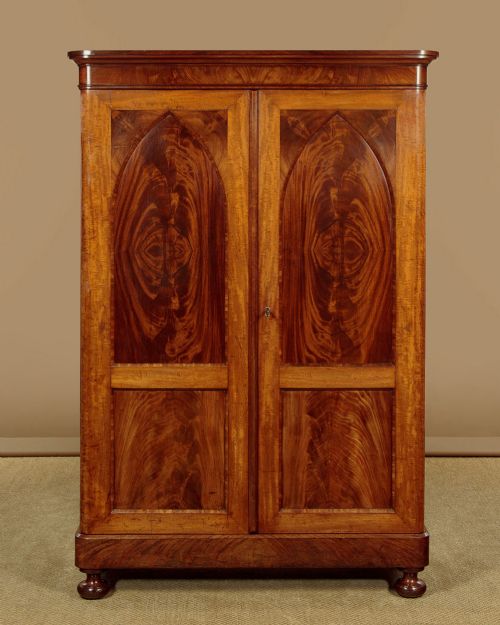
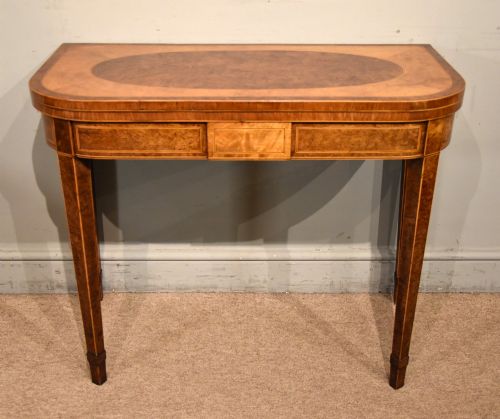
Makers utilised contrasting stringing, brass mounts, and crossbanding to frame panels of burr walnut, flame mahogany, or birch. Solid timber foundations kept the primary carcase stable whilst expensive figured veneers faced the exterior surfaces.
Antique Veneer Furniture Retail Price Guide 2026
Typical asking prices for veneer furniture among the pieces listed under this phrase on Sellingantiques today, from the lower quarter to the upper quarter. They describe what is for sale here now, not the wider market.
Oyster veneer pieces transform small pruned tree branches into hypnotic wooden polka dots.
What varies in quality
Quality rests on the selection and matching of the timber grain across the visible surfaces. Symmetrical book-matching and uninterrupted circular oyster patterns indicate superior cabinet making.
The integration of secondary timbers and the crispness of brass mounts or inlay dictate the grade of a piece. Finer examples retain deep natural patination on the polished wooden skin.
Bath Cabinet Makers
The Antique Veneer Furniture Glossary
- Oyster veneering
- Branch wood cut transversely into small circular or oval discs. These sections created repeating patterned surfaces popular in the late seventeenth century.
- Burr walnut
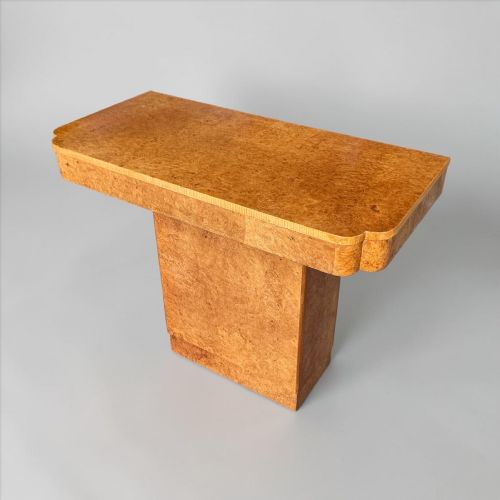
- A growth deformity in walnut trees that produces complex swirling grain patterns. Cabinet makers prized this wood for high-status drawer fronts and table tops.
- Crossbanding
- A narrow strip of veneer laid around the border of a panel with the grain running at right angles to the centre. It frames the main decorative timber.
- Commode
- A decorative set of drawers or a low cabinet originating in France. Nineteenth-century examples often utilise burr ash or exotic veneers.
Antique Veneer Furniture: Frequently Asked Questions
How do I care for antique veneer furniture?
Keep wooden pieces away from direct sunlight and sudden temperature shifts to prevent timber shrinkage and veneer lifting. Regular dusting with a dry cloth maintains the polished surface.
Apply high quality beeswax sparingly when the wood appears dry. Avoid silicone sprays and excessive moisture.
What is oyster veneer?
Oyster veneer consists of small branch wood slices arranged to form repeating circular patterns across drawer fronts and table tops. This decorative technique appears frequently on late seventeenth-century and early eighteenth-century pieces.
Makers laid these small discs close together to produce rich, undulating surface textures.
Where did walnut veneer originate?
Walnut gained popularity during the seventeenth century as cabinet makers sought richer grain patterns than solid oak could provide. English and continental workshops utilised native and imported walnut stocks.
Later periods revived walnut through Biedermeier and Art Deco revivals.