


Antique Veneer Chest Stand
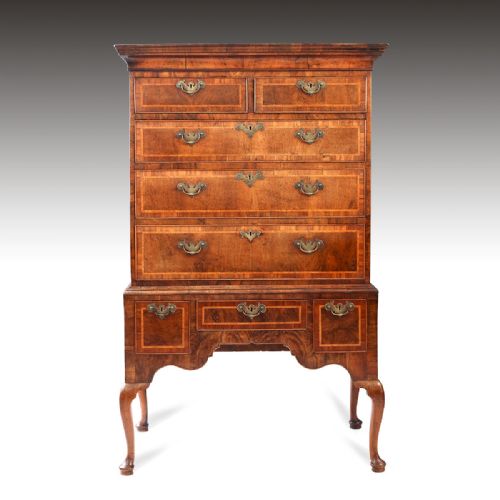
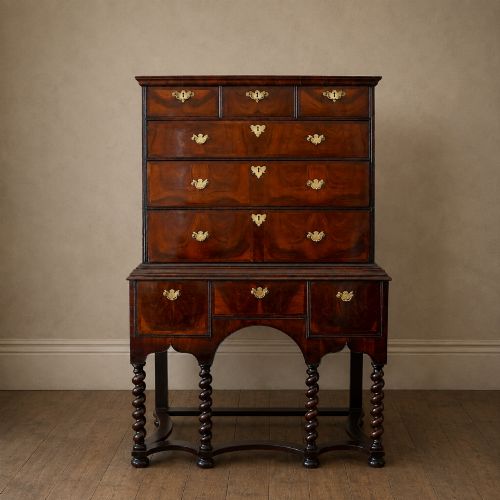
These antique veneer chest stand examples bring rich timber surfaces and elevated storage together, offering a striking focal point for any room.
Antique Veneer Chest Stand
An antique veneer chest stand combines a raised base with a multi-drawer storage unit, designed to keep precious textiles and valuables safe from damp floors. When exploring an antique veneer chest stand, buyers encounter forms dating from the seventeenth century through to later revivals.
The prevailing examples on this page showcase rich timber figuring raised on slender legs, often linked by intricate stretchers. These pieces range from compact cabinets on stands to larger chests of drawers elevated on bespoke frames.
Originating during periods of heightened cabinet-making skill, these items reflect domestic requirements of past centuries. Surviving pieces demonstrate the enduring appeal of raised storage furniture in traditional and modern interiors alike.
How they were made
Craftsmen applied thin slices of decorative timber to solid foundational woods like oak, creating intricate geometric patterns across the exterior surfaces. Walnut, kingwood, olive wood, and laburnum supplied the varied tones and natural figuring required for high-status furniture.
Specialised cutting techniques produced circular oyster veneers from small branches, arranged in repeating patterns across the drawer fronts and top panels. Cabinetmakers then secured brass drop handles and escutcheons to complete the facade.
The listings here feature walnut, kingwood, olive wood, and laburnum timbers utilised across the seventeenth and eighteenth centuries.
What varies in quality
The sophistication of the timber patterning dictates much of the visual distinction between individual examples. Pieces featuring meticulously matched oyster cuts or complex parquetry demonstrate greater artisan investment than simpler constructions.
The integrity of the supporting stand, including the retention of original timber species and structural cohesion with the upper chest, heavily influences the standing of a piece. Finer examples maintain harmony between the elevated base and the storage compartment above.
The Antique Veneer Chest Stand Glossary
- Oyster veneer
- Circular or oval veneer slices cut transversely from small branches or boughs. The resulting pieces resemble the shape and concentric rings of an oyster shell.
- Parquetry
- Geometric mosaic woodwork arranged in repeating patterns across a surface. Makers utilised contrasting timbers like kingwood and boxwood to achieve sharp visual definition.
- Chest on stand
- A storage chest elevated upon a distinct supporting frame or legs. This form lifted the contents away from cold, damp stone floors.
- Stretcher
- Horizontal timber members connecting the legs of a stand for added structural stability. They frequently incorporated shaped or curved profiles during the seventeenth and eighteenth centuries.
Antique Veneer Chest Stand: Frequently Asked Questions
What is an antique veneer chest stand?
An antique veneer chest stand is a raised storage unit featuring decorative timber surfaces applied over a solid carcase. These pieces combine a compartment of drawers or a cabinet with an elevated base.
Originating in past centuries, they served practical domestic functions while displaying the finest cabinet-making techniques of their respective eras.
How were oyster veneers cut?
Oyster veneers were produced by slicing small branches or roots across the grain at an angle. This created distinctive circular and oval motifs with prominent growth rings.
Cabinetmakers arranged these sections closely together to cover large surfaces with complex, rippling patterns.
Where should I place a chest stand?
These pieces suit reception rooms, hallways, or bedrooms where their decorative surfaces and elevated profiles can be fully appreciated. Their compact footprint makes them versatile for adding storage without dominating a room.
Keep them away from direct sunlight and strong heat sources to protect the delicate timber veneers.